4-Year Crop Rotation for Raised Beds
Map a simple 4-year crop rotation calendar by plant family for raised beds. Prevent soil depletion, reduce pests, and plan each season with confidence.

Maggie O'Connell is a lifelong gardener and the voice behind Vegloom, dedicated to helping people grow their own food regardless of their yard size. With over 15 years of hands-on experience in backyard agriculture, she specializes in raised bed gardening, organic soil building, and seasonal planting calendars. When she isn't writing, Maggie can usually be found tending to her sprawling heirloom tomatoes or experimenting with new compost recipes.
If you have ever grown gorgeous tomatoes one summer and then watched them struggle the next, you have already felt the quiet power of crop rotation. In raised beds, rotation matters even more because we ask a small, contained volume of soil to produce a lot of food.
The good news is that a 4-year vegetable crop rotation calendar can be wonderfully simple. You pick a few big plant families, group your crops, then move each group to a new bed (or new section of a bed) every year. That one habit helps prevent nutrient depletion, disrupts pest and disease cycles, and makes fertilizing feel a lot less like guesswork.
Why rotate crops in raised beds?
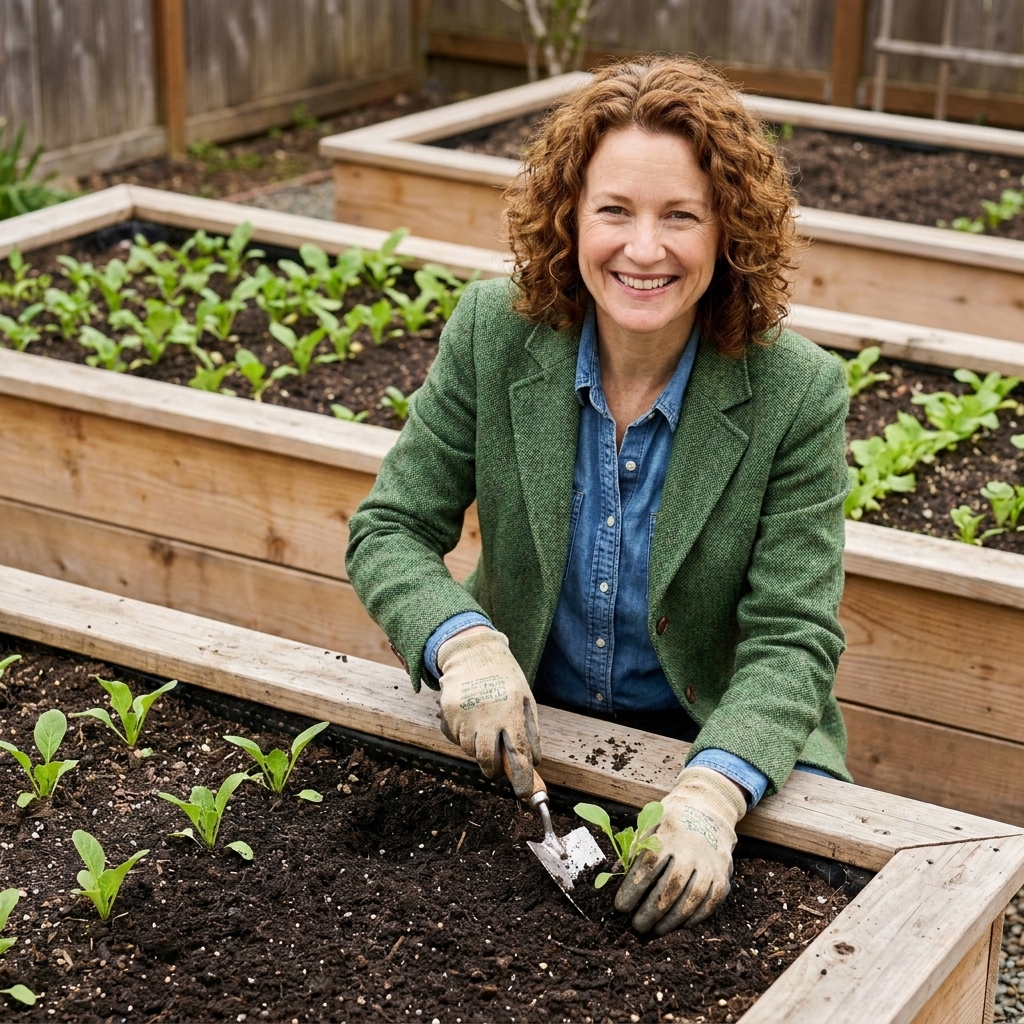
I garden in raised beds because my native soil is the kind of clay that could be fired into dinner plates. Raised beds gave me control. But control cuts both ways. When you grow the same family in the same spot year after year, you are also controlling pests and pathogens by feeding them their favorite meal on repeat.
- Balances nutrients: Different crops draw nutrients differently, and not always in the same proportions. Tomatoes and corn are famously hungry. Beans and peas can contribute nitrogen over time when they are well nodulated and you leave roots in place. Leafy greens love steady fertility, but they do not always need the same approach as fruiting crops.
- Reduces disease carryover: Many common problems (like early blight, bacterial spot, or clubroot) can survive on infected residue, volunteers, and sometimes in soil. Rotation creates time and distance so pathogens are less likely to find a suitable host next season. Clean seed, healthy transplants, and good cleanup still matter.
- Disrupts pest cycles: Squash bugs, cucumber beetles, onion maggots, Colorado potato beetles, and more tend to focus on certain families. Rotation makes your garden harder for them to read. For example, if maggot flies emerge where alliums were last year and find no onions there now, their life gets a lot harder.
- Makes planning easier: Once your rotation is set, you can keep notes like “Bed 2 is the heavy-feeder bed this year” and amend accordingly.
Step 1: Group crops by family
Crop rotation works best by plant family, not by individual crop. A tomato and a pepper might feel different in the kitchen, but in the garden they are close cousins and share many of the same pests and diseases.
Nightshades (Solanaceae)
Common crops: tomatoes, peppers, eggplant, potatoes, tomatillos
Why rotate: prone to disease and pest pressure; often heavy feeders
Cucurbits (Cucurbitaceae)
Common crops: cucumbers, zucchini, summer squash, winter squash, pumpkins, melons
Why rotate: cucumber beetles, squash bugs, powdery mildew buildup
Brassicas (Brassicaceae)
Common crops: cabbage, broccoli, cauliflower, kale, collards, Brussels sprouts, kohlrabi, turnips, radishes, arugula
Why rotate: clubroot risk, cabbage worms and flea beetles, consistent fertility helps
Legumes (Fabaceae)
Common crops: peas, green beans, pole beans, fava beans
Why rotate: helpful in a rotation, but with a reality check. Legumes can fix nitrogen when they are well nodulated with the right rhizobia, and much of the benefit stays in the roots and leftover plant material. If you pull the whole plant, or you are harvesting lots of mature seed, you remove more of that nitrogen. I treat legumes as a soil-friendly “lighter feeder” year, not a magic fertilizer.
Alliums (Amaryllidaceae)
Common crops: onions, garlic, leeks, scallions, shallots
Why rotate: onion maggots and disease issues can build; long season crops benefit from a dedicated bed
Apiaceae (carrot family)
Common crops: carrots, parsnips, celery, cilantro, dill, fennel
Why rotate: typically less disease pressure than some families, but rotation still helps overall balance
Leafy greens (mixed families)
Common crops: lettuce, spinach, chard
These are from different families, so they do not fit neatly into a strict family rotation. I treat them as a flexible “filler” group that follows the needs of the bed. They are fantastic to tuck in after peas, before fall brassicas, or anywhere you have a few open weeks.
Sweet corn (Poaceae)
Common crops: corn
Corn is a heavy feeder and usually best grown in a block. In many raised-bed gardens it is grown in one bed or not at all. If you grow it, plan its fertility and rotation thoughtfully.
Step 2: Pick 4 rotation groups
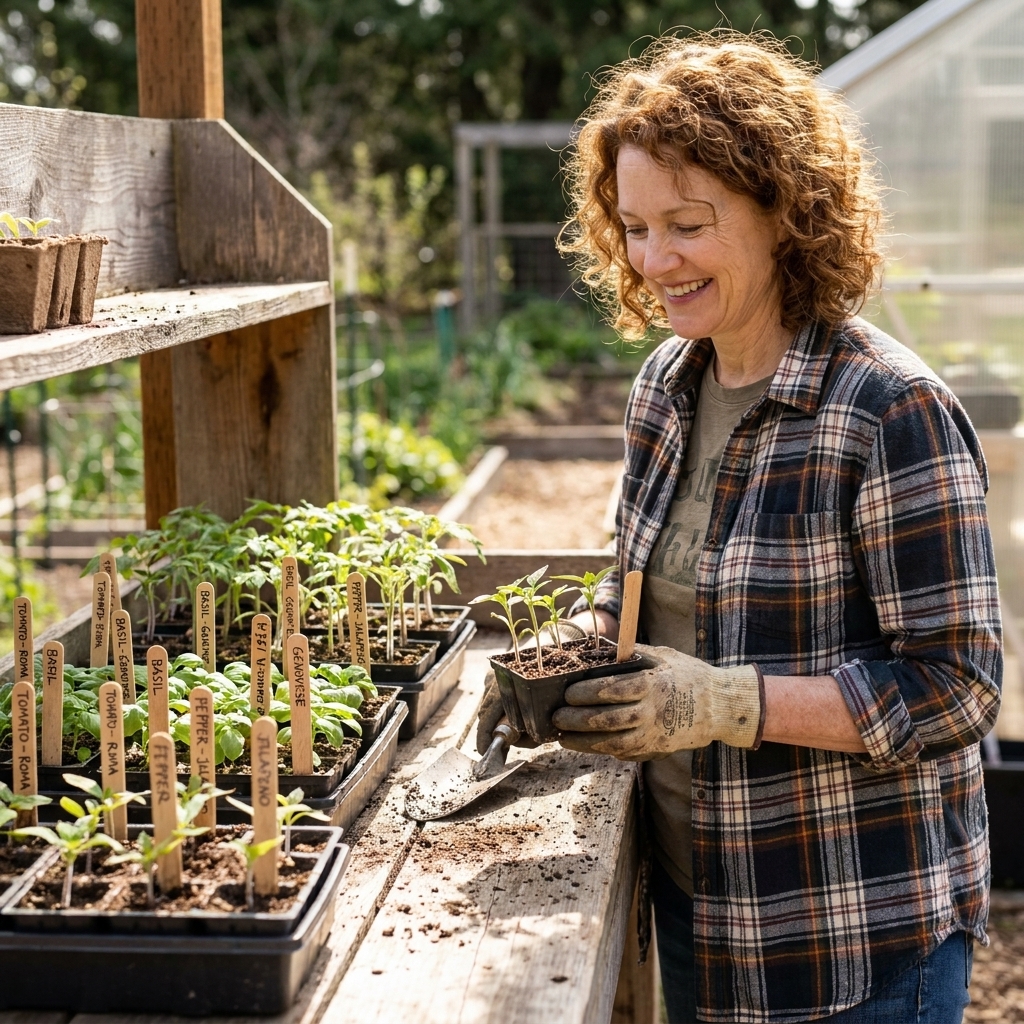
You can build a 4-year rotation a few ways. The simplest is to pick four anchor groups that cover what most of us grow every year. Here is the one I recommend for raised beds because it hits the biggest pest and disease categories without getting overly complicated.
- Group A: Nightshades (tomatoes, peppers, eggplant, potatoes)
- Group B: Brassicas (broccoli, cabbage, kale, radishes, turnips, arugula)
- Group C: Cucurbits (cucumbers, squash, melons, pumpkins)
- Group D: Legumes plus roots and alliums (peas/beans plus carrots and onions/garlic, with a few flexible extras)
That last group is the “miscellaneous but compatible” bed. It works because:
- Legumes are typically lighter feeders and can precede heavier crops later in the year.
- Roots and alliums are often happier with moderate fertility and soil that is not freshly loaded with manure.
- Many gardeners like dedicating a bed to onions and carrots because they are easy to succession plant and keep tidy.
One quick clarification: “roots” are not one family. Carrots are Apiaceae, beets and chard are Amaranthaceae, and radishes are Brassicaceae. For most home gardens, grouping roots and alliums together is a practical compromise. If you grow a lot of beets and chard, try not to follow chard with beets in the same exact spot, and rotate that little pair within the bed.
If you are a brassica superfan or you grow a lot of onions and garlic, you can absolutely swap the groups around. The key is that nightshades do not follow nightshades, and cucurbits do not follow cucurbits, and brassicas get a break before returning.
Step 3: Map your beds
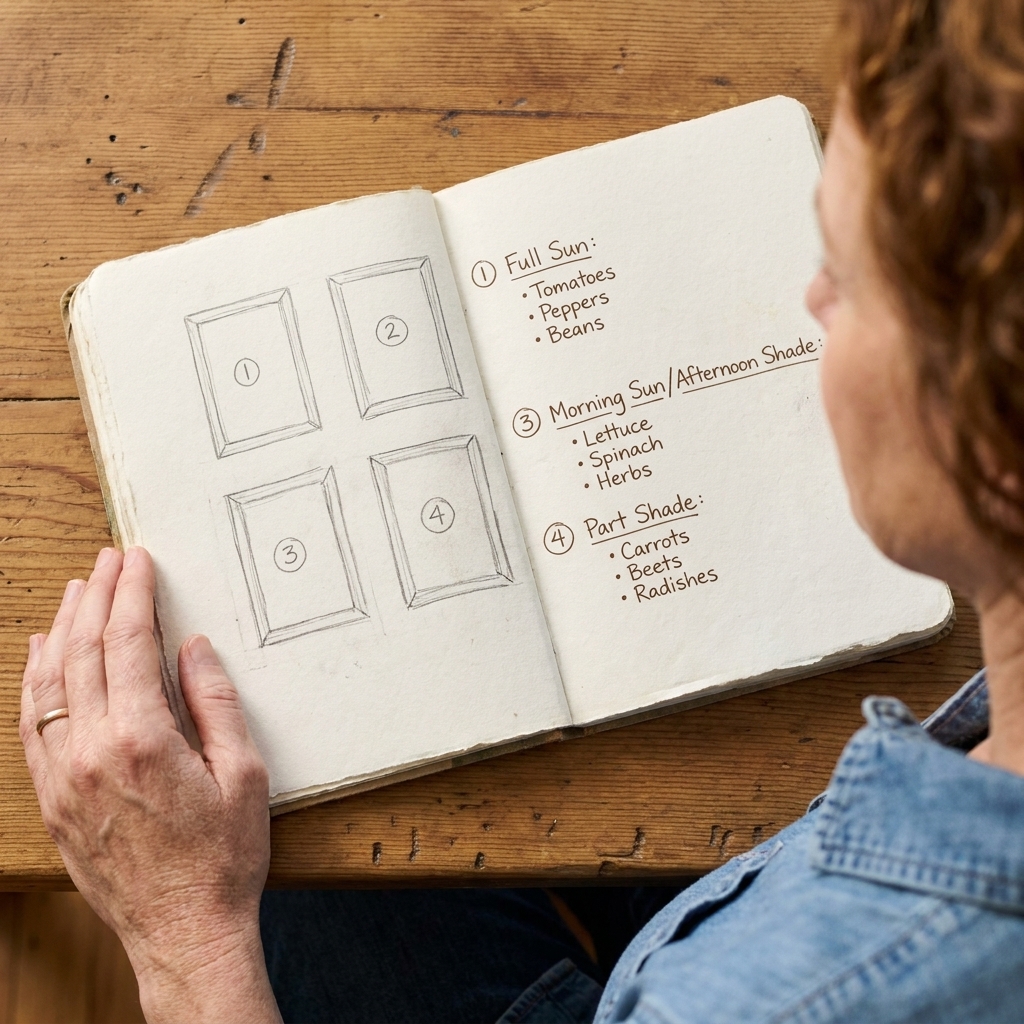
Before you touch a calendar, sketch your actual beds. I do this on a scrap of paper I can spill coffee on.
- Number each bed (Bed 1, Bed 2, Bed 3, Bed 4).
- Note sun and shade patterns (the bed by the fence might lose an hour of light).
- Note permanent structures (trellises, cattle panels, hoops).
- Write down anything you refuse to move (perennial herbs, strawberries, asparagus).
Rotation is a tool, not a moral test. If your cucumber trellis is bolted to Bed 3, then Bed 3 might become your “climbing crop” bed and you rotate within it by sections, or you rotate everything else around it. The goal is better soil and fewer problems, not perfection.
4-year rotation calendar
Here is what a classic 4-bed, 4-year rotation looks like using the four groups above. Each year, every group moves to the next bed.
Year 1
- Bed 1: Nightshades
- Bed 2: Brassicas
- Bed 3: Cucurbits
- Bed 4: Legumes + roots + alliums
Year 2
- Bed 1: Brassicas
- Bed 2: Cucurbits
- Bed 3: Legumes + roots + alliums
- Bed 4: Nightshades
Year 3
- Bed 1: Cucurbits
- Bed 2: Legumes + roots + alliums
- Bed 3: Nightshades
- Bed 4: Brassicas
Year 4
- Bed 1: Legumes + roots + alliums
- Bed 2: Nightshades
- Bed 3: Brassicas
- Bed 4: Cucurbits
In Year 5, you are back to Year 1. That is the beauty of it.
Where greens and herbs fit
This is where real-life gardening shows up, muddy boots and all. Not everything fits neatly into four boxes, especially if you succession plant.
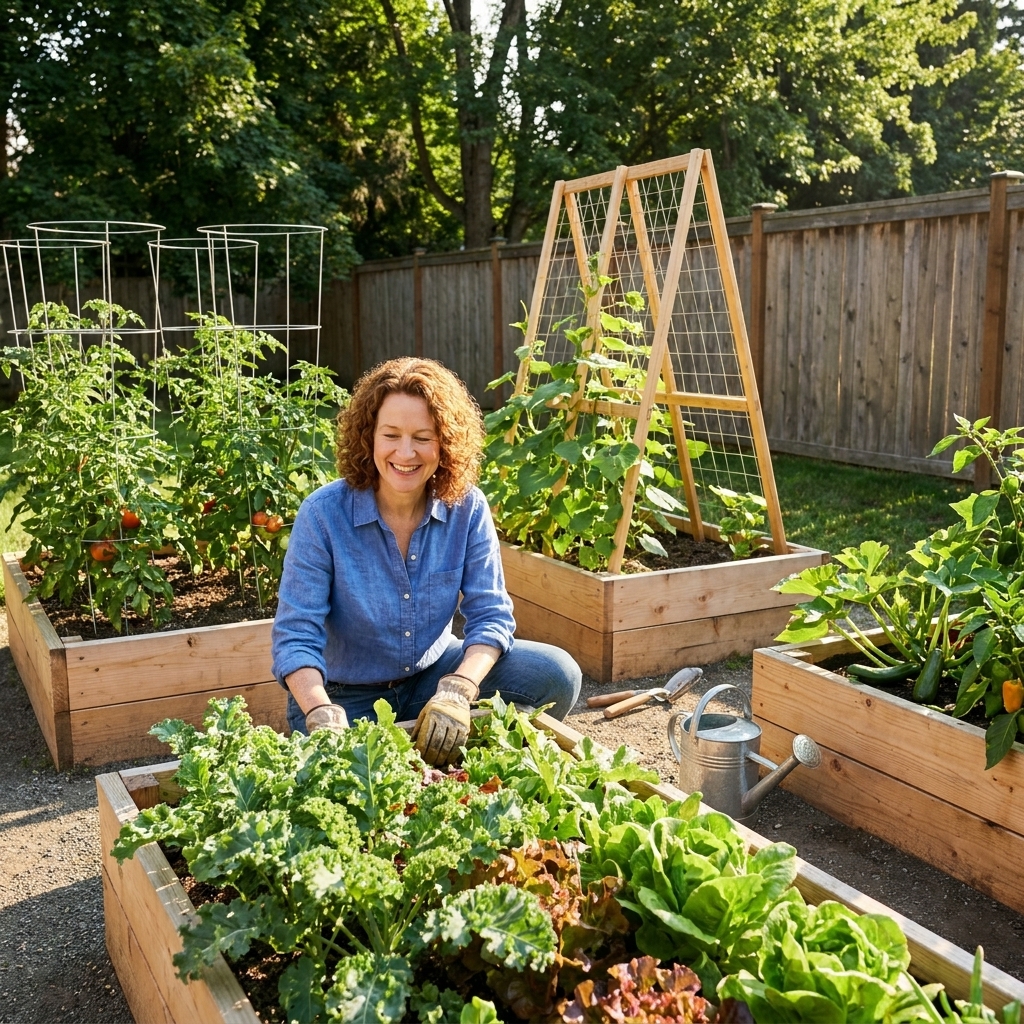
- Lettuce and spinach: I treat as short-season gap fillers. Slot them in wherever there is space, especially early spring before warm-season crops go in, or in late summer as a bridge into fall.
- Swiss chard: Can sit in many places, but I usually avoid following it with beets since they are close relatives (both are in the amaranth family).
- Basil: I like basil with tomatoes, so it rides along in the nightshade bed. You can rotate basil too, but it is not usually the troublemaker.
- Perennial herbs: Keep them out of the rotation. Put them in a dedicated corner bed, pots, or a permanent strip along the edge.
Fewer than four beds?
Most of us start with two beds and big dreams. You can still rotate. You just rotate by sections or use a shorter cycle and make it as wide as possible.
If you have 1 bed
Do a mini rotation by bed quadrants. Divide the bed into four sections (even if only on paper). Each year, shift nightshades, brassicas, cucurbits, and legumes/roots into a new quadrant. This helps more than you would think, especially for disease prone crops like tomatoes.
If you have 2 beds
Split each bed in half or into thirds. Rotate groups between halves year to year. Another good approach is:
- Bed A: fruiting crops (nightshades + cucurbits)
- Bed B: non-fruiting crops (brassicas + roots + alliums + greens + legumes)
Then swap categories the next year. It is not perfect, but it still breaks pest cycles and helps you manage fertility.
If you have 3 beds
Use a 3-year rotation and keep nightshades from repeating in the same bed. For example:
- Bed 1: Nightshades
- Bed 2: Brassicas
- Bed 3: Cucurbits + legumes/roots mixed
Next year, shift everything forward. If possible, keep potatoes separate from tomatoes within the nightshade year, since both can share blight pressure.
If you have 5+ beds
Congratulations, you are going to have fun with this. You can:
- Give alliums their own bed.
- Separate potatoes from tomatoes and peppers.
- Add a dedicated restorative bed with legumes and cover crops.
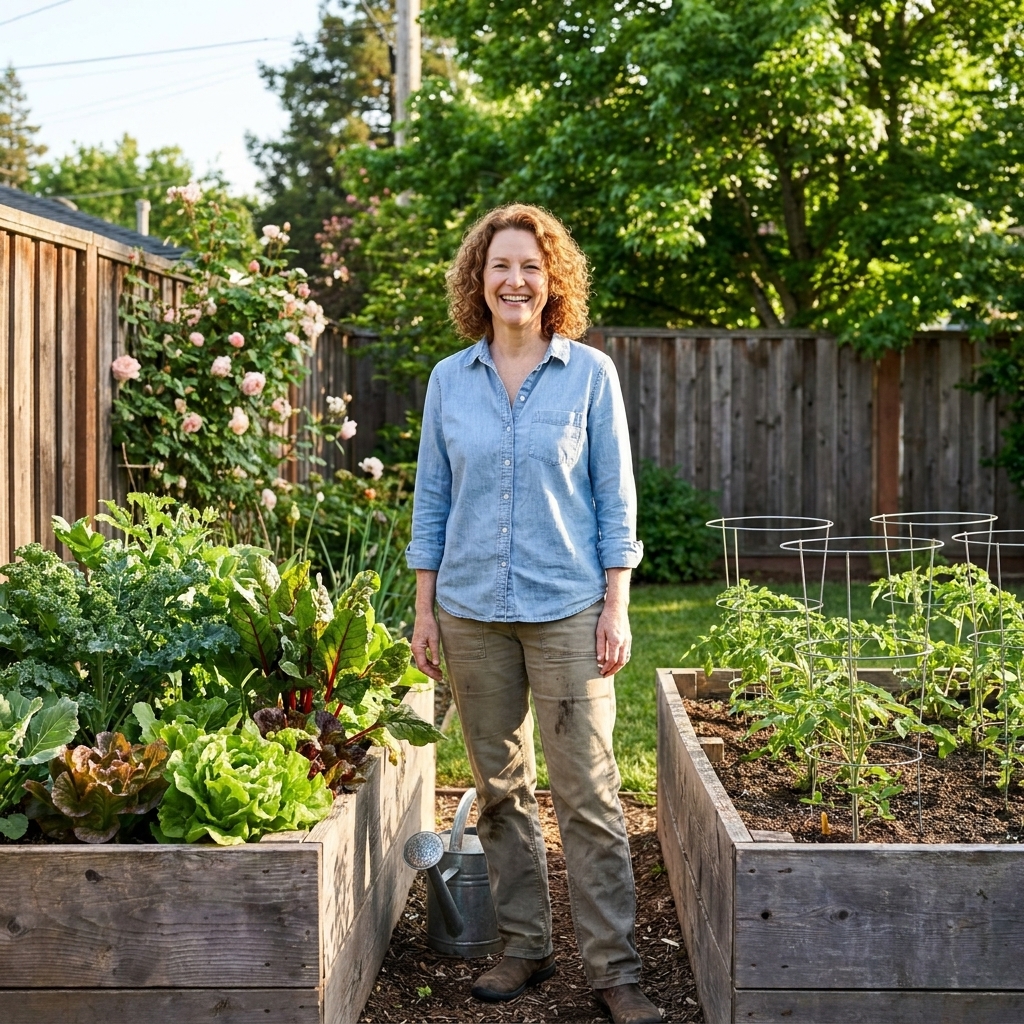
Step 4: Plan by seasons
A rotation plan tells you what family goes where for the year. A calendar tells you what happens within the year.
Here is a simple way to think about it for each bed:
- Cool season slot: early spring crops (peas, spinach, lettuce, radishes, brassicas depending on your climate)
- Warm season slot: summer crops (tomatoes, peppers, cucumbers, squash, beans)
- Fall slot: late summer plantings for fall harvest (kale, cabbage, carrots, beets, lettuce)
- Winter slot: garlic, cover crops, or mulch
Example: If Year 1 Bed 2 is your brassica bed, you might start with spinach and radishes, then transplant broccoli and cabbage, then follow with fall kale. That is still “brassicas” as the main family for the bed’s identity that year, even if you sneak in a few quick greens as bookends.
Step 5: Amend the soil
Rotation helps prevent depletion, but it does not magically add nutrients. In raised beds, I like to amend based on what is coming next.
- Before nightshades: add compost, then a balanced organic fertilizer if needed (especially if your tomatoes tend to look pale midseason). Tomatoes also love consistent calcium and even watering to reduce blossom end rot.
- Before brassicas: brassicas appreciate rich soil. Compost plus a nitrogen-forward organic amendment often helps for leafy growth. Keep an eye on pH if you have had clubroot issues in the past.
- Before cucurbits: compost and steady moisture are the big wins. Consider a thick mulch once soil warms.
- Before legumes and roots: go lighter on fresh manure or high-nitrogen amendments. Too much nitrogen can give you beautiful bean leaves and fewer pods, and it can cause forked carrots.
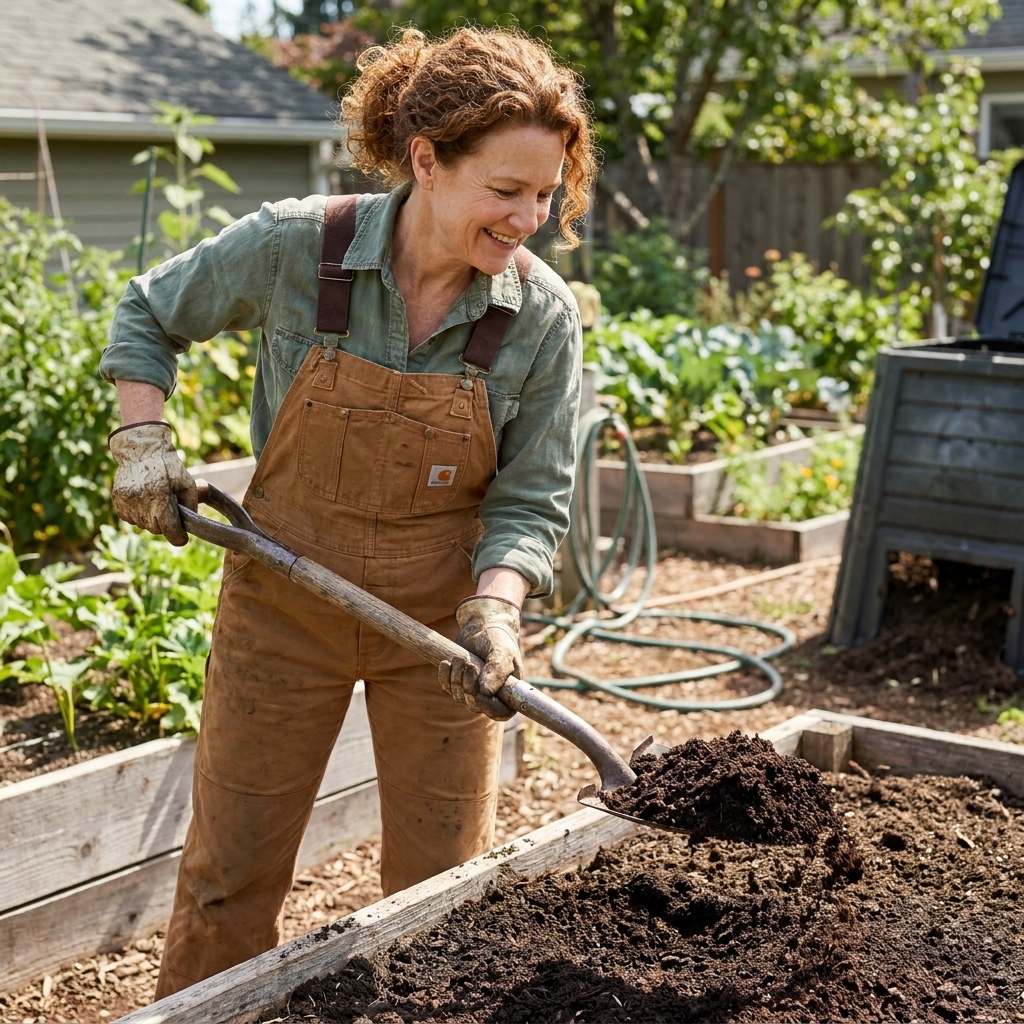
My simple yearly routine: top-dress with about 1 inch of finished compost across every bed in spring, then use targeted amendments depending on the crop group. If your beds are already heaped high, go thinner. The goal is a steady top-up, not a soil level that climbs into the stratosphere.
Common rotation mistakes
- Mistake: Rotating by crop name instead of family. Fix: Keep tomatoes, peppers, eggplant, potatoes together as “nightshades.”
- Mistake: Forgetting volunteers count. Fix: Pull volunteer tomatoes or squash in beds where that family is not scheduled, especially if disease has been present.
- Mistake: Leaving diseased plant debris. Fix: Remove and discard (do not compost) heavily diseased foliage to reduce carryover pressure.
- Mistake: Trying to rotate perennials. Fix: Give perennials permanent homes and rotate annual vegetables around them.
- Mistake: Overcomplicating it. Fix: Four groups, one sketch, one note each year. Done.
Track it in your journal
I keep this as a quick annual entry so I can see the pattern at a glance:
- Year: 2026
- Bed 1: Nightshades (tomatoes, peppers)
- Bed 2: Brassicas (broccoli, kale)
- Bed 3: Cucurbits (cucumbers, zucchini)
- Bed 4: Legumes/roots/alliums (peas then carrots, onions)
- Notes: pest issues, disease sightings, what yielded best, what flopped
Those notes matter. If you had squash vine borers (lucky you), you might give cucurbits an even longer break or grow them in a different area with row cover early on.
FAQ
Do I really need four years?
Four years is a sweet spot for home gardens because it gives most pests and pathogens a meaningful break. If you only have space for a shorter rotation, do what you can and lean harder on good sanitation, compost, mulch, and resistant varieties.
Can I rotate within one large bed?
Yes. Divide it into four zones and rotate families through the zones each year. In a tight raised bed garden, even moving a family a few feet can help a bit, but it is not a force field. The bigger wins come from multi-year breaks, removing diseased debris, and keeping volunteers under control.
What about cover crops?
If you have a bed that finishes early (garlic harvest in midsummer is a classic example), cover crops are a wonderful addition. Buckwheat is great for a fast summer window. For fall, oats and field peas can work well in many regions where they will winterkill, and winter peas are a better bet where you want an overwintering legume. Just be sure you have time to cut them down before they set seed.
Should I rotate flowers too?
Annual flowers can move wherever you have space. I do like to avoid planting the same species in the same spot if it had major disease issues, but it is not as critical as rotating vegetables by family.
The takeaway
If you do nothing else this week, grab a pen and label your beds 1 through 4. Pick your four crop groups. Then write Year 1 next to them and decide where tomatoes will go. Once that first year is on paper, the next three practically write themselves.
Crop rotation is one of those quiet gardening habits that pays you back every season. Healthier soil, fewer pests, better yields, and a lot less head scratching when something looks off. And if you ever get lost, just remember the rule I repeat to myself every spring: do not let cousins move back into the same house too soon.