Veg Loom
Soil Health & Plant Care
Expert advice on soil preparation, composting, watering techniques, and organic pest management.
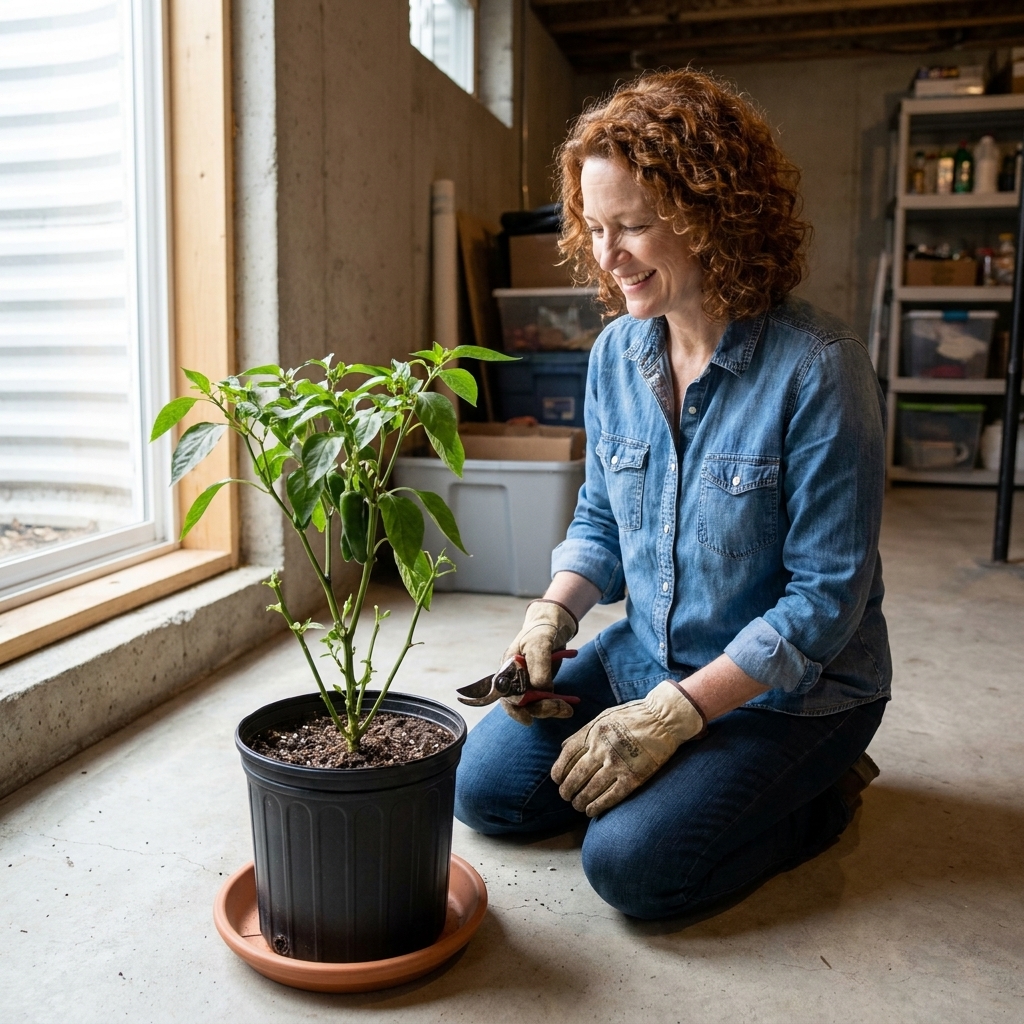
How to Overwinter Pepper Plants
If you have a pepper plant that’s finally hitting its stride right when frost shows up, I’ve got good news: peppers are short-lived, tender perennials in warm, frost-free climates. In most places that get winter freezes, we grow them as annuals, but you can absolutely overwinter your favorites...
Read more →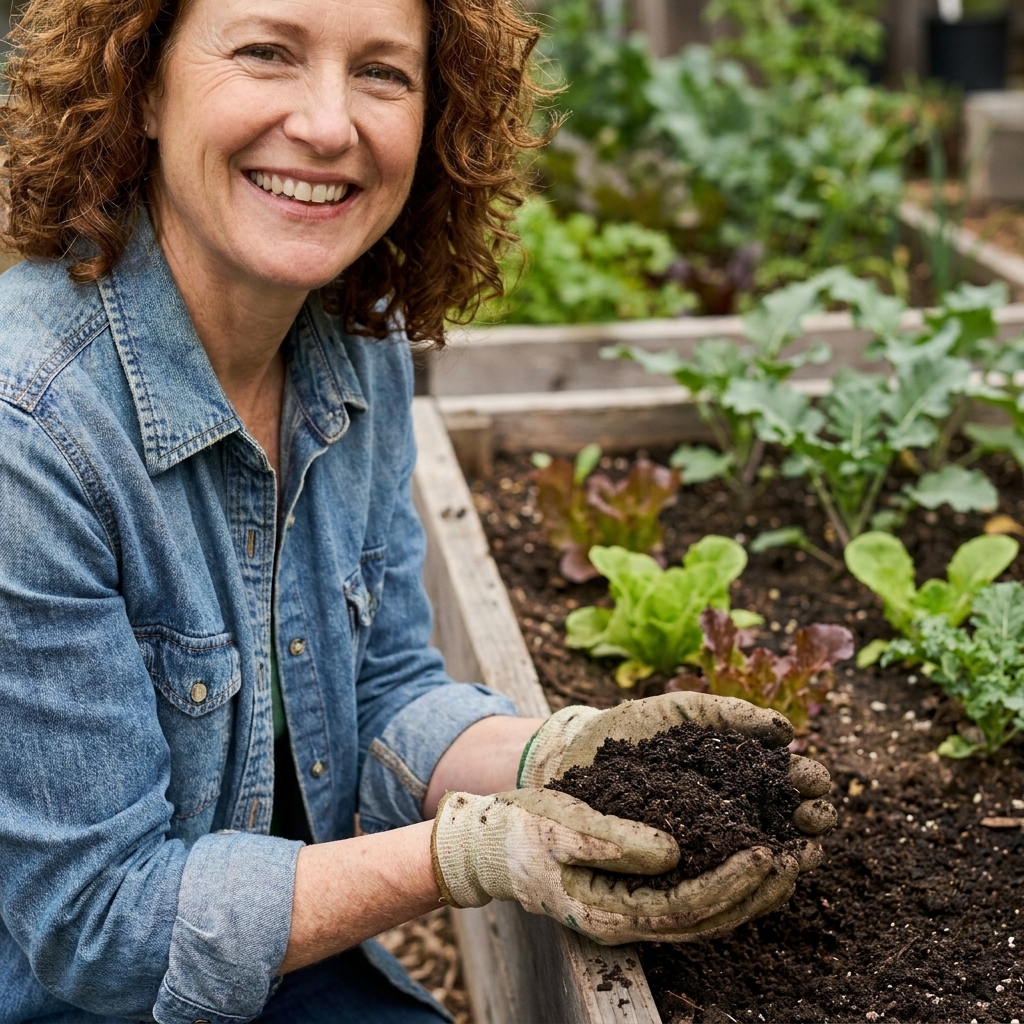
Worm Castings for Herbs and Vegetables
If you have ever wished you could fertilize your basil, tomatoes, and salad greens without playing the game of “Will this burn my plants?”, worm castings are your new best friend. Castings are basically the end result of worms doing what they do best: turning kitchen scraps and bedding into a dark,...
Read more →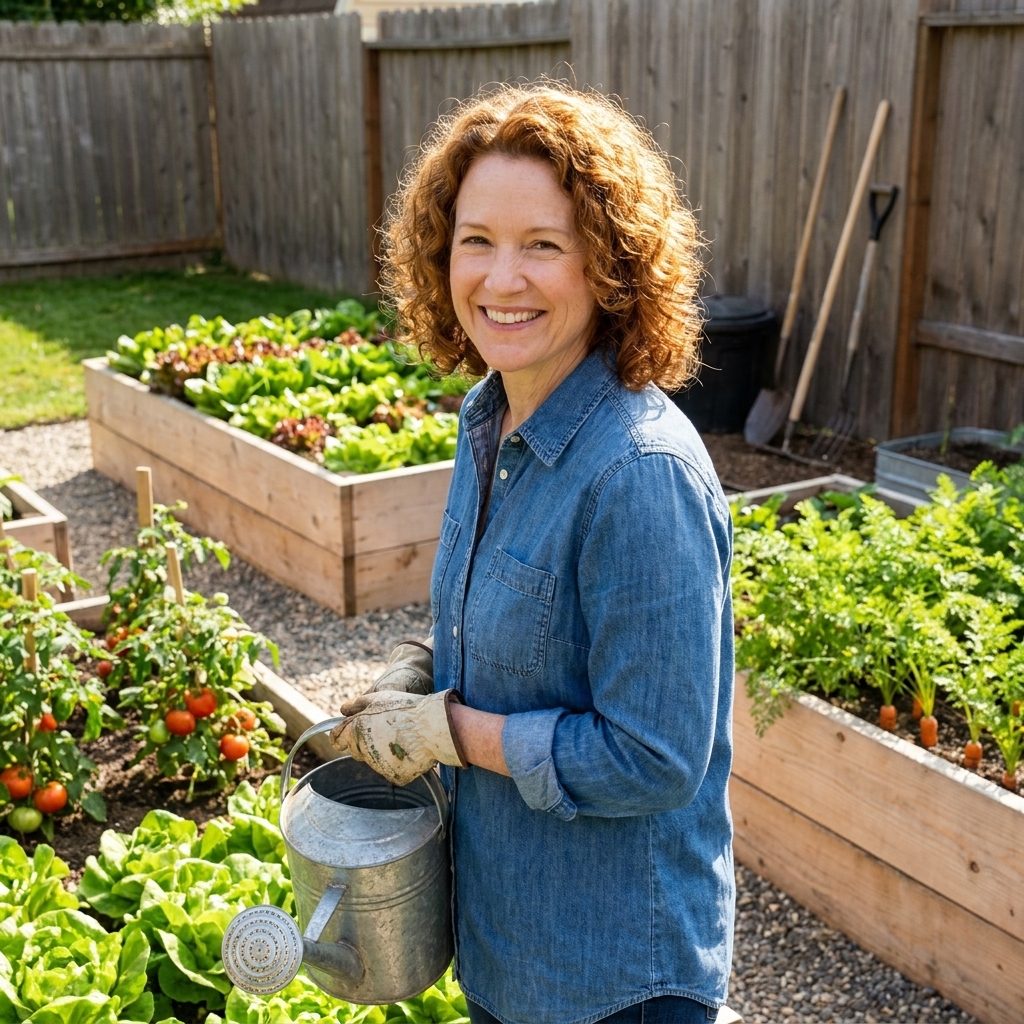
Crop Rotation to Prevent Soil-Borne Diseases
When I first started gardening in raised beds, I thought crop rotation was a “big farm” thing. Then I met my first truly stubborn soil-borne problem: tomatoes that kept wilting in the same bed year after year no matter how much compost I pampered them with. Rotation did not fix everything...
Read more →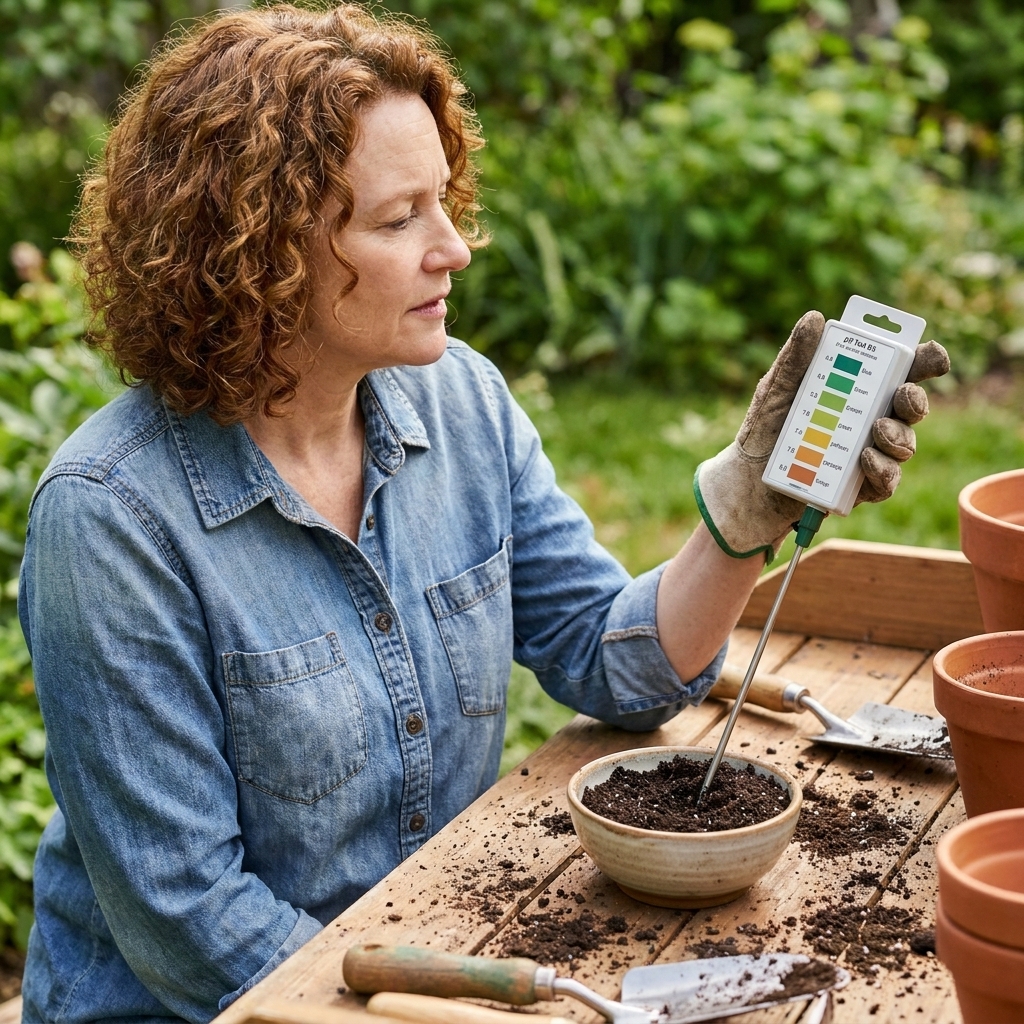
Test and Adjust Soil pH for Better Vegetable Harvests
I learned the hard way that “good soil” is not just about compost and mulch . When my first yard turned out to be stubborn, dense clay , I built raised beds and piled in organic matter like it was my job. The plants looked fine at first, but my peppers stayed small, my beets were sad, and my beans...
Read more →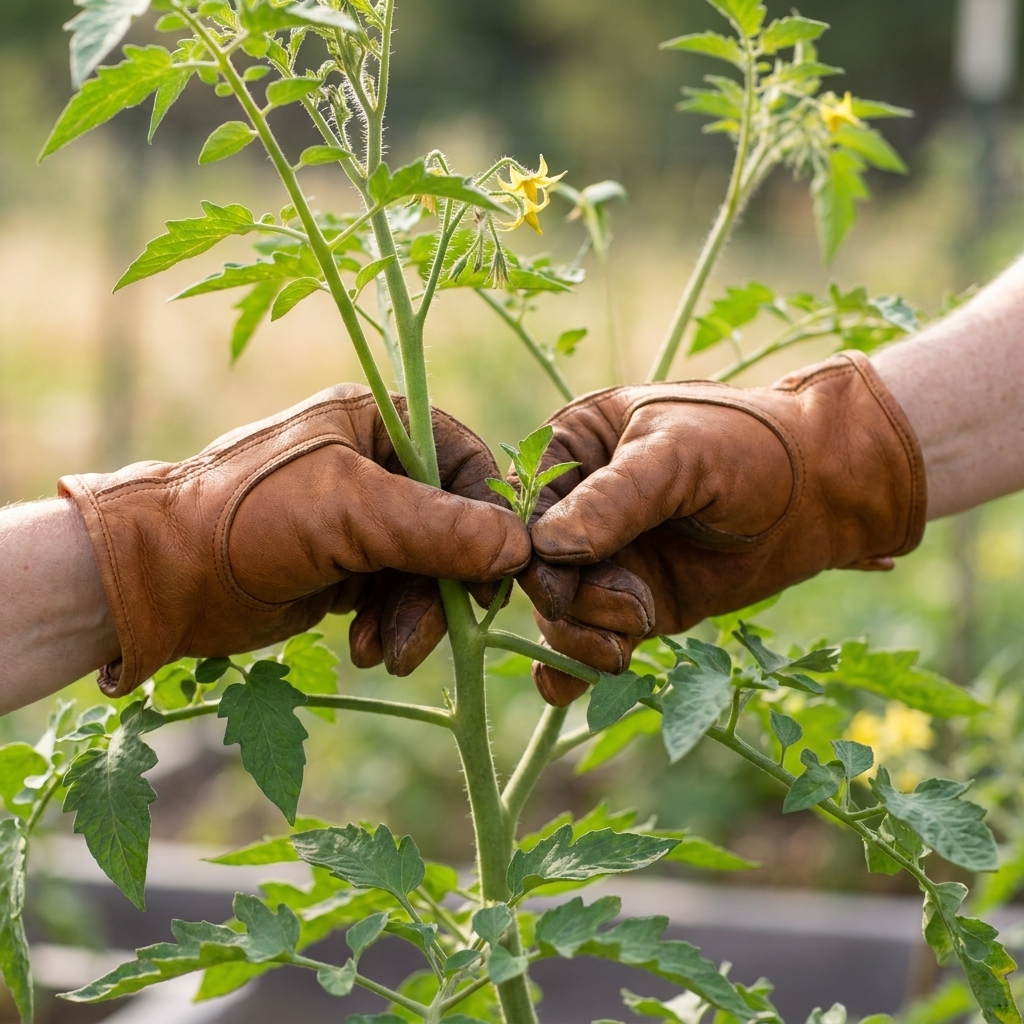
How to Prune Indeterminate Tomatoes for Healthy Plants and Great Yields
If you have ever stood in front of a thriving indeterminate tomato plant and thought, This looks like a small jungle , you are not alone. Indeterminate tomatoes want to grow forever, in every direction, and they are very good at it. The trick is guiding that energy into a plant you can support,...
Read more →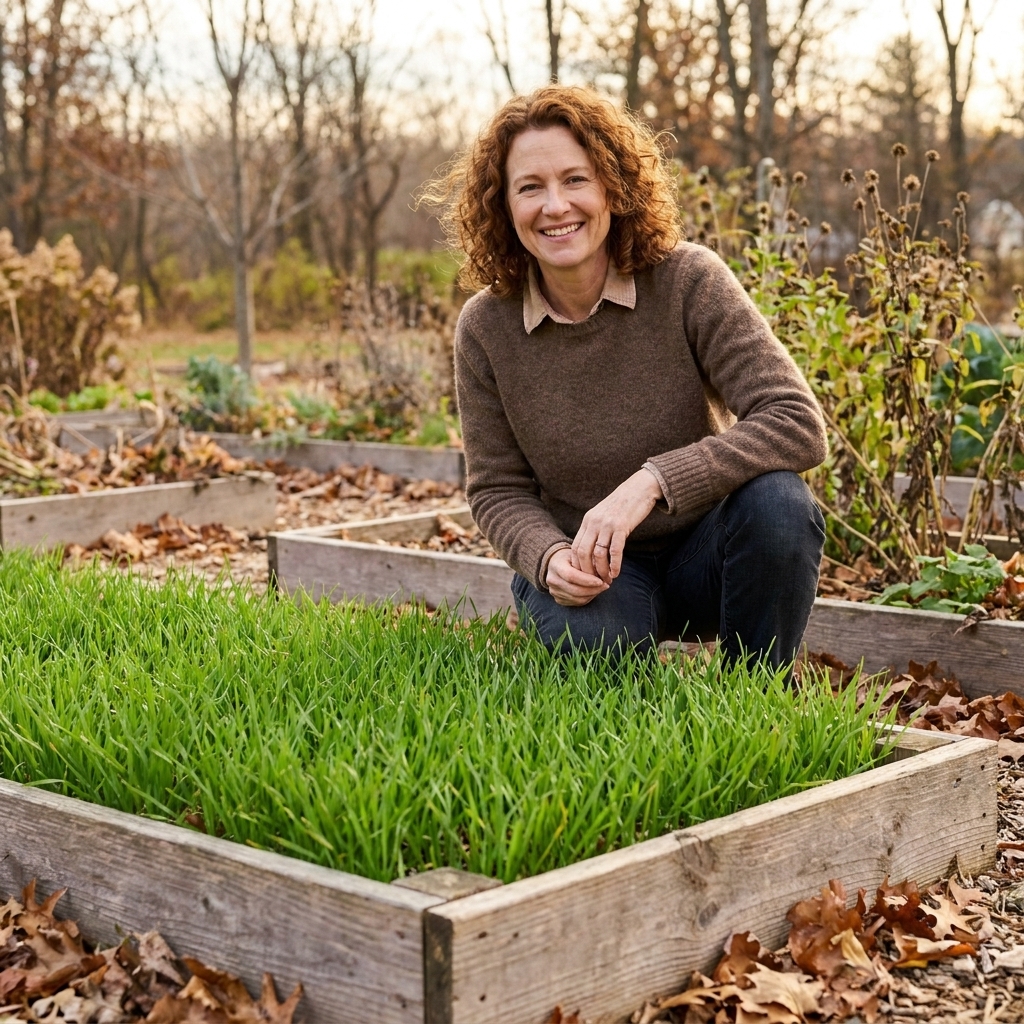
Winter Cover Crops for Healthier Soil
If your winter beds are sitting bare, your soil is basically standing outside without a coat. Rain can wash away the good stuff, wind can dry and crust the surface, and spring weeds move in like they pay rent. Cover crops are my favorite low drama fix: you plant them in fall, they protect and feed...
Read more →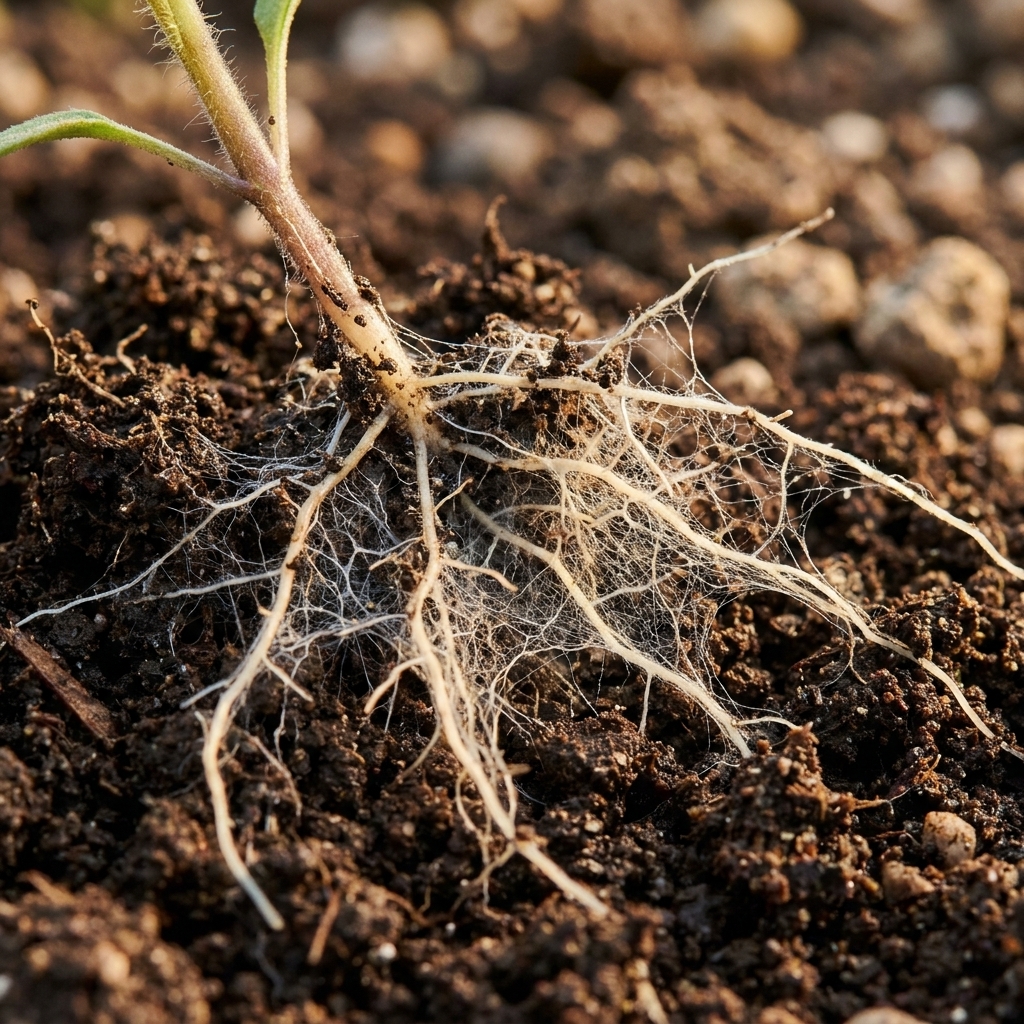
Mycorrhizal Fungi Explained
The first time I heard someone say “just add mycorrhizae,” I pictured a magic powder that would fix every garden problem, including my stubborn clay soil and my habit of forgetting to water in August. The truth is more grounded and way more interesting. Mycorrhizal fungi are beneficial soil fungi...
Read more →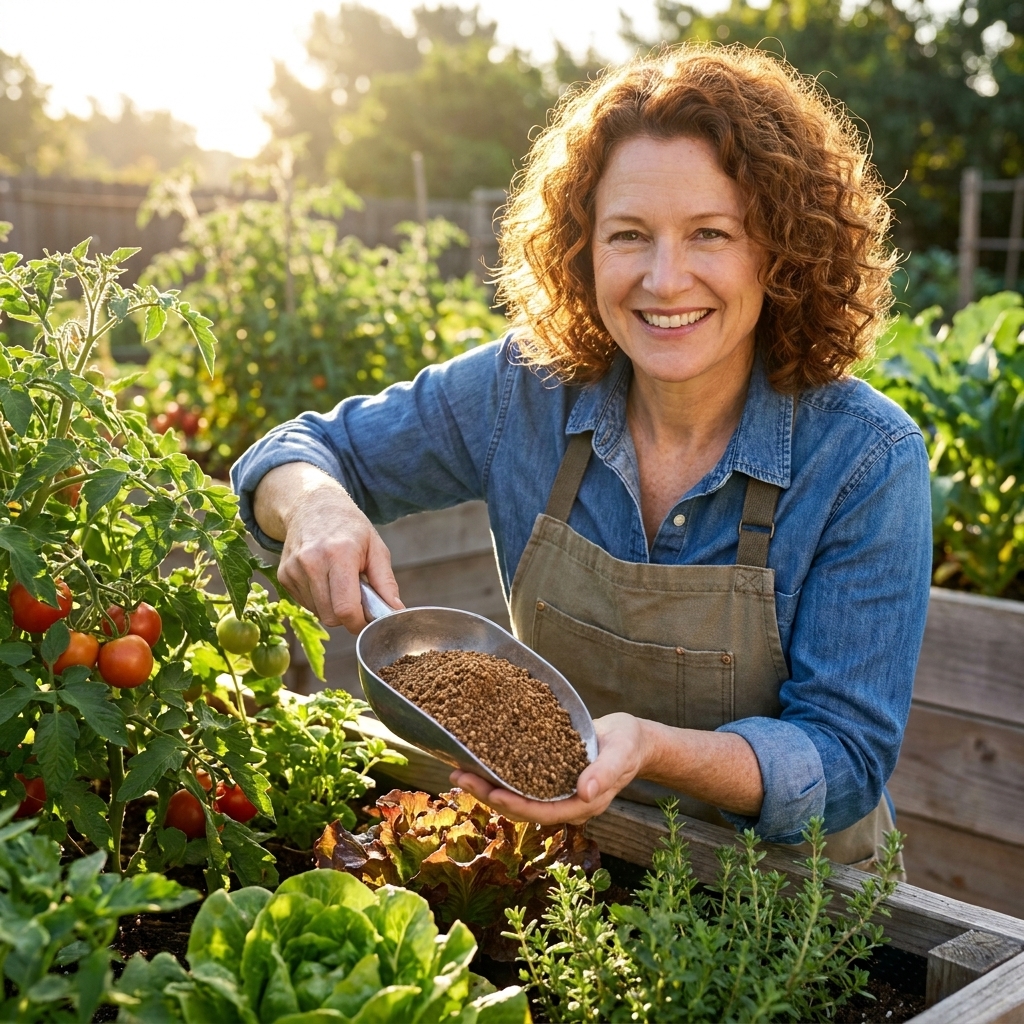
Granular vs. Liquid Organic Fertilizers for Vegetables
I have fed vegetables in just about every way you can imagine, including a few experiments I will not repeat. Here is the honest truth from the raised-bed trenches: granular organic fertilizers are often your steady, slow pantry , while liquid organic fertilizers are often your quick, targeted...
Read more →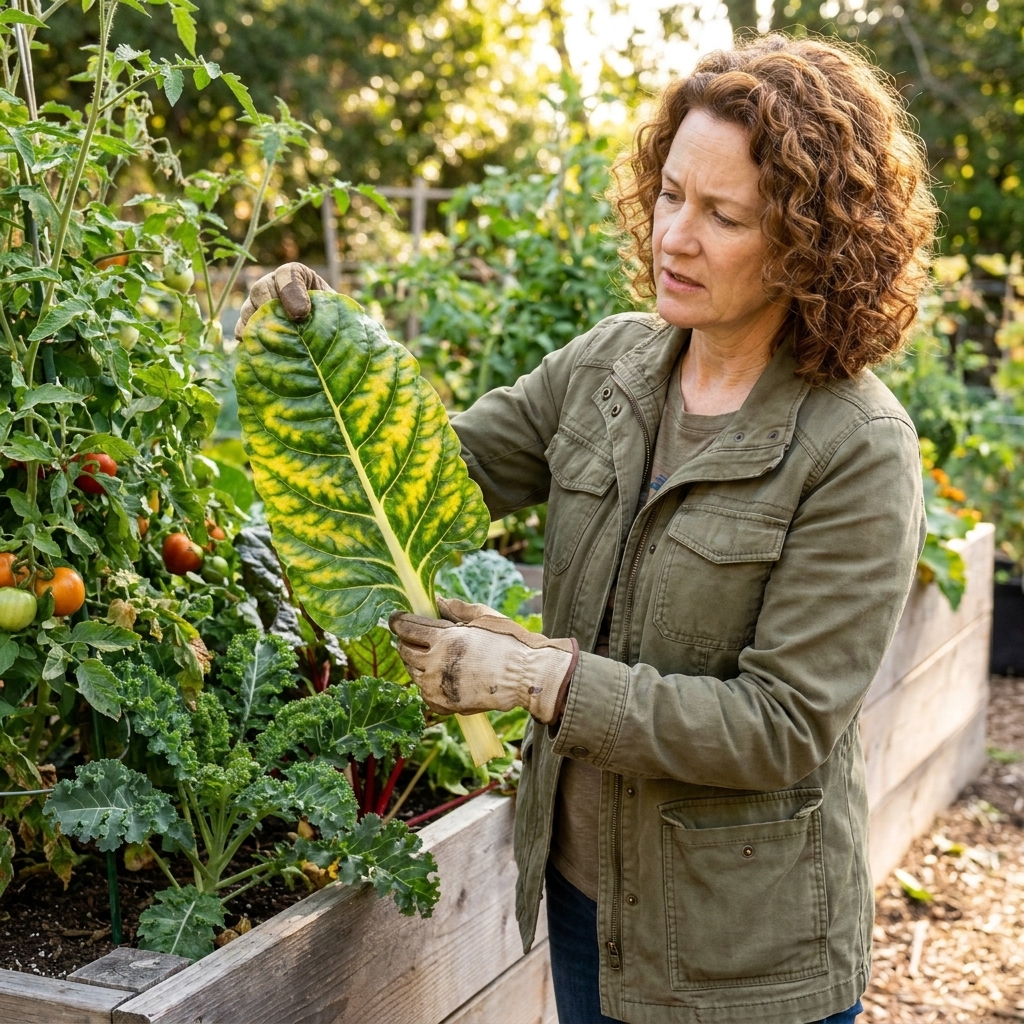
7 Common Vegetable Nutrient Deficiencies (and Natural Fixes)
I learned this lesson the hard way in my first clay yard. I planted tomatoes with sky-high hopes, then watched them stall out, yellow, and generally act offended. It was not a mysterious “bad gardener” curse. It was nutrition, plus watering, plus soil structure all tangled together. The good news...
Read more →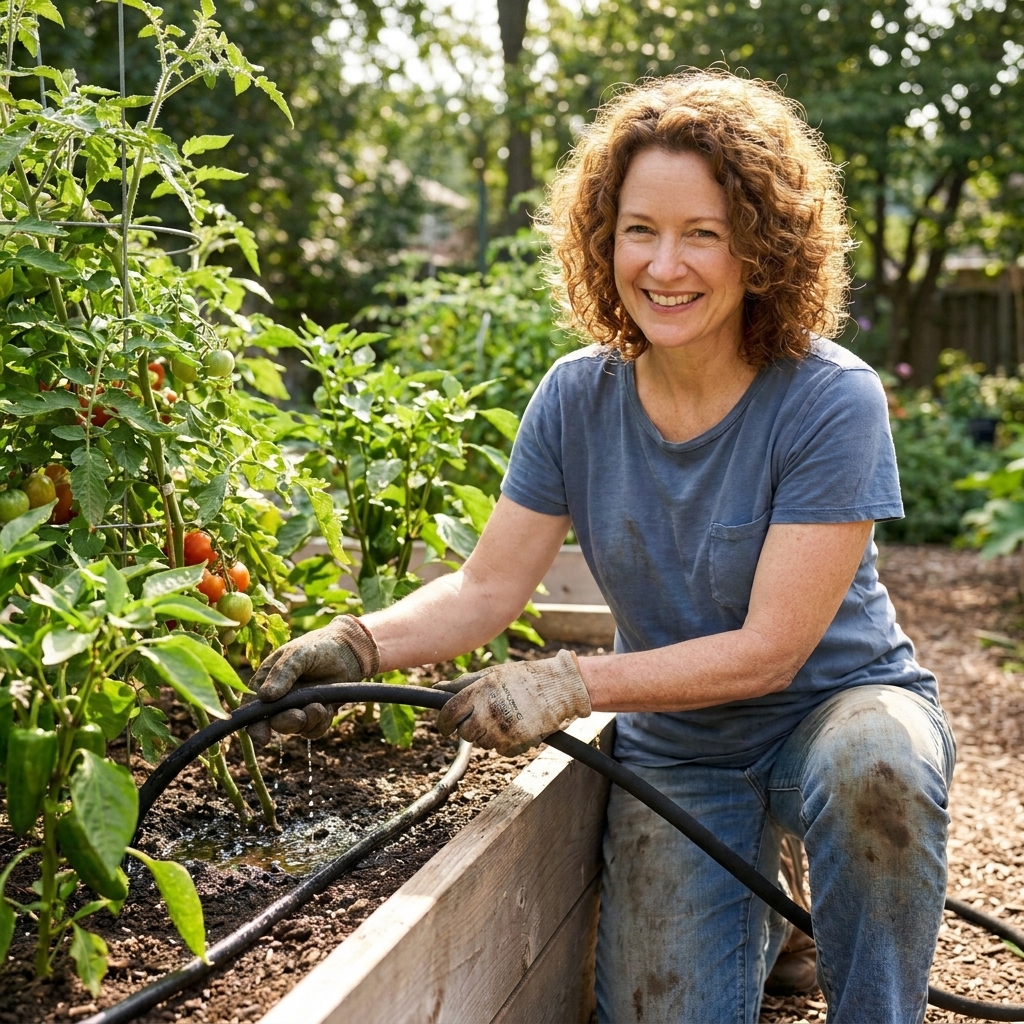
Deep Watering Techniques for Summer Veggies
I grew up thinking “more water” was always the answer. Then I bought my first house, met my yard’s brick-hard clay soil, and learned a humbling truth: watering often is not the same as watering well . In summer, shallow daily sprinkles can train vegetable roots to stay near the surface where soil...
Read more →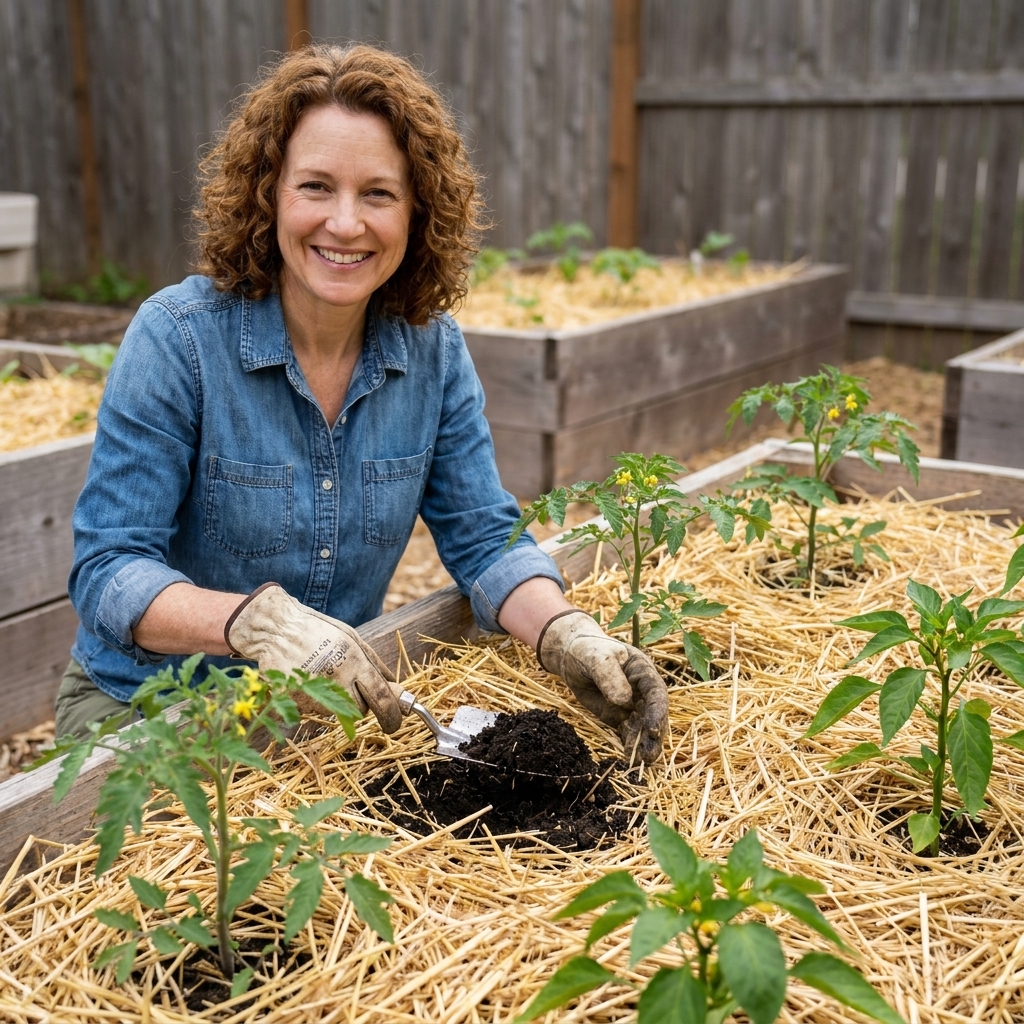
Best Mulches for Vegetable Gardens
If you have ever watered in the morning and watched your garden look thirsty again by dinner, mulch is the quiet little miracle you are missing. A good mulch does three big jobs in a vegetable garden: it shades the soil so moisture sticks around, it blocks light from reaching weed seeds, and it...
Read more →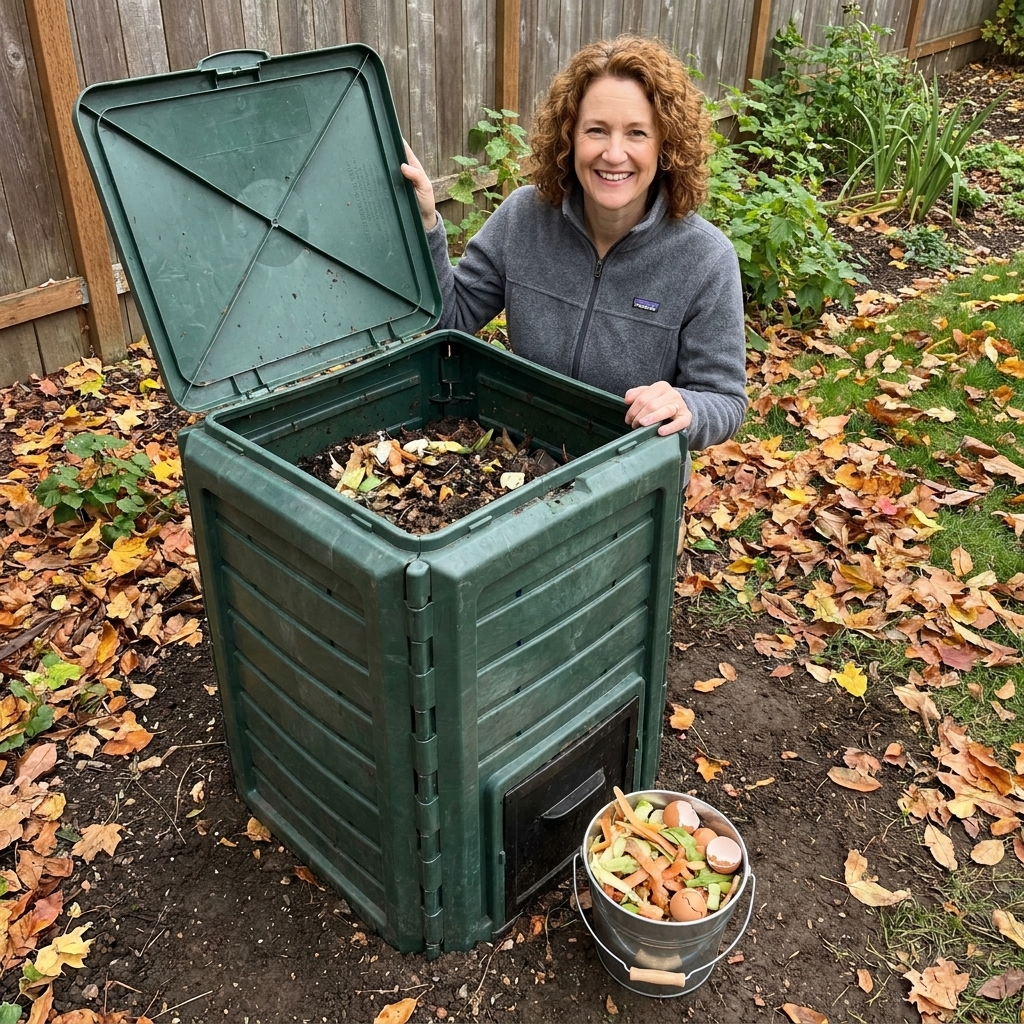
Beginner Compost for Vegetable Gardens
The first time I made compost on purpose (not the accidental “mystery pile” behind the shed), I was trying to tame a stubborn patch of clay soil. I wanted that dark, crumbly stuff gardeners brag about. What I got was a wet, sour mess that attracted flies and absolutely did not smell like success....
Read more →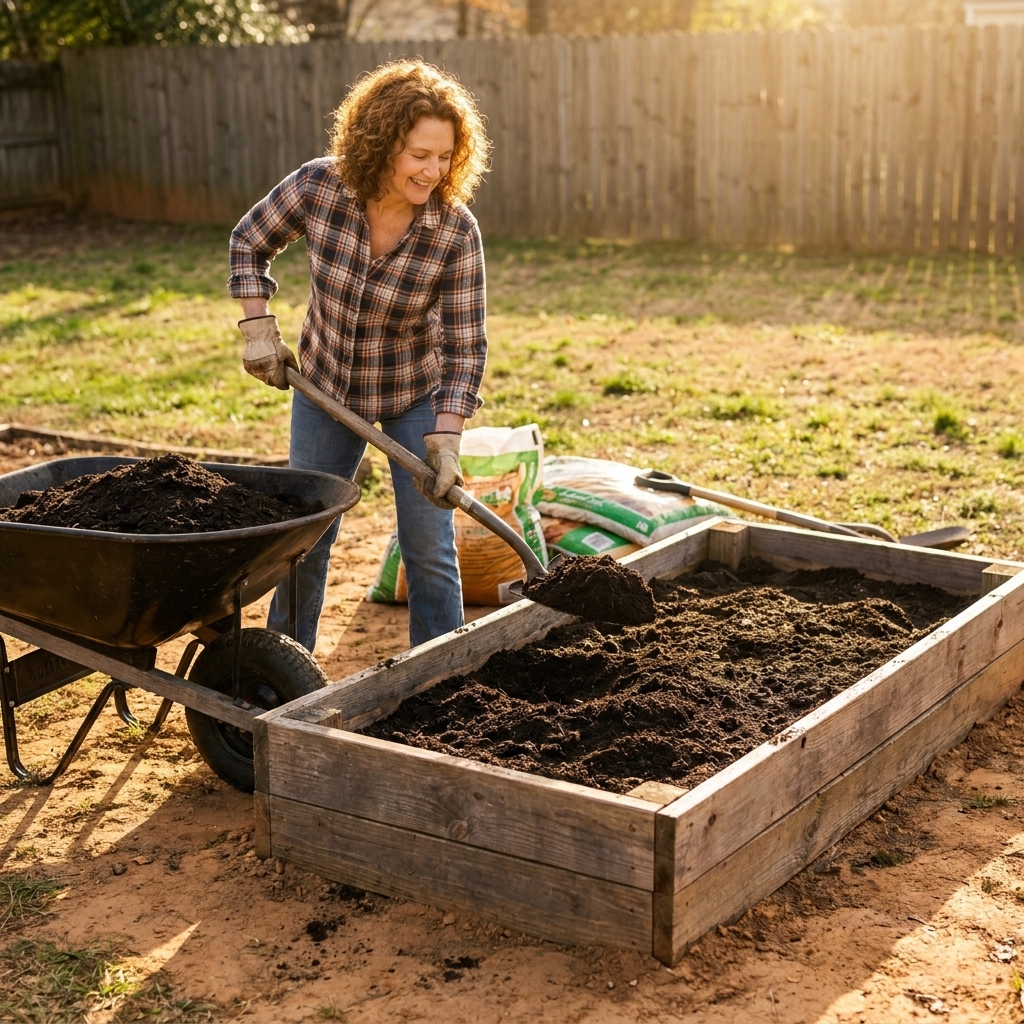
Amending Heavy Clay Soil for Raised Bed Vegetables
If your yard soil is the kind that clings to your boots like peanut butter and bakes into bricks by July, welcome to the heavy clay club. I started there too, staring at a backyard that looked like it should come with a pottery wheel. The good news is this: clay is not “bad” soil. It is just tight...
Read more →