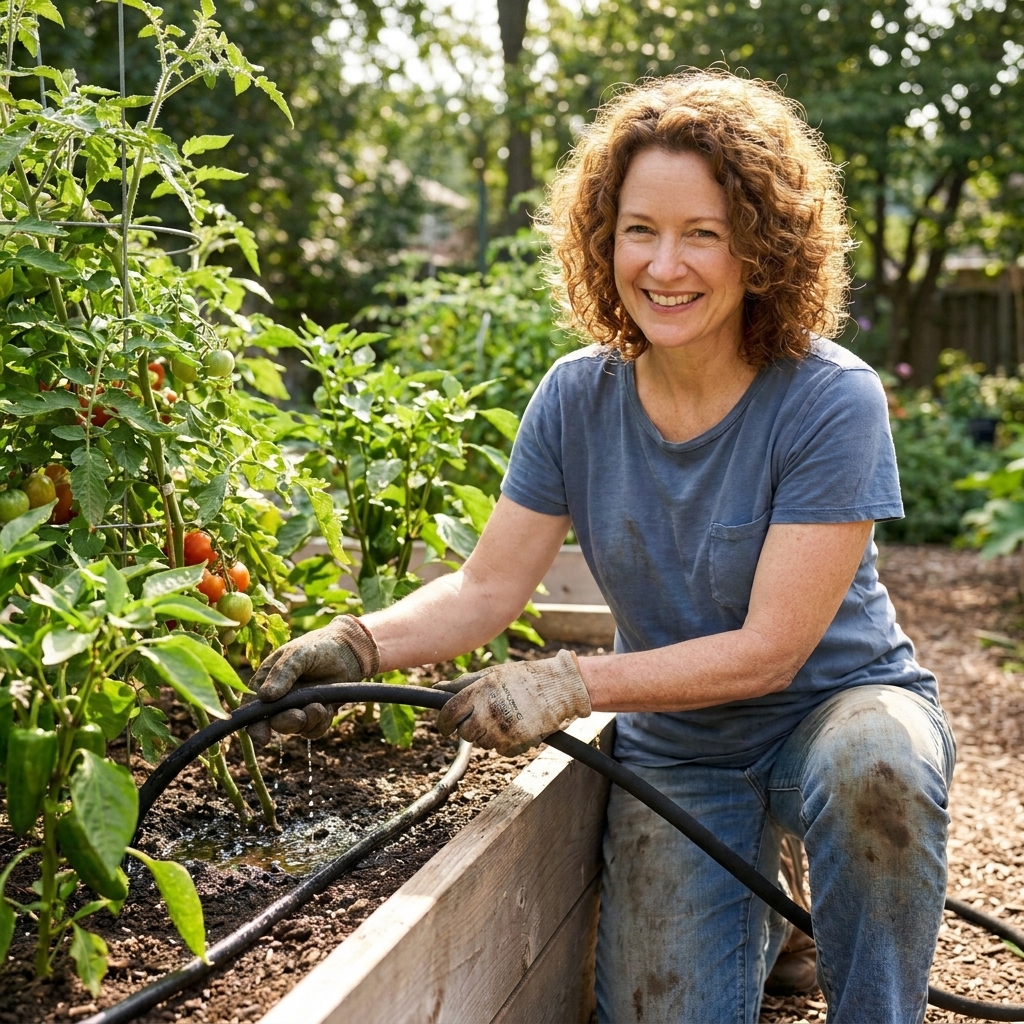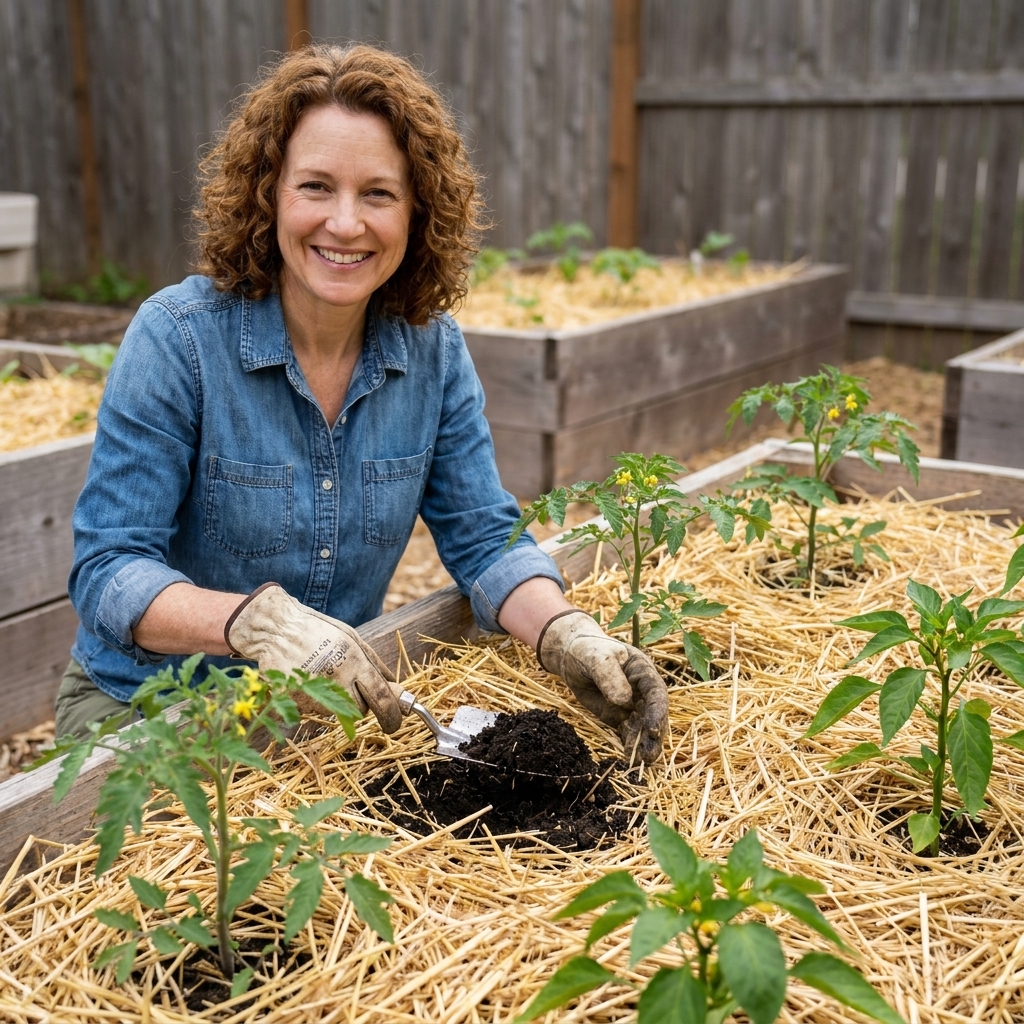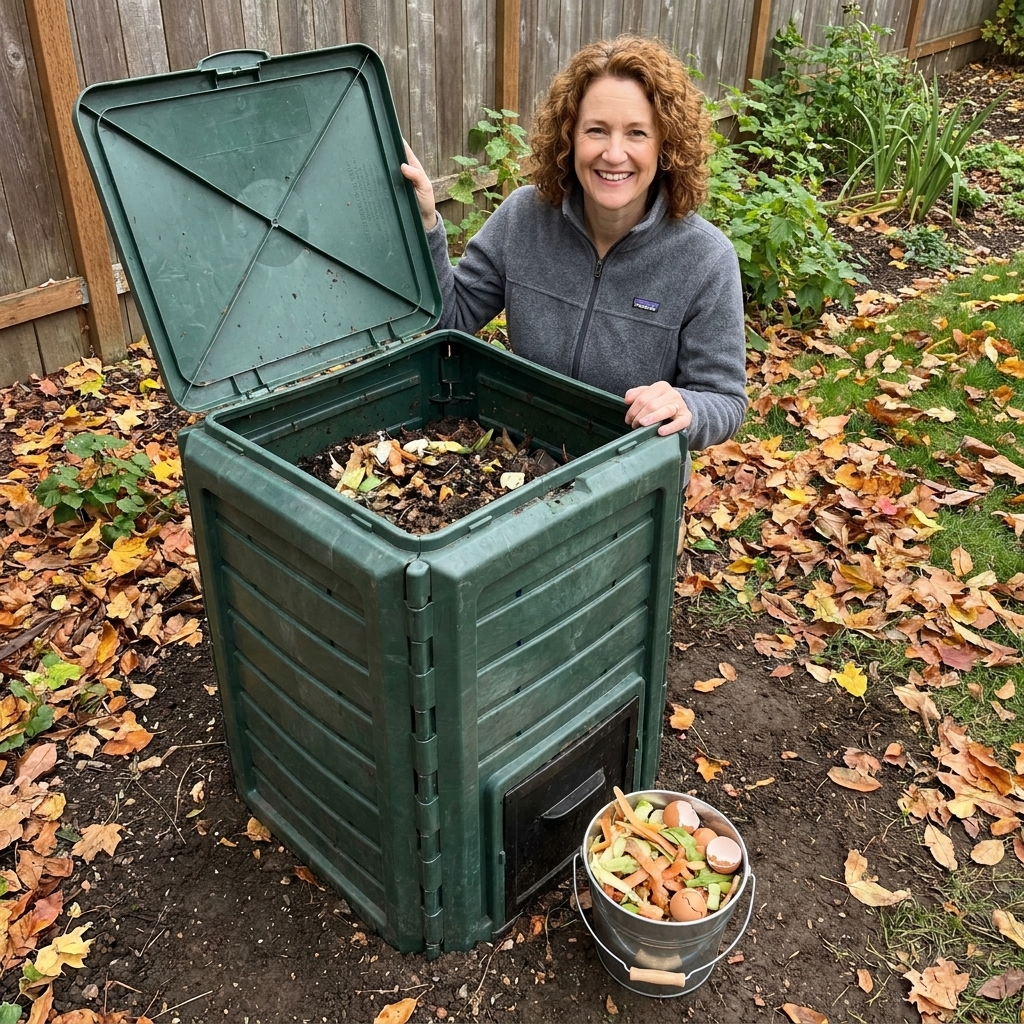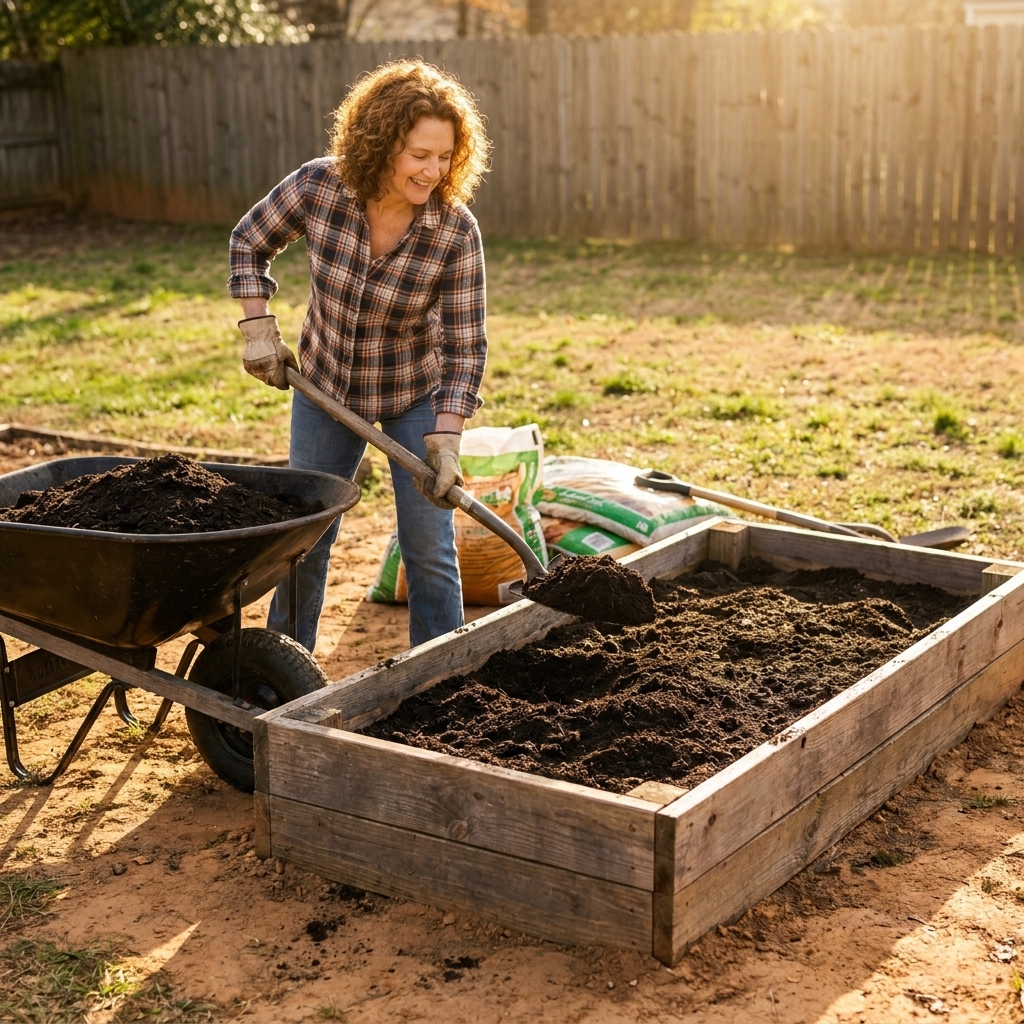
Practical steps to loosen heavy clay, improve drainage, and build fertile raised bed soil with compost and other organic amendments so vegetables can thrive.
Veg Loom
October 17, 2026
By Maggie O'Connell
7 Common Vegetable Nutrient Deficiencies (and Natural Fixes)
Yellow leaves, blossom end rot, weak growth? Learn the telltale signs of 7 common vegetable nutrient deficiencies and how to correct them with organic, garden-safe amendments.

Maggie O'Connell
Maggie O'Connell is a lifelong gardener and the voice behind Vegloom, dedicated to helping people grow their own food regardless of their yard size. With over 15 years of hands-on experience in backyard agriculture, she specializes in raised bed gardening, organic soil building, and seasonal planting calendars. When she isn't writing, Maggie can usually be found tending to her sprawling heirloom tomatoes or experimenting with new compost recipes.
I learned this lesson the hard way in my first clay yard. I planted tomatoes with sky-high hopes, then watched them stall out, yellow, and generally act offended. It was not a mysterious “bad gardener” curse. It was nutrition, plus watering, plus soil structure all tangled together.
The good news is that most nutrient deficiencies in vegetables have a handful of reliable visual clues. Even better, you can usually correct them with gentle, organic amendments and a few habit changes.
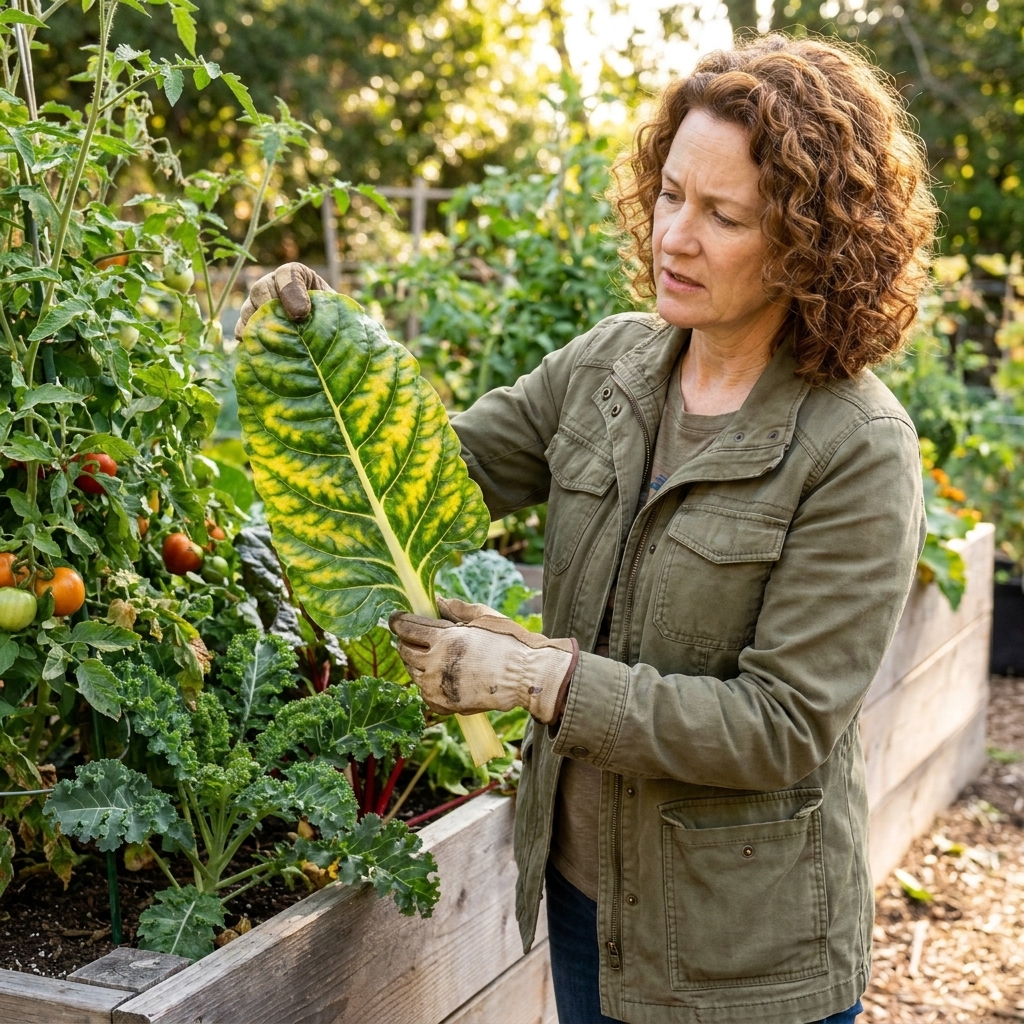
Before we diagnose anything, one quick reality check: symptoms that look like nutrient deficiency can also come from cold soil, overwatering, root damage, pests, herbicide drift, plant diseases, or a soil pH that locks nutrients up. If you can, confirm with a basic soil test every year or two and keep notes on what you amended and when.
Deficiency or watering?
If I could stand on my porch and shout one thing to every new gardener, it would be this: nutrients ride on moisture. A plant can sit in a soil full of nutrients and still look hungry if the roots cannot access them.
- Uniform yellowing + soggy soil: often overwatering, poor drainage, or cold roots slowing nutrient uptake.
- Crispy edges + bone-dry soil: underwatering or salts building up (especially in containers).
- New leaves look worst: think calcium, iron, sulfur (nutrients that do not move easily inside the plant).
- Older leaves look worst: think nitrogen, magnesium, potassium (nutrients the plant can move from older to newer growth).
Also pay attention to pattern. Deficiencies often show up as fairly uniform chlorosis or predictable striping. If you see distinct spots, rings, mottling, twisted growth, or a “sprayed” look on one side of the plant, pause and consider disease, pests, or herbicide drift before you start dumping fertilizer.
If the plant is stressed, start by fixing the basics: consistent watering, good drainage, and a mulch layer. Then reach for amendments.
Quick pH targets
If you do just one test, make it pH. Most vegetables do best in a slightly acidic to neutral range, roughly pH 6.0 to 7.0. Outside that window, nutrients can be present but effectively locked away.
A few common exceptions: potatoes often tolerate (and even prefer) slightly more acidic soil, and blueberries are in a completely different category, thriving in very acidic soil (often around pH 4.5 to 5.5).
1) Nitrogen deficiency
Often seen in: leafy greens, corn, brassicas, anything growing fast
What it looks like:
- Older, lower leaves turn pale green, then yellow.
- Overall growth slows. Plants look small for their age.
- Thin stems, fewer leaves, smaller harvests.
Why it happens: Nitrogen is mobile, so the plant “steals” it from old leaves to feed new growth. It also washes out of soil with heavy rain or frequent watering, and it can get tied up when you mix in fresh, woody material (high-carbon mulch or uncomposted chips) that microbes are still breaking down.
Natural fixes that work
- Top-dress with compost: 1 to 2 inches around plants, then water in. It is not instant, but it is steady and soil-building.
- Fast organic boost: fish emulsion or a fish-and-kelp blend, applied as directed, can green plants up quickly.
- Plant-based meal options: alfalfa meal, soybean meal, or blood meal (use lightly). Work into the top inch of soil and water well.
- For containers: refresh potting mix with compost and a balanced organic fertilizer. Containers run out of nitrogen faster.
My neighbor-fence tip: If you used straw or wood chips as mulch, keep them on top of the soil, not mixed in. Mixing high-carbon materials into the bed is a classic nitrogen “disappearing act.”
2) Calcium deficiency
Often seen in: tomatoes, peppers, zucchini, squash, melons
What it looks like:
- Blossom end rot: dark, sunken, leathery spot on the bottom of fruit.
- New growth may look distorted or weak in severe cases.
- Fruit can look fine, then develops the spot as it grows.
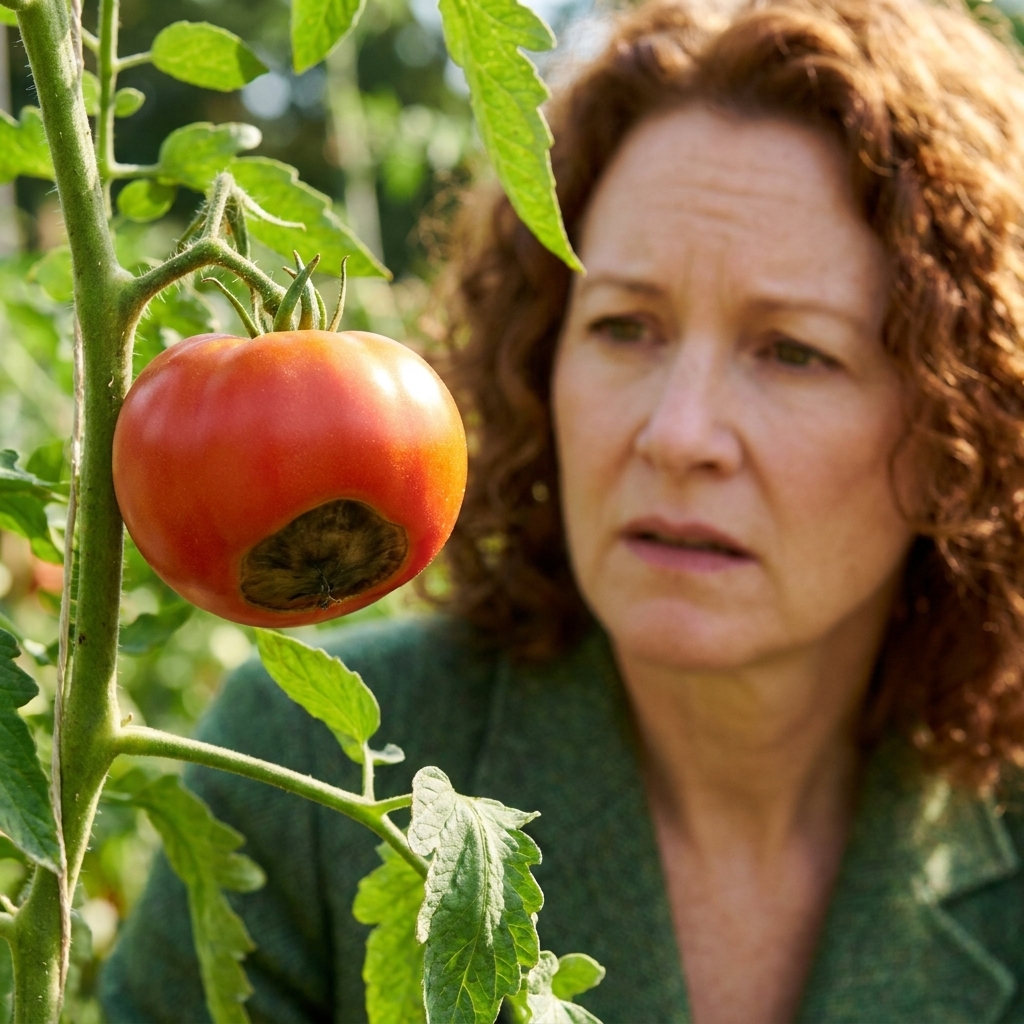
Why it happens: This one surprises people. It is often not a lack of calcium in the soil. It is a delivery problem. Calcium moves with water into the plant. Inconsistent moisture, root stress, and high heat make it hard for the plant to pull calcium into developing fruit. Rapid, lush growth can make it worse too, especially with heavy nitrogen feeding, high salinity, or stressed roots.
Natural fixes that work
- Fix watering first: deep, consistent watering is the real cure. Add 2 to 3 inches of mulch to buffer moisture swings.
- Go easy on fast nitrogen: if plants are dark green and booming but fruit is struggling, ease up on high-nitrogen feeds for a bit.
- Use gypsum if calcium is low: gypsum (calcium sulfate) adds calcium without raising pH much. Sprinkle and water in per label rates.
- Use lime only if pH is low: garden lime or dolomitic lime raises pH and adds calcium (dolomitic also adds magnesium). Do not guess. Lime takes time and can cause new problems if your pH is already fine.
- Protect roots: avoid heavy cultivation around tomatoes and peppers. Damaged roots struggle to take up calcium.
Skip the folklore: Crushed eggshells are wonderful for compost, but they are slow to break down in soil. They will not solve blossom end rot this week.
3) Magnesium deficiency
Often seen in: tomatoes, peppers, beans, cucumbers, potatoes, container gardens
What it looks like:
- Interveinal chlorosis: older leaves turn yellow between veins while veins stay green.
- Leaf edges may curl upward. In tomatoes, older leaves can look “marbled.”
- Progresses upward if not corrected.
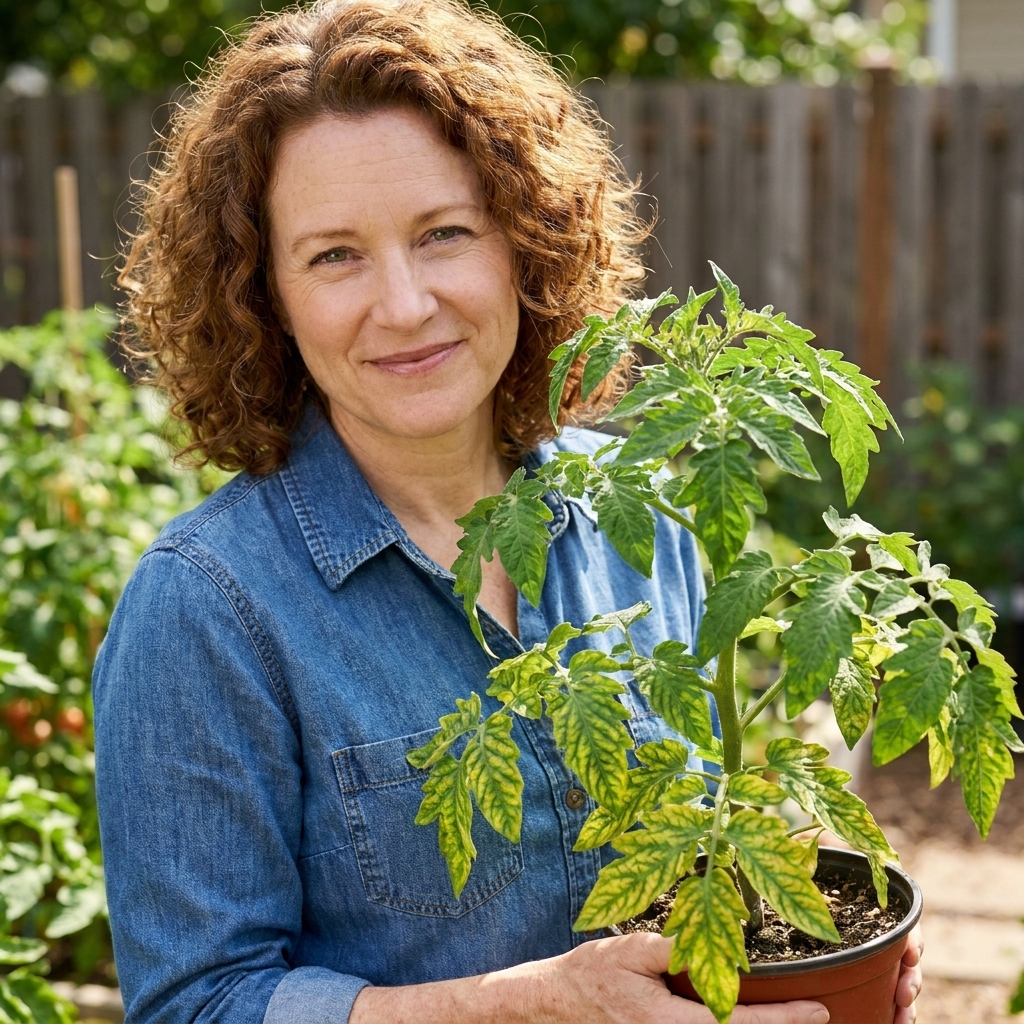
Why it happens: Magnesium can be leached from sandy soil, used up in heavy-producing beds, or blocked by imbalances. Too much potassium or calcium can sometimes interfere with magnesium uptake, especially in containers where nutrients concentrate.
Natural fixes that work
- Epsom salt for a clear, quick correction: magnesium sulfate can help fast when the symptom pattern fits. Dissolve in water and apply as a soil drench, following label guidance. For containers, err on the light side.
- A quick caution: unnecessary applications can raise soluble salts and create new problems, especially in pots. And “marbling” on tomato leaves can also come from viruses, herbicide drift, or plain old leaf aging. If you are not sure, start with compost and a soil test.
- Long-term: top-dress with compost and consider a soil test. If pH is low and magnesium is low, dolomitic lime can address both, but it is slow.
- Balance matters: avoid repeatedly hammering beds with high-potassium fertilizers if you keep seeing magnesium issues.
4) Potassium deficiency
Often seen in: tomatoes, peppers, potatoes, squash, fruiting crops during heavy set
What it looks like:
- Older leaves develop yellowing that starts at the edges.
- Leaf margins may turn brown and crispy (scorching).
- Weak flowering and fruiting, poor flavor, more disease stress.
Why it happens: Potassium is heavily used for fruiting and overall vigor. It can be depleted in beds that produce a lot year after year. In cold or overly wet soils, uptake can slow.
Natural fixes that work
- Compost plus a potassium amendment: kelp meal (moderate), sulfate of potash (faster), or sulfate of potash magnesia (often sold as langbeinite, and allowed in many organic systems).
- Greensand is a long game: it is very slow-release. Think soil-building, not an in-season rescue.
- Wood ash with caution: it raises pH quickly and can overshoot. Only use if you know your soil is acidic and you need a small bump.
- Keep moisture steady: potassium uptake drops when soil swings between soggy and dry.
5) Phosphorus deficiency
Often seen in: seedlings, early spring plantings, root crops
What it looks like:
- Stunted growth, especially early on.
- Leaves can look dull, sometimes with purplish tones (more noticeable in cool weather).
- Slow root development and delayed maturity.
Why it happens: Phosphorus is often present in soil but becomes less available in cold soils or when pH is too high or too low. Early spring beds are classic: the soil is chilly, roots are slow, and plants act phosphorus-starved even when the nutrient is technically there. Also, some varieties naturally show purple coloring under stress, even when phosphorus is fine.
Natural fixes that work
- Warm the soil: black plastic, row cover, or simply waiting a week or two can make a dramatic difference in spring.
- Bone meal (slow and steady): works best when incorporated at planting and when soil pH is in range. In high-pH soils, it can be even slower.
- Rock phosphate (very slow): better as a soil-building amendment than a quick fix.
- Check pH: if pH is way off, correcting pH often “fixes” phosphorus without adding much.
6) Iron deficiency
Often seen in: leafy greens, beans, blueberries (acid lovers), and container gardens
What it looks like:
- New leaves turn pale yellow while veins stay green.
- Older leaves may remain relatively normal at first.
- Common in high-pH soils and over-limed beds.
Why it happens: Iron is often in the soil, but at higher pH it becomes difficult for plants to access. Overwatering and cold, wet roots can also limit uptake. Blueberries are especially prone because they need much more acidic soil than typical vegetables.
Natural fixes that work
- Address pH and drainage: do not keep beds constantly wet. If you have repeatedly limed, pause and test.
- Compost and gentle acidification: adding compost helps, and in some situations elemental sulfur can lower pH over time (best done based on a soil test).
- Fast help: chelated iron products can green new growth quickly, especially in containers. Look for options appropriate for edible gardens and follow the label.
7) Sulfur deficiency
Often seen in: brassicas (cabbage family), onions and garlic, leafy greens in low-organic matter soils
What it looks like:
- Overall yellowing, but it often appears first on newer leaves (unlike nitrogen).
- Thin, spindly growth.
- Plants may seem stuck even with adequate watering.
Why it happens: Sulfur is tied closely to organic matter. Beds with little compost, heavily leached soils, and some container mixes can run short.
Natural fixes that work
- Build organic matter: compost is the most gardener-friendly sulfur source over time. A 1 to 2 inch top-dress once or twice a season goes a long way.
- Gypsum: provides sulfur and calcium without much pH change, useful when both are trending low.
- Elemental sulfur (slow): can supply sulfur and lower pH gradually, best guided by a soil test.
Quick checklist
If you are standing in the garden squinting at a leaf and thinking, “Okay, but which one is it?”, walk through this in order:
- Step 1: Check soil moisture 2 to 3 inches down. Fix watering and drainage first.
- Step 2: Look at where the symptoms start. Old leaves point to nitrogen, magnesium, potassium. New leaves point to calcium, iron, sulfur.
- Step 3: Consider timing. Cold spring soils often mimic phosphorus or nitrogen issues.
- Step 4: Think about what you recently added. Fresh wood chips mixed into soil can trigger nitrogen tie-up. Too much lime can trigger iron chlorosis.
- Step 5: Scan for lookalikes. Spotting, rings, mosaic mottling, or twisted new growth can point to disease, pests, or drift rather than a simple nutrient shortage.
- Step 6: When in doubt, do less. A light compost top-dress plus consistent watering solves a surprising number of “deficiencies” without throwing the soil out of balance.
FAQ
How fast will plants recover?
Liquid feeds (fish emulsion, chelated iron, magnesium sulfate) may show improvement in 3 to 7 days, especially in new growth, if the diagnosis is correct and roots are healthy. Dry amendments and compost usually take longer, often 2 to 6 weeks, but they improve the soil for the long haul.
Can I fix deficiencies with foliar sprays?
Sometimes, especially for iron or magnesium. Foliar feeding can be a useful bridge, but it is not a substitute for healthy soil, proper pH, and steady watering. For calcium-related blossom end rot, foliar sprays rarely solve the real issue because the problem is usually inconsistent water flow to fruit.
Should I use Epsom salt routinely on tomatoes?
Only if you have magnesium deficiency symptoms or a soil test that suggests low magnesium. Routine use can throw nutrient balance off over time, especially in containers.
What is the most natural all-around fix?
Compost plus mulch. It will not act like a magic wand overnight, but it steadily improves nutrient availability, moisture consistency, and root health. In my beds, it is the difference between constant troubleshooting and mostly letting plants do their thing.