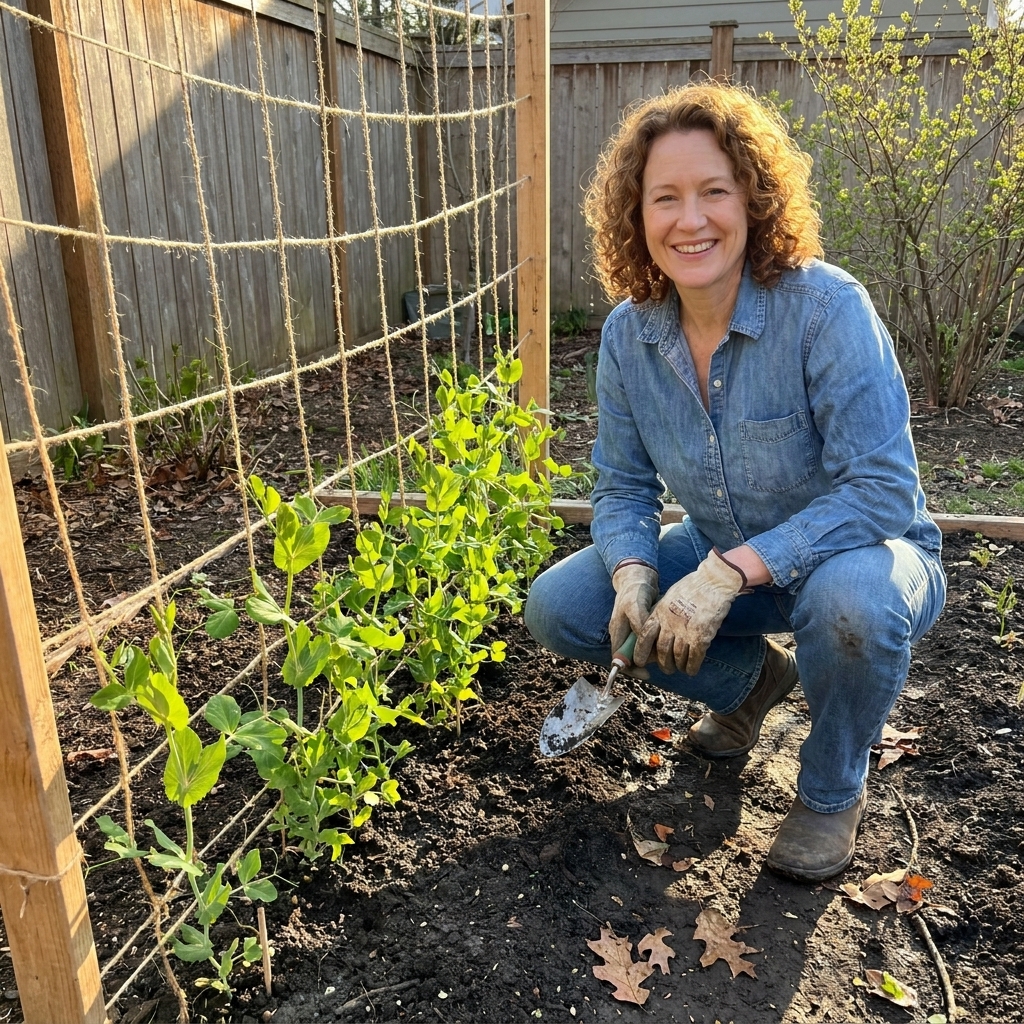
Early Spring Planting Schedule for Cold-Hardy Veggies
Sow peas, radishes, spinach, and more weeks before your last expected spring frost. Use this early spring planting schedule with soil temp cues and week-by-week timing.

Maggie O'Connell is a lifelong gardener and the voice behind Vegloom, dedicated to helping people grow their own food regardless of their yard size. With over 15 years of hands-on experience in backyard agriculture, she specializes in raised bed gardening, organic soil building, and seasonal planting calendars. When she isn't writing, Maggie can usually be found tending to her sprawling heirloom tomatoes or experimenting with new compost recipes.
If you have ever stood at the garden bed in late winter, seed packets in hand, wondering if it is too early, this one is for you. Early spring planting is where a lot of the “I grew dinner!” magic begins, because many vegetables actually prefer cool weather. The trick is sowing them on purpose, on a schedule, instead of tossing seeds out during the first warm afternoon and hoping for the best.
This timeline is built around your last expected spring frost date. Find it once (a local extension office site is perfect), write it on a sticky note, and then count backward using the weeks below. I will also give you soil temperature cues, because soil temps tell the truth even when the air feels like spring.
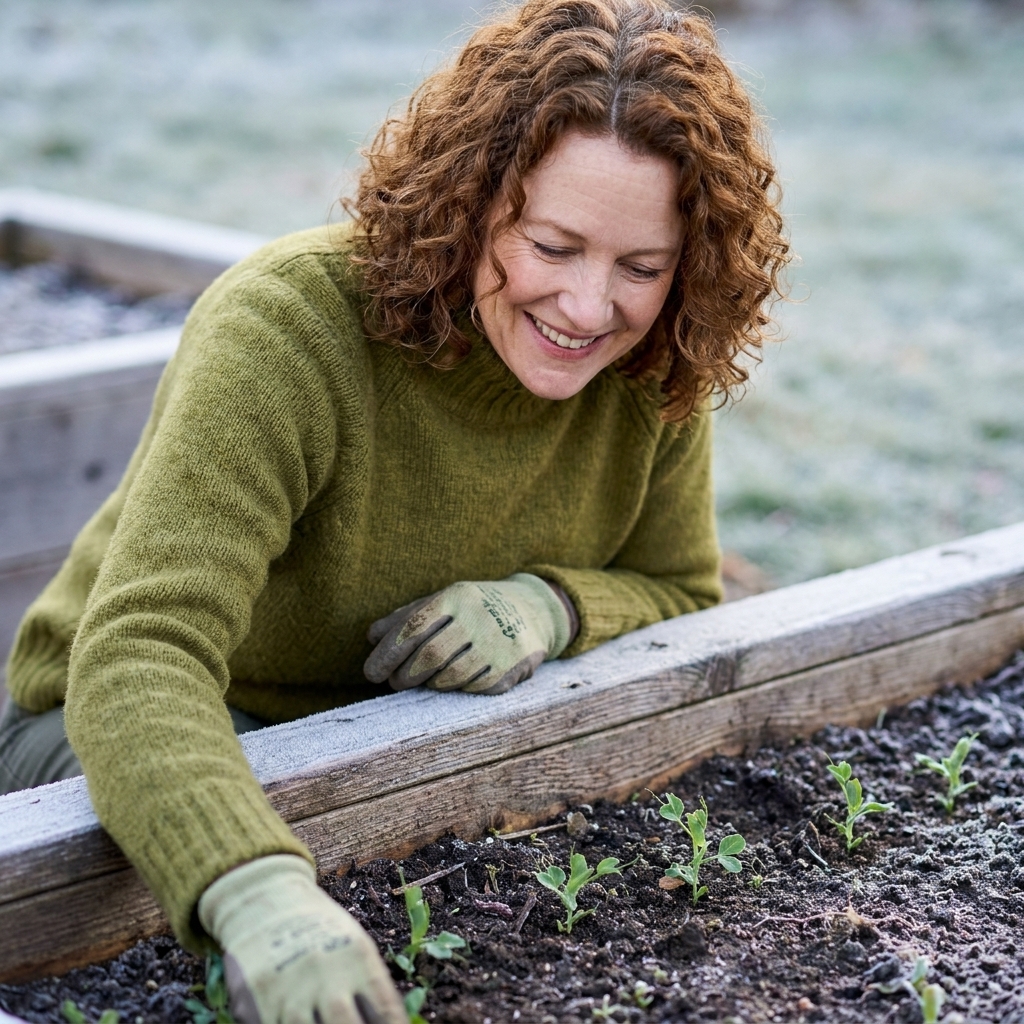
Before you sow: 10-minute readiness check
Cold-hardy seeds are tough, but they are not magical. These quick checks prevent the two most common early spring failures: rot and poor germination.
- Soil drains within a day: If your bed stays squishy for days after rain, wait. Seeds sitting in cold mud tend to rot.
- You can crumble a handful: Grab a fistful of soil. If it forms a tight ball that will not break apart, it is too wet to work.
- Soil temperature: know the “can” versus “reliable”: Some cold-hardy seeds can germinate around 35 to 40°F (2 to 4°C), but expect a long wait and more risk of rot. For a calmer, more reliable start, I aim for 40 to 50°F (4 to 10°C) for most early sowing, and I match the crop to the temperature (the schedule below helps). A simple soil thermometer is one of my favorite low-drama garden tools.
- Bed surface is clear: Pull back soggy leaves and last year’s stems so the sun can warm the soil.
- Top-dress, do not dig deep: In early spring I add 1 to 2 inches of finished compost and gently rake it in. Avoid deep turning when soil is wet.
- Do not compact your bed: If you can, stay on paths and avoid stepping in the bed when it is wet. One muddy footprint can turn into a season-long brick.
My porch wisdom: If you would not want to kneel in it, your seeds probably do not want to sit in it.
Your early spring planting schedule
Use these windows as your baseline, then adjust a little for your microclimate. A sheltered backyard bed often warms earlier than an open, windy plot. And if you garden in raised beds, you get a head start since they drain and warm faster than in-ground soil.
Important reality check: If the ground is frozen or waterlogged, it does not matter what the calendar says. In places like the Upper Midwest, high elevations, or shady yards, “10 to 12 weeks before last frost” can still be firmly in the frozen-soil era. Wait until the soil is workable.
Regional note: Coastal and mild-winter climates (like parts of the Pacific Northwest) can often sow earlier because soils stay workable. Warmer winter regions can sow these crops too, but spring heat arrives fast, so get them going early and plan for bolting once days warm.
10 to 12 weeks before last frost
This is the “prep and sneak-a-few-in” window. In many regions, the soil is still very cold, but raised beds can be workable on mild stretches.
- Spinach (direct sow): One of the earliest reliable sowings. Germinates best in cool soil. Soil temp: 35 to 50°F (2 to 10°C).
- Fava beans (where popular): Extremely cold tolerant and a lovely early protein crop. Soil temp: 40 to 50°F (4 to 10°C).
- Onions from sets (plant outdoors): If your ground can be worked, sets can go in early. Not a direct-sow seed situation, but worth mentioning for the schedule.
Tip: If nights dip well below freezing, cover the bed with a light row cover after sowing. The goal is steadier moisture and a few degrees of protection, not tropical conditions.
8 to 10 weeks before last frost
Now we are cooking, in a chilly way. This is prime time for fast roots and sturdy greens.
- Radishes (direct sow): The classic “I need a win” early crop. Soil temp: 40 to 65°F (4 to 18°C).
- Peas (direct sow): Snap, snow, and shelling peas all like the cool start. Soil temp: 40 to 55°F (4 to 13°C).
- Lettuce (direct sow): Choose cold-tolerant leaf types for earliest success. Soil temp: 40 to 60°F (4 to 16°C).
- Turnips (direct sow): Great dual-purpose crop if you like both greens and roots. Soil temp: 45 to 75°F (7 to 24°C).
- Asian greens like tatsoi and mizuna (direct sow): Quick, productive, and happy in the cold. Soil temp: 40 to 60°F (4 to 16°C).
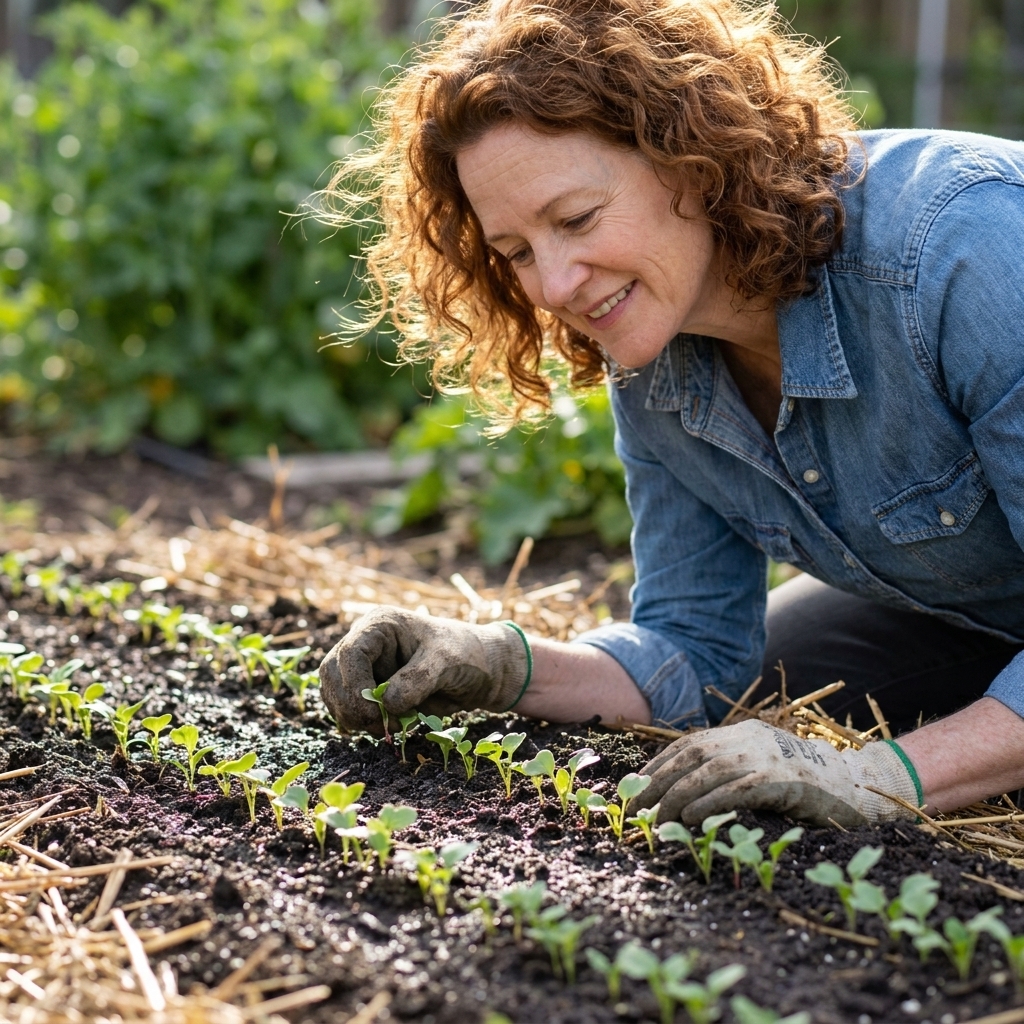
6 to 8 weeks before last frost
This is when your garden starts to look like a garden again. Most cold-hardy vegetables can be sown now, and germination speeds up.
- Carrots (direct sow): They can take their sweet time in cold soil, but early sowing pays off. Soil temp: 45 to 70°F (7 to 21°C). They will sprout at the low end, but for less nail-biting, 50°F (10°C) and up is noticeably smoother.
- Beets (direct sow): Reliable in cool weather, and you get greens too. Soil temp: 45 to 75°F (7 to 24°C). Germination can happen warmer than that, but beets are happiest and tastiest in cooler conditions.
- Swiss chard (direct sow): Cold tolerant and keeps producing into summer. Soil temp: 50 to 75°F (10 to 24°C), with slower results on the cooler end.
- More lettuce and radishes: Start succession sowing now (more on that below).
Carrot reality check: If your early carrot bed crusts over after a rain, germination can fail. I like to cover carrot rows with a board or burlap for a week, checking daily and removing as soon as I see sprouts.
4 to 6 weeks before last frost
This window is perfect for brassicas that can take a light freeze, plus more rounds of the quick growers.
- Arugula (direct sow): Fast and peppery, and it bolts once heat arrives, so spring is its moment. Soil temp: 45 to 65°F (7 to 18°C).
- Mustard greens (direct sow): Productive and cold tolerant. Soil temp: 45 to 70°F (7 to 21°C).
- Kale (direct sow): You can direct sow now in many climates, though transplants are often quicker. Soil temp: 45 to 75°F (7 to 24°C).
- Collards (direct sow): Similar timing to kale. Soil temp: 45 to 75°F (7 to 24°C).
- Broccoli, cabbage, cauliflower: Most gardeners get the best results by transplanting these about 4 to 6 weeks before last frost (or whenever the soil is workable). Direct sowing is possible, but slower and less predictable in cold, wet springs.
2 to 4 weeks before last frost
This is the “fill the gaps” window. If you missed earlier sowings, you can still get great spring harvests, especially with quick roots and greens.
- More peas: In many gardens, an early sowing plus a second sowing now stretches harvest.
- More carrots and beets: This is often the most reliable carrot sowing because soil is warming.
- Scallions (direct sow): Slow to start, but worth it if you love a steady supply. Soil temp: 50 to 75°F (10 to 24°C).
- Cilantro (direct sow): Likes cool weather and will bolt as heat builds. Soil temp: 50 to 70°F (10 to 21°C).
Cold-hardy veggies to sow first
If you just want the short list of “safe early bets,” these are my go-to first sowings in raised beds and small yards.
- Peas
- Radishes
- Spinach
- Lettuce (cold-tolerant varieties)
- Arugula
- Turnips
- Beets
- Carrots (a bit slow, but doable)
From there, you can add kale, collards, mustard greens, and Swiss chard as conditions stabilize.
Packet tip: If you see “early,” “cold tolerant,” or “spring” on the variety description, take the hint. Those are the seeds that earn their keep in April weather.
How to direct sow in cold soil
Early spring sowing is less about fancy technique and more about consistent moisture and good seed-to-soil contact without waterlogging.
- Make a shallow furrow with your finger or a stick.
- Sow a little thinner than you think. Thinning in cold weather is no one’s idea of fun.
- Cover with finer soil or compost so tiny seeds are not trapped under clods.
- Press gently to tuck seeds in.
- Water lightly with a soft spray.
- Cover when nights are harsh: row cover, a clear vented cloche, or even an upside-down storage bin (remove it on sunny days).
Avoid this common mistake: soaking the bed every day “just in case.” In cold weather, wet plus cold equals rot. Aim for evenly damp, not saturated.
Succession sowing for steady harvests
Instead of planting one huge row of radishes or lettuce, sow smaller amounts repeatedly.
- Radishes: every 7 to 10 days
- Lettuce: every 10 to 14 days
- Spinach: every 2 weeks until days warm up
- Carrots and beets: every 2 to 3 weeks for a longer harvest window
This is especially helpful in small suburban gardens, where you want your limited space producing continuously rather than all at once.
Frost protection that helps
Most cold-hardy vegetables can handle frost. What they hate is repeated freezing and thawing, icy wind, and soggy soil. Protection is about smoothing out those extremes.
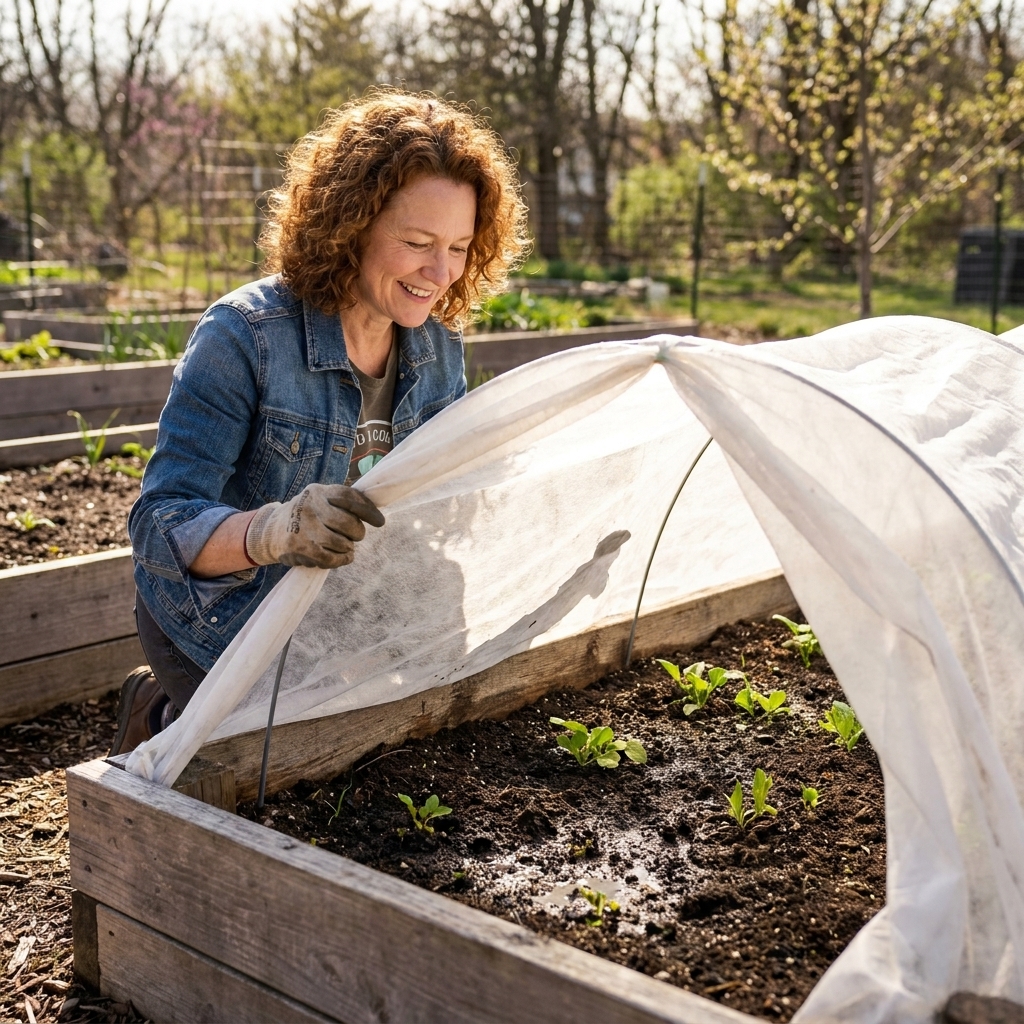
- Row cover on hoops: My favorite. It protects seedlings from wind and surprise cold snaps while letting in light and rain.
- Mulch lightly after seedlings are up: A thin layer of straw or shredded leaves helps stabilize moisture. Keep it off the stems.
- Water earlier in the day: Wet soil holds heat better overnight, but do not drench the bed in the evening.
- Vent on sunny days: Even in March, a covered bed can overheat. If it feels warm inside to your hand, crack it open.
Light frost versus hard freeze: A light frost is usually no big deal for peas, spinach, and lettuce once they are up. A hard freeze (think mid-20s°F and below, around -4°C or colder) can damage pea vines and tender new growth. If that is in the forecast, use row cover and do not be shy about doubling it for the night.
Early spring troubleshooting
No sprouts after 2 weeks
In cold soil, slow is normal. First, check moisture. The top inch should be damp. If it is dry, water gently. If it is soggy, stop watering and let it breathe. For peas and spinach, 2 to 3 weeks is not unusual in very cold conditions.
Seeds vanished
Birds sometimes pull pea seeds. Mice can too. Cover freshly sown rows with row cover or a piece of hardware cloth until seedlings are up.
Seedlings sprouted, then stopped
Cold weather can pause growth. As long as seedlings are not collapsing at the base (a sign of damping off), they often resume once days lengthen and soil warms.
Leggy seedlings
This happens when you sow under cover and the seedlings stretch for light. Make sure covers are not blocking sunlight, and remove solid covers during the day.
Slugs and snails everywhere
Cool, wet spring beds can turn into a slug buffet, especially under covers and mulch. Water in the morning, keep mulch thin, and check under boards, stones, and cloches. If you find a congregation, you found the problem.
Sample calendar
If your last expected spring frost is, say, April 15, here is what counting backward could look like:
- Feb 1 to Feb 15 (10 to 12 weeks before): spinach, fava beans, onion sets
- Feb 15 to Mar 1 (8 to 10 weeks before): peas, radishes, lettuce, turnips
- Mar 1 to Mar 15 (6 to 8 weeks before): carrots, beets, chard, more lettuce and radishes
- Mar 15 to Apr 1 (4 to 6 weeks before): arugula, mustard greens, kale, collards (and transplant broccoli or cabbage)
- Apr 1 to Apr 15 (2 to 4 weeks before): another round of peas, carrots, beets, scallions, cilantro
Your weather will always have an opinion. The schedule keeps you moving forward without gambling the whole spring on one warm weekend.
FAQ
How early can I plant peas in spring?
In most gardens, peas can be direct sown 8 to 10 weeks before your last expected spring frost, or when soil temperatures are consistently around 40°F (4°C) and your bed is not waterlogged. Raised beds often hit that window earlier.
What veggies can handle frost after planting?
Spinach, lettuce, radishes, arugula, and many Asian greens can handle light frosts once they are up. Carrots and beets tolerate cool weather well too, especially after they establish. Peas handle frost too, but protect them from hard freezes once they have emerged.
Should I soak pea seeds before planting?
Optional. If your soil is cool but reasonably moist, I usually skip soaking to reduce the risk of seeds splitting or rotting. If conditions are dry, a short soak (4 to 6 hours) can help, but do not overdo it.
Can I plant if snow is still possible?
Yes, with the right crops and a little protection. Cold-hardy seeds can sit through cold spells. Use row cover to protect emerging seedlings and avoid planting right before a heavy, wet snow that could compact the bed.
One last neighborly nudge
If you are itching to start, begin with radishes and peas. They are forgiving, they germinate in the cold, and they make you feel like a gardening wizard before most yards have even thawed. Then layer in spinach, lettuce, and carrots as your soil cooperates.
Early spring gardening is not about racing. It is about showing up consistently, one small sowing at a time, until the season catches up and takes off.