A step-by-step, beginner-friendly guide to designing and installing an automated drip system for raised-bed vegetables, plus run-time tips, capacity checks, ...
Veg Loom
October 17, 2026
By Maggie O'Connell
Best Mulches for Vegetable Gardens
Straw, shredded leaves, pine needles, and wood chips can cut watering and weeds in half when used right. Learn which mulch fits your beds and how to apply it.

Maggie O'Connell
Maggie O'Connell is a lifelong gardener and the voice behind Vegloom, dedicated to helping people grow their own food regardless of their yard size. With over 15 years of hands-on experience in backyard agriculture, she specializes in raised bed gardening, organic soil building, and seasonal planting calendars. When she isn't writing, Maggie can usually be found tending to her sprawling heirloom tomatoes or experimenting with new compost recipes.
If you have ever watered in the morning and watched your garden look thirsty again by dinner, mulch is the quiet little miracle you are missing. A good mulch does three big jobs in a vegetable garden: it shades the soil so moisture sticks around, it blocks light from reaching weed seeds, and it softens soil temperature swings that stress plants.
But not every mulch behaves the same way in a tomato bed versus a carrot row, and some are better at weed blocking than others. Below are my go-to mulches for edible gardens, with the pros, the quirks, and exactly how I use each one.
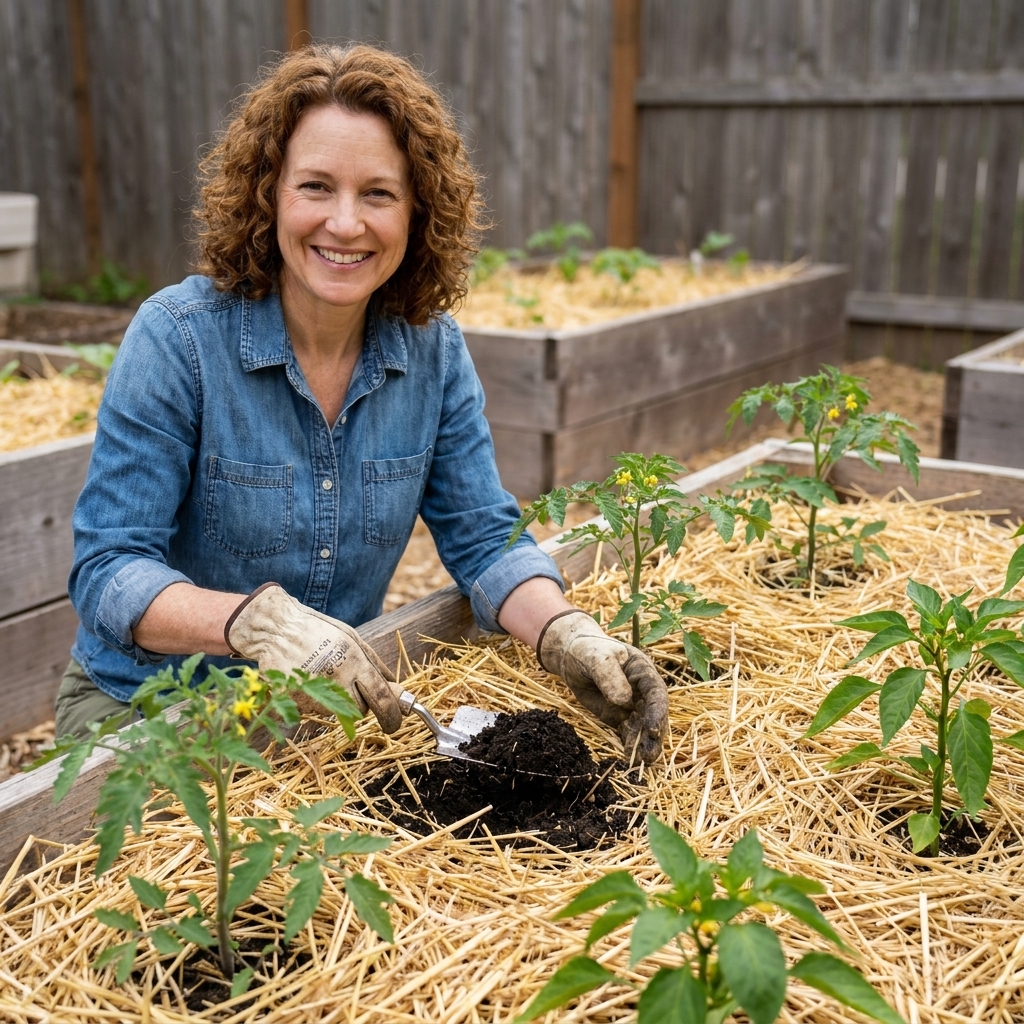
What makes a mulch great for vegetables
For veggie beds, I look for mulch that checks these boxes:
- Moisture saving: creates shade and reduces evaporation from the soil surface.
- Weed blocking: forms a thick, fairly continuous mat that limits sunlight.
- Plant friendly: does not introduce herbicide residues and does not smother seedlings.
- Easy to move: because you will need to pull it back for sowing seeds, fertilizing, or adding compost.
- Soil building: ideally breaks down over time and feeds soil life.
One quick truth from years of gardening in raised beds set over heavy clay soil: mulch is not a one-and-done product. Plan to fluff it, top it off, and pull it aside when planting. That little bit of maintenance is what saves you hours of weeding later.
One more timing note: in cool, wet springs, I hold off on thick mulching until the soil has warmed and seedlings are growing strongly. Mulch can keep soil cooler if you lay it down too early.
Straw mulch
If I had to pick one workhorse mulch for vegetables, it would be straw. It is light, clean, easy to rake back, and it keeps soil evenly damp during hot spells. Straw is especially good around tomatoes, peppers, eggplants, cucumbers, squash, and any crop you are transplanting rather than direct seeding.
A quick clarification that saves a lot of headaches: straw is the dry stem of grain plants. Hay is cut grass or legumes and often comes with a lot more seeds. For mulch in veggie beds, I reach for straw.
Why I like it
- Excellent moisture retention without matting down too hard.
- Great weed suppression when applied thick enough.
- Cleaner harvests: keeps mud off lettuce and reduces soil splash onto tomato leaves.
- Easy to pull back when you need to side-dress compost or replant.
Watch-outs
- Seed heads: Straw should be mostly seed-free, but some bales still sprout. Those little volunteer grain or grass seedlings pull easily, but it can be annoying.
- Slugs: In very damp climates, thick straw can give slugs a hiding place. If slugs are a problem, keep straw a few inches back from tender stems and water in the morning so the surface dries by night.
- Herbicide contamination: This is the big one. If straw comes from fields treated with persistent herbicides, it can damage beans, peas, tomatoes, and more. Buy from a trusted source and, when in doubt, do a simple bioassay: fill two small pots with clean potting mix. Leave one as-is. In the other, mix in a portion of the suspect material (a handful of chopped straw, or compost made with that straw). Plant a few bean or pea seeds in both and compare growth. If the seedlings in the amended pot look twisted, cupped, or stunted compared with the control, do not use that straw in food beds.
How thick to apply
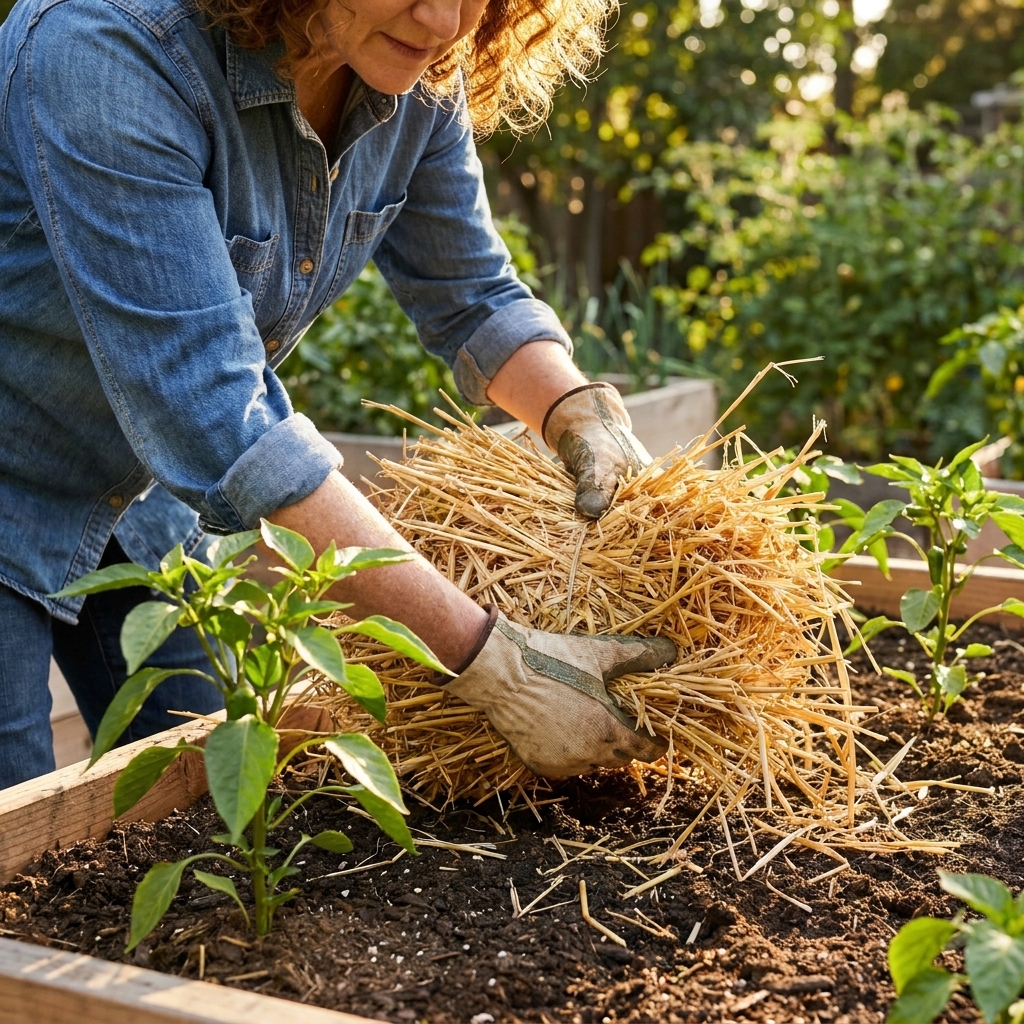
For weed control, aim for 3 to 6 inches of fluffy straw. It will settle. For transplants, spread it after plants are established and the soil has warmed.
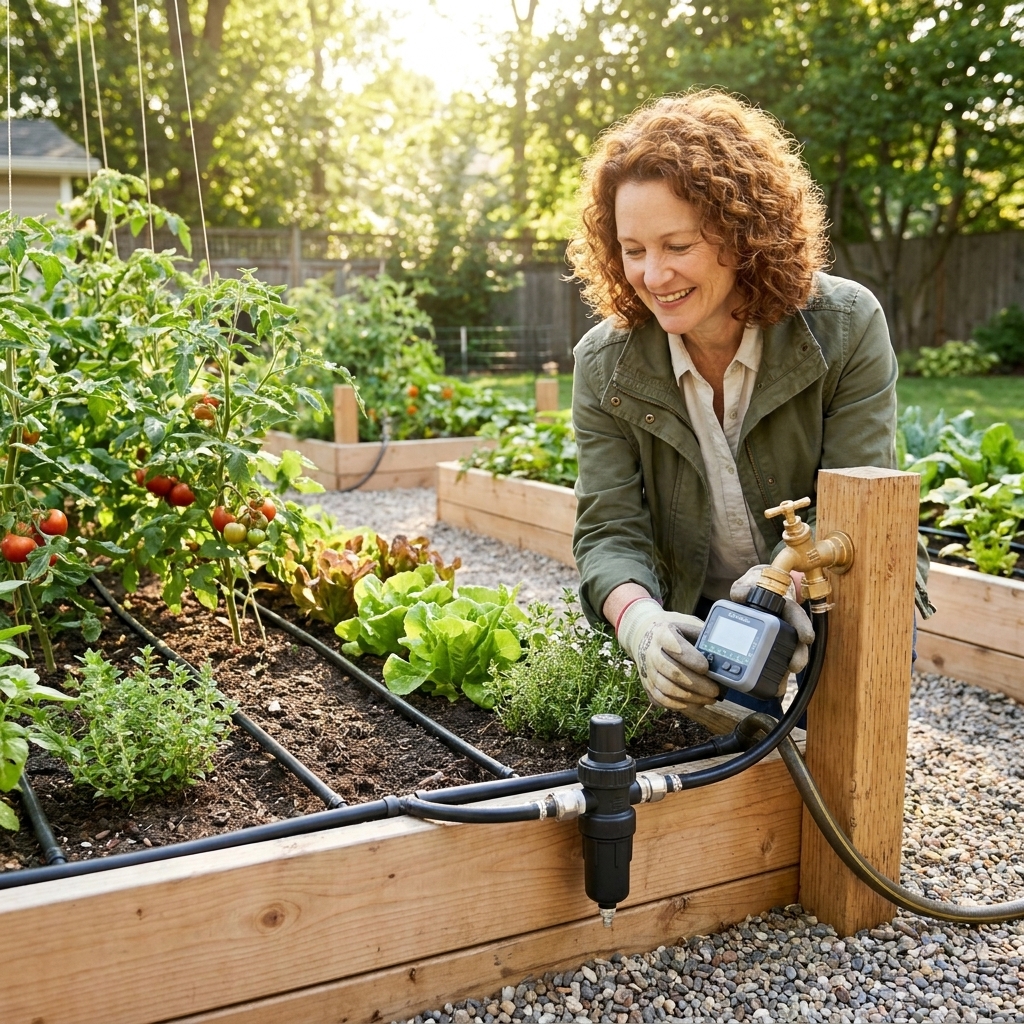
If you run drip irrigation, lay the lines down first and mulch over them. The water goes where you want it, and the mulch helps it stay there.
Shredded leaves
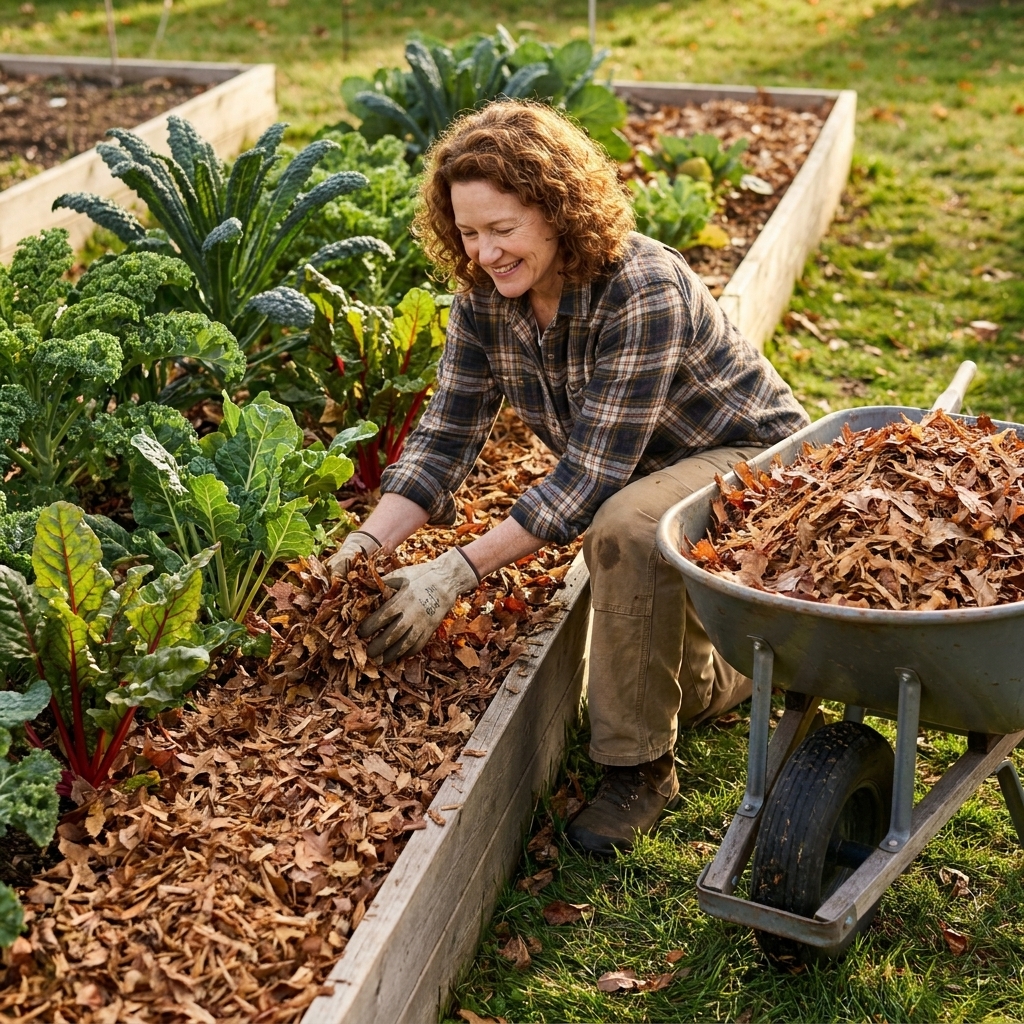
Shredded leaves are my favorite free mulch, and they are wildly underrated. Leaves break down into a soft, crumbly layer that earthworms adore, and by next season you often end up with darker, richer soil underneath.
The secret is shredding. Whole leaves can form a wet blanket that sheds water and mats down. Shredded leaves behave more like a cozy quilt.
Why I like them
- Cost: usually free if you have trees or friendly neighbors.
- Soil building: decomposes into organic matter and improves structure over time.
- Good moisture control once they knit together lightly.
- Gentle around seedlings when applied thinly.
Watch-outs
- Matting: shred them or mix with straw to keep airflow.
- Wind: dry shredded leaves can blow around. Wet them in or top with a light sprinkle of straw to hold them in place.
- Walnut leaves: If you have black walnut, avoid using those leaves around sensitive crops due to juglone.
How thick to apply
Use 2 to 4 inches of shredded leaves around established plants. For tiny seedlings, start with a thin ring and build up as the plants grow.
Pine needles
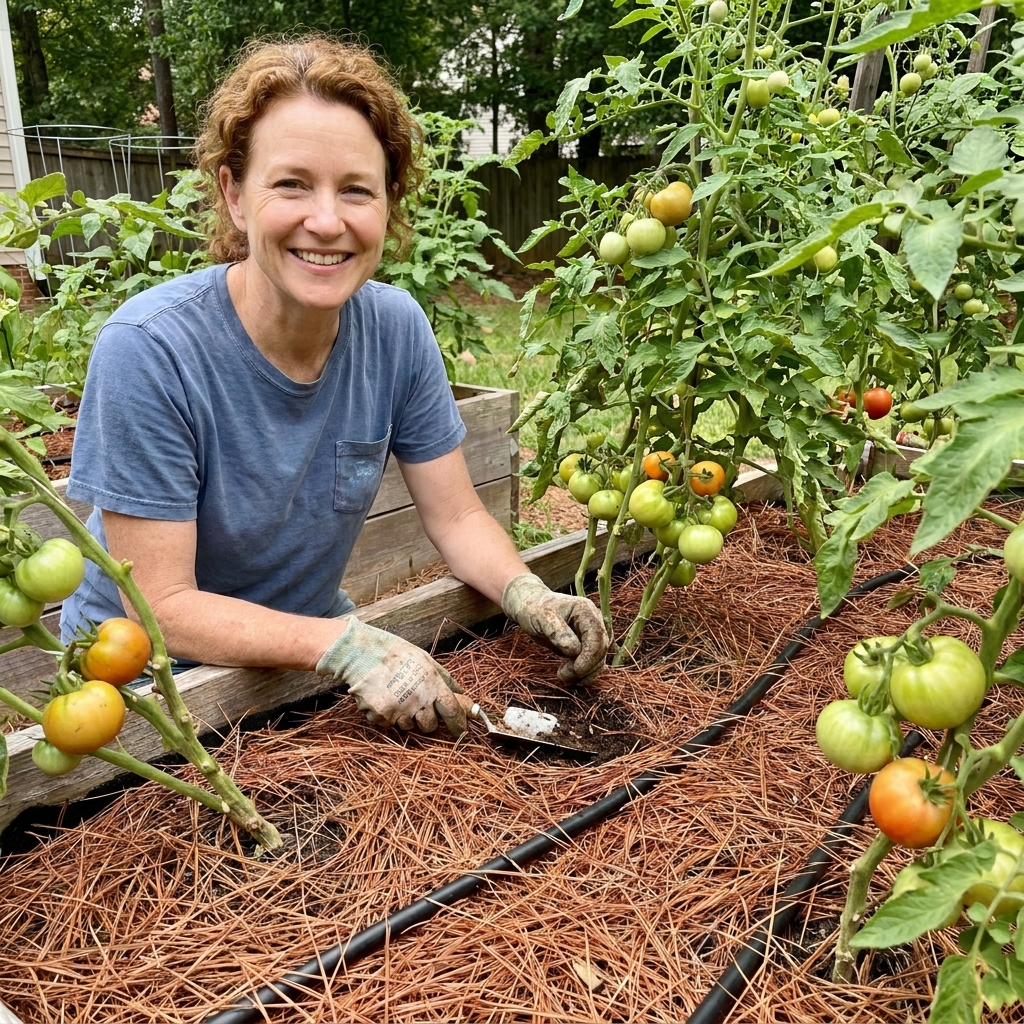
Pine needles are a tidy, long-lasting mulch that sheds water gently into the soil while still letting air move through. They interlock, so they stay put better than many light mulches, and they are surprisingly good at suppressing weeds once you get a decent layer down.
A common worry is that pine needles will make soil acidic. In real gardens, the effect is typically minimal and slow when used as a surface mulch. Most vegetables grow happily in a slightly acidic to near-neutral range anyway, and the soil beneath a pine needle mulch usually changes far less than people expect.
Why I like them
- Stays in place: great for windy yards and sloped beds.
- Does not mat easily: helps avoid that soggy, sealed-off soil surface.
- Longer lasting: breaks down slower than leaves.
Watch-outs
- Availability: easiest if you have pine trees nearby or can buy bales locally.
- Light coverage at first: a thin layer does not block weeds well. You need volume.
How thick to apply
Spread 3 to 4 inches and fluff it occasionally. Pine needles compress less than straw, so what you apply is close to what you keep.
Wood chips
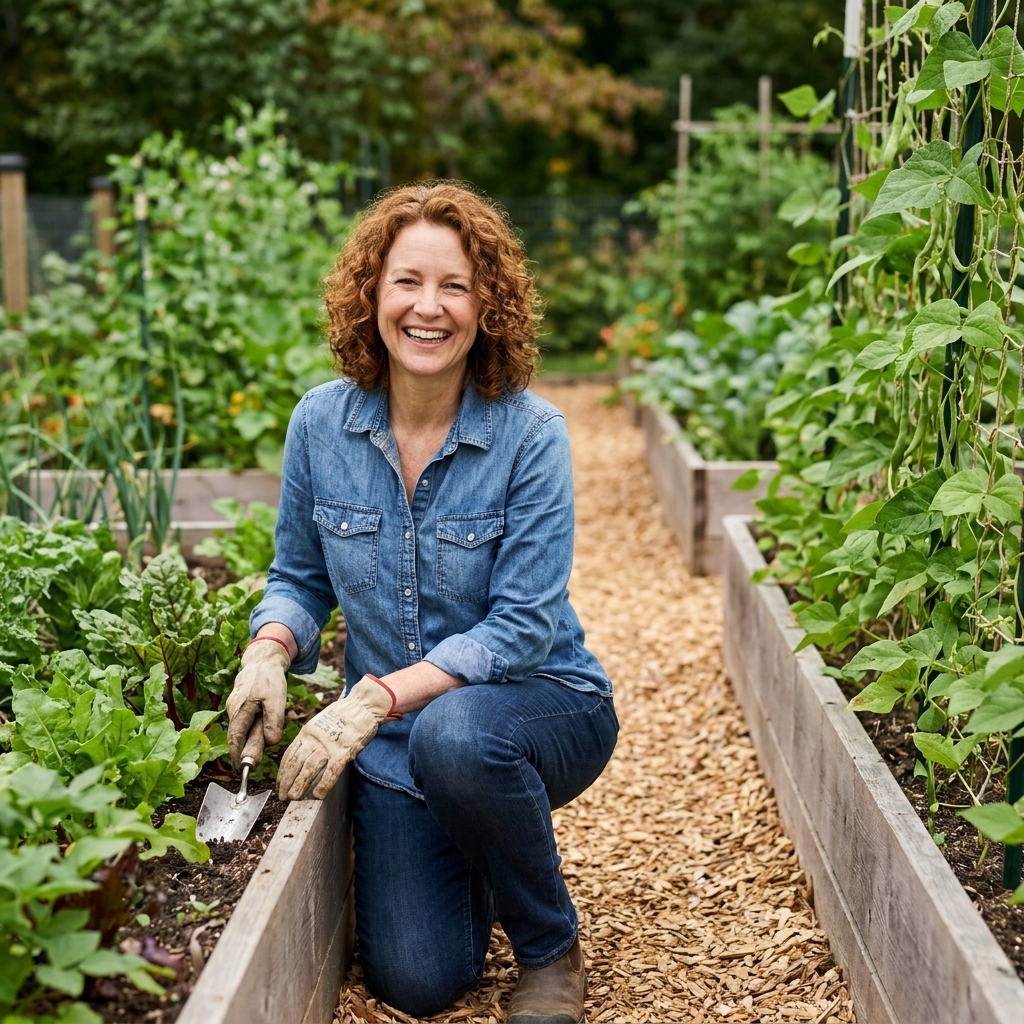
Wood chips can be fantastic, but I use them with intention in vegetable spaces. Chips are best for permanent paths, around perennials, and at the edges of beds where you want long-term weed control and less splash. In annual veggie beds where you replant constantly, chips can be bulky to move.
The other big consideration is nitrogen. As chips break down, microbes can temporarily tie up nitrogen right at the soil surface. That is mostly a problem if you mix chips into the soil or use very fresh chips directly where you are trying to germinate seeds. As a surface mulch around established plants, it is usually manageable.
Why I like them
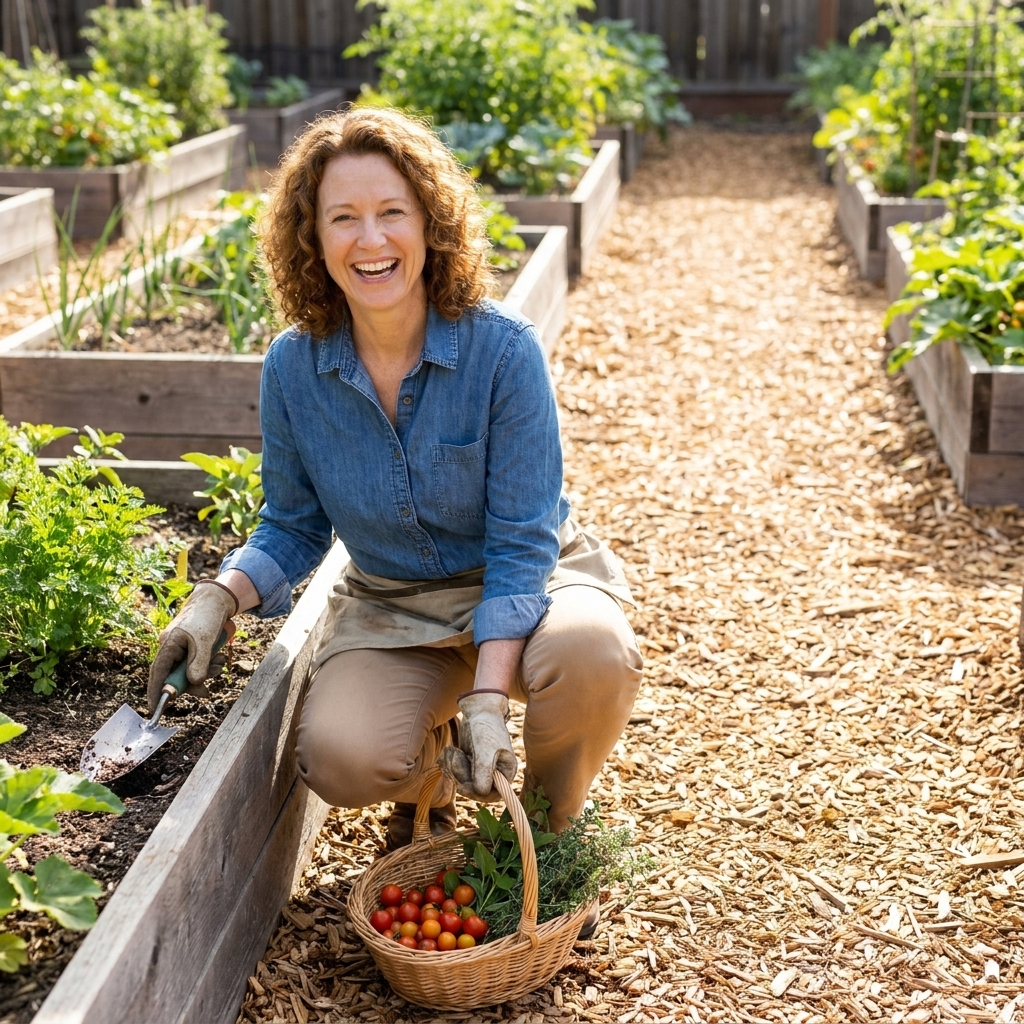
- Excellent weed suppression when applied thick, especially in garden paths.
- Long-lasting: you do not need to refresh as often as straw or leaves.
- Keeps mud down: cleaner knees, cleaner harvest baskets.
Watch-outs
- Not ideal for direct seeding: chips are harder to pull back neatly than straw or leaves.
- Nitrogen tie-up at the surface: avoid mixing into soil; keep chips on top and feed the bed with compost beneath.
- Type matters: untreated, natural chips only. Avoid dyed products in food gardens.
How thick to apply
For paths and borders, apply 3 to 5 inches. For inside veggie beds, if you use chips at all, keep them 2 to 3 inches and use them around larger, established plants, not over seed rows.
How to mulch well
Mulch helps most when you treat it like part of your routine, not a decoration.
1) Weed first, water second, mulch third
Pull weeds or slice them at the soil line, then water deeply, then mulch. Some mulches, especially if they are dry or matted, can make re-wetting slower, so I like to get moisture into the soil first. And mulching over weeds gives them a comfy blanket to keep growing.
2) Keep mulch off stems
Leave a small breathing ring, usually 1 to 3 inches, around the base of plants. This reduces rot and makes it harder for pests to hide right against the stem.
3) Thickness matters
A skim coat will not stop weeds. In most veggie beds, 3 inches is the starting line. If you can still see lots of light hitting bare soil, add more.
4) Pull it back for direct seeding
For carrots, beets, radishes, and salad mixes, I rake mulch aside, sow into bare soil, and keep the seed furrow clear until germination. Once seedlings are a few inches tall, I return a very light layer and build it up as they grow. Think shade cloth, not blanket, for tiny sprouts.
5) Refresh as it breaks down
Organic mulches become soil. That is a feature, not a bug. Top off straw and leaves midseason if you notice bare patches.
Quick pick guide
- Best all-around for veggie beds: Straw
- Best free option for soil building: Shredded leaves
- Best for wind and slopes: Pine needles
- Best for paths and long-term weed blocking: Wood chips
If you are torn, here is my neighborly advice: start with what is easiest to get consistently. The best mulch is the one you will actually keep applying, season after season.
FAQ
Should I put mulch down before or after planting?
For transplants, plant first, water well, then mulch. For direct-seeded crops, leave soil bare over the seed row until seedlings are up and sturdy, then mulch lightly and build thickness over time.
Can mulch cause more pests?
Sometimes. Slugs and pill bugs can hide under thick, wet mulch. The fix is usually better timing and airflow: water in the morning, avoid piling mulch against stems, and keep beds harvested and tidy.
How do I know if my straw or hay is safe for vegetables?
Choose straw from a trusted grower when possible, and avoid unknown hay. If you are unsure, do a simple comparison test: grow beans or peas in clean potting mix (control) and in potting mix amended with a portion of the suspect straw or compost made from it. Misshapen, twisted, or stunted growth in the amended pot can signal herbicide residue.
Will pine needles make my garden too acidic?
For most vegetable gardens, pine needles used as a surface mulch do not swing soil pH dramatically. If you are concerned, check your soil pH once a year and amend based on real numbers, not garden folklore.
Can I mulch with grass clippings?
You can, but do it carefully. Use only untreated clippings, apply in thin layers so they do not mat and stink, and let them dry a bit before piling on. For this article I focused on straw, leaves, pine needles, and chips because they are more forgiving for beginners.
If you want the biggest payoff with the least fuss, start by mulching your thirstiest crops first, usually tomatoes, peppers, cucumbers, and squash. When you walk out after a hot day and the soil under that mulch is still cool and damp, it feels like cheating in the best possible way.