A practical guide to straw, shredded leaves, pine needles, and wood chips for moisture retention and weed control in veggie beds, plus exactly how thick to s...
Veg Loom
October 17, 2026
By Maggie O'Connell
Winter Cover Crops for Healthier Soil
Plant winter cover crops like clover, peas, oats, and winter rye to protect empty beds, reduce erosion, suppress weeds, and rebuild soil for spring planting.

Maggie O'Connell
Maggie O'Connell is a lifelong gardener and the voice behind Vegloom, dedicated to helping people grow their own food regardless of their yard size. With over 15 years of hands-on experience in backyard agriculture, she specializes in raised bed gardening, organic soil building, and seasonal planting calendars. When she isn't writing, Maggie can usually be found tending to her sprawling heirloom tomatoes or experimenting with new compost recipes.
If your winter beds are sitting bare, your soil is basically standing outside without a coat. Rain can wash away the good stuff, wind can dry and crust the surface, and spring weeds move in like they pay rent. Cover crops are my favorite low drama fix: you plant them in fall, they protect and feed the soil through winter, and you turn them into a mulch or soil builder before spring planting.
When I first started gardening in heavy clay, I learned fast that the best soil improvements happen when the bed is never truly “empty.” Cover crops let you keep building soil even when you are not harvesting anything. Think of them as the off-season workforce.
What cover crops do
Cover crops are plants grown mainly to improve soil rather than to harvest. In vegetable gardens, they shine in winter because they solve several common off-season problems at once.
- Prevent erosion: Living roots hold soil in place and reduce runoff during heavy winter rains.
- Suppress weeds: A dense stand shades the soil, making it harder for winter annual weeds to germinate.
- Feed soil life: Roots leak sugars that keep beneficial microbes active longer into cold weather.
- Add organic matter: When cut down, the tops become mulch or compost-in-place, improving structure and water holding.
- Fix or scavenge nutrients: Legumes can contribute nitrogen, while grasses like rye “catch” leftover nitrogen so it does not leach away.
- Improve tilth over time: Root channels help water infiltrate and give spring roots an easier path, especially in compacted or clay-heavy beds.
The big picture is simple: bare soil loses ground. Covered soil gains ground.
Pick a winter cover crop
There is no single best cover crop. The “right” one depends on your winter temperatures, your spring planting timeline, and what your soil needs most. In very cold climates, growth may pause for long stretches. In warm-winter climates, some cover crops act more like a long fall crop and may need more active spring cutbacks. Either way, the soil still benefits from living roots.
Winter rye (cereal rye)
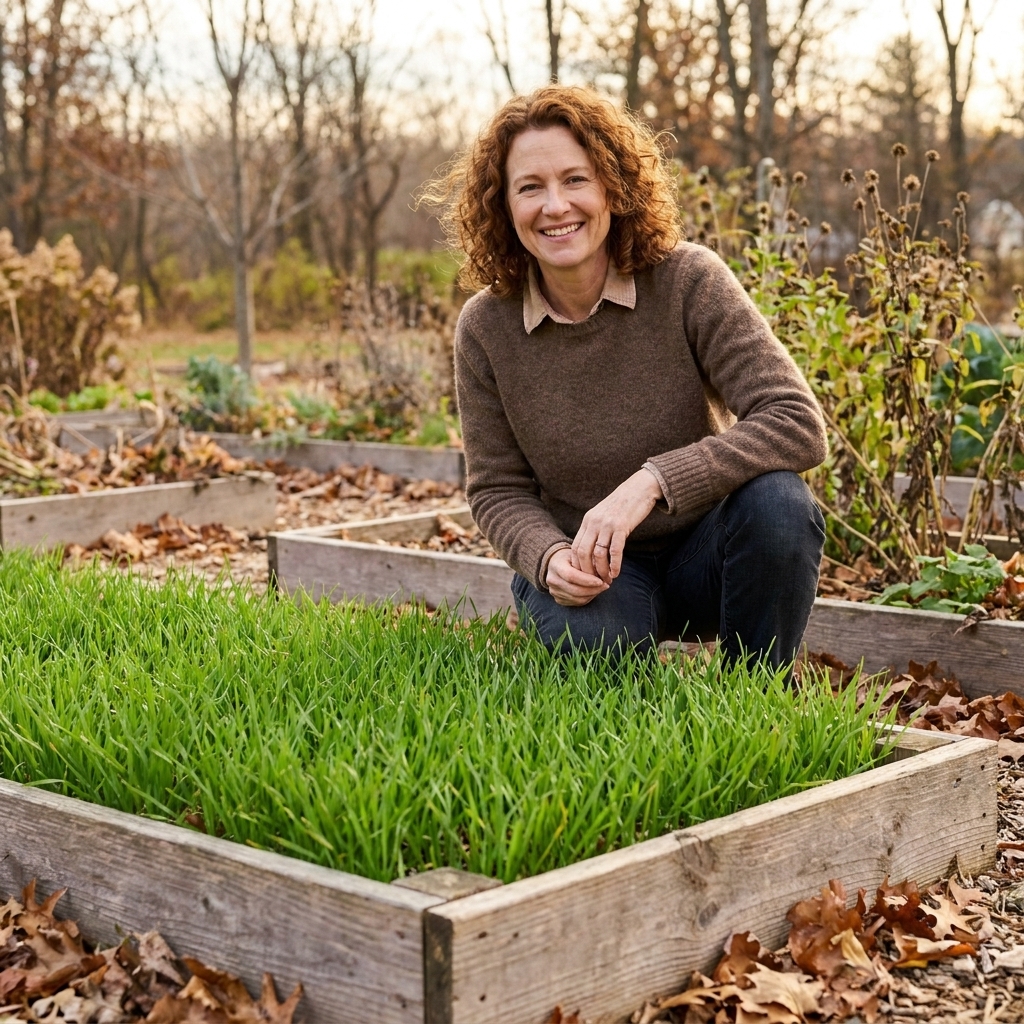
If you want the toughest, most reliable winter cover, cereal rye is the workhorse. It germinates in cool soil, keeps growing when many other plants stall, and makes a lot of biomass for mulch.
- Best for: Erosion control, weed suppression, building organic matter, improving structure.
- Watch for: It can be slow to break down if incorporated thickly, and it can tie up nitrogen briefly as it decomposes. Pair it with a legume or plan to add compost in spring if your crops are heavy feeders.
Crimson clover or white clover
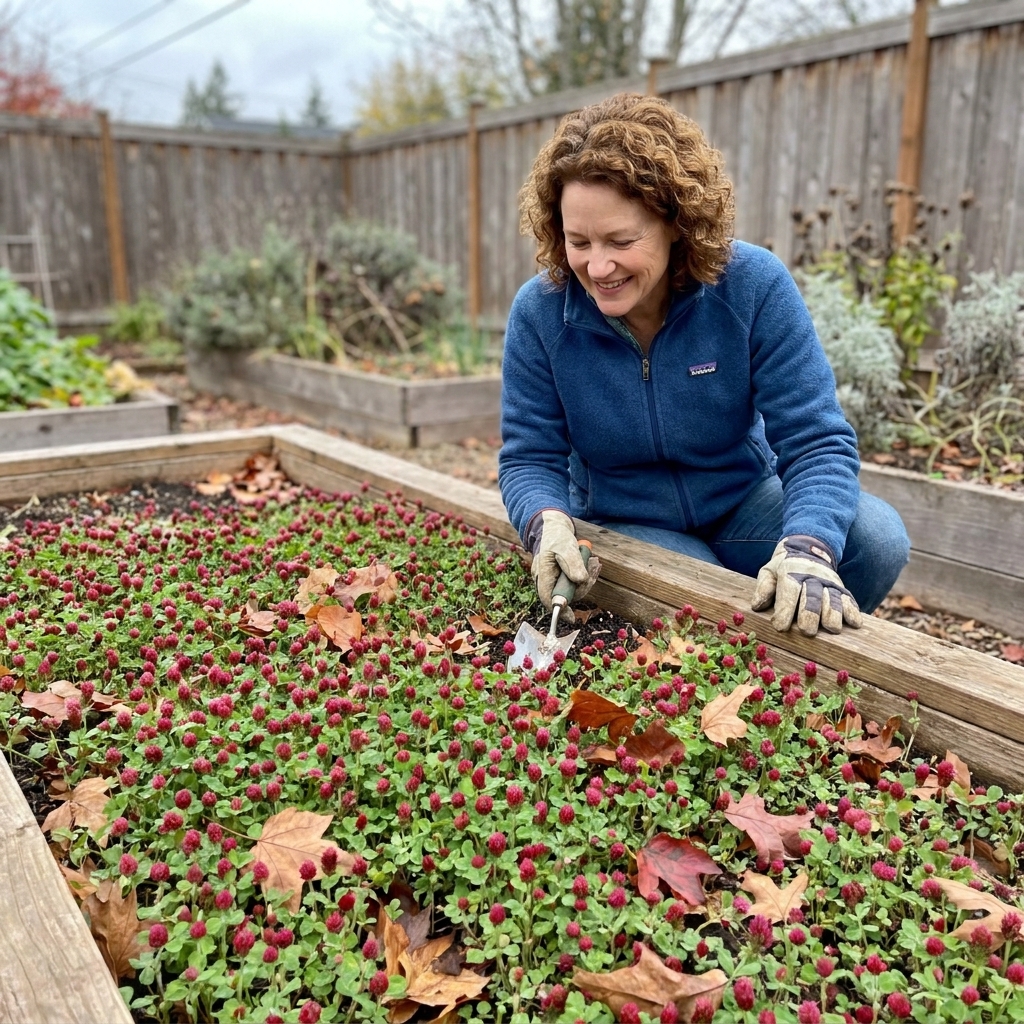
Clovers are legumes, meaning they can fix nitrogen in partnership with soil bacteria. In plain terms: clover can contribute nitrogen for the next crop, but the amount depends on how much biomass you grew, whether the roots were well-nodulated, and when you cut it down. It can help spring crops, but I would not count on clover alone to fully feed hungry plants like brassicas without some compost or another nutrient source.
- Best for: Nitrogen contribution, pollinator support if allowed to bloom in spring, living mulch effect.
- Watch for: Clover generally wants a bit more time and milder winters than rye, depending on your region. It is also easier to manage if you cut it down before it sets seed.
Hairy vetch
Hairy vetch is another nitrogen-fixing legume, known for strong spring growth and lots of biomass.
- Best for: Big nitrogen gains, thick spring mulch.
- Watch for: It can get viney and stubborn if you let it run too long. In some areas it can also turn weedy if it sets seed, so cut it down on time and do not let it mature and scatter.
Winter peas (Austrian winter peas)
Winter peas are a friendlier legume option for many backyard gardeners. They fix nitrogen and are usually easier to chop and drop than vetch.
- Best for: Nitrogen plus tender biomass that breaks down faster than rye.
- Watch for: Hard freezes can knock them back in colder climates, though they often regrow in spring if established well.
Oats (often winter-killed)
Oats are fantastic if you want a cover crop that often dies on its own after hard freezes. That leaves a ready-made mulch layer with no spring termination job.
- Best for: Easy management, surface mulch, quick fall cover.
- Watch for: Winter-kill depends on variety and weather. As a rough rule, many oats winter-kill somewhere around 10 to 15°F (about -12 to -9°C), but local results vary. In mild winter areas, oats may survive longer than expected.
My favorite mixes
Mixes are where cover crops really start to feel like a soil “recipe.” Grasses give structure and weed suppression. Legumes bring nitrogen. Together they balance each other.
- Rye + crimson clover: Great all-around winter protection with spring nitrogen support.
- Oats + peas: A gentler mix that is easy to cut down, and often partially winter-killed in colder regions.
- Rye + hairy vetch: Powerful biomass and nitrogen combo if you have time in spring to manage the growth.
If you are brand new to cover crops, start with rye + clover or oats + peas. They are forgiving and do not require fancy tools.
When to plant
The best time is usually late summer through fall, while soil is still warm enough for quick germination but cool enough that summer weeds are slowing down.
- Aim for: 4 to 6 weeks before your ground typically freezes or before consistent hard frosts stop growth.
- Why that window matters: You want the seedlings established so they can handle cold snaps and still cover the soil.
If you are running late, choose a fast germinator like rye or oats, and seed a little heavier for quicker coverage.
How to plant in raised beds
This is the part that sounds more complicated than it is. I do it the same way I sow a thick patch of salad greens.
Step 1: Clear the bed, lightly
Remove old crop stems and big debris. Leave fine roots in place. Those roots are organic matter and they help keep soil structure intact.
Step 2: Rake and water
Rake the surface so seed can make good contact. Water the bed so the top inch is evenly moist.
Step 3: Broadcast seed
Sprinkle the seed evenly by hand. In small beds, broadcasting is easier than drilling neat rows.
Seeding rate tip: Follow the bag rate, then in raised beds I usually err slightly high. Thick coverage is the whole point.
Step 4: Cover the seed
Rake very lightly to tuck seed under a thin layer of soil, then pat it down with your palm or the back of the rake. Seed-to-soil contact is the whole game. Most cover crop seed wants shallow coverage, roughly 1/4 to 1/2 inch.
Step 5: Water until germination
Keep the top layer moist for the first week or two. After that, fall rains often take over.

Winter care
One of the best things about winter cover crops is that they do not need babysitting.
- Watering: Only necessary if your fall is unusually dry and seedlings are struggling to establish.
- Fertilizer: Skip it. The goal is soil building, not pushing lush growth.
- Weeding: A good stand crowds weeds out. If you see a few big invaders, pull them before they seed.
If snow flattens your cover crop, do not panic. Most winter-hardy covers bounce back once temperatures moderate. Ice sheeting and repeated freeze-thaw can be rough on any plant, so if a stand looks ugly in late winter, remember that the roots still did a lot of the job.
How to cut them down in spring
“Termination” is just gardener-speak for “stop it from growing so you can plant vegetables.” The trick is timing.
Best timing
For most home gardens, cut it down 2 to 4 weeks before you plan to plant. That gives plant material a head start on breaking down and makes beds easier to work.
Option A: Chop and drop (my go-to)
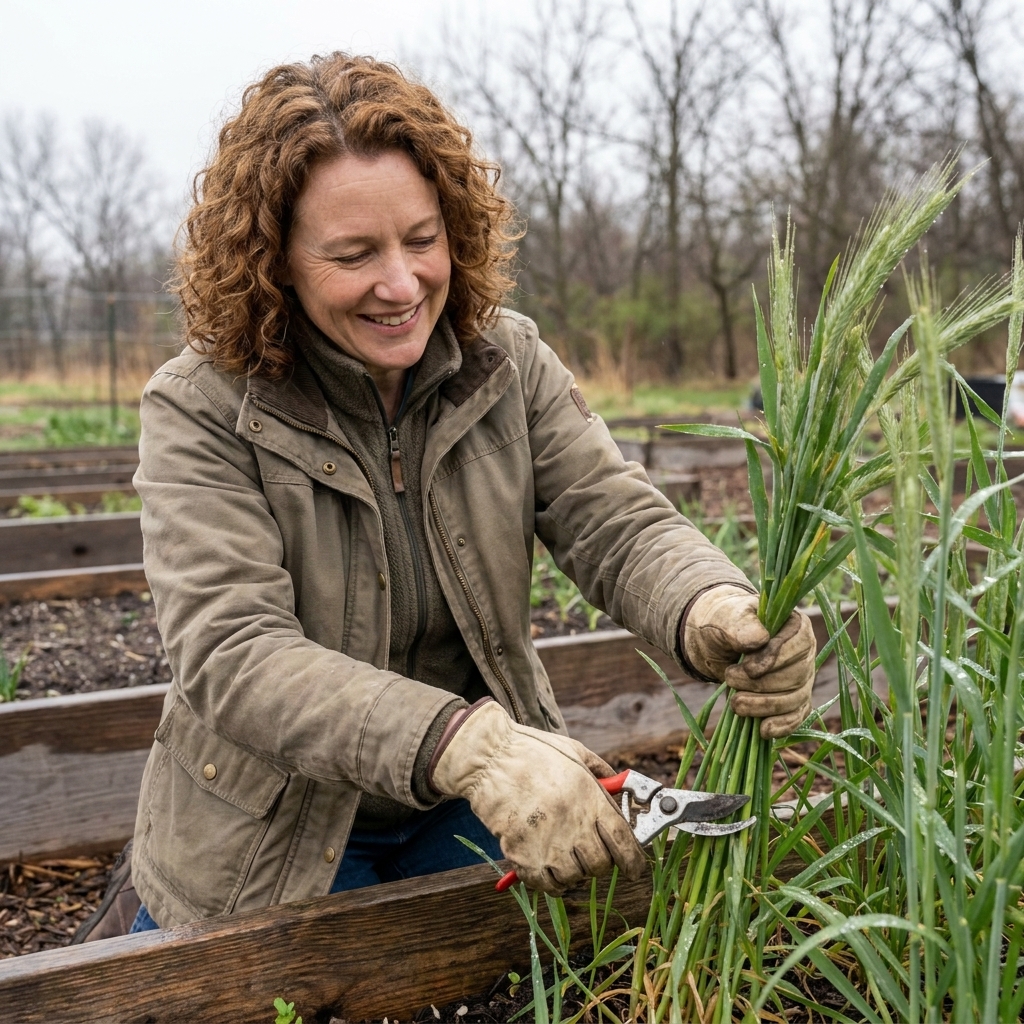
Use pruners, a sickle, or hedge shears and cut the cover crop close to the soil line. Leave the roots in the ground. Spread the clippings as mulch right on top.
- Pros: No digging, protects soil, feeds worms, keeps moisture in.
- Cons: Thick mulch can slow soil warming slightly in very cool springs.
Option B: Tarp it
After chopping low, cover the bed with a dark tarp or silage plastic for 2 to 4 weeks. This finishes the job and softens the residue.
- Pros: Very effective, especially for vigorous grasses.
- Cons: Requires a tarp and a little patience.
Small heads-up: Very young rye can regrow after a single cut. If it pops back up, cut it again or tarp it.
Option C: Light incorporation (use sparingly)
You can mix cover crops into the top few inches of soil, but avoid deep digging. In raised beds, too much tilling can break soil structure and bring up dormant weed seeds.
Tip from my clay-soil days: If you incorporate a heavy grass cover like rye, mix in compost at the same time, and wait a couple weeks before sowing small seeds. Transplants are more forgiving.
Nitrogen: what to expect
This is where a lot of gardeners get disappointed, so let me make it plain.
- Legumes (clover, vetch, peas) can add nitrogen because they form nodules on their roots that house beneficial bacteria. How much nitrogen you get back depends on nodulation, growth, and timing.
- Grasses (rye, oats) do not fix nitrogen. They are “nitrogen catchers,” meaning they hold leftover nitrogen in their tissues instead of letting it wash away.
Three important notes:
- If a legume does not form nodules, it will not fix much nitrogen. If you are starting new raised beds, using bagged soil, or you have never grown that legume before, a matching rhizobia inoculant can help.
- High nitrogen fertilization can reduce nitrogen fixation. So if your goal is nodules, do not feed the legume stand heavily with fast-available nitrogen, no matter the source.
- If you let rye get huge and then mix it into the soil, microbes may temporarily tie up nitrogen while decomposing that carbon-rich material. That is not permanent, but it can slow early growth of hungry crops.
If you want both weed control and nitrogen support, a rye + clover mix is a sweet spot for many raised bed gardeners.
Common mistakes
- Planting too late: Seedlings need time to establish. If you missed the window, consider mulching with shredded leaves and try cover crops next fall.
- Seeding too lightly: Sparse cover crops do not suppress weeds well. In small beds, it is better to slightly over-seed than under-seed.
- Letting it go to seed: Cut it down before seed set unless you truly want volunteers.
- Planting immediately after cutting: Give residue time to settle. For direct-seeded carrots or lettuce, that 2 to 4 week buffer makes life easier.
- Over-tilling: Raised beds do best with minimal soil disturbance. Cut at the base and leave roots whenever you can.
Quick plans
“My bed is empty after tomatoes in September”
Pull the vines, rake smooth, and sow rye + clover. Cut it down about 3 weeks before spring planting. Add a thin compost top-dress at planting time.
“I want the easiest option”
Sow oats thickly. If your winters are cold enough to winter-kill, you will have a ready mulch layer by late winter.
“My brassicas struggled”
Plant crimson clover or winter peas (or both), and plan on adding compost in spring too. Cut it down before heavy flowering if you need the bed early.
“I have gnarly clay and compaction”
Go with cereal rye for serious roots and biomass, ideally with a legume mixed in. Repeat for a couple seasons and you will feel the difference under your trowel.
FAQ
Will cover crops attract pests?
They can provide habitat for beneficial insects, and occasionally for pests too. The payoff is usually worth it. If slugs are a known issue in your garden, avoid letting a thick, wet mat sit right against tender seedlings. Cut the cover crop down a bit earlier and keep spring beds tidy around transplants.
Can I use compost instead of cover crops?
Compost is wonderful, but it does not prevent erosion the way living roots do. I like compost plus cover crops. Compost feeds the bed quickly, cover crops build long-term structure and resilience.
Do I need to dig the cover crop in?
No. In raised beds, chop-and-drop works beautifully. Leaving roots in place improves soil structure and reduces weed seed disturbance.
How tall should I let rye get before cutting it?
For easy management, cut rye while it is still tender and before it forms seed heads. If you wait until it is tall and stemmy, it is still useful, but it takes longer to break down.
A winter bed that works
A cover-cropped bed looks alive in the quiet months, and that is the point. While you are inside planning seeds and sipping something warm, those roots are holding soil in place, feeding microbes, and setting you up for an easier spring.
If you only try one cover crop this year, try a small patch of rye and clover in your most depleted bed. Come spring, dig your fingers into that soil. It will tell you the rest of the story.