A practical, gardener-to-gardener guide to harvesting summer vegetables at peak sweetness and tenderness, using simple size, color, and texture cues.
Veg Loom
October 17, 2026
By Maggie O'Connell
When to Harvest Carrots and Other Root Vegetables
Harvesting carrots, beets, radishes, and turnips doesn’t have to be a guessing game. Learn the easiest visual cues, simple soil checks, and flavor tips to pull roots at their peak.

Maggie O'Connell
Maggie O'Connell is a lifelong gardener and the voice behind Vegloom, dedicated to helping people grow their own food regardless of their yard size. With over 15 years of hands-on experience in backyard agriculture, she specializes in raised bed gardening, organic soil building, and seasonal planting calendars. When she isn't writing, Maggie can usually be found tending to her sprawling heirloom tomatoes or experimenting with new compost recipes.
Root crops are the ultimate magic trick of the vegetable garden. You water, you wait, you watch leaves… and the good part happens underground where you cannot see it. If you have ever yanked up a carrot the size of a pencil (or waited too long and found a woody, cracked monster), you are in the right place.
Here’s how I take the guesswork out of harvesting carrots, beets, radishes, and turnips using a mix of “what you can see above ground” and quick, gentle soil checks.
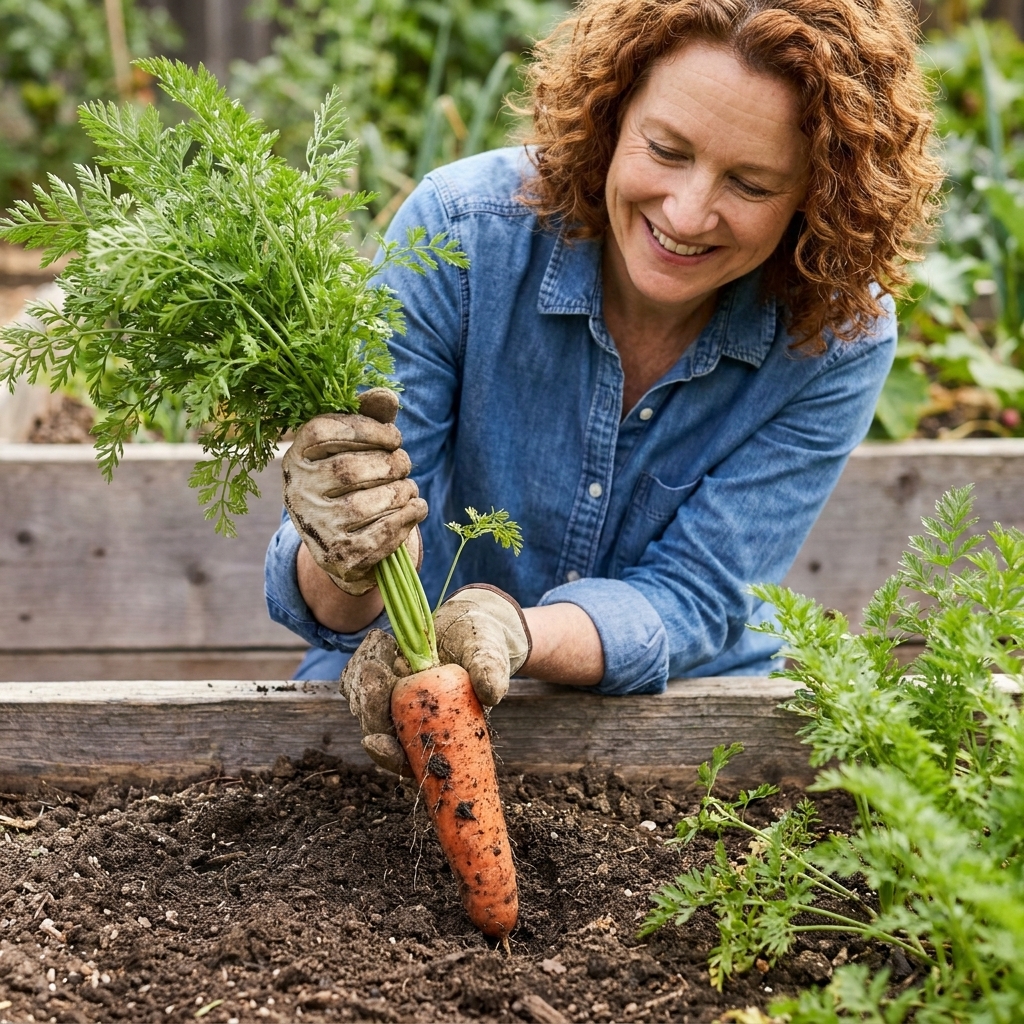
Before you pull anything: 3 rules
1) Size matters, but texture matters more
Most root vegetables taste best in a size window, but the real goal is tender, crisp texture. Waiting for “bigger” can mean tougher skins, woody cores, or pithiness.
2) Soil moisture changes everything
If the bed is bone-dry, roots cling to soil and snap. If it is soggy, you can smear wet soil onto the root and bruise skins. I aim to harvest when the soil is evenly moist, often the day after a good watering or a gentle rain.
3) Pull a tester first
One “test root” tells you what the whole row is doing. If the tester is small, give it more time. If it is perfect, harvest the rest. If it is overgrown, start pulling the biggest first and plan to use them soon.
Carrots: how to tell they’re ready
Carrots are the classic underground mystery, but they give you a few reliable clues.
Look at the shoulders
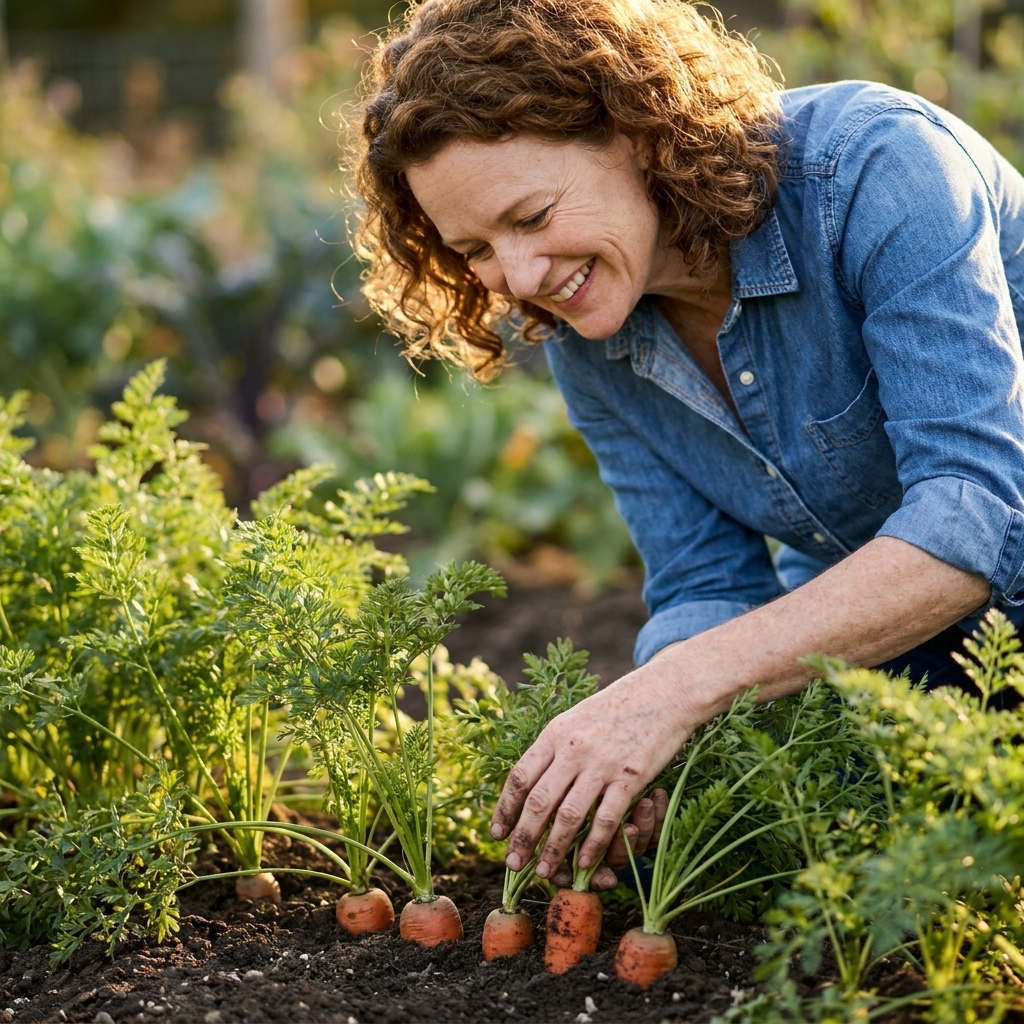
The easiest visual cue is the top of the root where it meets the greens. As carrots size up, the “shoulders” often push above the soil line. Brush soil back with your fingers and check:
- Diameter at the shoulders: Many varieties are delicious around ½ to 1 inch across, but check your seed packet for the variety’s target size. Some “baby” and Paris-market types are meant to be pulled smaller.
- Color: Orange carrots should be richly colored at the crown. Pale shoulders can mean they are still sizing up.
Use a gentle soil check (my favorite trick)
If you cannot see shoulders, use two fingers to loosen soil beside the carrot, then feel the root’s width near the top. You do not need to dig the whole thing up to learn a lot.
Watch the tops, but don’t trust them completely
Big, bushy greens can happen even when roots are small, especially if nitrogen is high. Tops are a hint, not a verdict, but they can help you spot timing:
- Younger carrots: feathery tops, thinner stems
- Maturing carrots: thicker stems, fuller clump
When carrots are “too late”
Carrots can stay in the ground longer than most vegetables, but quality drops when:
- Cores get woody (often from heat or age)
- Roots crack (usually uneven watering after a dry spell)
- Shoulders turn green (sun exposure). This is generally safe to eat, but it can taste bitter. If you do not like the flavor, trim off the green part. Hill a little soil or mulch around shoulders as they grow.
Beets: read the crown
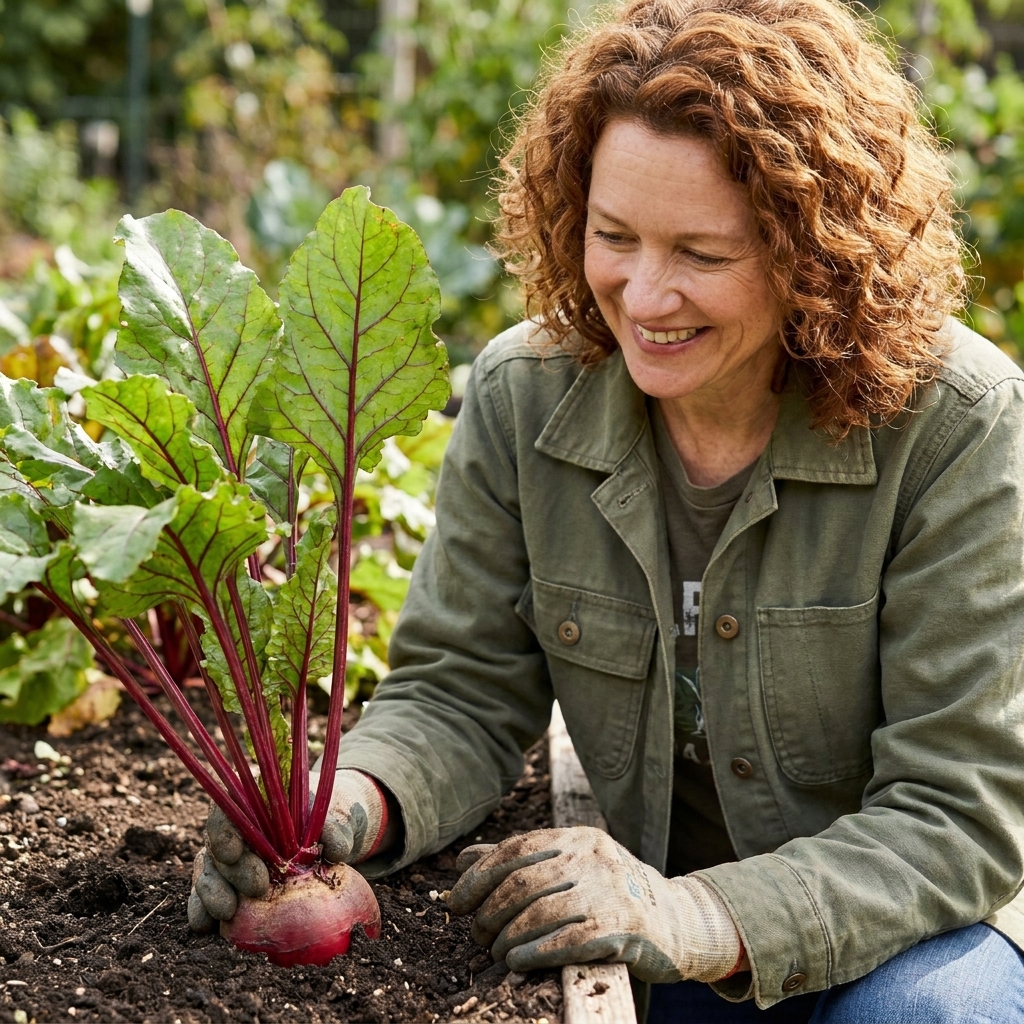
Beets are wonderfully cooperative. They tend to show you their size by lifting the crown above the soil.
Best cue: crown diameter
For most common round table beets, they are sweetest and tenderest when the crown is about 1 to 3 inches across. Bigger beets can still taste great, but they are more likely to get firm or develop tougher rings. If you are growing a variety bred to size up, let the seed packet guide you.
Leaf clues: healthy, not necessarily huge
Beet greens should look vigorous, but leaf size is influenced by nitrogen, spacing, and water as much as age. If your leaves are enormous, treat it as a nudge to check the crown, not proof of anything by itself.
Tester method for beets
Grip at the base of the greens and wiggle while pulling. If the beet does not budge easily, slide a hand fork in a few inches away and gently lift.
Tip from my own garden: If you want both good roots and good greens, harvest beets a touch younger. Younger beets have silky greens and tender skins.
Radishes: harvest fast
Radishes are the sprinters of the root world. Their biggest harvesting secret is that they go from perfect to pithy quickly, especially in warming weather.
Ready signs you can see
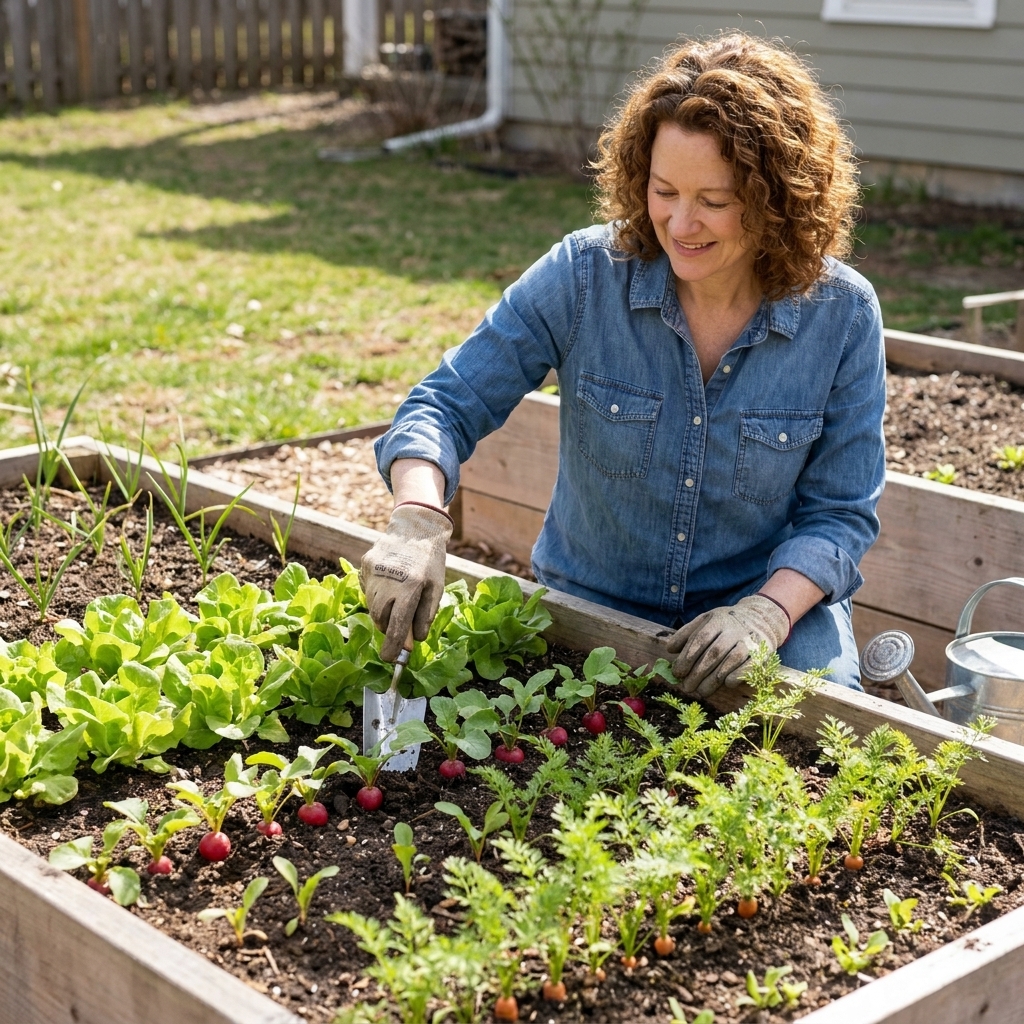
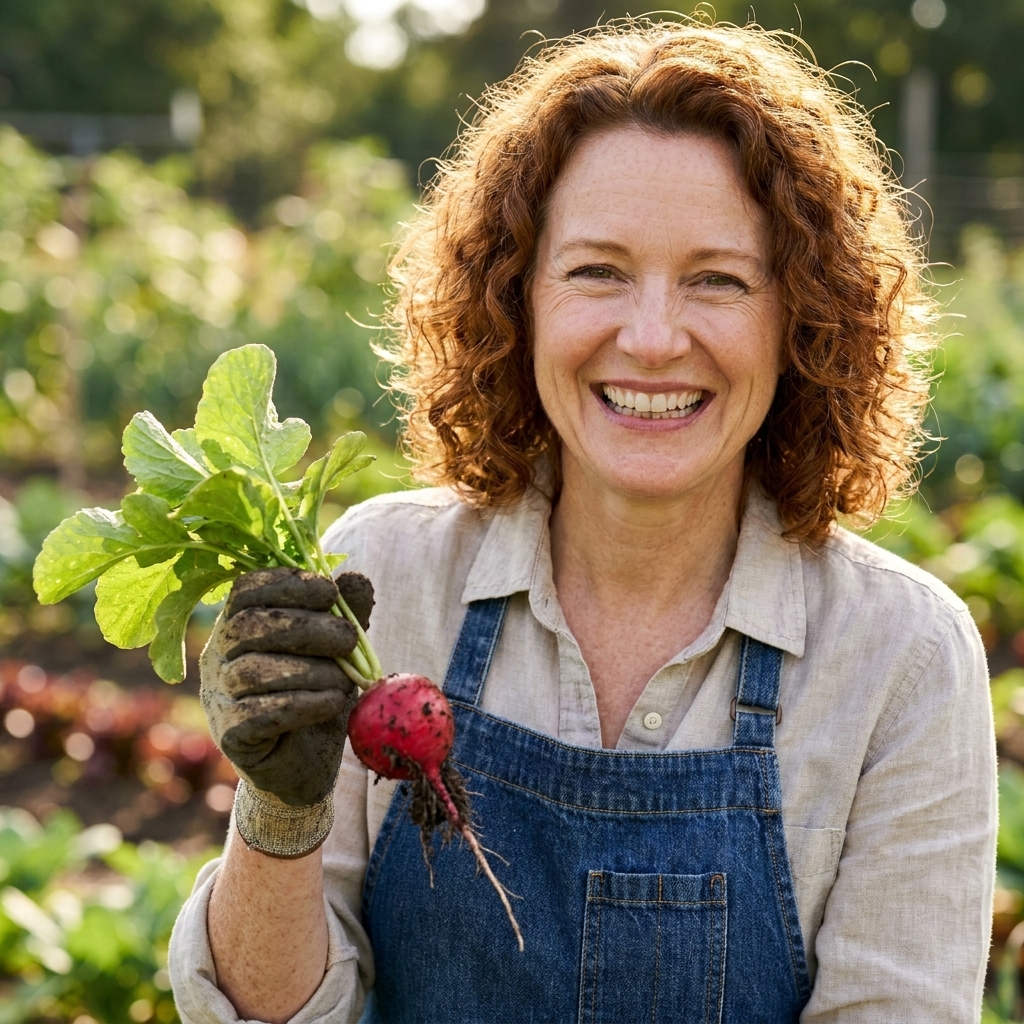
- Root bulge at soil line: Most radishes push their shoulders up as they swell.
- Diameter check: Pull when roots are roughly ¾ to 1½ inches wide for many round varieties.
- Days to maturity: Radish seed packets are often very accurate. Start checking a few days early.
What happens if you wait
Overmature radishes often turn:
- Pithy (dry, spongy interior)
- Extra hot
- Cracked, especially after irregular watering
Special note: daikon and other long radishes
Daikon types are ready when the top portion is thick and the root feels firm. Because they are longer, harvest with a digging fork to avoid snapping them in heavy soil.
Turnips: watch the shoulder
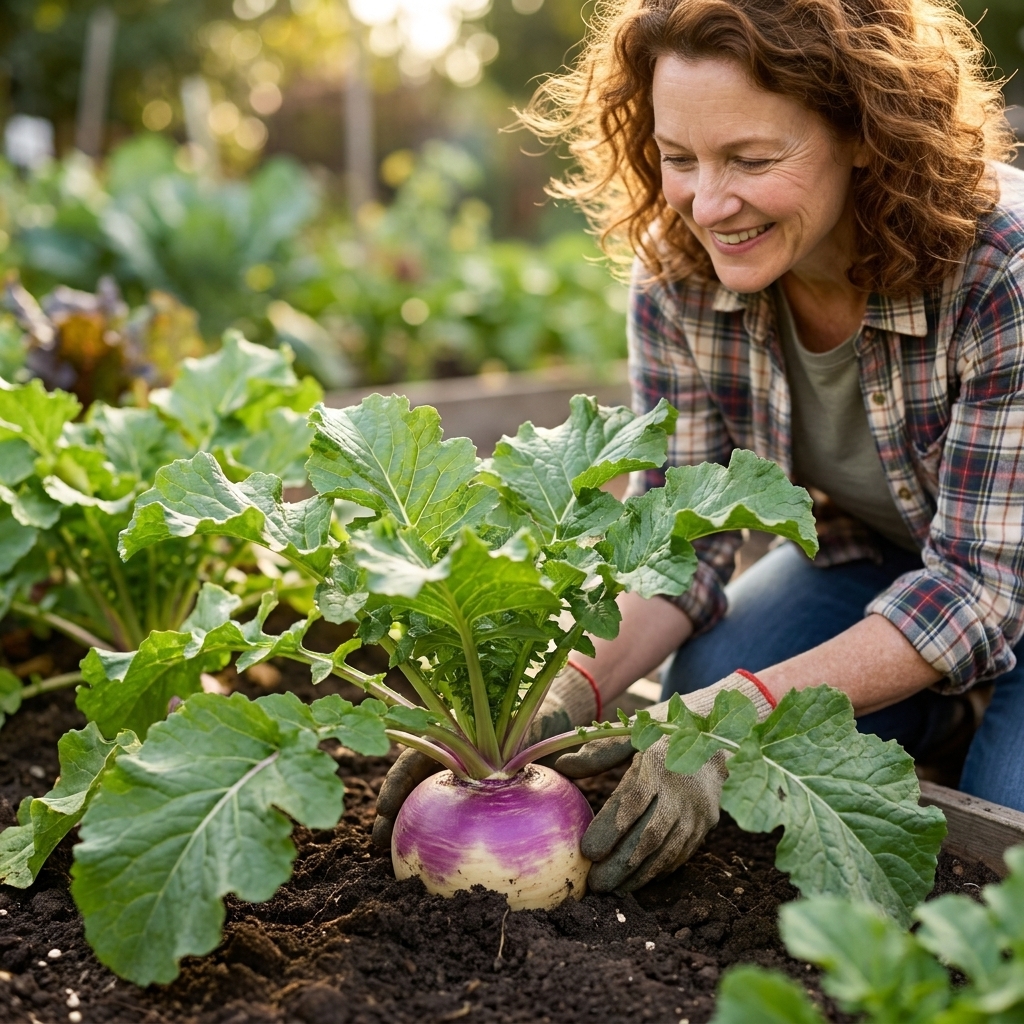
Turnips are at their best when they are tender and mildly sweet. Many varieties show a distinct purple, white, or green shoulder above the soil line, which makes sizing easy.
Best window for most turnips
I start checking turnips when the root shoulder looks about 2 to 3 inches across. Larger can still be usable, but texture can shift from crisp to fibrous. Some storage types are bred to get bigger, so again, the seed packet is your best referee.
Don’t ignore the greens
Turnip greens are a bonus crop. If your greens are gorgeous, you can harvest a few roots earlier and enjoy both. If greens are getting rough or buggy, it is often a sign to harvest soon and reset the bed.
Gentle harvest method
Turnips can be stubborn in tight soil. Loosen beside the root with a hand fork, then pull straight up by the base of the plant, not the leaf tips.
Quick soil checks
You do not need to excavate your bed to learn what is happening underground. Here are my low-drama methods.
The brush-back check
Use your fingers to sweep away the top ½ to 1 inch of soil around the plant base. Check shoulder size and color, then tuck soil back in place.
The “two-finger pinch” for width
Press two fingers into the soil beside the root and feel the width at the top. This is especially helpful for carrots that have not popped their shoulders above the soil.
Use the right tool
- Hand fork: Best for carrots, beets, turnips in raised beds
- Digging fork: Best for heavy soil or long radishes
- Trowel: Use with care, it is easier to nick roots
Timing and flavor
Cool weather sweetens roots
Many root vegetables get noticeably sweeter after cool nights. Carrots and beets, in particular, often taste best in fall as temperatures drop.
Heat speeds up toughness
In warm stretches, radishes can go pithy fast and turnips can get strong. Check more frequently during heat waves.
Harvest in the morning if you can
Roots are often crispest in the morning when plants are fully hydrated. If afternoons are hot in your garden, morning harvest also keeps greens from wilting before you get them indoors.
Harvest without breaking roots
Breaking is most common with carrots and long radishes, and it almost always comes down to soil structure and moisture.
Step by step
- Water lightly the day before if the soil is dry.
- Loosen the soil 2 to 3 inches away from the root using a fork. Angle the fork slightly under the root zone.
- Lift and pull by grasping low on the greens, close to the crown.
- Shake, don’t wash if you are storing. Brush off clumps and save washing for right before cooking.
Trim greens for storage
If you are not eating them immediately, remove greens:
- Carrots and beets: cut tops to about ½ inch. Leaving tops on pulls moisture from the root.
- Radishes and turnips: same idea, trim tops short unless you are using the greens that day.
After harvest: fridge is usually the move
Unlike potatoes and sweet potatoes, these roots do not need curing. Carrots, beets, radishes, and turnips generally do best straight into the refrigerator once the greens are trimmed.
Common harvest problems
Cracking
Usually caused by uneven watering, especially a dry spell followed by a big rain or heavy watering. Mulch helps keep moisture steady. Cracked roots are still fine to eat, they just do not store as long.
Hairy roots on carrots
Often a stress response: compacted soil, inconsistent moisture, or too much nitrogen. The carrots are usually still edible, just harder to scrub clean.
Forked carrots
Typically from rocks, clods, or anything that blocks the root as it grows. Fresh manure or chunky, not-fully-finished compost can contribute too, and so can any nitrogen surge that encourages weird growth. Forked carrots are not a tragedy, they are just awkward looking. I grate them for slaws or roast them.
Pithy radishes
Overmature or grown too warm and too dry. Harvest earlier and consider partial shade in late spring. If they are only slightly pithy, slicing thin for salads or quick pickles can still work.
FAQ
Can I leave carrots in the ground until I need them?
Often, yes. In cool weather, carrots store beautifully in the soil. Just harvest before the ground freezes solid in cold climates, or mulch heavily if you plan to keep them in place longer.
How do I know if my beets are getting woody?
Beets that are past their prime can feel very firm and may show pronounced rings when sliced. If your crowns are well over 3 inches and it has been warm, harvest and use them soon. Roasting is especially forgiving.
Why are my radishes all leaves and no bulbs?
Common causes are heat, too much nitrogen, overcrowding, or not enough consistent moisture. Thin seedlings early and aim for cool-season planting for the plumpest roots.
Should I wash root vegetables right after harvest?
If you are eating them within a day or two, washing is fine. For longer storage, keep them unwashed, brush off loose soil, and store in the fridge in a perforated bag or a lidded container with a slightly damp paper towel to keep humidity up without making things slimy.
A neighborly nudge
If you are unsure, pull one. That single carrot or beet will teach you more than a week of staring at the tops and hoping for the best. And if your “test root” is not perfect, do not worry. Every gardener has eaten their share of tiny carrots and giant radishes. It is part of the fun, and it is how you dial in timing for your exact yard, soil, and season.