A practical, neighbor-to-neighbor guide to deep, infrequent watering that builds strong roots, saves water, and helps tomatoes, peppers, cucumbers, squash, a...
Veg Loom
October 17, 2026
By Maggie O'Connell
Signs of Ripeness: When to Pick 12 Common Summer Vegetables
Pick summer vegetables at peak flavor with this ripeness guide. Learn the size, color, and texture cues for zucchini, cucumbers, beans, tomatoes, peppers, and more.

Maggie O'Connell
Maggie O'Connell is a lifelong gardener and the voice behind Vegloom, dedicated to helping people grow their own food regardless of their yard size. With over 15 years of hands-on experience in backyard agriculture, she specializes in raised bed gardening, organic soil building, and seasonal planting calendars. When she isn't writing, Maggie can usually be found tending to her sprawling heirloom tomatoes or experimenting with new compost recipes.
There is a particular kind of heartbreak that comes from slicing into a homegrown cucumber and finding it tastes like bitter water, or letting a zucchini get so big it could double as a canoe paddle. The good news is that most summer vegetables give you clear, reliable ripeness clues once you know what to look for.
This guide focuses on the three big indicators you can actually check in the garden: size, color, and texture. I will also tell you what “too late” looks like, plus a few harvesting habits that keep plants producing instead of sulking.
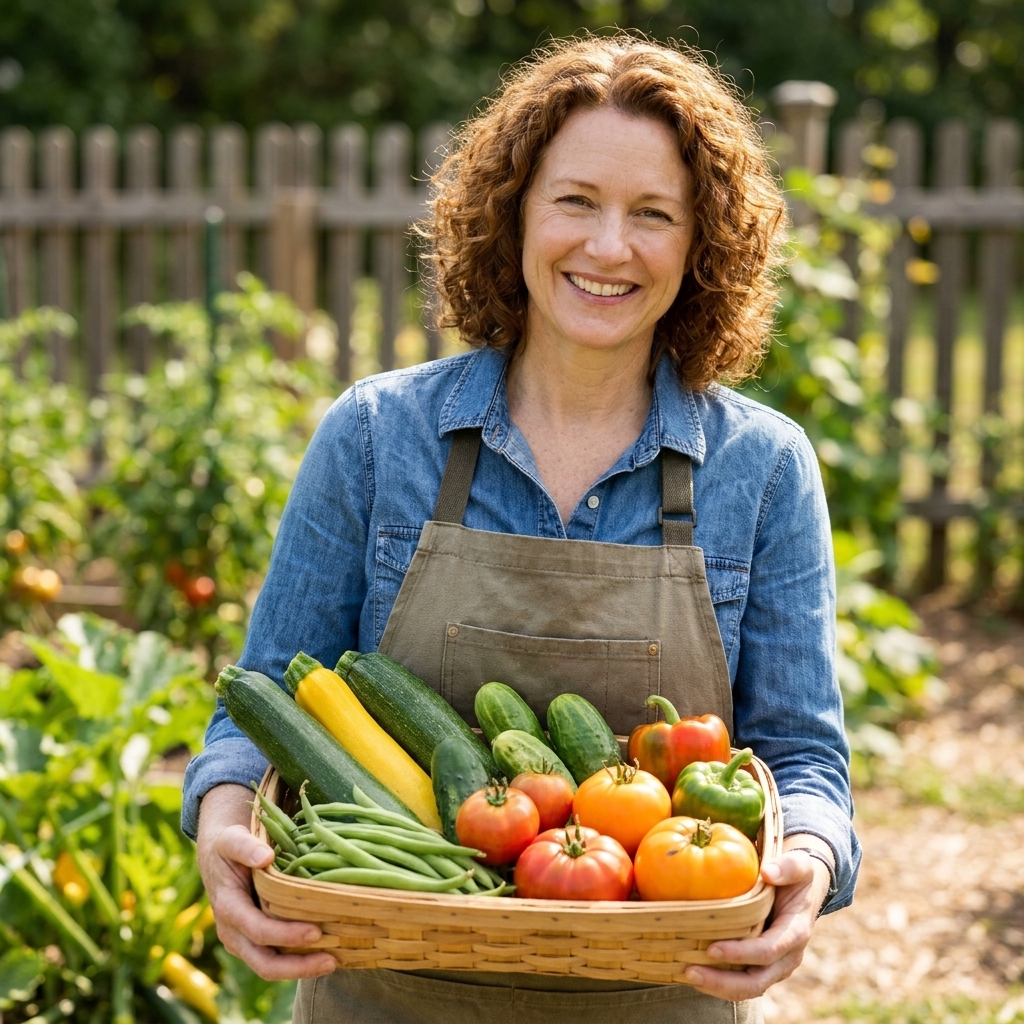
Before you start: 5 ripeness rules
- Pick early in the day. Produce is cooler and crisper in the morning, especially cucumbers, beans, and leafy herbs you might harvest alongside these veggies.
- Smaller is usually sweeter. Many summer vegetables are best young and tender, not fully mature.
- Harvest often to get more. Zucchini, cucumbers, beans, okra, and peppers set more fruit when you keep picking.
- Use scissors or pruners when stems are tough. Yanking fruit can snap vines or tear branches.
- Trust your fingers. Texture is often more accurate than color, especially for cucumbers and summer squash.
1) Zucchini
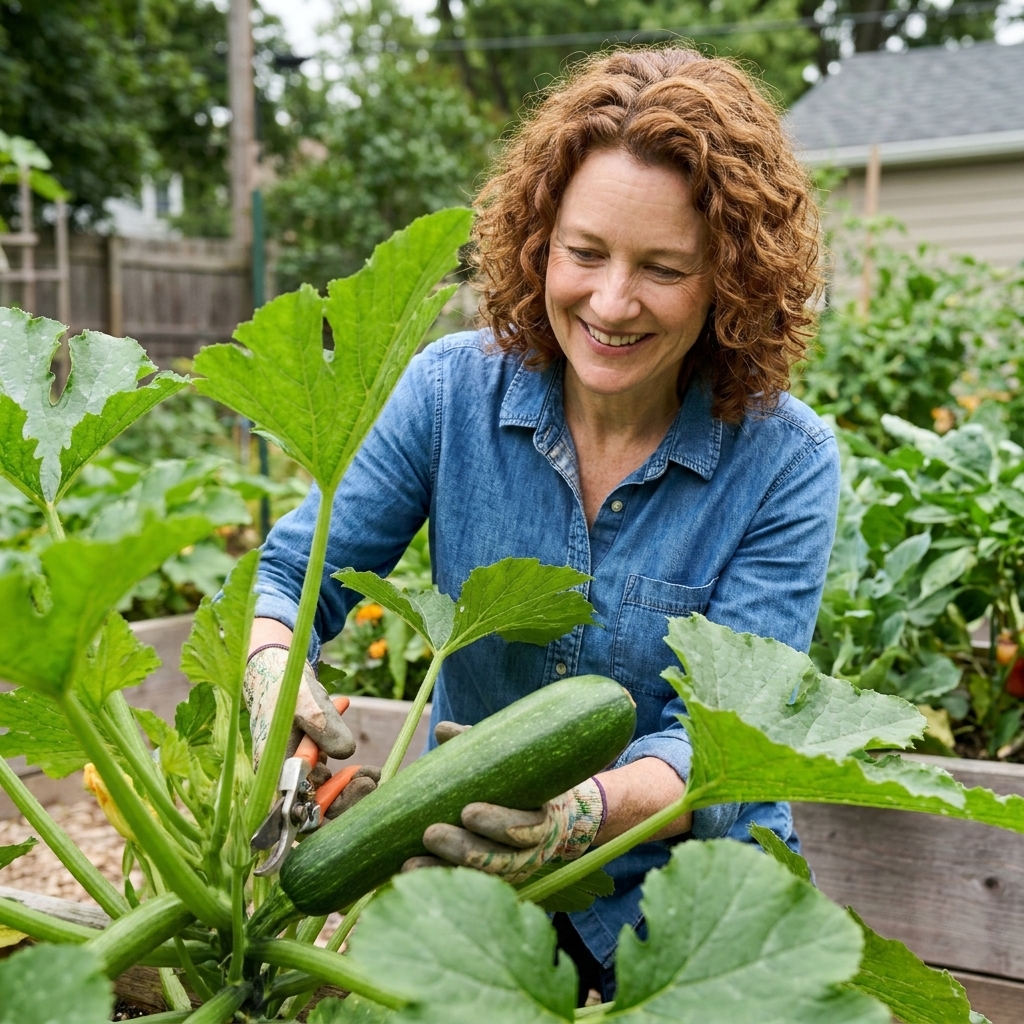
Best size: 6 to 8 inches long (up to 10 inches is still fine for many varieties).
Color: Even, glossy green (or the variety’s normal striping). Dull skin often means it is starting to toughen up.
Texture test: Skin should feel firm but not rock hard. You should be able to press a fingernail into it with just a little effort.
Too late: Huge fruit with very hard skin, a swollen seed cavity, and flesh that is pithy, watery, and seedier. These are better for stuffing, shredding, or baking, but they will not have that tender sauté texture.
How to pick: Cut the stem 1 to 2 inches above the fruit with pruners. Twisting can damage the plant.
2) Yellow summer squash
Best size: 4 to 7 inches long.
Color: Bright, sunny yellow. Many varieties are best before they deepen to a darker gold.
Texture test: Look for glossy skin that still dents with a fingernail. The neck should feel tender, not woody.
Too late: Dull skin, a fat belly, and a tough rind. Seeds will be larger and the flesh will be more watery.
3) Cucumbers (slicing)
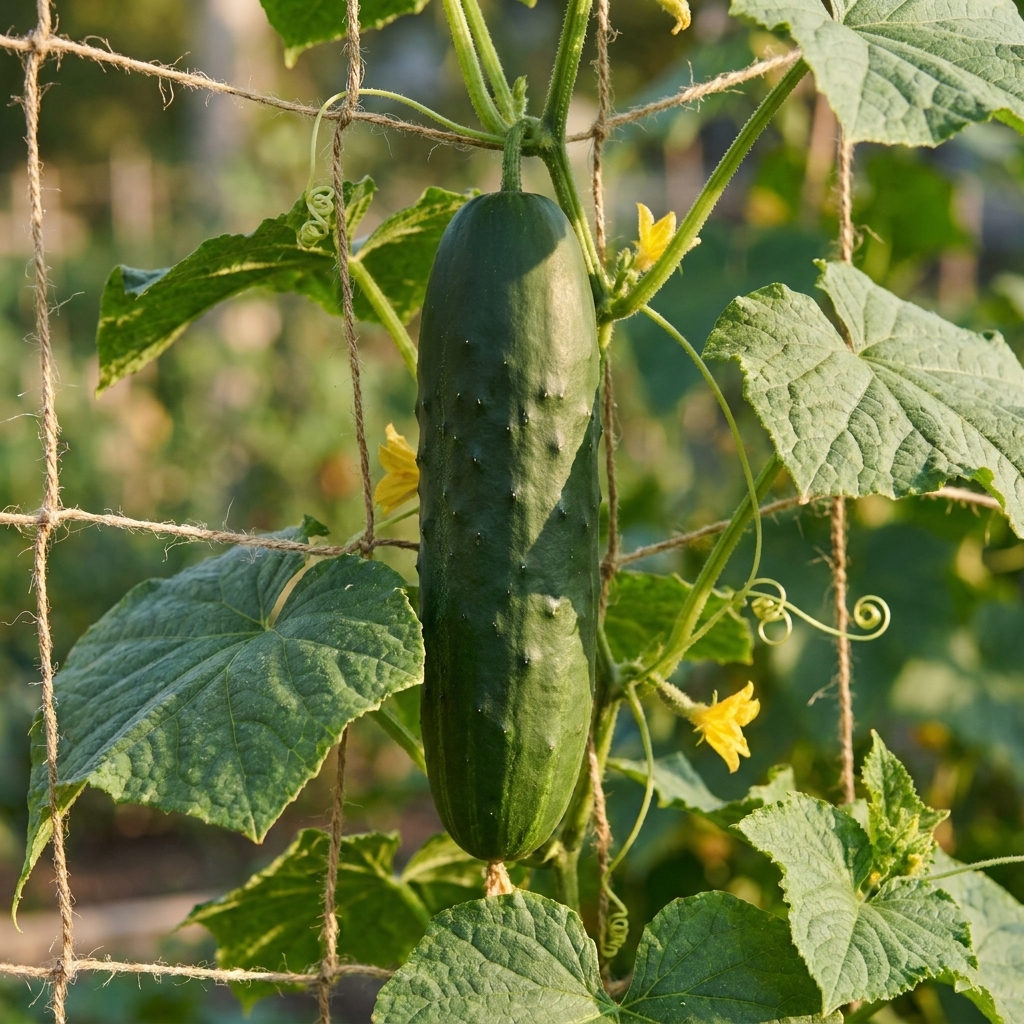
Best size: Usually 6 to 8 inches for standard slicers, but check your seed packet because some are meant to be shorter and thicker.
Color: Medium to dark green, depending on variety. Most slicers should be harvested before they start turning yellow.
Texture test: Taut, crisp feel. The spines (if your variety has them) often rub off more easily at the right stage.
Too late: Yellowing skin, swelling ends, and big, hard seeds inside. Overmature cucumbers are more likely to taste bitter.
Tip from my own mistakes: If one cucumber gets away from you and goes full yellow, pick it anyway. Leaving it on the vine signals the plant to slow down because it thinks it has “finished” its job.
4) Cucumbers (pickling)
Best size: 2 to 5 inches, depending on whether you want tiny gherkins or spear-sized pickles.
Color: Uniform green. Do not wait for yellowing.
Texture test: Very firm. Pickling cucumbers turn seedy fast, so checking daily during peak season is worth it.
Too late: Puffy fruit with obvious seed bulges and softer ends.
5) Green beans (snap beans)
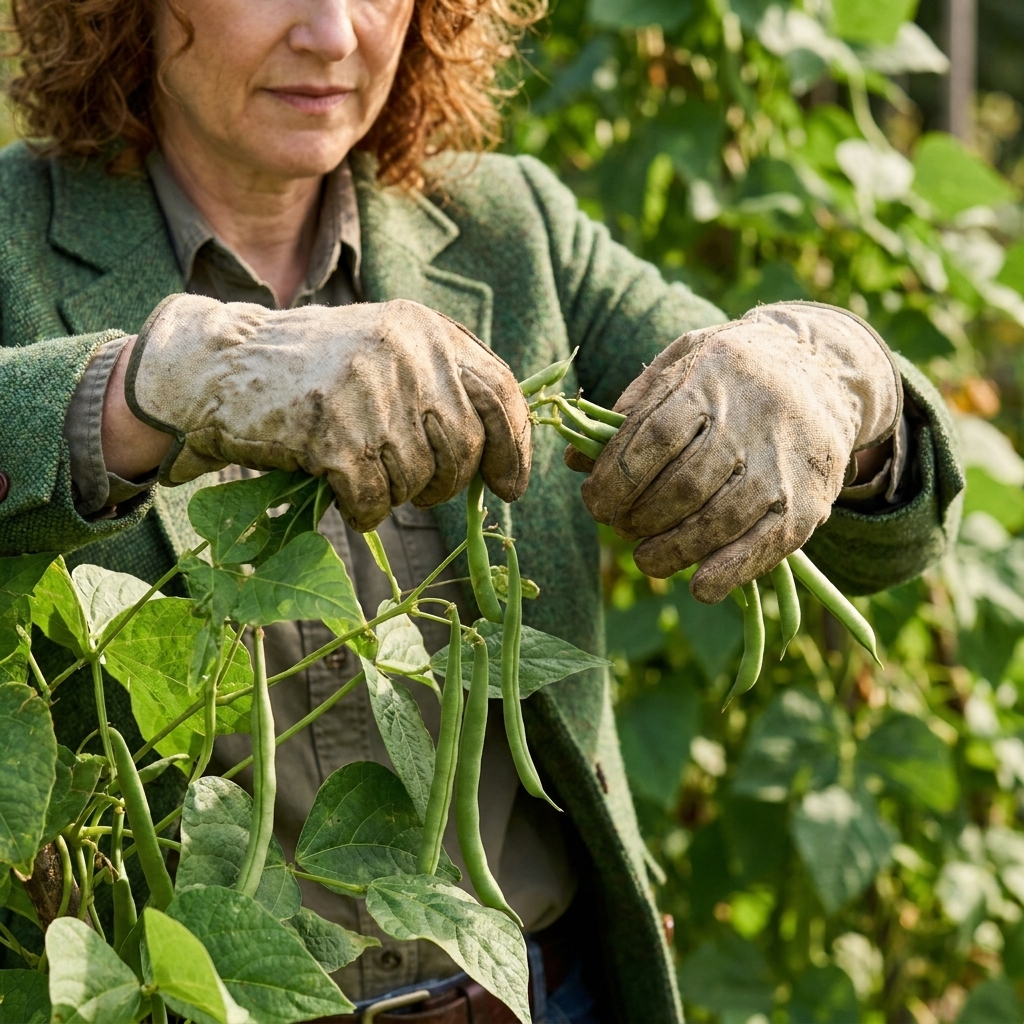
Best size: Most are best at 4 to 6 inches long, harvested while still slender. Length matters less than thickness.
Color: Bright green (or yellow or purple for specialty types), with a fresh sheen.
Texture test: The classic “snap” is real. A ripe snap bean breaks cleanly when bent. The pod should feel smooth, not lumpy with bulging seeds.
Too late: Tough, stringy pods and visible bumps where seeds have swollen. These are better shelled as shell beans (if the variety is suitable) or left to fully mature for dry beans.
How to pick: Hold the vine with one hand and pull the bean with the other to avoid yanking the plant.
6) Sweet corn
Best timing clue: The silk is your calendar, but it is not a stopwatch. Corn is often ready about 18 to 24 days after silks first appear, and variety and temperature can shift that by a week either way.
Color: Silks turn from pale and sticky to brown and dry. The husk stays green but looks filled out and tight.
Texture test: Peel back the top of the husk slightly and press a kernel with your fingernail. You want a milky juice, not clear water (too early) and not doughy paste (too late).
Too late: Kernels look dull and feel starchy. Once corn passes peak, the sugars convert to starch fast, so pick right before you plan to eat.
How to pick: Hold the stalk, then twist the ear downward until it snaps free.
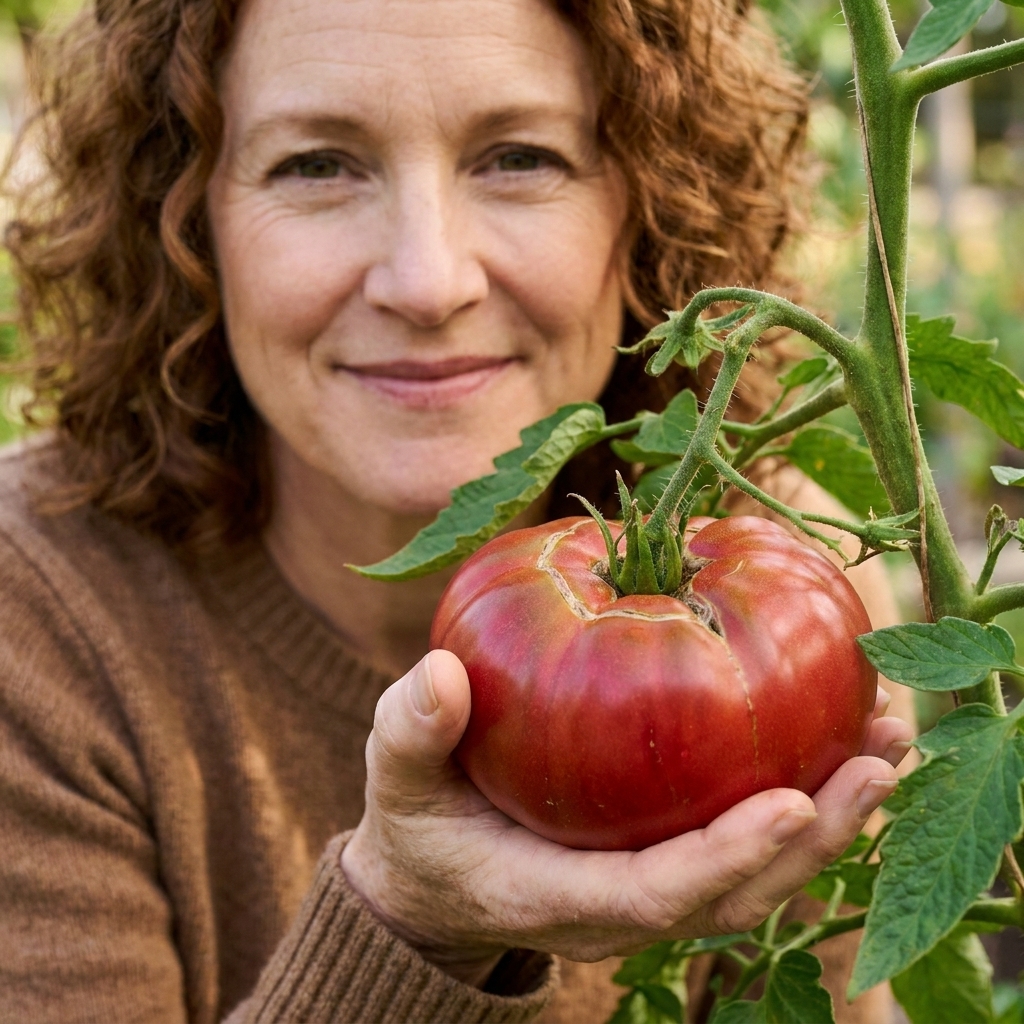
7) Tomatoes
Best stage for flavor: Fully colored with a slight give. For most varieties, that means deep red, but ripeness is really “full variety color.”
Color: Look for even coloring with no green shoulders (unless your variety normally has them). Cherry tomatoes should be fully colored and glossy.
Texture test: A ripe tomato yields slightly when gently squeezed, like a peach that is ready but not bruised.
Too early: Hard, pale fruit that feels like a tennis ball. If you pick at the mature-green or breaker stage (just starting to blush), it will ripen on the counter with decent flavor. Truly immature tomatoes will color eventually, but they rarely develop the same depth.
Too late: Very soft fruit, wrinkling skin, cracking, and increased pest interest. In rainy spells, pick as soon as they color up to avoid splitting.
Harvesting habit: Snip the stem above the fruit or pick with the little green cap attached to reduce tearing.
8) Bell peppers
Best size: Full-sized and blocky for the variety. Most bells are ready green first, then color up to red, yellow, or orange if left longer.
Color: Green stage: glossy, crisp, and fully sized. Color stage: the pepper turns its final color and looks shiny.
Texture test: Thick walls with a heavy feel for their size.
Flavor note: Green bells are more grassy and slightly bitter. Fully colored bells are sweeter. Neither is “wrong,” just different meals.
How to pick: Cut with pruners. Pepper stems are stubborn, and yanking can break branches.
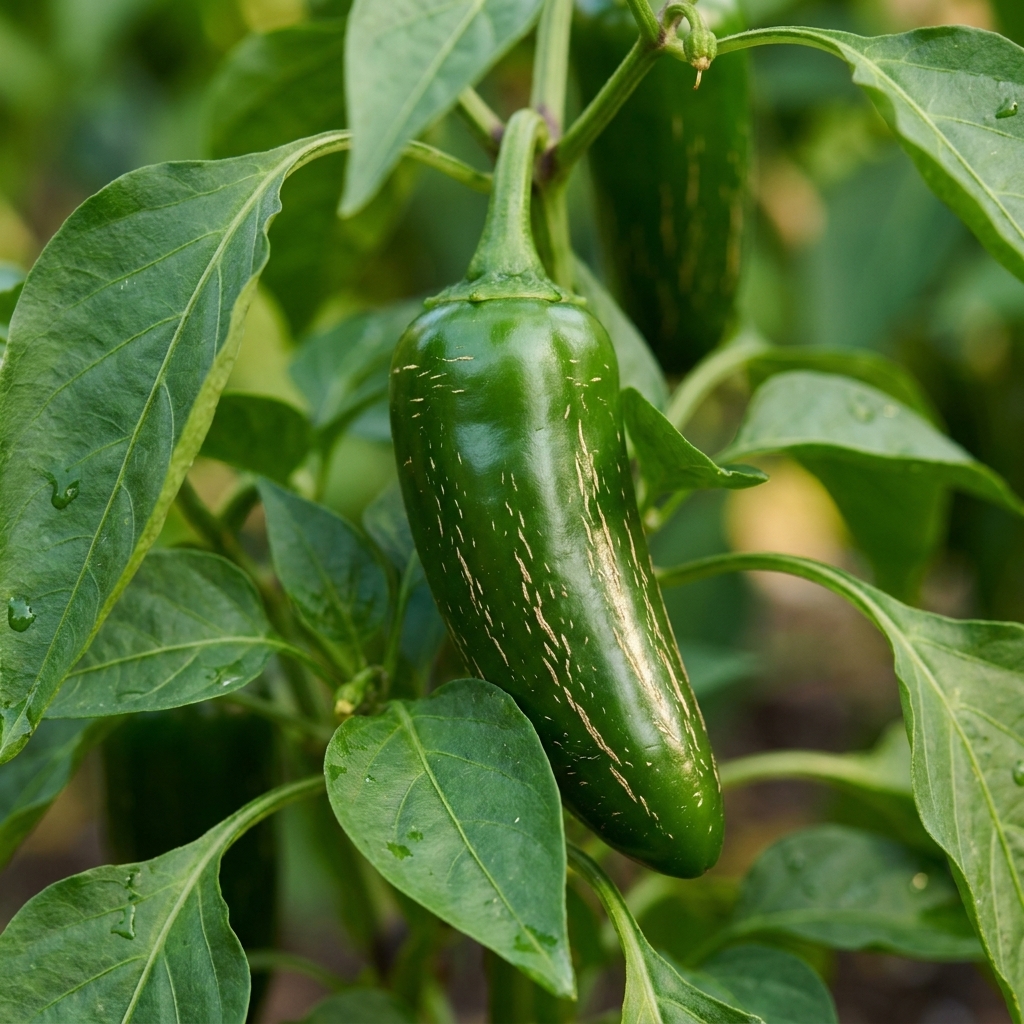
9) Hot peppers (jalapeño, serrano, cayenne, and friends)
Best size: Typical mature size for the variety. Many hots are ready at a firm green stage, then get hotter and more complex as they color.
Color: Depends on variety. Jalapeños often start deep green and may develop slight corking (tan lines) as they mature, then turn red if left longer.
Texture test: Firm, glossy, and tight-skinned. A pepper that feels a bit soft is past prime or has started to dehydrate on the plant.
Too late: Soft spots, wrinkling, or sunken areas. Those peppers can still be used quickly, but they will not store well.
Safety tip: If you are harvesting lots of hot peppers, wear gloves. Ask me how I learned that one the hard way.
10) Eggplant
Best size: Harvest when fruit is glossy and has reached a usable size for the variety, often 6 to 8 inches for classic types.
Color: Deep, rich color with a shiny finish. Dull skin is a strong sign it is getting overmature.
Texture test: Press the skin gently. It should spring back. If the indentation stays, it is too ripe. If it feels rock hard and small, it might still be immature.
Too late: Dull skin, tougher flesh, and more bitter flavor with larger seeds.
How to pick: Use pruners and leave a short stem. Eggplant stems can be prickly.
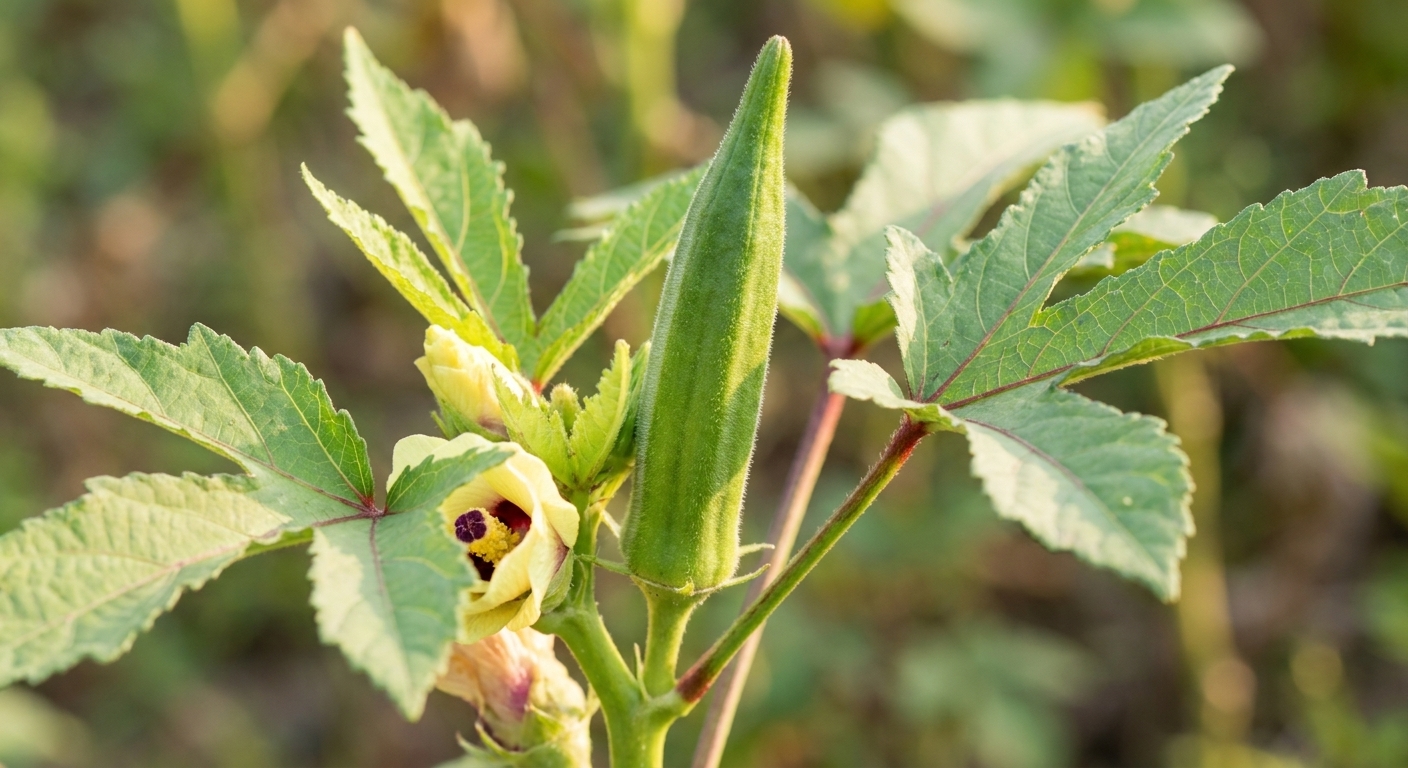
11) Okra
Best size: 2 to 4 inches long for most varieties. Okra can go from perfect to woody in what feels like a single hot afternoon.
Color: Bright green (or burgundy, depending on variety), with a fresh look.
Texture test: The pod should snap cleanly when bent. If it only bends and fibers show, it is already tough.
Too late: Pods longer than 5 to 6 inches are often fibrous and chewy, though some varieties stay tender longer.
How to pick: Cut with pruners and consider gloves or long sleeves because okra plants can be scratchy.
12) Summer carrots (bonus)
Carrots are not everyone’s “summer vegetable,” but if you sow them in spring, you will often be pulling them right alongside tomatoes and beans.
Best size: When the top “shoulders” are about 1/2 to 1 inch wide for most garden carrots. Baby carrots can be harvested earlier.
Color: Bright, even color at the crown. (The true color is mostly underground, but the shoulder gives you a hint.)
Texture test: For the crispest carrots, keep soil moisture steady. A carrot can be “ripe” but still crack or get woody if it grew under stress.
Too late: Very large roots can get tougher, and hot weather can push stronger flavor. Still edible, just more “carroty.”
How to pick: Loosen soil first with a hand fork in raised beds, then pull by the greens close to the crown.
Quick troubleshooting
Bitter cucumbers
Bitter flavor is often caused by heat stress, inconsistent watering, or letting fruit overmature. Some varieties are also simply more prone to bitterness because of genetics. Pick younger, water deeply and regularly, and harvest every day or two in peak heat.
Woody zucchini or squash
Usually overgrown fruit. Harvest smaller and more often. If plants are producing too fast, that is a good problem to have. Share with neighbors.
Mealy tomatoes
Heat, irregular watering, and overripe fruit can lead to mealy texture. Pick when fully colored but still with a little spring, and avoid letting ripe tomatoes bake on the vine for days.
Tough beans
Beans left too long get stringy fast, especially in hot weather. Pick while pods are slim and seeds are barely noticeable.
After harvest: keep flavor
- Sweet corn: Chill it fast if you are not cooking right away. Corn loses sweetness quickly at room temperature.
- Tomatoes: For best flavor, keep them at room temperature, not in the fridge (unless they are already cut or truly overripe and you are buying time).
- Peppers: Store unwashed peppers dry in the fridge. A quick rinse is fine right before you use them.
- Cucumbers and beans: Refrigerate for crispness, and use within a few days for best texture.
Harvesting tools I use
- Small pruning snips: for peppers, eggplant, squash, and anything with a stubborn stem.
- A shallow harvest basket: reduces bruising for tomatoes and peppers.
- Garden gloves: handy for okra and prickly eggplant stems.
- A pocket knife: for quick cuts when you are making rounds.
FAQ
Can I pick vegetables a little early?
For many summer crops, yes. Zucchini, cucumbers, okra, and beans are often better slightly young than slightly old. Tomatoes and peppers will color on the counter, but full flavor is best when they have had time to mature on the plant.
How often should I check the garden for harvest?
In peak summer, every day or every other day is not overkill for zucchini, cucumbers, beans, and okra. They grow fast, especially after a warm night and a good watering.
What if I miss the perfect window?
Pick it anyway, then adjust how you use it. Overgrown zucchini can be shredded for muffins. Overmature cucumbers can be composted or turned into relish if they are not bitter. Big beans can be shelled.
A neighborly nudge
If you take just one thing into the garden with you, let it be this: harvesting is part of growing. The more confidently you pick, the more your plants will give you back.
And if you are standing there debating whether that zucchini is “big enough,” it is.