Find your first and last frost dates, then map them to exact weeks for starting seeds indoors, direct sowing outside, and transplanting vegetables with confi...
Veg Loom
October 17, 2026
By Maggie O'Connell
Planting and Harvesting Calendar for Culinary Herbs
Time your herb sowing, transplanting, and harvest for bigger flavor and better yields. A frost-date-based calendar for basil, cilantro, parsley, thyme, rosemary, mint, dill, chives, oregano, and more.

Maggie O'Connell
Maggie O'Connell is a lifelong gardener and the voice behind Vegloom, dedicated to helping people grow their own food regardless of their yard size. With over 15 years of hands-on experience in backyard agriculture, she specializes in raised bed gardening, organic soil building, and seasonal planting calendars. When she isn't writing, Maggie can usually be found tending to her sprawling heirloom tomatoes or experimenting with new compost recipes.
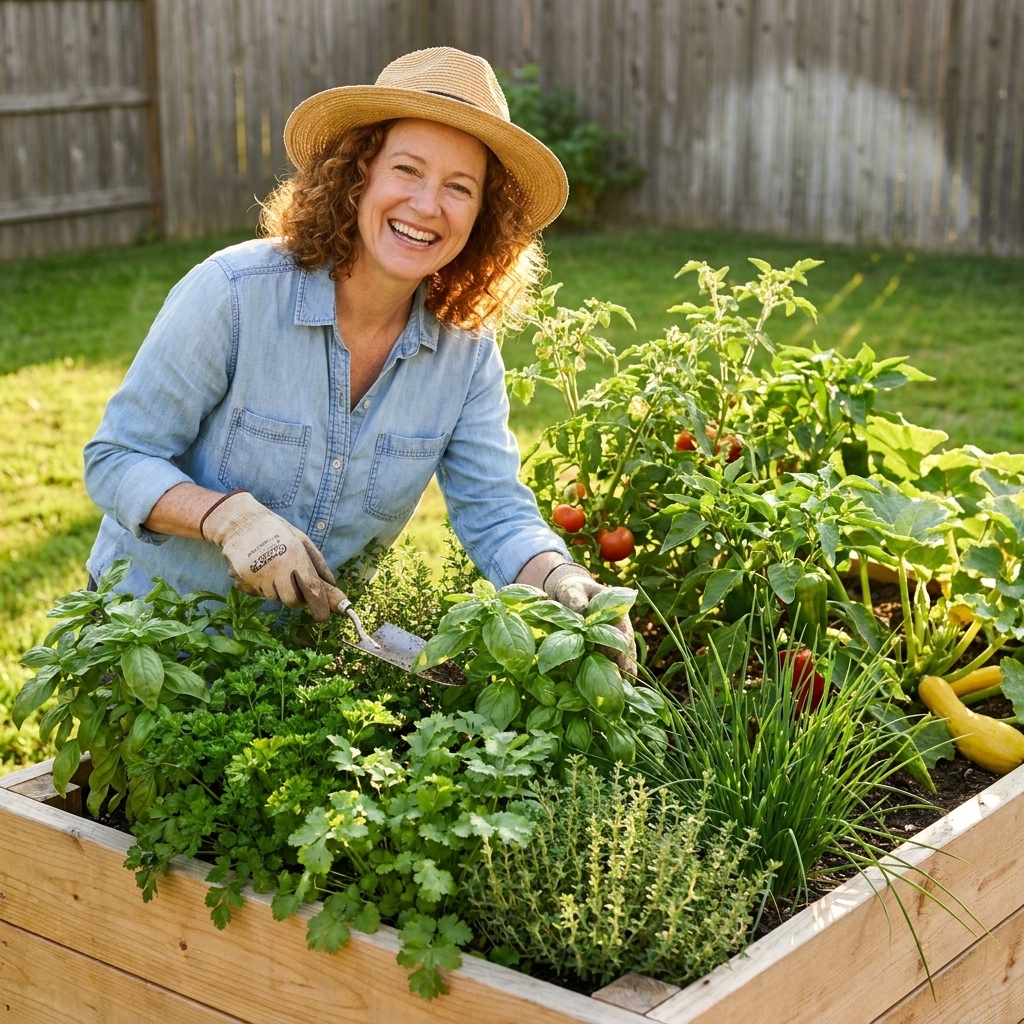
Herbs are the easiest way to make a vegetable garden taste like you know what you’re doing, even on the days the zucchini is trying to take over the county. The trick is timing. Basil wants heat. Cilantro wants cool. Thyme takes its sweet time. And if you plant everything on the same spring weekend, you’ll end up with a brief flood of one herb and a long drought of another.
This calendar gives you the rhythm for the most useful culinary herbs: when to sow, when to transplant, and how to harvest so you get steady flavor alongside your vegetables.
How to use this calendar
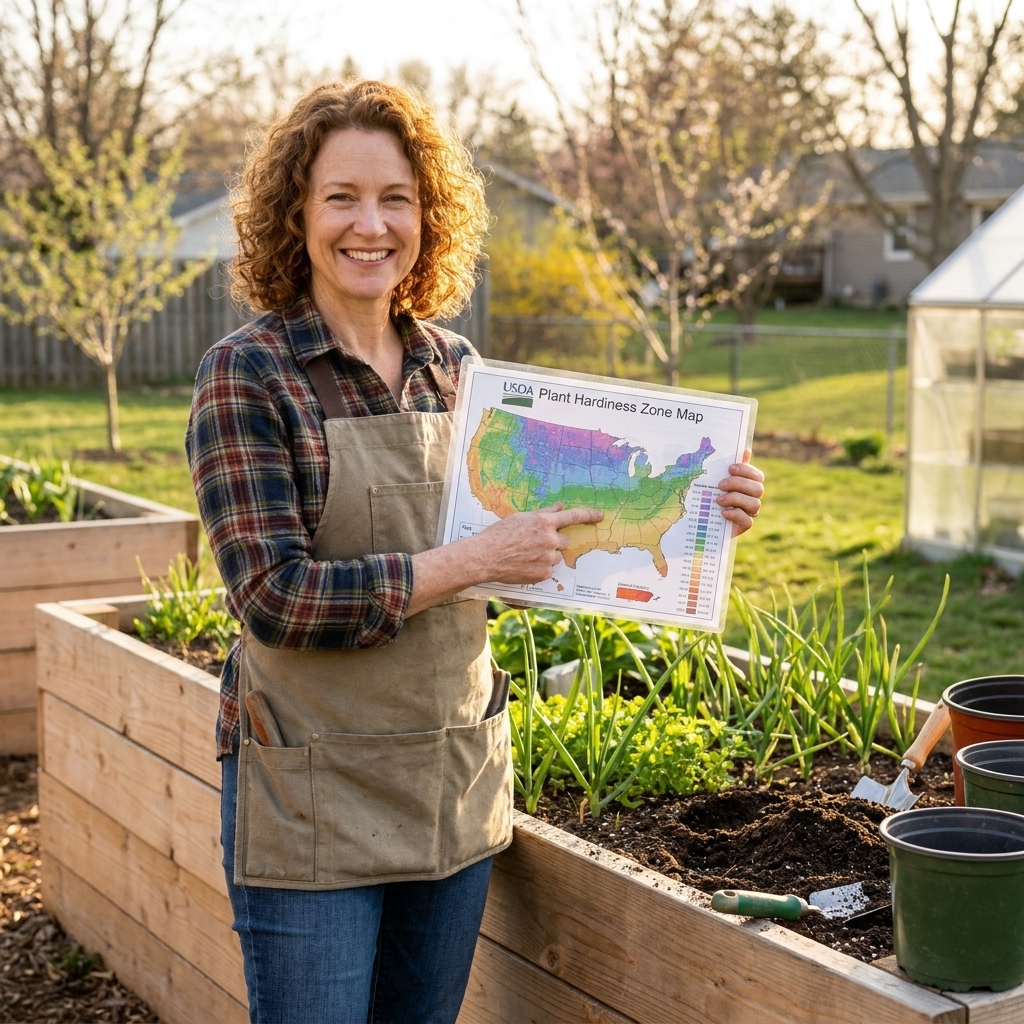
Because Veg Loom readers garden everywhere from patios to big suburban lots, I’m going to anchor timing to frost dates and soil temperature instead of specific months. Then I’ll give you a month-by-month version you can map onto your own last frost date.
- Last Frost Date (LFD): the average last spring frost in your area.
- First Frost Date (FFD): the average first fall frost.
- Weeks before or after LFD: your most reliable planting ruler.
- Soil is workable: not frozen or waterlogged. You can dig it, and it crumbles in your hand instead of smearing into mud.
- Cut-and-come-again harvest: frequent snips that keep herbs producing.
If you don’t know your frost dates, your local extension office, garden club, or a reliable weather source often has them listed by city, county, or ZIP in many areas. Write them on a sticky note and keep it near your seed stash.
Quick-start cheat sheet
Use this as your at-a-glance plan. Details, harvesting tips, and succession timing are below.
- Basil: start indoors 4 to 6 weeks before LFD, transplant 1 to 3 weeks after LFD when soil is about 60°F or warmer and nights stay above 50°F, harvest all summer.
- Cilantro: direct sow 4 to 2 weeks before LFD and again every 2 to 3 weeks through cool weather; pause when sustained heat hits; resume 8 to 10 weeks before FFD.
- Parsley: start indoors 10 to 12 weeks before LFD (more reliable because you can keep it evenly moist), or direct sow 2 to 4 weeks before LFD; harvest spring through fall.
- Dill: direct sow 2 to 4 weeks before LFD (or as soon as soil is workable) and succession sow until early summer; sow again late summer once highs ease for fall.
- Chives: plant divisions or transplants 2 to 4 weeks before LFD or any time soil is workable; harvest for years.
- Thyme, oregano, sage: start indoors 8 to 10 weeks before LFD or buy transplants; transplant around LFD to 2 weeks after; harvest lightly year 1, more after established.
- Rosemary: buy a plant in most climates; set out after LFD once nights are mild; harvest year-round indoors with strong light, summer outdoors.
- Mint: plant after LFD (in a pot unless you enjoy mint everywhere); harvest constantly.
- Summer savory: direct sow around LFD; harvest summer.
Soil temp targets
- Warm lovers: basil does best when soil is around 60°F to 65°F and up.
- Cool-season herbs: cilantro, dill, parsley can handle cool soil as soon as it’s workable, especially with a little protection during cold snaps.
Month-by-month herb calendar
This section assumes a common temperate pattern where LFD falls sometime in spring and FFD in fall. If your last frost is earlier or later, just slide the whole schedule forward or back. The herb behavior stays the same.
Late winter (10 to 12 weeks before LFD)
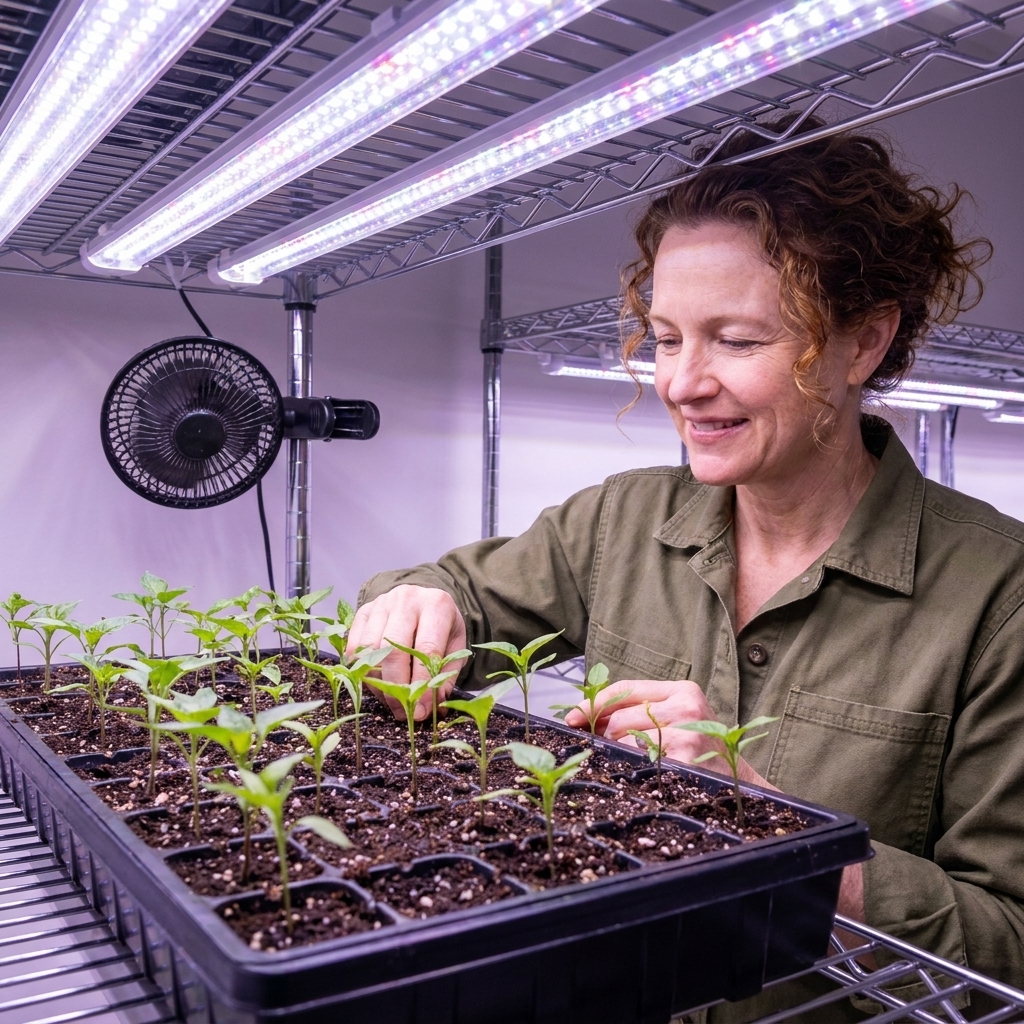
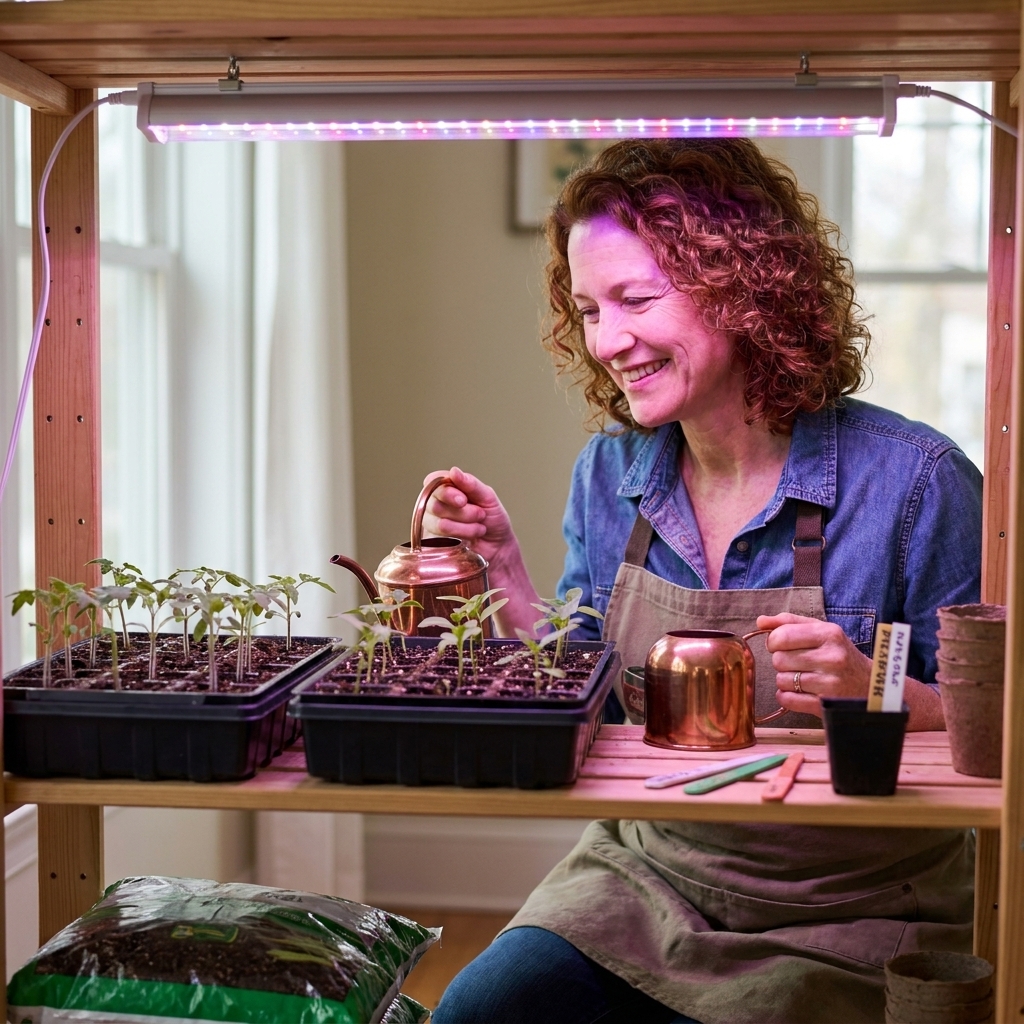
- Start indoors: parsley (more reliable indoors because moisture and warmth stay steady), thyme, oregano, sage (slow starters).
- Plan perennials: decide where long-lived herbs will live so they don’t compete with annual vegetables. I like perennials on bed corners or in their own dedicated raised bed.
Harvest note: if you overwintered rosemary or thyme indoors, start snipping lightly now to encourage fresh growth.
Early spring (6 to 8 weeks before LFD)
- Start indoors: basil (especially if you want an early pesto window), chives from seed (optional), more thyme and oregano if you want extras for containers.
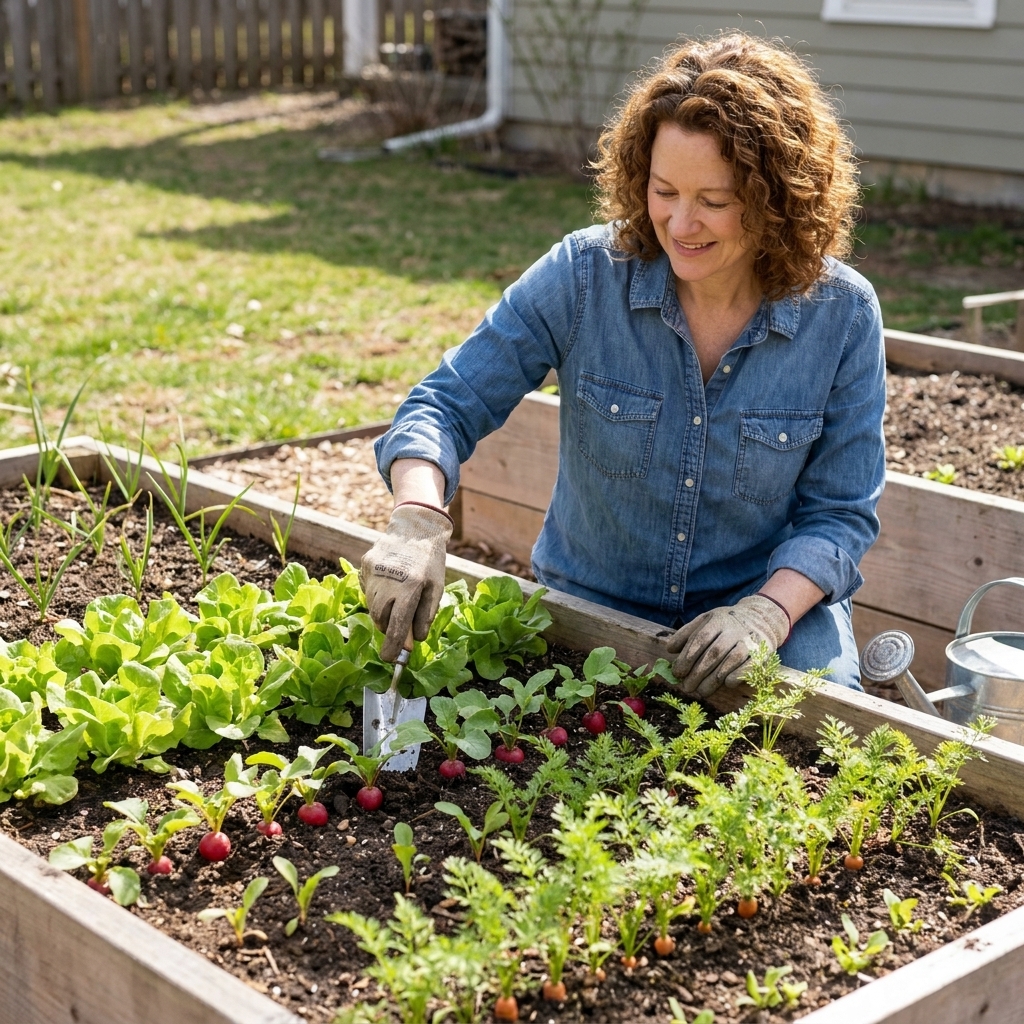
- Direct sow (if soil is workable): cilantro, dill, chervil, and sometimes parsley in mild areas. A light row cover helps in cold snaps.
Harvest note: cool-season herbs like cilantro taste best in brisk weather. This is your chance to get the sweetest leaves before summer turns them bitter and bolt-happy.
Mid-spring (2 to 4 weeks before LFD)
- Direct sow: cilantro and dill again for succession. This is where steady harvests start.
- Harden off: parsley and perennial herb seedlings on mild days.
- Transplant (cool-tolerant): chives, parsley, thyme, oregano, and sage can go out before basil can, as long as nights aren’t brutally cold.
Late spring (LFD to 2 weeks after)
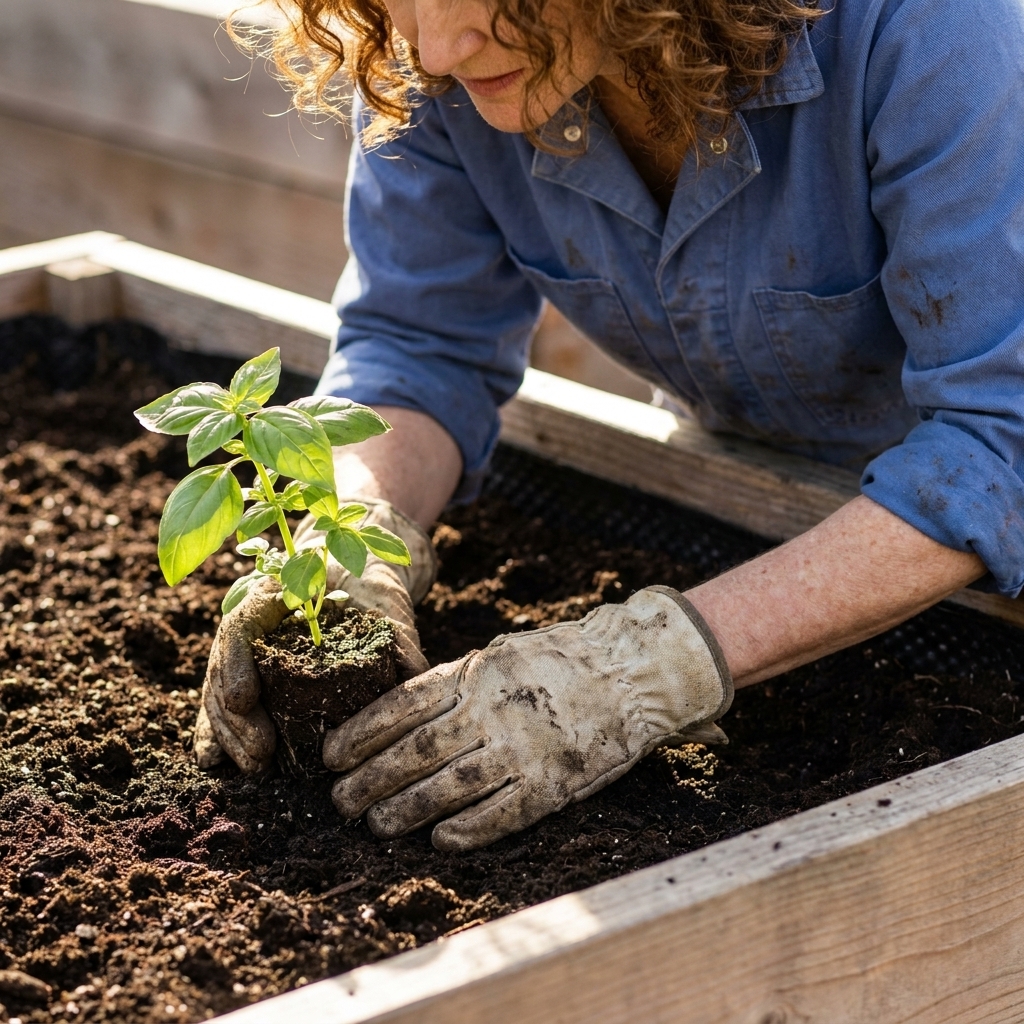
- Transplant: basil after the soil is warming (aim for about 60°F or warmer) and nights are reliably above 50°F. Basil planted into cold soil sulks for weeks.
- Direct sow: dill (again), summer savory, and basil (in warm climates) for a later wave.
- Pinch: basil tops once it has 3 to 4 true leaf pairs to encourage branching.
Early summer (3 to 8 weeks after LFD)
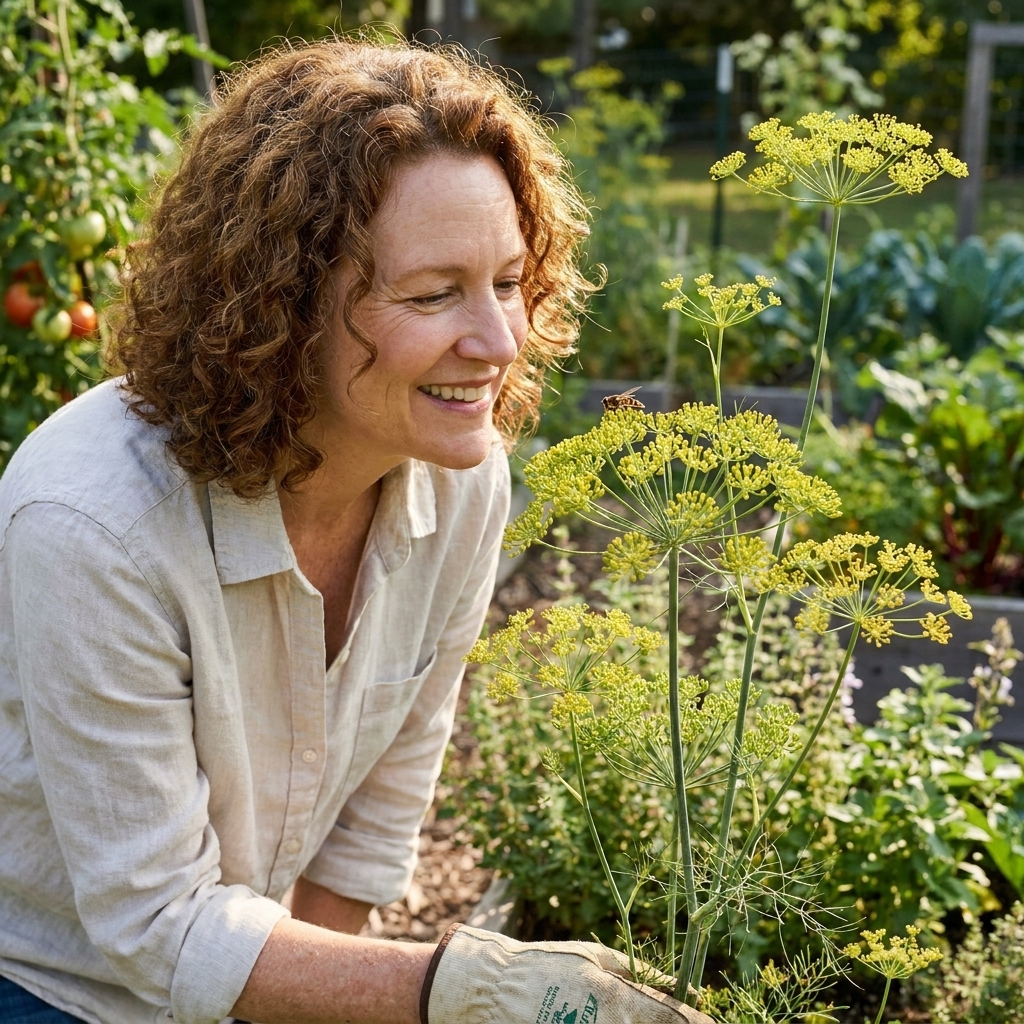
- Succession sow: dill every 2 to 3 weeks if you use it for pickles, salads, or to feed beneficial insects.
- Shade tricks: if you want cilantro to last longer, try afternoon shade, consistent moisture, and frequent harvest. It’ll still bolt once heat and long days settle in, but you can stretch the window.
- Harvest rhythm: start harvesting basil weekly. Regular cutting is the secret to big, bushy plants.
High summer (when daytime highs stay hot)
- Pause cilantro sowing: unless you’re in a mild-summer area. It’ll bolt fast.
- Keep basil going: harvest aggressively, remove flower buds if you want leaves, and feed lightly with compost or worm castings.
- Water consistency: thyme and oregano are drought tolerant once established, but basil, parsley, and chives taste best with steady moisture.
Late summer (8 to 10 weeks before FFD)
- Restart cool-season herbs: cilantro and parsley can be direct sown again for fall flavor.
- Dill for fall: sow again once nights start cooling and the worst heat is easing. If your late summer stays spicy, give seedlings a bit of afternoon shade and keep moisture steady.
- Take cuttings: if you want indoor basil for early fall, root a few basil cuttings in water now.
- Trim perennials: lightly shape thyme, oregano, and sage, but don’t hard prune right before cold weather.
Fall (6 weeks before FFD to frost)
- Best flavor window: cilantro and parsley get sweeter as nights cool.
- Protect and extend: a light frost blanket can keep parsley and cilantro producing longer.
- Bring in tender herbs: pot up basil (or take cuttings), move rosemary indoors before nights get too cold.
Winter (after FFD)
- Indoor harvest: rosemary, thyme, and chives can keep you in fresh herbs all winter with a very bright window or a small grow light.
- Drying season: use dried oregano, thyme, and sage from summer harvests. Your future self will thank you on soup night.
Herb-by-herb guide
Basil (sweet basil, Genovese, Thai)
When to sow: indoors 4 to 6 weeks before LFD. Outdoors only after soil is warm and nights stay mild.
When to transplant: 1 to 3 weeks after LFD, when soil is around 60°F or warmer and nights are consistently above 50°F.
How to harvest: start once stems are 6 to 8 inches tall. Snip above a leaf pair to force branching. Harvest often. Basil that’s treated like a haircut plant becomes a small shrub.
- Leaf harvest: weekly snips keep it tender.
- Flower buds: pinch off for maximum leaves; let some bloom if you want pollinators and seeds.
Cilantro (and coriander seed)
When to sow: direct sow 4 to 2 weeks before LFD. Continue every 2 to 3 weeks until weather turns hot. Sow again late summer for fall.
When to transplant: I usually don’t. Cilantro resents root disturbance. If you must transplant, do it very young.
How to harvest: pick outer leaves first. When it starts to bolt, either pull it or let it flower and set coriander seed.
- Pro tip: sow cilantro near taller vegetables for light afternoon shade, and keep it evenly watered. Heat, long days, and drought all push bolting.
- Kitchen win: flowers are edible and pretty on tacos and salads.
Parsley (flat-leaf and curly)
When to sow: indoors 10 to 12 weeks before LFD for a strong start, or direct sow 2 to 4 weeks before LFD. Parsley is slow to germinate, so patience is part of the deal.
When to transplant: around LFD, even a little before, as long as hard freezes aren’t expected.
How to harvest: cut outer stems at the base, leaving the center to keep growing.
Dill
When to sow: direct sow 2 to 4 weeks before LFD or as soon as soil is workable, then succession sow through early summer. Sow again late summer once highs ease for fall.
When to transplant: avoid if possible. Dill makes a taproot and prefers being sown where it’ll live.
How to harvest: snip leafy fronds anytime. For pickles, time plantings so you’ve got plenty of fresh dill when cucumbers are rolling in.
Thyme
When to sow: indoors 8 to 10 weeks before LFD, or buy a transplant.
When to transplant: around LFD to 2 weeks after.
How to harvest: snip sprigs anytime once established, but don’t strip a tiny first-year plant. In fall, stop heavy harvesting several weeks before hard freezes so it can toughen up.
Oregano and marjoram
When to sow: indoors 8 to 10 weeks before LFD, or start with a plant.
When to transplant: around LFD to early summer.
How to harvest: cut stems back regularly to prevent legginess. Oregano is happiest when it’s harvested often.
Sage
When to sow: indoors 8 to 10 weeks before LFD or buy a transplant.
When to transplant: around LFD to 2 weeks after.
How to harvest: harvest lightly the first year. In later years, cut sprigs as needed, and avoid hard pruning late in the season.
Rosemary
When to plant: rosemary can be started from seed, but it’s slow. Most vegetable gardeners do best buying a plant.
When to set outside: after LFD when nights are mild.
How to harvest: snip sprigs as needed. In cold climates, grow rosemary in a pot so you can bring it inside before frost. Indoors, give it the brightest window you’ve got or a grow light.
Chives (common and garlic chives)
When to plant: divisions, plants, or seedlings can go in 2 to 4 weeks before LFD, or anytime the soil is workable.
How to harvest: cut leaves down to 1 to 2 inches above the soil. Regular harvest keeps them tender. Chive blossoms are edible and lovely in salads.
Mint
When to plant: after LFD.
Container warning (neighborly and heartfelt): plant mint in a pot unless you want it to become your yard’s new personality.
How to harvest: cut stems often. Mint bounces back fast, especially with consistent moisture.
Bay laurel (bay leaf)
When to plant: after LFD. In many regions it’s best as a container plant that winters indoors.
How to harvest: pick mature leaves as needed. Leaves are typically used dried.
Tarragon (French tarragon)
When to plant: buy a plant or division and set it out around LFD to early summer.
How to harvest: snip tender tips. It’s one of those herbs that makes eggs, chicken, and potatoes taste quietly fancy.
Succession planting
For steady kitchen harvests, think in waves.
- Cilantro: sow a small patch every 2 to 3 weeks in spring. Then pause in heat. Restart late summer for fall.
- Dill: sow every 2 to 3 weeks until early summer if you use a lot for pickling or salads. Sow again late summer when highs ease.
- Basil: plant one early batch, then plant a second batch 4 to 6 weeks later for fresh leaves into fall. This is especially helpful if downy mildew is common in your area.
- Parsley: one spring planting often lasts, but a late-summer sowing gives you baby-tender fall leaves.
Best harvest windows
If you want peak flavor, harvest like this:
- Spring best: cilantro, chives, parsley, dill (early), mint (cooler weather).
- Summer best: basil, oregano, thyme, rosemary, sage, summer savory.
- Fall best: cilantro (again), parsley, chives, thyme, oregano.
Daily habit that changes everything: walk the garden with scissors. Snip a little often. Herbs respond to attention in the sweetest way.
Herbs with vegetables
I like to tuck herbs at bed edges and corners where they’re easy to reach and don’t shade vegetables. A few reliable combos:
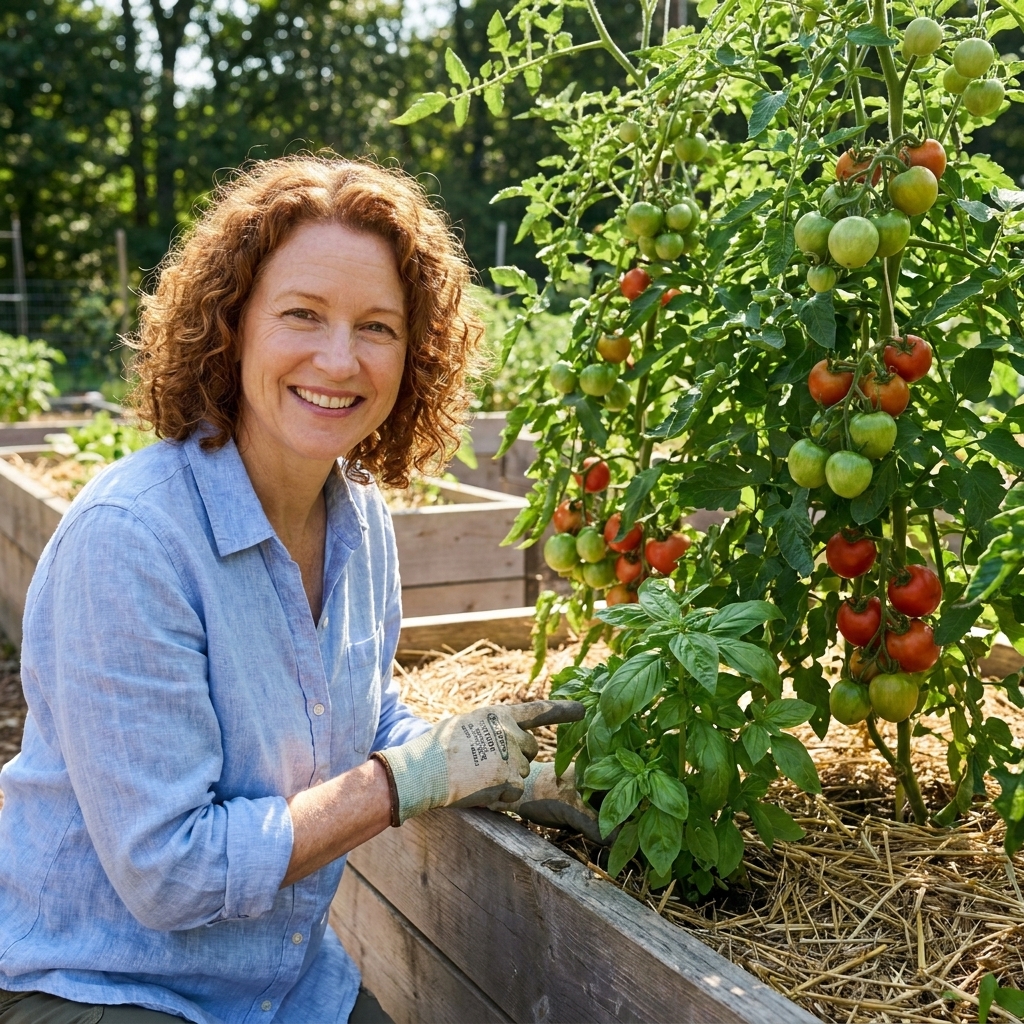
- Basil + tomatoes: same watering schedule, same summer heat love, and you’ll use them together constantly.
- Dill near cucumbers: great for pickles, and dill flowers support beneficial insects. Give dill its own spot so it doesn’t shade young plants.
- Cilantro + peas and spring greens: all enjoy cool weather. When peas come out, cilantro is usually on its way out too.
- Chives + carrots: I plant chives at the carrot bed edge for easy snipping and to bring in pollinators when they bloom.
- Thyme + brassicas: thyme is tidy and low, and it doesn’t compete much for water once established.
Drying and preserving
Preserving is part gardening, part thrift, part future comfort.
- Dry oregano, thyme, sage: harvest stems in the morning after dew dries, ideally before heavy flowering. Tie small bundles and hang in a warm, airy spot out of direct sun.
- Freeze basil: basil dries poorly for many cooks. Freeze pesto cubes or puree basil with a little olive oil in an ice cube tray.
- Freeze dill: chop and freeze in small portions. It’ll lose crisp texture, but the flavor holds up best in cooked dishes like soups, beans, and sauces.
- Chive backup: chopped chives freeze beautifully and keep their flavor.
Troubleshooting
“My basil just sits there.”
That’s usually cold soil or cold nights. Basil wants warmth. If nights are dipping below 50°F or your soil is still in the 50s, it’ll sulk. Wait, or use a cloche or row cover to trap warmth.
“My cilantro bolts immediately.”
Normal. Plant earlier, provide afternoon shade, keep it evenly watered, and sow in small successions. Heat, long days, and drought all speed bolting. Then switch to fall cilantro once nights cool again.
“My parsley took forever to germinate.”
Also normal. Here’s the little expert trick that helps: soak parsley seeds in warm water overnight, then drain and plant. Indoors, keep seed-starting mix consistently moist. Outdoors, a board laid over the row can help hold moisture steady until sprouts appear. Remove it as soon as you see green.
“Can I plant herbs in the same raised bed as my vegetables?”
Yes, with two guidelines: keep aggressive spreaders (mint) contained, and place woody perennials (rosemary, sage, oregano, thyme) where they won’t interrupt crop rotation plans.
FAQ
What herbs can I direct sow outside?
Cilantro and dill are the easiest and often the best as direct-sown plants. Chives, parsley, and basil can be direct sown too, but they’re typically faster and more reliable when started indoors in cooler climates.
When should I start harvesting herbs after planting?
As soon as the plant has enough growth to recover. For basil, that’s often at 6 to 8 inches tall. For chives and parsley, harvest outer leaves and let the center keep growing. For perennial herbs like thyme, harvest lightly until they’re established.
How late can I plant basil?
You can plant basil anytime after conditions are warm, as long as you’ve got about 8 to 10 weeks before your first frost to make it worthwhile. In late summer, consider rooting cuttings for a quick jump-start.
Do herbs need fertilizer?
Most herbs prefer moderately fertile soil. Too much nitrogen can make herbs lush but less flavorful. I top-dress with compost and use gentle amendments like worm castings if plants look pale or growth stalls.
A final nudge
If you only change one thing this season, let it be this: plant cilantro early and basil late. Those two timing shifts alone make your garden feel like it’s producing on purpose.
Keep a little notepad or a note on your phone with three dates: LFD, your first basil transplant day, and your first fall cilantro sowing day. Next year, you’ll feel like you’ve got garden superpowers.