Fall Vegetable Garden Planting Calendar
Plant a productive fall garden by counting back from your average first frost date and days to maturity. Use this timeline to sow spinach, kale, carrots, and other cold-hardy crops for late-season harvests.

Maggie O'Connell is a lifelong gardener and the voice behind Vegloom, dedicated to helping people grow their own food regardless of their yard size. With over 15 years of hands-on experience in backyard agriculture, she specializes in raised bed gardening, organic soil building, and seasonal planting calendars. When she isn't writing, Maggie can usually be found tending to her sprawling heirloom tomatoes or experimenting with new compost recipes.
Every fall I watch the garden do its little magic trick: the pests calm down, the nights cool off, and suddenly greens taste sweeter than they did all summer. The key is timing. A fall garden is not planted by the calendar month, but by your first expected frost date and your crops’ days to maturity.
This planting calendar is built to be simple: find your first frost date, then count backward in weeks. I will also show you a few small tricks that make fall sowing more reliable, especially when the soil is still warm and dry.
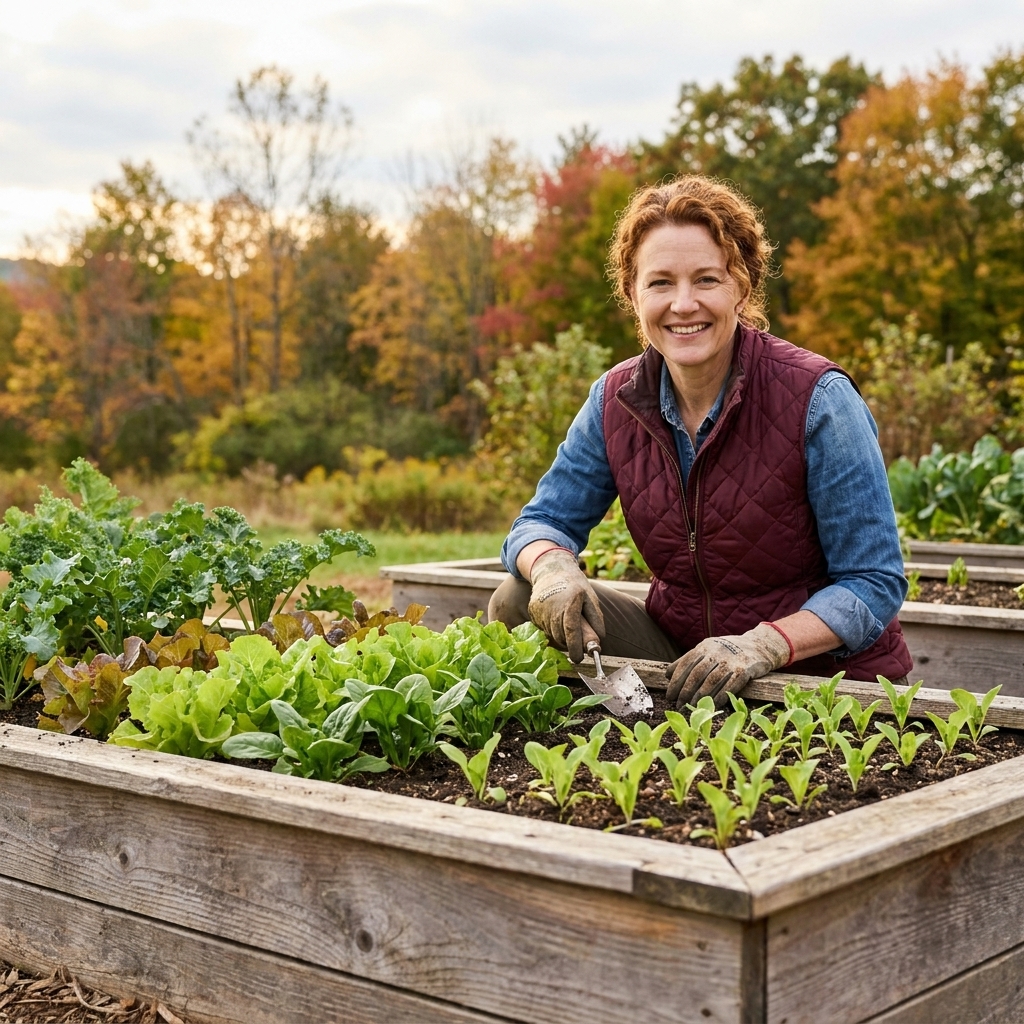
Start here: find your first frost date
Your first fall frost date is usually defined as the average date (often a 50 percent chance) of a night that hits 32°F (0°C). It is not a guarantee, but it is a very useful anchor for planning.
You can get a solid estimate from a local extension office listing or a reputable frost date calculator. Once you have that date, write it on a sticky note and put it somewhere you will see it.
Two frost terms to know
- Light frost: around 32°F (0°C). Tender crops may get nipped; hardy greens often shrug it off.
- Hard frost: around 28°F (-2°C) or colder for several hours. Many crops will be damaged without protection.
How to use this calendar
- Step 1: Choose the crops you want.
- Step 2: Check the seed packet for days to maturity, then match the crop to the “weeks before first frost” windows below.
- Step 3: Add a fall buffer. Growth slows as days shorten, especially at higher latitudes. As a simple rule of thumb, add 1 to 2 or more weeks (or think 10 to 14 days) if you plan to harvest after frost or you garden where fall light drops fast.
Quick definitions: “Direct sow” means plant seeds right in the garden bed. “Start indoors” means sow in cell trays or soil blocks and transplant later.
Fall planting timeline
Below is an actionable timeline that works well in most temperate climates. Always sanity-check it against your packet days to maturity and your real weather. If your first frost is October 15, for example, “10 weeks before frost” lands around early August.
12 to 10 weeks before frost
This is the sweet spot for crops that need time to size up but can handle cool weather later.
- Carrots (direct sow): Best for fall sweetness. Choose quicker types (often 60 to 75 days) if your season is short.
- Beets (direct sow): Harvest roots or use tops as greens.
- Broccoli (start indoors or buy starts): In hot late summer, starts often do better than direct sowing.
- Cauliflower (start indoors or buy starts): More finicky than broccoli, so give it the earliest slot you can.
- Cabbage (start indoors or buy starts): Excellent fall crop, especially for slaws and stir-fries.
10 to 8 weeks before frost
Time for fast roots and the first wave of greens.
- Kale (direct sow or start indoors): Direct sow works well if you keep the seedbed consistently moist.
- Collards (direct sow or transplant): Similar timing to kale.
- Swiss chard (direct sow): Not as frost-hardy as kale, but it thrives in cool fall weather.
- Turnips (direct sow): Great dual-purpose crop for roots and greens.
- Radishes (direct sow): Classic fall win because they mature so quickly.
8 to 6 weeks before frost
This is when I lean hard into salad greens and quick harvests.
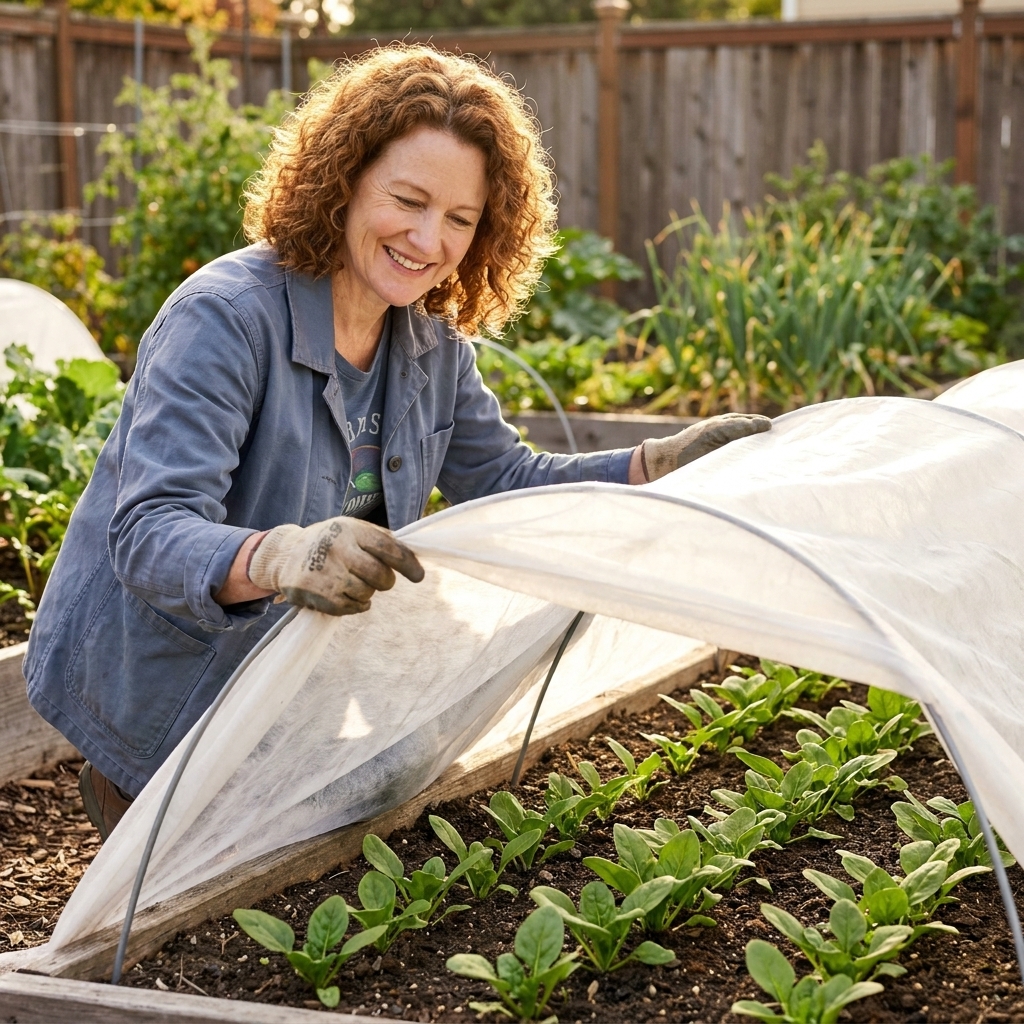
- Spinach (direct sow): Needs consistent moisture to germinate. In many climates it will survive frost under row cover and stay harvestable, although growth slows as daylight fades.
- Lettuce (direct sow or transplant): Transplants help beat late-summer heat. Looseleaf types are forgiving.
- Arugula (direct sow): Peppery leaves that love cool nights.
- Bok choy and other Asian greens (direct sow): Fall reduces bolting pressure.
- More radishes (direct sow): Succession plant every 7 to 14 days for steady harvests.
6 to 4 weeks before frost
These are sprint crops and the last call for many direct-sown greens.
- Mustard greens (direct sow): Quick and cold-tolerant.
- Baby leaf spinach (direct sow): Still doable, especially if you will protect it.
- Green onions or scallions (seed, sets, or transplants): From seed this late, expect baby scallions and green tops, especially in colder zones. Sets or small transplants are a better bet if you want thicker stems.
- Cilantro and dill (direct sow): Herbs that behave better in fall than summer.
4 to 2 weeks before frost
At this point, think baby greens and insurance plantings.
- Arugula and mustard (direct sow): Often still harvestable as baby greens.
- Lettuce (direct sow): Baby leaf harvests are most realistic unless you use protection.
- Cover crops (direct sow): Cereal rye can be sown quite late. Other options, like crimson clover, are more timing-sensitive, so check your local window and choose a species that reliably establishes in your region.
Crop notes
Spinach
If I could only grow one fall crop, it might be spinach. It is hardy, it tastes amazing after cold nights, and it does not ask for much besides steady moisture during germination.
- Best sowing window: 8 to 6 weeks before frost for full-size leaves; 6 to 4 weeks for baby leaf.
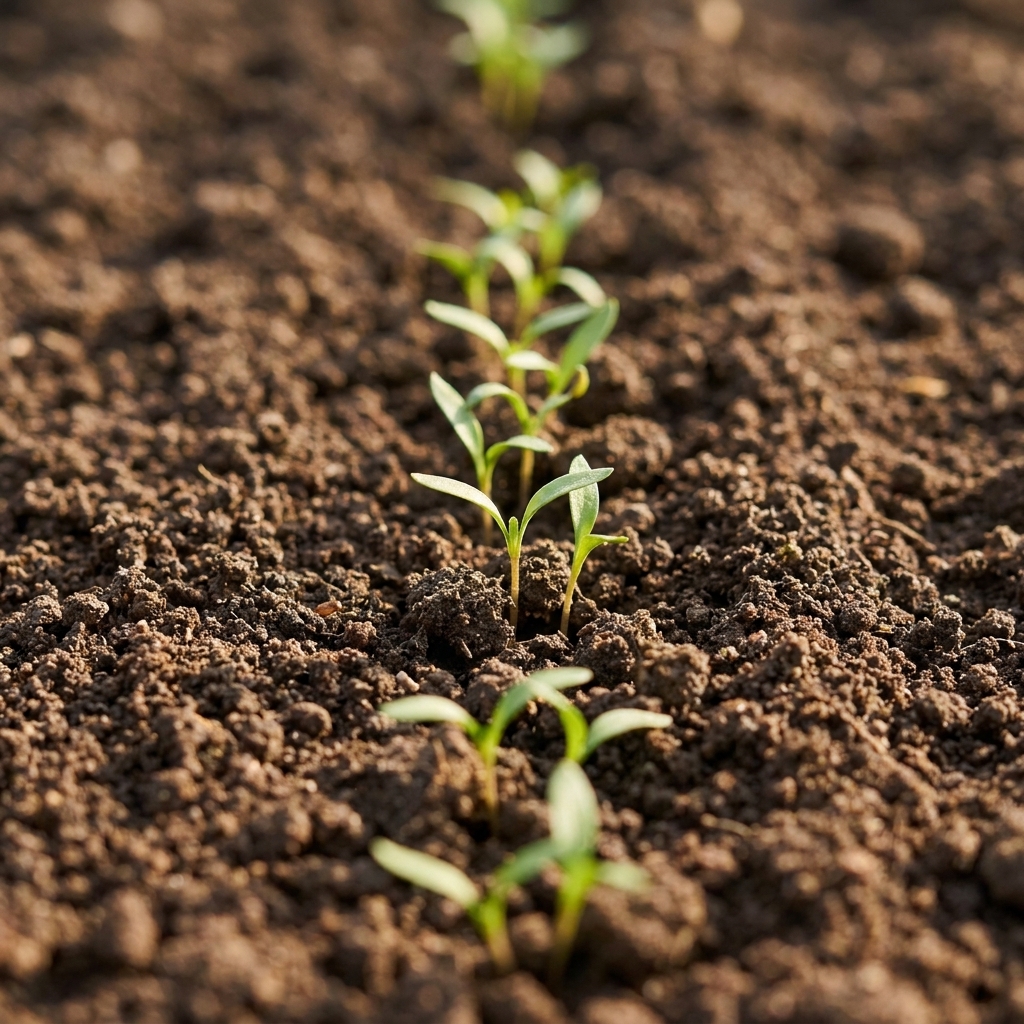
- Tip: Pre-moisten the seed row, sow, then cover with a thin layer of compost to help retain moisture.
Kale
Kale gets sweeter as temperatures drop. If your fall is long, you can direct sow. If your late summer is brutally hot, start it in trays where you can baby the seedlings for a week or two.
- Best sowing window: 10 to 8 weeks before frost.
- Tip: Keep an eye out for cabbage worms early, even in fall. One small net or row cover saves a lot of leaf damage.
Carrots
Fall carrots are worth the patience. The cool weather slows them down a bit, but it also concentrates the sugars.
- Best sowing window: 12 to 10 weeks before frost (earlier if you want larger storage carrots).
- Tip: Carrot seed needs consistent surface moisture. I like to lay a board over the row until I see sprouts, lifting it once a day to check.
Fall success tips
Warm soil can sabotage germination
Late summer planting for fall harvest means you are sowing into soil that can be hotter than the air. Some seeds, especially lettuce and spinach, can be fussy about germinating in heat.
- Water the bed deeply the day before sowing.
- Sow in the evening so the seed spends its first hours in cooler temperatures.
- Use a light layer of compost as mulch over the row to hold moisture.
- If it is truly scorching, a piece of shade cloth for a week can help keep the seedbed from baking.
- For lettuce, consider starting indoors and transplanting once nights cool down.
Keep seedbeds evenly moist
Most fall sowing failures are not about frost. They are about the top half-inch of soil drying out. Check newly sown rows morning and evening for the first week.
Plan for slower growth
Even cold-hardy vegetables grow more slowly as daylight fades. If you want reliable harvests into late fall, plant a bit earlier than you think you need, especially if you are north or shaded.
Use simple protection
You do not need a greenhouse. A few low-cost layers can extend harvests by weeks.
- Floating row cover: Great for greens and pest protection.
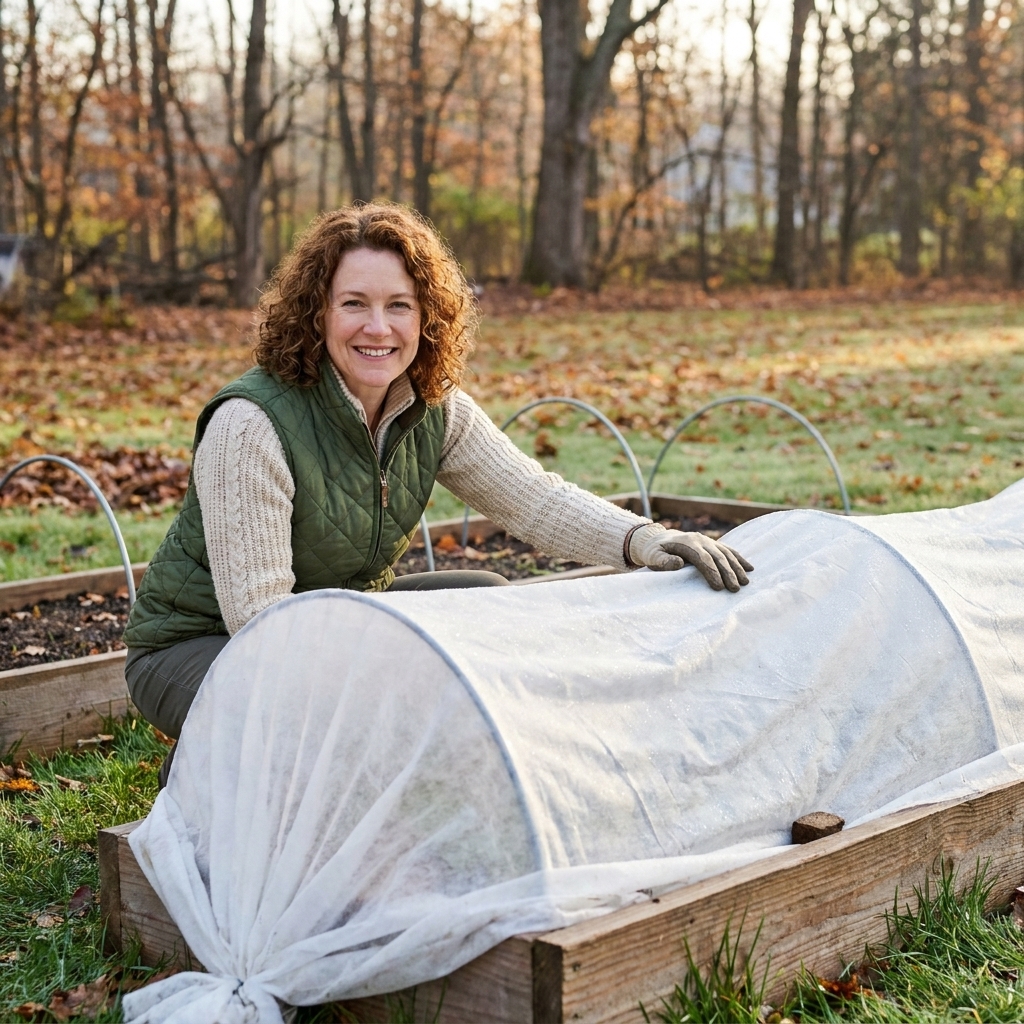
- Low hoops plus row cover: Adds warmth and keeps fabric off leaves.
- Mulch: Helps regulate soil temperature for carrots and beets.
Watch for slugs
Fall can bring slug and snail pressure, especially under row cover and in damp weather. Keep beds tidy, water in the morning, and use traps or iron phosphate bait if they start chewing holes overnight.
Sample schedules
These windows overlap on purpose. Fall gardening is full of succession planting, and you can sow the same crop more than once if you have space.
First frost: October 15
- July 20 to August 5 (12 to 10 weeks before): carrots, beets; start broccoli and cabbage
- August 10 to August 25 (10 to 8 weeks before): kale, collards, turnips
- August 20 to September 5 (8 to 6 weeks before): spinach, lettuce, arugula
- September 5 to September 20 (6 to 4 weeks before): mustard greens, baby spinach, cilantro
First frost: November 15
- August 20 to September 5 (12 to 10 weeks before): carrots, beets; start brassicas
- September 10 to September 25 (10 to 8 weeks before): kale, chard, turnips
- September 20 to October 5 (8 to 6 weeks before): spinach, lettuce, Asian greens
- October 5 to October 20 (6 to 4 weeks before): mustard greens, herbs
If you are in a mild-winter climate, you can often keep planting beyond these windows with protection. If you are in a quick-freeze climate, treat these schedules as a latest safe date and aim a week earlier, then rely on row cover to carry you through.
FAQ
Can I plant after first frost?
Sometimes, but expectations matter. After frost, seeds may germinate slowly or not at all, and growth is limited by daylight. Your best bet after frost is planting transplants of cold-hardy greens under row cover, or focusing on harvesting what is already established.
What survives frost without protection?
Kale, collards, and spinach can handle light frosts, and carrots often improve with cold. A hard frost is a different story. Protection helps you harvest longer and keeps leaves cleaner.
Should I fertilize fall crops?
Yes, gently. I like mixing compost into the top few inches before sowing, and for heavy feeders like broccoli and cabbage, a balanced organic fertilizer at transplant time. Avoid overdoing nitrogen late in the season since growth naturally slows.
Direct sow or transplant?
Direct sow is great for carrots, beets, radishes, and many greens. Transplanting is especially helpful for broccoli, cabbage, cauliflower, and lettuce when late summer heat makes germination unreliable.
One last nudge
If you are on the fence about a fall garden, start small: one short bed with spinach, kale, and a row of radishes. Once you taste that first cold-kissed harvest, you will understand why gardeners get a little stubborn about keeping beds planted past summer.
Write down your first frost date, count back, and get those seeds in. Future you, wearing a sweater and snipping greens for dinner, will be very pleased.