Find your first and last frost dates, then map them to exact weeks for starting seeds indoors, direct sowing outside, and transplanting vegetables with confi...
Veg Loom
October 17, 2026
By Maggie O'Connell
Indoor Seed Starting Schedule (12-Week Countdown)
A week-by-week indoor seed starting schedule for tomatoes, peppers, and other slow-growing vegetables, counted backward from your last spring frost date.

Maggie O'Connell
Maggie O'Connell is a lifelong gardener and the voice behind Vegloom, dedicated to helping people grow their own food regardless of their yard size. With over 15 years of hands-on experience in backyard agriculture, she specializes in raised bed gardening, organic soil building, and seasonal planting calendars. When she isn't writing, Maggie can usually be found tending to her sprawling heirloom tomatoes or experimenting with new compost recipes.
If you have ever stared at a seed packet and thought, “Okay, but when exactly do I start this?” you are my kind of gardener. I love an indoor seed season, but I love it even more when it is not chaotic.
This is a 12-week countdown calendar. You pick your average last spring frost date, then count backward week by week to decide what to sow indoors and when. This schedule focuses on slow growers like tomatoes, peppers, eggplant, and celery, plus a few cool-season starts you can raise indoors for earlier harvests.
Before you start
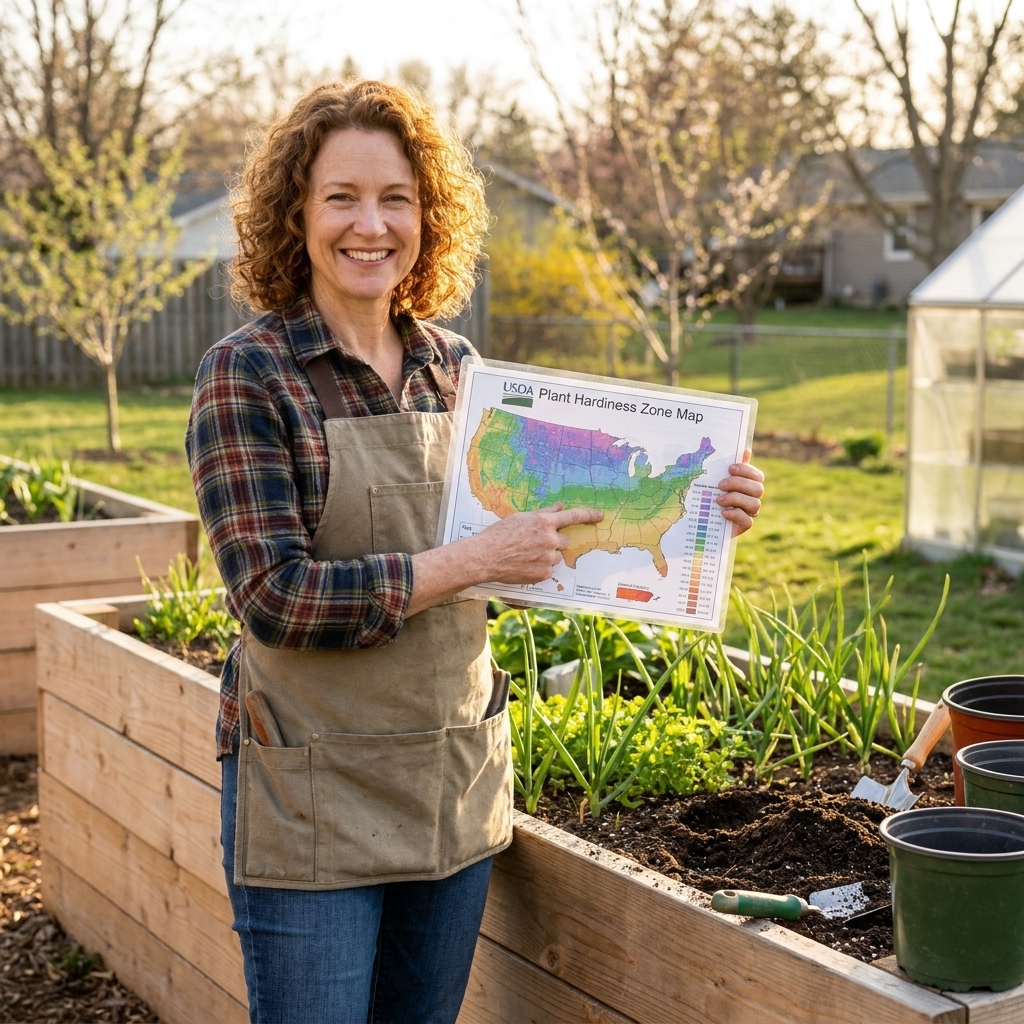
Find your last frost date
Your “Week 0” is the date you can usually plant tender crops outside without frost damage. For most of us, that is the average last frost date for our area.
- Not sure of your date? Use your local extension office’s frost date tool or a reliable garden almanac for your town or ZIP code.
- Microclimates matter. If you garden in a windy open spot or a cold low pocket, your safe date may be a week later. If you are tucked against a warm wall, you may be able to cheat earlier.
How to use the countdown
Each week below tells you what to sow indoors that week. You do not have to grow everything on the list. Pick what you actually want to eat, and what you have space and light to raise well.
Quick reminder: Week 12 means 12 weeks before your last frost date. Week 6 means 6 weeks before. Week 0 is your last frost week.
Quick reference
If you like seeing the “big picture” first, here are common indoor start windows counted back from your last frost date. These are typical for many temperate climates, but you can nudge them earlier or later based on how long your spring stays cold.
- Peppers (sweet and hot): 10 to 12 weeks before last frost (often 12 to 14 in cool homes)
- Eggplant: 8 to 10 weeks before last frost
- Celery: 10 to 12 weeks before last frost
- Onions (from seed): 10 to 12 weeks before last frost in mild areas, but often 12 to 16 weeks before last frost for long-season storage onions in colder climates
- Tomatoes: 6 to 8 weeks before last frost
- Brassicas (broccoli, cabbage, cauliflower, kale): 4 to 8 weeks before last frost (earlier end is for early transplanting when soil can be worked and you can protect plants)
- Lettuce: 4 to 6 weeks before last frost
- Cucumbers, squash, melons: 2 to 4 weeks before last frost (easy to overgrow indoors)
Sanity check by age: At transplant time, tomatoes are often 6 to 8 weeks old, peppers are commonly 8 to 10-plus weeks old, and brassicas are often 4 to 6 weeks old. Use that as a second way to confirm you are on track.
Your 12-week countdown
Week 12
Week 12 = 12 weeks before last frost.
- Sow indoors: slow-germinating peppers (bell and hot), celery
- Optional (by climate): onions from seed if you are in a mild area, or if you know you want big plants early
Timing tip: Peppers are the tortoises of the spring garden. If you want stocky plants with several true leaves at transplant time, starting at 10 to 12 weeks is the way.
Germination notes: Peppers love warmth. Aim for a soil temperature around 80 to 85°F if you can (a heat mat helps a lot). Celery is slow and fussy, so steady moisture is your best friend.
Heat mat habit: Use bottom heat for germination, then once seeds sprout, move trays off the heat mat so seedlings grow sturdier, not softer.
Week 11
- Sow indoors: another round of peppers (especially if you grow multiple varieties), celery (if not done), onions from seed (great week for many regions)
If you are growing storage onions from seed, do not be shocked by how grasslike they look for weeks. They are doing their thing, just very politely.
Cold-climate note: If you are aiming for big storage onions in a short season, this is where many gardeners go earlier than this calendar. Starting onions 12 to 16 weeks before last frost is common.
Week 10
- Sow indoors: eggplant, finish any remaining peppers, celery, onions
Eggplant is in the same “warmth-loving” club as peppers. Give it bright light early so it does not stretch.
Week 9
- Sow indoors (as needed): late eggplant (okay if you missed Week 10), a final round of peppers if you want extras
- Do this week: inventory cell trays, labels, seed starting mix, bottom trays, and lights
This is a wonderful week to prevent future you from doing the “where are my labels” scramble with damp hands.
Week 8
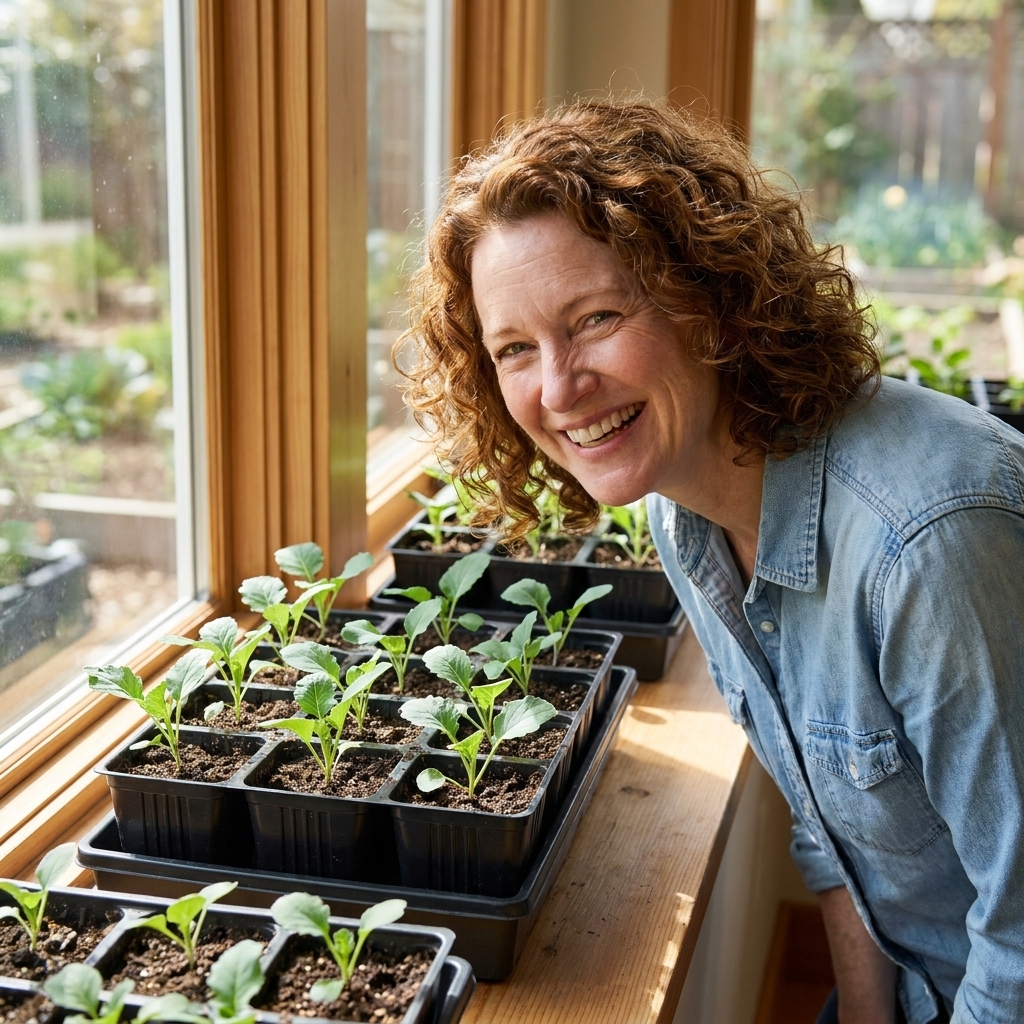
- Sow indoors: broccoli, cabbage, cauliflower, kale (for early transplanting), plus any remaining eggplant
If you can plant brassicas outside while nights are still chilly (with row cover help), they often thrive. If your soil is still frozen, soggy, or you cannot work it yet, just slide these later. Brassicas care less about the calendar and more about conditions.
Week 7
- Sow indoors: more brassicas if you want succession plantings, and consider herbs like parsley (slow) if you like starting them indoors
- Do this week: make room under the lights for tomatoes next week
Tomatoes are typically started 6 to 8 weeks before last frost, so this is your gentle reminder to clear space under the lights.
Week 6
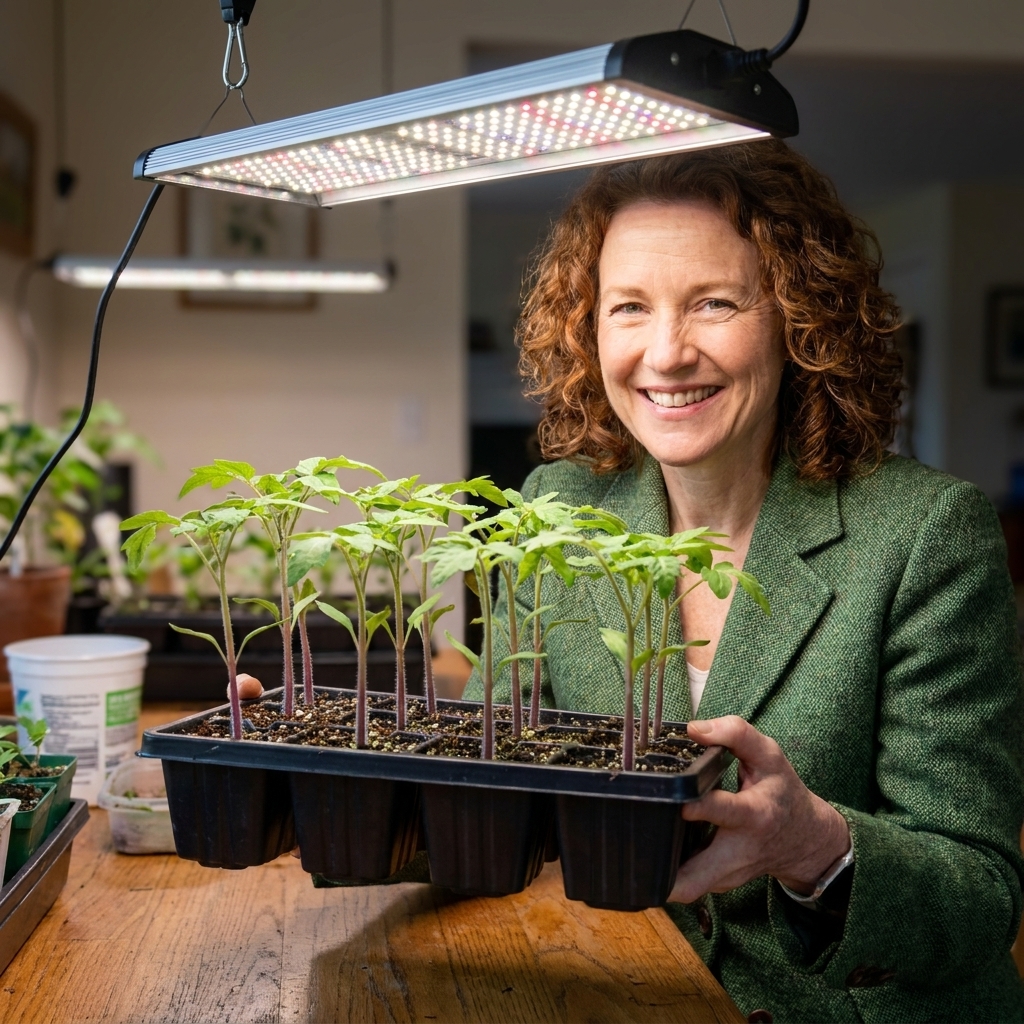
Week 6 = 6 weeks before last frost. This is the big one for tomatoes.
- Sow indoors: tomatoes (most varieties), additional brassicas if you are still starting them
Tomatoes grow fast once they get going. Starting too early is how people end up with leggy, tangled plants that need a pep talk and a larger pot every five minutes.
Variety tweak: If you grow slower, large-fruited tomatoes (some beefsteaks) you can start them closer to 8 weeks. If you grow quick little cherries, 6 weeks is often plenty.
Week 5
- Sow indoors: lettuce, spinach (optional), more kale for succession
- Do this week: start planning hardening-off space (a sheltered porch, cold frame, or wind-protected spot)
Lettuce transplants are a sneaky way to get earlier salads, especially if spring is cold and direct seeding keeps stalling.
About spinach: It really can be finicky indoors and it hates stress. Many gardeners get better results by direct-sowing as soon as soil can be worked, or sowing under cover.
Week 4
- Sow indoors: a final round of lettuce, quick herbs like basil (if you want it ready soon after transplant)
- Do this week: pot up tomatoes and peppers that have outgrown cells (if roots are circling or plants topple easily)
My rule of thumb: If you can pick up a seedling by the leaves and the whole root plug slides out as a tight little brick, it is time to move it up.
Week 3
- Sow indoors (optional): cucumbers, summer squash, winter squash, melons (only if you will transplant after frost and your plants will not sit in pots too long)
Cucurbits hate having their roots disturbed and they outgrow pots quickly. If you start them indoors, use larger cells or small pots and keep the timeline tight.
Week 2
- Do this week: begin hardening off brassicas and lettuce if you will transplant them out before last frost (with protection as needed)
- Sow indoors: another small batch of basil if you want staggered plants
Hardening off means gradually introducing seedlings to sun, wind, and cooler temperatures. Start with short, sheltered outings, then increase time outside over 7 to 10 days.
Week 1
- Do this week: set up tomato cages or trellises, gather row cover, refresh raised bed soil with compost
- Watering focus: keep seedlings evenly moist, not soggy
This week always makes me itchy to plant. If the forecast looks suspicious, it is okay to wait. A seedling held an extra week indoors does better than a seedling that gets zapped by a cold night.
Week 0
Week 0 = your last frost week. The transplant window starts opening, but it is not a single magic day.
- Transplant outdoors (weather dependent): hardened-off brassicas and lettuce whenever conditions allow, often earlier than tender crops
- Transplant outdoors (warmth matters): tomatoes, peppers, eggplant after frost risk has passed and nights are reliably mild (around 50°F and up, warmer is better for peppers and eggplant)
One thing that trips people up: “Last frost” is about freeze risk. Warmth thresholds are about growth. Tender crops might survive a chilly post-frost week, but they often sulk in cold soil. Warmth is what turns them from “surviving” to “growing.”
Keep seedlings stocky
A schedule helps, but seedlings still need the basics. Here is the rhythm that keeps mine sturdy.
Start clean
Seedlings are most vulnerable when they are tiny. Clean trays and fresh seed-starting mix help prevent damping-off problems before they start. Seed-starting mix is usually lighter and more consistent than regular potting soil, which makes it easier for small roots to get established.
Light
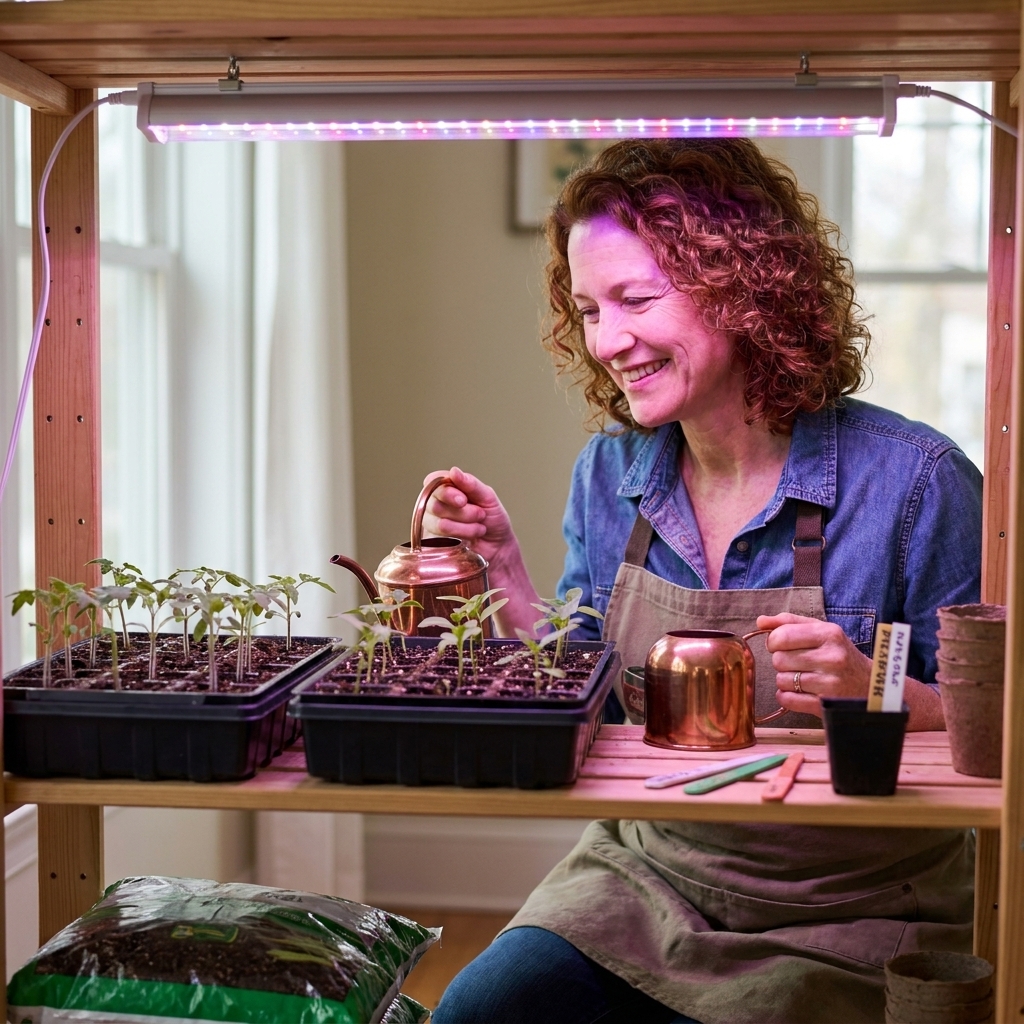
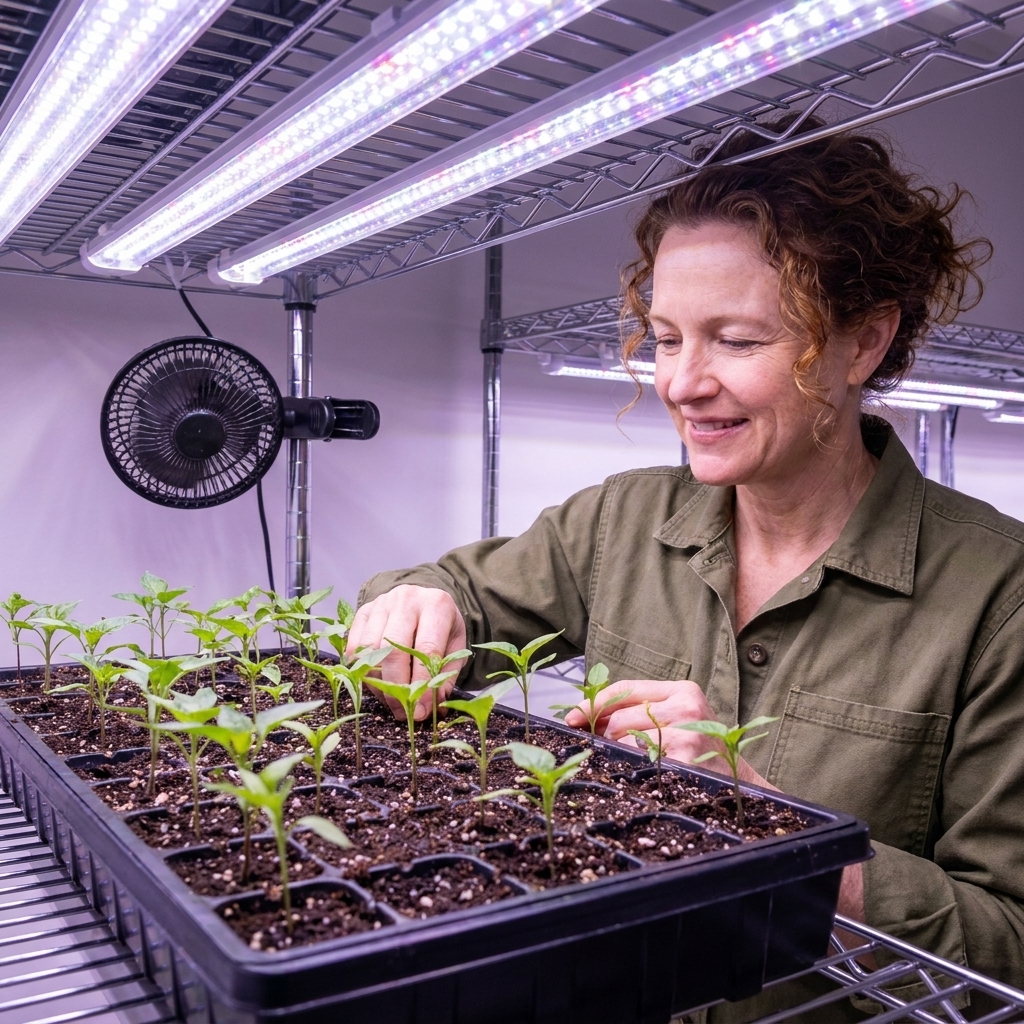
- Use a bright grow light and keep it a few inches above the seedlings, adjusting as they grow.
- Run lights about 14 to 16 hours per day.
- If seedlings lean, they need more light or the light is too far away.
Airflow
Gentle airflow helps stems strengthen and reduces damping-off issues. You do not need a wind tunnel, just a light breeze.
Water
Bottom watering encourages roots to grow down. Let trays soak, then drain well. Soggy soil is how fungus moves in like an unwanted roommate.
Heat
Heat mats can speed germination for warmth lovers (hello, peppers). The trick is to use bottom heat to sprout seeds, then take seedlings off the heat once they are up so they grow compact and strong.
Potting up
Tomatoes especially can be potted deeper, burying part of the stem to encourage more roots. Peppers can be potted up too, just not quite as aggressively deep as tomatoes.
Timing tweaks
If you started too early
- Pot up to a larger container.
- Increase light intensity and add gentle airflow.
- Hold back on heavy fertilizing until plants are actively growing and have true leaves.
If your tomatoes are already towering weeks before transplant time, do not beat yourself up. I have done it. More than once. Potting up and better light usually gets things back on track.
If you started too late
- Choose quicker varieties (smaller tomatoes, earlier peppers).
- Buy a couple of nursery starts to fill gaps.
- Focus on excellent soil and consistent watering outdoors to help plants catch up.
If your house is cool
Cool indoor temps slow growth. A heat mat for germination helps. After sprouting, many seedlings are fine cooler, but peppers and eggplant still appreciate warmth.
FAQ
What if I do not know my last frost date?
Look up your town’s average last frost date through a local extension resource or a reputable garden almanac. Then treat it as a guide, not a guarantee. Weather always gets a vote.
Can I start tomatoes 10 to 12 weeks early like peppers?
You can, but it often creates huge, leggy plants that need constant potting up. Tomatoes are happiest started about 6 to 8 weeks before last frost for most home setups.
Do I need grow lights or is a sunny window enough?
A very bright south-facing window can work for a small number of seedlings, but most people get stronger plants with grow lights. Leggy seedlings are almost always a light problem.
When should I fertilize indoor seedlings?
Once seedlings have true leaves and are growing steadily, a diluted liquid fertilizer can help. Go gentle. Too much fertilizer plus low light makes weak, floppy growth.
Make it yours
If you want to make this calendar feel tailor-made, do this: write your last frost date at the top of a page, then list Week 12 through Week 0 down the side. Plug in your crops from the countdown above, then add notes like “start heat mat” or “pot up tomatoes.”
Next spring, you will thank you. And if a squirrel steals a seedling or two, you will still be on schedule. That is the kind of optimism gardening teaches, whether we asked for it or not.