Calculate Frost Dates and Plan Seed Starting
Learn how to find your local first and last frost dates, then turn them into a week-by-week seed starting schedule for indoors and outdoors, with real examples and crop timing tips.

Maggie O'Connell is a lifelong gardener and the voice behind Vegloom, dedicated to helping people grow their own food regardless of their yard size. With over 15 years of hands-on experience in backyard agriculture, she specializes in raised bed gardening, organic soil building, and seasonal planting calendars. When she isn't writing, Maggie can usually be found tending to her sprawling heirloom tomatoes or experimenting with new compost recipes.
If you have ever stared at a seed packet and thought, “Start indoors 6 to 8 weeks before last frost… okay, but when is that for me?”, you are in the right place. Frost dates are the backbone of a vegetable garden calendar. Once you pin down your average last spring frost and average first fall frost, you can turn vague seed packet guidance into a schedule that actually fits your yard.
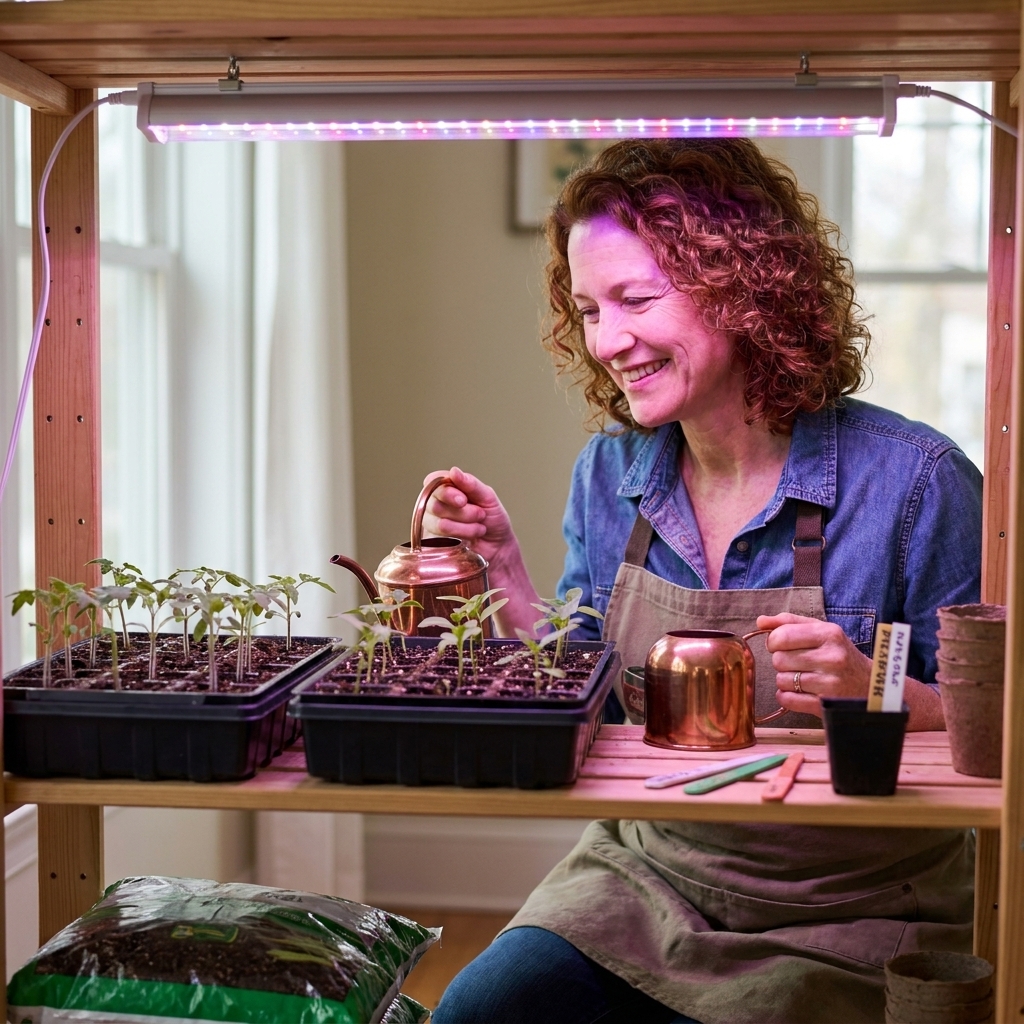
I learned this the hard way when I moved into a house with stubborn clay and built raised beds to escape it. My first spring, I started tomatoes “early” because I was excited, then had to haul trays away from chilly windows at night like I was running a tiny seedling daycare. A simple frost-based schedule would have saved me a lot of pacing.
What frost dates mean (and what they do not)
Your local frost dates are typically listed as:
- Average last frost date (spring): the date in spring when you can expect the last night at or below freezing, on average.
- Average first frost date (fall): the date in fall when you can expect the first night at or below freezing, on average.
Two important truths that keep gardeners sane:
- They are probabilities, not promises. Frost-date tools are often published at a specific risk level, such as a 10 percent, 30 percent, or 50 percent chance of hitting 32°F (0°C) or lower. That is why you can still get surprised by a late freeze.
- Microclimates are real. A low spot in your yard, an exposed windy deck, or a warm south-facing wall can shift conditions by several degrees. Your zip code frost date is a starting point, not a crystal ball.
One more detail that helps: Most official frost dates come from weather stations measuring air temperature at standard shelter height. Your garden beds can run colder (or warmer), especially on clear, calm nights.
Step 1: Find your local last and first frost dates
Option A: Use your USDA zone as context (but do not stop there)
Your USDA zone is based on average annual minimum winter temperature. It is helpful context, but it does not directly tell you spring and fall frost dates. Two gardens in the same zone can have different last frost dates, especially if one is coastal and one is inland.
Option B: Look up frost dates by zip code
For a practical garden schedule, use a frost date lookup that gives an average last frost and average first frost for your area. Good places to check:
- NOAA or National Weather Service climate data for nearby weather stations (best if you like digging into real records).
- University extension services (often have local planting calendars that include frost timing).
- Reputable garden almanac style tools that clearly state the probability they use (for example, 30 percent vs 50 percent risk).
My tip: Cross-check at least two sources. If one says April 10 and another says April 25 for last frost, plan around the later date unless you love covering beds at midnight.
Option C: Ask local gardeners where they buy starts
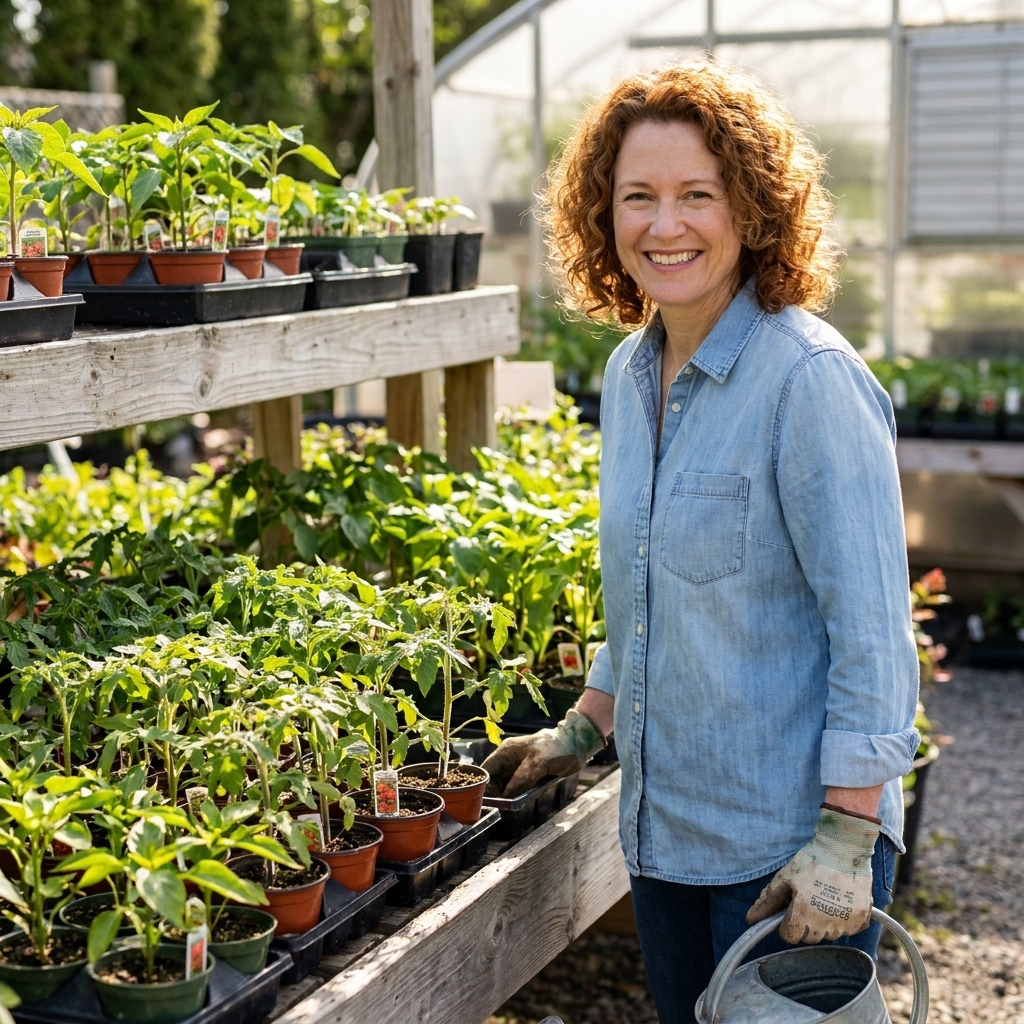
Your local independent nursery is a goldmine. Ask, “When do you start selling tomato starts?” and “When do you think it is safe to plant peppers?” That is frost reality, translated into gardener language.
Step 2: Pick a planning frost date you can live with
Once you have an average last frost date, decide how cautious you want to be. Here are three common approaches:
- Conservative: Use the average last frost date, and wait an extra 1 to 2 weeks for warm-season crops (tomatoes, peppers, basil). This is great for cold, windy sites.
- Middle of the road: Use the average last frost date as your “anchor,” then watch forecasts closely for 10 days around transplant time.
- Risk taker: Plant earlier than average and plan to protect plants with row cover, cloches, or frost blankets. This can work, but it is work.
If you are new, I recommend middle of the road. It is exciting without being stressful.
Step 3: Turn frost dates into a seed-starting schedule
Seed packets often give timing like “start indoors 6 to 8 weeks before last frost” or “direct sow 2 weeks before last frost.” Here is how to convert that into real dates.
The simple formula
- Indoor seed-starting date = Your chosen anchor date minus the packet timing (usually in weeks). If weeks make your brain itch, convert to days: 1 week = 7 days.
- Direct sow date = Your anchor date plus or minus the packet timing, depending on the crop.
- Fall planting date = First fall frost date minus (days to maturity + buffer).
Buffer suggestion: For fall crops, gardeners often add 7 to 14 days because growth can slow as light levels drop and nights cool. The right buffer depends on latitude, the crop, and whether your “days to maturity” is counted from sowing or transplanting, so treat it like a friendly cushion, not a law.
A quick example (copy this)
Let’s say your average last frost date is April 20. Two key notes before the math:
- Many warm-season crops are transplanted after last frost, often 1 to 2 weeks later once nights and soil are warmer. If you know you usually plant tomatoes outside on May 5, use May 5 as your tomato planning anchor, even if your official last frost is April 20.
- Seed packets vary. Some say “before last frost,” some imply “before transplanting.” If you are unsure, planning backwards from your actual transplant date is usually the least stressful approach.
- Tomatoes (example using last frost as an anchor): start indoors 6 to 8 weeks before April 20. That is March 9 (6 weeks) to February 23 (8 weeks). For most home setups, aiming closer to 6 weeks keeps seedlings stocky instead of overgrown.
- Broccoli (spring): start indoors 6 to 8 weeks before last frost. Similar window, but broccoli tolerates cool conditions and can go out earlier than tomatoes.
- Peas: direct sow 4 to 6 weeks before last frost. That is March 23 (4 weeks) to March 9 (6 weeks).
- Cucumbers: start indoors 2 to 4 weeks before transplanting out, or direct sow after frost once soil is warm. Cucumbers hate sitting in cold soil, so warmth matters more than the calendar here.
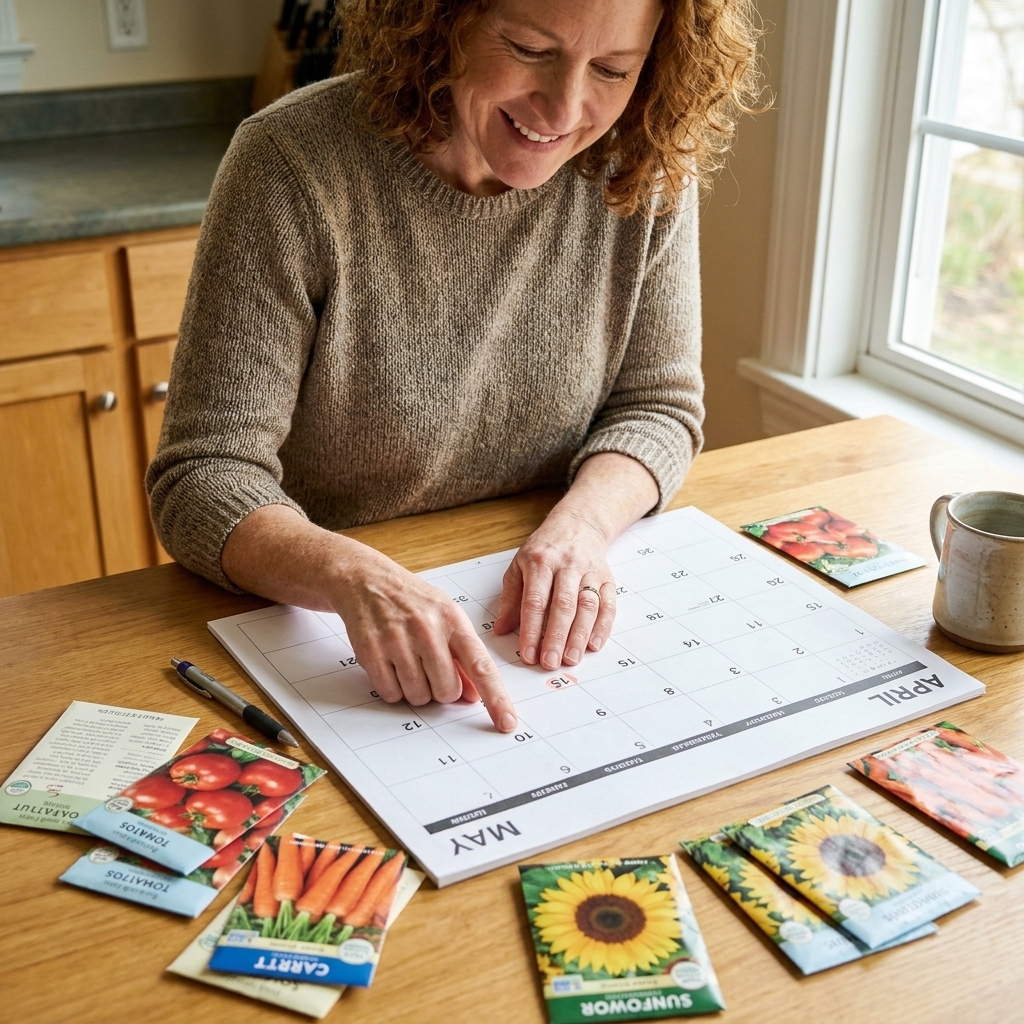
If you want a schedule that feels less math-y, set up one “anchor” date on a calendar and count backward in weeks with a pen.
Timing by crop (reliable week ranges)
These ranges assume you are using your average last spring frost as the anchor. Always sanity check with your seed packet, but this will get you very close.
Start indoors (before last frost)
- Onions (from seed): 10 to 12 weeks before last frost
- Leeks: 10 to 12 weeks before last frost
- Celery, celeriac: 10 to 12 weeks before last frost
- Broccoli, cabbage, cauliflower: 6 to 8 weeks before last frost
- Lettuce (for transplants): 4 to 6 weeks before last frost
- Tomatoes: 5 to 7 weeks before your planned transplant date (many gardens land around 6 weeks)
- Peppers: 8 to 10 weeks before your planned transplant date
- Eggplant: 8 to 10 weeks before your planned transplant date
- Basil: 4 to 6 weeks before transplanting out
- Cucumbers, melons, squash: 2 to 4 weeks before transplanting out (do not start too early)
Direct sow outdoors (relative to last frost)
- Peas: 4 to 6 weeks before last frost
- Spinach: 4 to 6 weeks before last frost (and again in late summer)
- Radishes: 2 to 4 weeks before last frost
- Carrots: 2 to 4 weeks before last frost (soil temp matters)
- Beets: 2 to 4 weeks before last frost
- Potatoes: 2 to 4 weeks before last frost (or when soil is workable)
- Green beans: 1 to 2 weeks after last frost (wait for warm soil)
- Corn: after last frost when soil warms
- Cucumbers and squash: after last frost when nights are consistently mild
Soil temperature note: For warm-season direct sow crops, soil warmth matters more than the calendar. As a practical target, beans tend to do better once soil is about 60°F (16°C) or warmer, and cucumbers often prefer closer to 65°F (18°C). If nights are still dipping into the 40s, warm-season crops tend to sulk.
Build a seed-starting calendar you will use
You do not need a fancy app. You need a plan you will look at on a busy Tuesday.
My low-stress method
Write down your two anchor dates: last spring frost and first fall frost.
Create a list of what you want to grow and mark each as: start indoors, direct sow, or either.
Assign each crop a “start week” (for indoor starts) by counting back from your anchor date.
Add a transplant week for anything started indoors. Many warm-season crops go out after last frost, not on it.
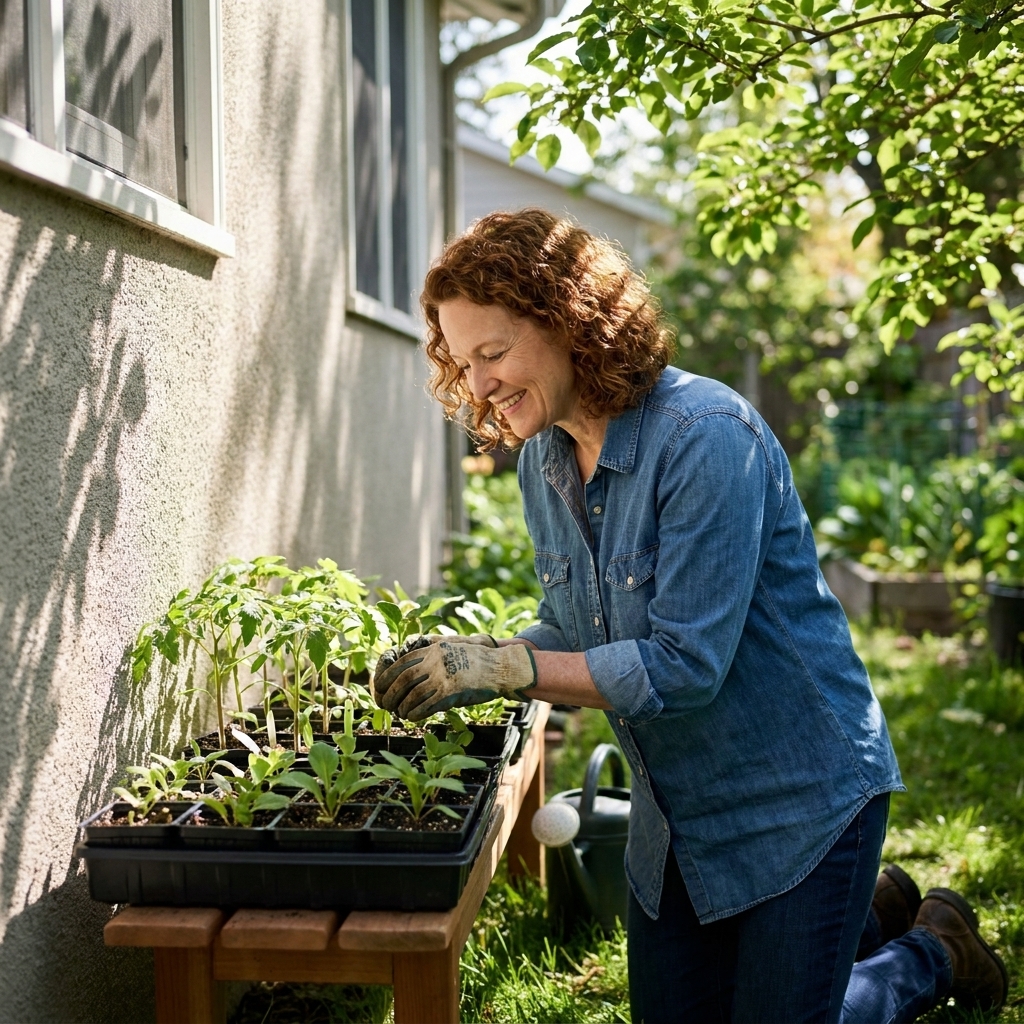
Add reminders for hardening off (usually 7 to 10 days before transplanting outside).
Block out your realistic capacity. If your light shelf holds 6 trays, do not schedule 12 trays for the same week unless you enjoy living in a jungle.
Handle frost uncertainty calmly
Even with perfect planning, spring loves to throw a curveball. Here is how I stay optimistic and keep plants alive.
Watch the forecast, not just the calendar
Start checking overnight lows about 10 days before you plan to transplant tender crops. If you see a cold snap coming, delay planting or be ready to protect.
Use simple protection tools
- Frost cloth or row cover: My favorite, because it is quick.
- Cloche or clear storage bin (temporarily): Great for a few plants, but vent it during sunny days.
- Mulch and water management: Moist soil holds heat better than bone-dry soil, but do not soak beds right before a freeze if the ground is already cold and saturated.
Plan for two tomato dates
If you are tempted to plant tomatoes early, compromise with yourself. Plant a small “test group” early only if you can protect them, then plant the rest at a safer time. That way one frosty night does not wipe out your whole summer sauce supply.
Use first fall frost for fall vegetables
Your first fall frost date is how you back into a great fall garden. Here is the basic approach:
- Find the days to maturity for your crop (from the seed packet).
- Add a buffer (often 7 to 14 days) for slower fall growth.
- Count backward from first fall frost to get your latest planting date.
Example
If your first fall frost is October 15 and your bush beans mature in 55 days, add a 10 day buffer for a target of 65 days. Count back 65 days from October 15 and you land around mid-August for your latest sowing. Earlier is even better if late summer is hot and dry.
Fall bonus: Many cool-season crops, like kale and carrots, taste sweeter after a light frost. It is one of those small gardening joys that feels like a prize.
Common timing mistakes (I have made most of these)
- Starting tomatoes too early indoors: Big seedlings are not the goal. Stocky seedlings are the goal. Too early often means weak stems and stressed plants.
- Skipping hardening off: Indoor plants need time to adjust to wind and real sun. Without hardening off, leaves can scorch fast.
- Planting warm-season crops by date instead of temperature: Cold soil slows growth, invites rot, and makes plants sit there looking offended.
- Forgetting fall scheduling: It is easy to miss the window. Put one reminder on your calendar in midsummer to start fall crops.
Quick reference: start to transplant
If you are brand new, here is the whole rhythm in one place:
- Choose your crops and note “weeks before last frost” or “weeks before transplanting” from the packet.
- Pick your anchor date (last frost for hardy crops, likely transplant date for tender crops).
- Count back to choose your indoor sowing date.
- Start seeds indoors with strong light and steady moisture.
- Pot up if needed (especially tomatoes) if they outgrow their cells.
- Harden off for 7 to 10 days before transplanting outside.
- Transplant when temperatures are right, not just when the calendar flips.
- Keep row cover handy during shoulder season.
FAQ
What temperature counts as a frost?
Gardeners usually use “frost” to mean temperatures near 32°F (0°C). A “light frost” might happen when air temps are a touch above freezing because surfaces can cool faster than the air. A “hard freeze” is often defined as 28°F (-2°C) or lower for several hours, and it is much more damaging.
If my last frost date is April 20, can I plant on April 21?
Sometimes, yes. But it is safer to check the 7 to 10 day forecast and consider your microclimate. For tomatoes and peppers, many gardeners wait until nights stay reliably mild, even if the calendar says you are past frost.
How accurate are online frost date tools?
They are usually accurate enough for planning, but they are averages. Use them to set your schedule, then use weather forecasts and common sense when it is time to plant.
Should I plan from last frost or soil temperature?
Use last frost to build your schedule, then use soil temperature and nighttime lows to decide the exact day you plant. Cool-season crops care less about soil warmth. Warm-season crops care a lot.
A neighborly final nudge
Once you know your frost dates, you are no longer guessing. You are making decisions. And that is when gardening gets fun, because you can spend your energy on the good stuff like building soil, choosing varieties you actually want to eat, and sneaking out to check seedlings like they are tiny green miracles (because they are).
If you want, tell me your average last frost date and what you are growing this year, and I will help you map out a simple start-by-week list.