Succession Planting Calendar for Continuous Harvests
Plant a little, often. Use this succession planting calendar to stagger sowing every 2 to 3 weeks and keep harvests coming from early spring through fall, even in small gardens.

Maggie O'Connell is a lifelong gardener and the voice behind Vegloom, dedicated to helping people grow their own food regardless of their yard size. With over 15 years of hands-on experience in backyard agriculture, she specializes in raised bed gardening, organic soil building, and seasonal planting calendars. When she isn't writing, Maggie can usually be found tending to her sprawling heirloom tomatoes or experimenting with new compost recipes.
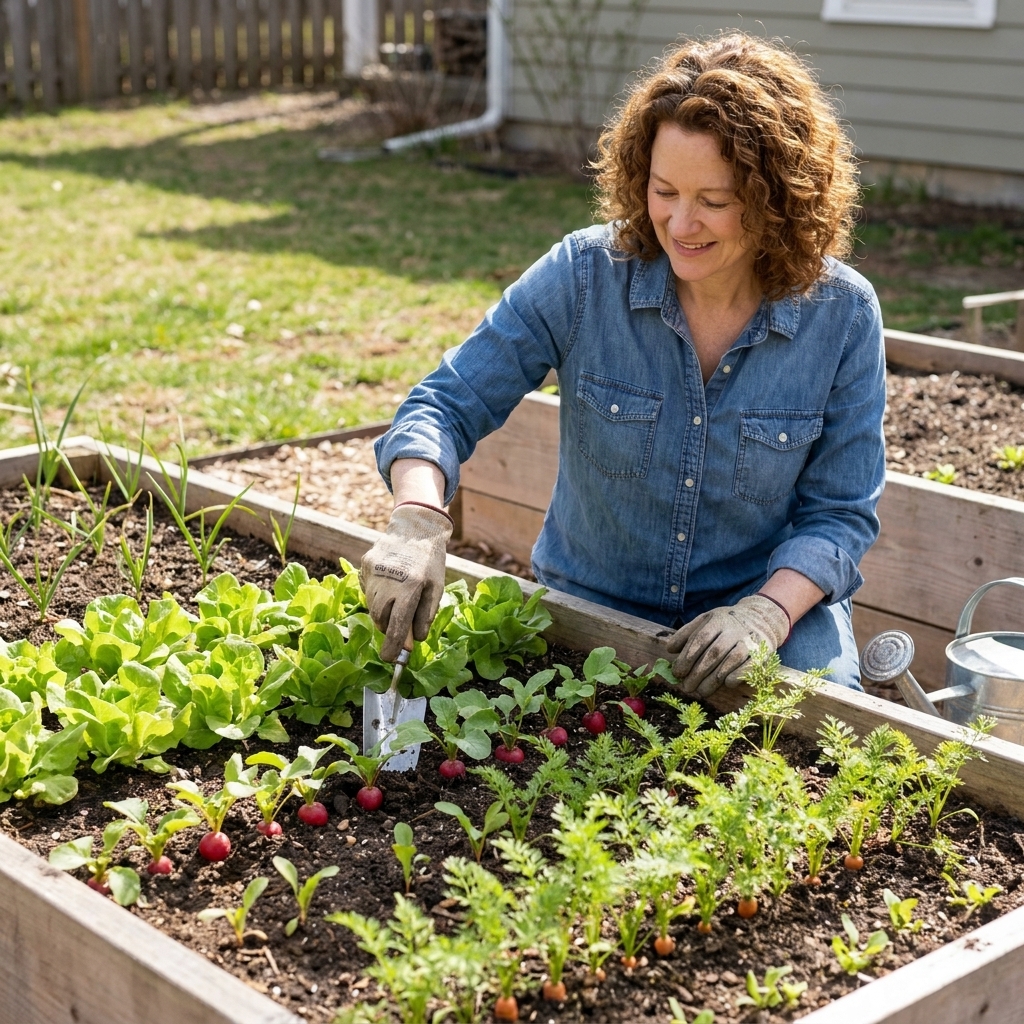
Succession planting, explained like a neighbor over the fence
If you have ever harvested a glorious armful of lettuce for two weeks straight, then watched your bed turn into an empty patch of soil, you already understand why I love succession planting.
Succession planting is simply sowing or transplanting crops in small batches, spaced out in time, so you get a steady harvest instead of one big glut.
In most home gardens, a good starting rhythm is every 2 to 3 weeks for quick crops. But it is not a law of nature. Your best interval depends on the variety, how you harvest (cut-and-come-again vs. full heads), and how fast things are growing in your season.
The goal is not perfection. The goal is opening your back door and finding something ready, week after week, from spring through fall.
How to use this calendar
- Step 1: Find your average last spring frost date and first fall frost date.
- Step 2: Pick a handful of repeat crops you actually eat.
- Step 3: Choose a planting day (every other Saturday works) and make small sowings, then adjust as you learn your pace.
Before you use the calendar: 3 numbers you need
1) Your last spring frost date
This is the anchor for spring sowing. If you do not know it, look up the average last frost for your town. Write it down somewhere you will actually see it.
2) Your first fall frost date
This is the anchor for late summer and fall sowing. Many fall crops taste better after cool nights, but they still need time to mature before a hard freeze.
3) “Days to maturity” (plus a realistic buffer)
Seed packets list days to maturity, but real gardens are not seed packets. Here is my rule of thumb, and it will vary by latitude, day length, and how warm your soil stays:
- +7 to 10 days in spring when soils are cold and growth is slow.
- +0 to 7 days in warm, steady summer conditions.
- +10 to 21 days for fall crops as daylight shortens and growth slows.
The 2 to 3 week rhythm that makes this work
Here is my simple routine:
- Pick 6 to 10 repeat crops you actually eat (salad greens, radishes, carrots, bush beans, cilantro, etc.).
- Plant small blocks, not an entire bed at once.
- Replant as soon as a section finishes or is about to finish.
- Keep a tiny notebook or notes app with planting dates. Future you will send thank-you cards.
And one practical truth: succession planting is easier in raised beds because the soil warms earlier, drains better, and is simple to rework between rounds.
Two types of succession planting
Same-crop successions
This is the classic method: sow lettuce again, sow radishes again, sow beans again. It spreads the harvest out so you do not get everything at once.
Follow-on successions
This is the secret weapon in small gardens: when one crop finishes, you immediately plant something else in that spot. Think peas to beans, or spring lettuce to basil, or early potatoes to fall greens.
Ultimate succession planting calendar (spring through fall)
This calendar is written in relative timing so it works anywhere. Use your frost dates and count weeks. If you want to keep it extra simple, pick a planting day (like every other Saturday) and stick to it.
Late winter to early spring (10 to 4 weeks before last frost)
Best for: starting long-season crops indoors and sneaking in the earliest cold-hardy sowings outdoors when soil is workable.
- Start indoors: onions (from seed), leeks, celery, celeriac, early brassicas (broccoli, cabbage, kale), and early lettuce starts if you like transplants.
- Sow outdoors when soil can be worked: spinach, peas, mache, and in mild areas, radishes and turnips.
- About fava beans: in mild-winter areas they are often fall-sown to overwinter; elsewhere, sow very early in spring as soon as the soil is workable.
Succession tip: For spinach and peas, plant two rounds about 2 to 3 weeks apart. Spring warms up fast, and these crops do not love sudden heat.
Early spring (4 weeks before last frost to last frost)
Best for: your first true waves of salad and roots.
- Every 2 weeks: lettuce mixes, arugula, radishes, Asian greens (mustards, mizuna), scallions (from seed), cilantro (if nights are still cool).
- Every 3 weeks: carrots (small amounts), beets (small amounts), turnips.
- One to two rounds: potatoes, onion sets, and more peas if you have space.
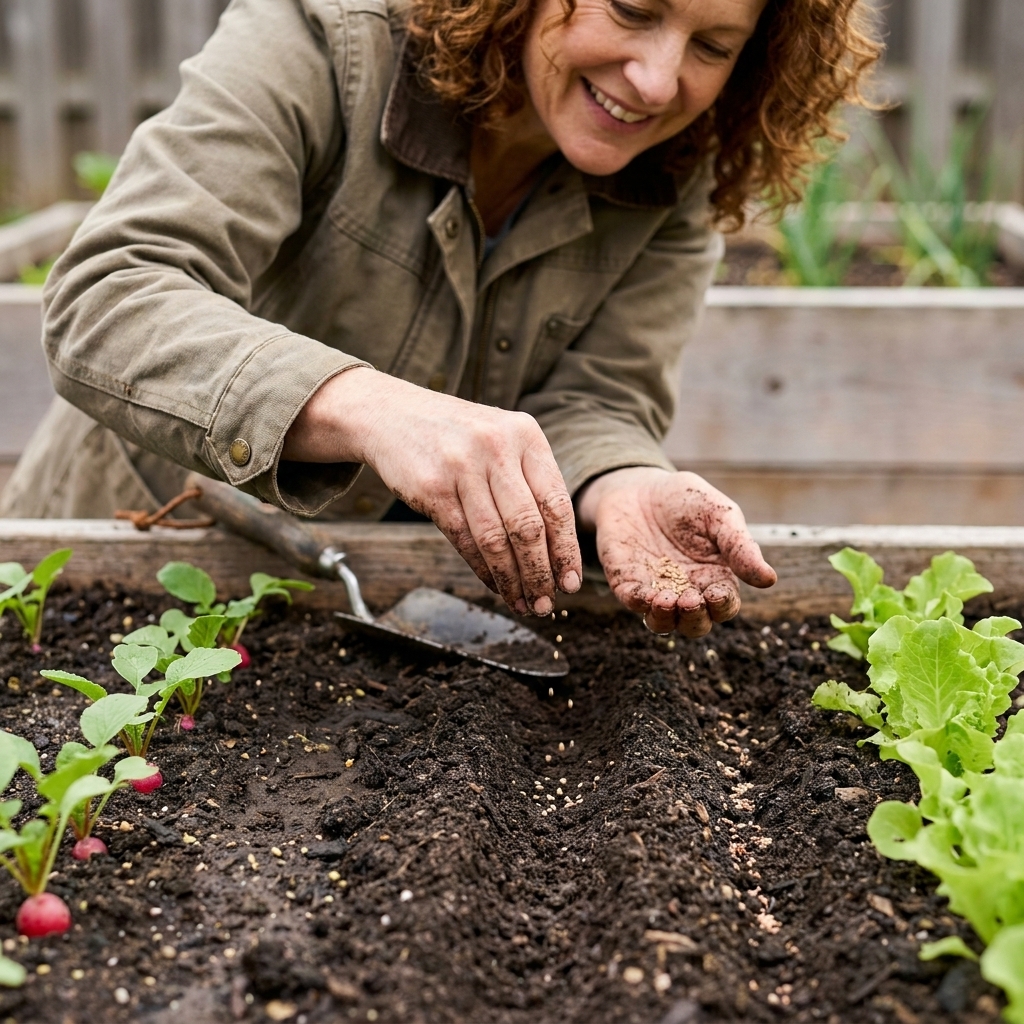
My tiny mistake confession: I used to plant all my carrots at once because I was feeling productive. Then I would be drowning in carrots I could not eat fast enough, followed by three months of carrot regret. Small sowings are the whole trick.
Mid spring (0 to 4 weeks after last frost)
Best for: cool-season crops still going strong, plus the first warm-season sowings once nights settle.
- Every 2 weeks: lettuce, arugula, radishes (if it is still cool enough), dill, cilantro.
- Every 2 to 3 weeks: carrots, beets, kohlrabi.
- Start or transplant: broccoli, cabbage, kale, and chard if you want spring harvests.
- Sow warm-season (when soil is warm): first round of bush beans, first round of sweet corn (if you grow it), first round of cucumbers (in warmer zones).
Heat boundary rule: When daytime highs start living in the 80s (27C) regularly, spring salad greens will often struggle, especially if nights stay warm. If you want to keep them going, switch to heat-tolerant varieties, water steadily, and give them afternoon shade or a little shade cloth.
Early summer (4 to 8+ weeks after last frost)
Best for: beans, basil, more beans, and filling gaps fast.
- Every 2 weeks: bush beans (reliably easy), basil (small sowings), dill.
- Every 3 weeks: carrots (choose heat-tolerant varieties), beets (if your summers are not scorching).
- As space opens: new cucumber plants, another squash plant (if vine borers or mildew always get you), and more scallions.
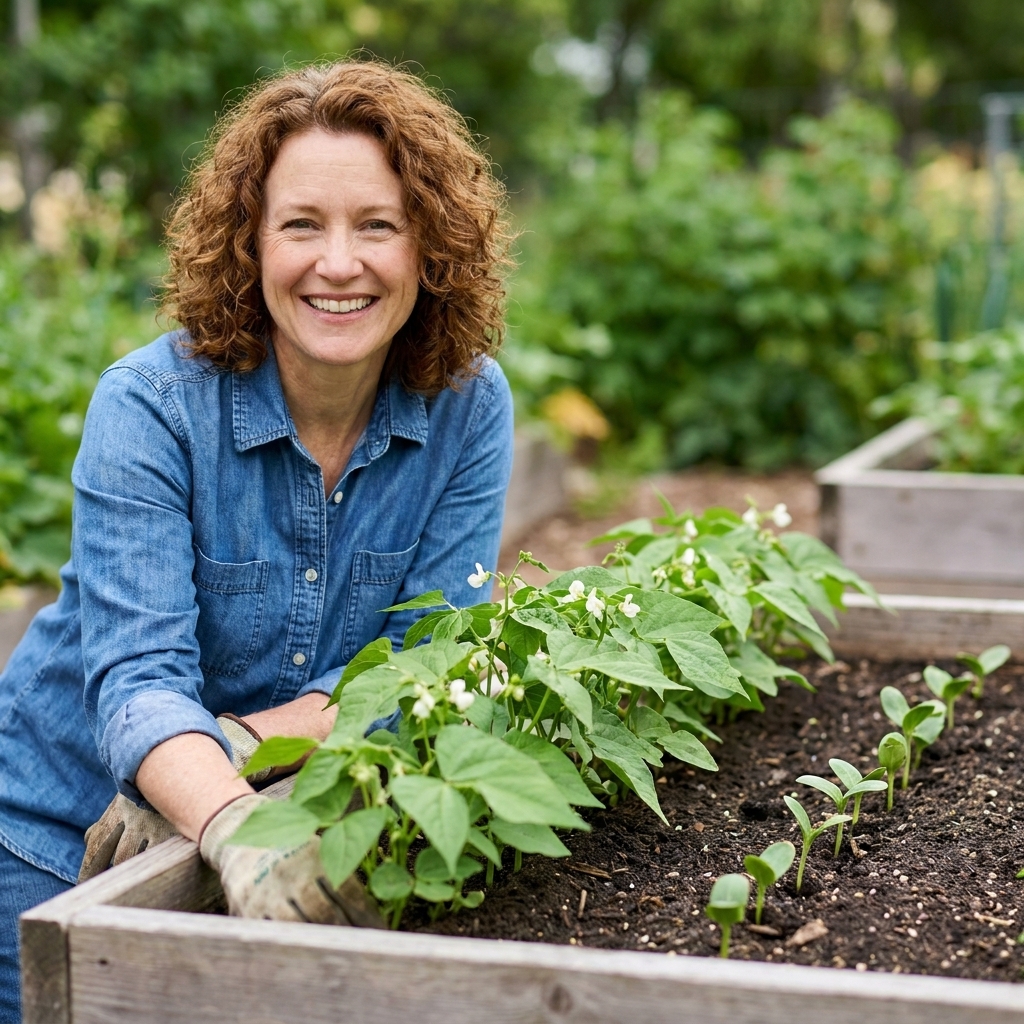
Pro tip for small gardens: In summer, I lean on crops that go from seed to harvest quickly. Bush beans, basil, dill, and baby greens let you replant a bed without waiting forever to see results.
Midsummer (8 to 12+ weeks after last frost)
Best for: your fall planning, even while the tomatoes are stealing the show.
- Every 2 weeks (if you can keep them cool): basil, bush beans (one last round depending on frost date), heat-tolerant lettuce in shade.
- Start indoors for fall: broccoli, cabbage, kale, cauliflower, and romaine (helps them avoid midsummer stress).
- Sow outdoors: carrots for fall harvest, beets for fall, and more scallions.
The big mindset shift: Fall vegetables are planted in summer. I know. It feels wrong every time. But if you wait until the air feels like sweater weather, it is usually too late for many crops.
Summer sowing reality: Some seeds struggle in hot soil, especially lettuce and spinach. If germination is spotty, sow in the evening, keep the surface consistently moist, use a light mulch board or burlap for a few days, or start transplants in a cooler spot.
Late summer (10 to 8 weeks before first fall frost)
Best for: the fall garden that tastes like victory.
- Transplant: fall brassicas (broccoli, kale, cabbage) and fall lettuce starts.
- Sow: carrots, beets (early in this window), turnips, and more cilantro as nights cool.
- Rutabaga timing: rutabagas are slow. In many gardens they do best when sown 10 to 12+ weeks before first fall frost (often midsummer), depending on variety.
- Every 2 weeks: arugula, mustard greens, spinach (in milder areas), radishes.
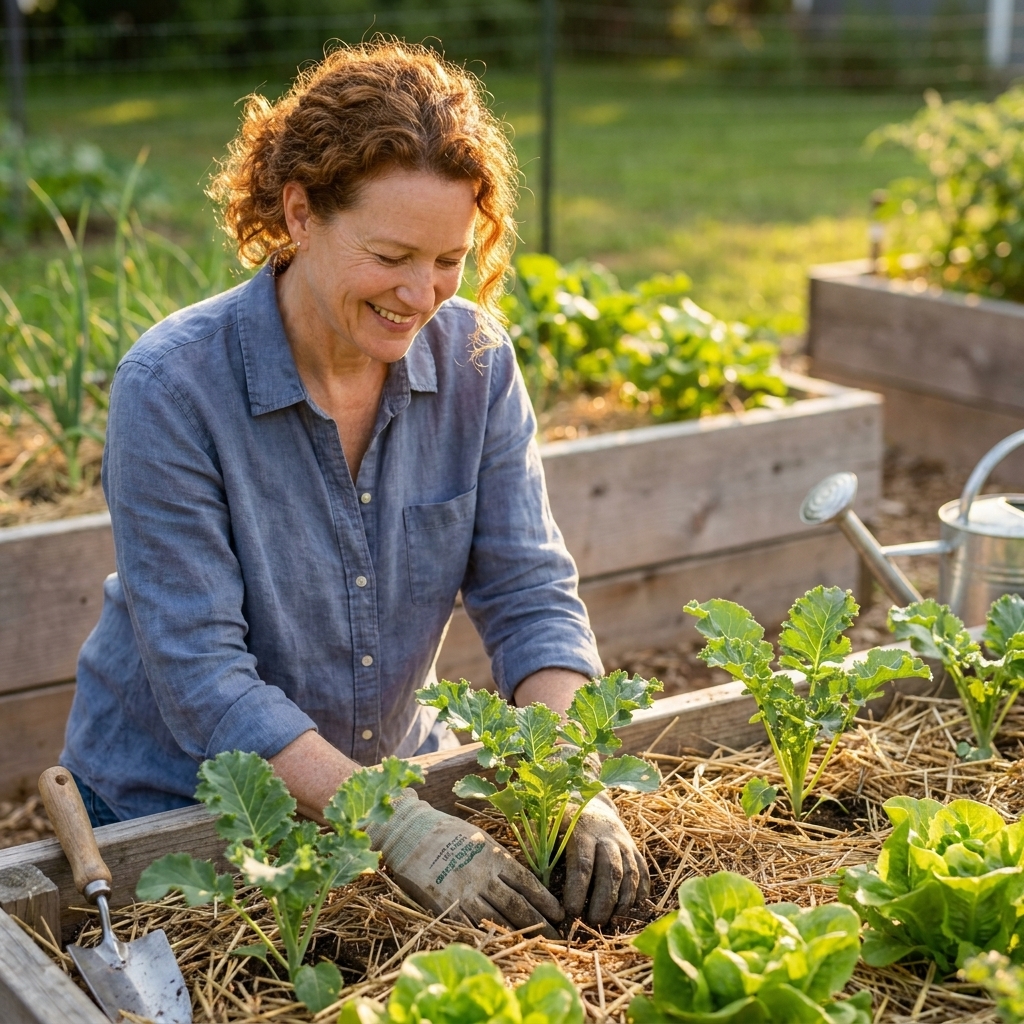
Succession tip for fall greens: Instead of one big sowing of arugula or spinach, do two to three smaller sowings 10 to 14 days apart. If one planting gets hit by heat, pests, or a surprise dry spell, the next one is right behind it.
Early fall (6 to 4 weeks before first fall frost)
Best for: quick crops that can handle cool nights.
- Every 2 weeks: radishes, arugula, mustard greens, lettuce (if temperatures allow), cilantro.
- One last sowing: spinach (timing depends heavily on your climate), baby turnips, and scallions.
Frost insurance: Keep lightweight row cover on hand. It buys you precious weeks and makes fall gardening feel downright luxurious.
Late fall (at frost and beyond)
Best for: harvesting, protecting, and learning for next year.
- Harvest: kale, carrots, beets, turnips, and late greens. Many improve after light frosts.
- Protect: greens under row cover or a simple low tunnel.
- Rebuild: top-dress empty beds with compost and a light organic fertilizer, then mulch.
What to plant every 2 to 3 weeks (my favorite repeat crops)
If you want a short list to print and tape to the fridge, start here.
Easy weekly or biweekly sowers
- Radishes: sow every 7 to 14 days in spring and fall.
- Lettuce and salad mixes: sow every 10 to 21 days (shorter intervals in cool weather). Leaf lettuce is more forgiving than heading types.
- Arugula and mustard greens: sow every 10 to 14 days for steady salads.
- Cilantro: sow every 2 weeks in spring and again in late summer for fall.
- Scallions: sow every 2 to 3 weeks for a constant supply.
Best every 2 to 3 weeks
- Bush beans: sow every 2 weeks. For your last sowing, check days to maturity and count back from first frost with a buffer. For many varieties, 6 to 8 weeks before frost is a solid target for reliable harvests.
- Carrots: sow every 2 to 3 weeks, small amounts.
- Beets: sow every 2 to 3 weeks through spring, then again for fall.
- Dill: sow every 2 to 3 weeks if you like pickles or dill bouquets.
- Basil: sow every 2 to 3 weeks once nights are warm.
Better in rounds than constant succession
- Broccoli, cabbage, cauliflower: usually 1 spring round (optional) and 1 fall round.
- Corn: 2 to 3 sowings 10 to 14 days apart for a longer harvest window, if you have space. Plant in blocks for pollination, and aim for overlap in tasseling and silking between plantings.
- Potatoes: typically one main planting, though some climates allow a second crop.
- Bulbing onions and garlic: not classic succession crops. They are more of a once-a-season commitment, timed to your climate.
How to fit succession planting into a small garden
Plant in blocks, not long rows
A 1 x 2 foot block of lettuce is easier to replant than a skinny row winding through your bed. Blocks also make watering and pest protection simpler.
Interplant to buy time
This is one of my favorite tricks for small suburban beds:
- Sow radishes between slower carrots.
- Plant lettuce under young tomatoes before the tomatoes shade everything out.
- Tuck scallions along bed edges as a living border.
Use quick crops as gap fillers
When something finishes, do not leave the soil bare if you can help it. A short-season crop can slide in beautifully:
- Radishes (spring or fall)
- Baby salad greens
- Turnips
- Beets for greens
Do not underestimate containers
If your beds are full, you can still succession plant in pots. A single container can keep you in:
- Cut-and-come-again lettuce
- Baby kale
- Scallions
- Herbs like basil and dill
A simple 4x8 example plan
If you want one concrete picture, here is a simple flow for a single 4x8 raised bed. Think of it as four 2x4 sections (A, B, C, D). You can scale this up or down.
- Section A: Spring lettuce and radishes (two to three small sowings), then basil in early summer, then fall arugula.
- Section B: Spring peas on a small trellis, then bush beans after peas finish, then spinach or mustard greens for fall.
- Section C: Carrots in two to three sowings in spring, then beets for fall (or more carrots if fall is your carrot season).
- Section D: A round of potatoes or a spring brassica, then a late-summer transplant of kale for fall picking.
You do not need to follow this exactly. The point is the pattern: small early sowings, quick summer replacements, then a fall finish.
Keeping the soil happy between successions
Succession planting means your soil is working overtime. A little care keeps yields high and pest pressure lower.
- Top-dress with compost: add 1/2 to 1 inch, or a few handfuls per square foot, after you pull a crop (especially in shallow raised beds).
- Replenish nutrients: a light sprinkle of an organic all-purpose fertilizer helps, especially after heavy feeders.
- Mulch pathways and bare spots: it protects moisture and keeps your bed from crusting over.
- Water consistently: new sowings fail most often from drying out in the first 7 to 10 days.
Rotation note: When you can, rotate plant families. If you just grew brassicas in one corner, try not to follow them with more brassicas in that exact spot, especially if you have had issues with soil-borne diseases. In small gardens you will not be perfect, but even a little rotation helps.
If you are using raised beds, this is also where a homemade compost habit really shines. Even pretty good compost is better than leaving the soil depleted between rounds.
Quick seasonal cheat sheet
- Spring: repeat sowings of greens and roots until heat arrives.
- Summer: repeat sowings of beans and herbs, and start fall crops while it is still hot.
- Fall: repeat sowings of quick greens and radishes, protect with row cover to stretch harvests.
FAQ
How late can I keep succession planting?
Keep planting as long as a crop can reasonably mature before your first hard frost. For fall, remember to add extra time because growth slows with shorter days. If you are close to the deadline, switch to fast crops like radishes, arugula, mustard greens, and baby turnips, or plan to use row cover.
What if I miss my 2-week planting date?
Plant anyway. The calendar is a rhythm, not a rule. Even planting one extra batch of lettuce or beans can stretch your harvest by weeks.
Do I need to start seeds indoors for succession planting?
No, but it helps for fall brassicas and fall lettuce in hot climates. Direct sowing works beautifully for radishes, beans, carrots, beets, and many greens if you keep the seed bed evenly moist.
What is the easiest succession crop for beginners?
Bush beans for summer and radishes for spring and fall. They germinate quickly, grow fast, and give you a lot of confidence for very little fuss.
A gentle challenge for your next season
Pick just three crops you will succession plant this year. For most households, I would choose:
- Lettuce (every 2 weeks in spring and again in late summer)
- Radishes (every 1 to 2 weeks in spring and fall)
- Bush beans (every 2 weeks in summer)
Do those three, and you will feel the difference immediately. Your garden stops being a single big moment and starts acting like a pantry that refills itself.