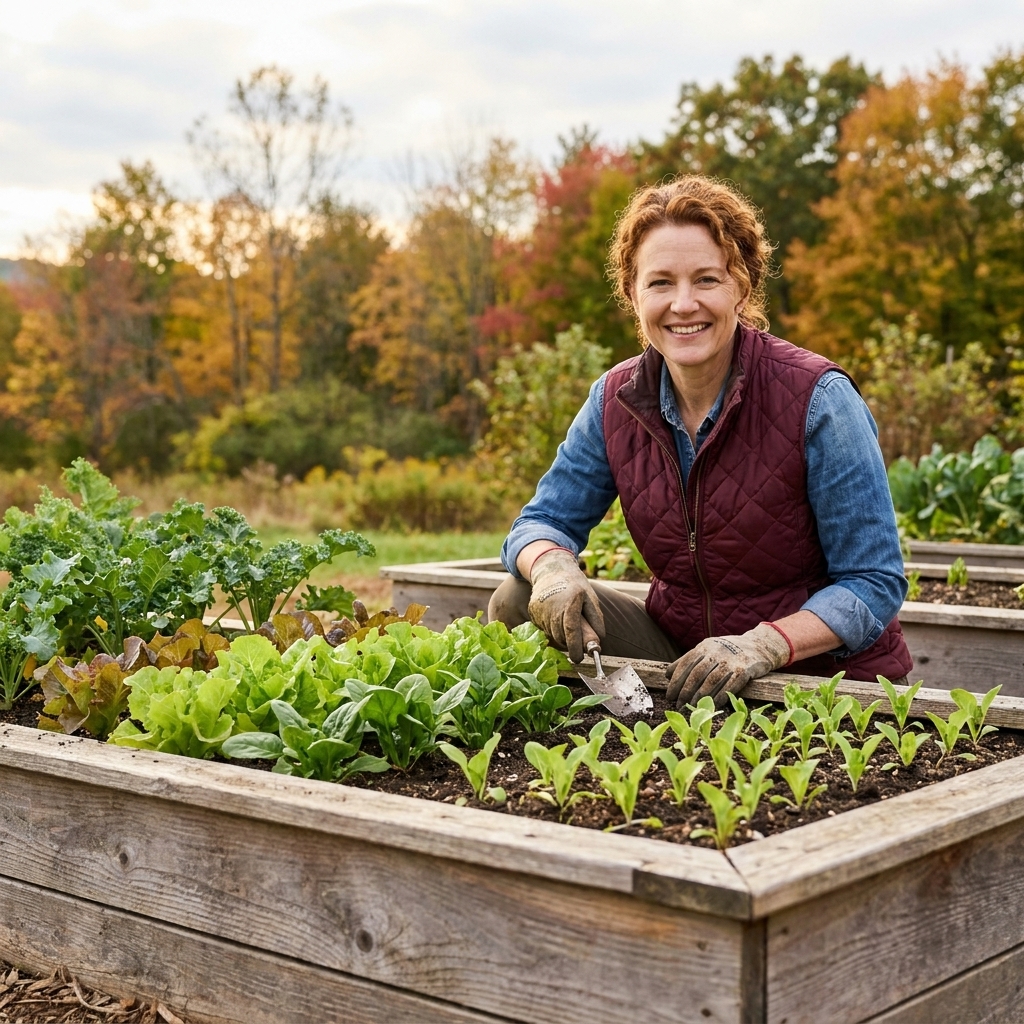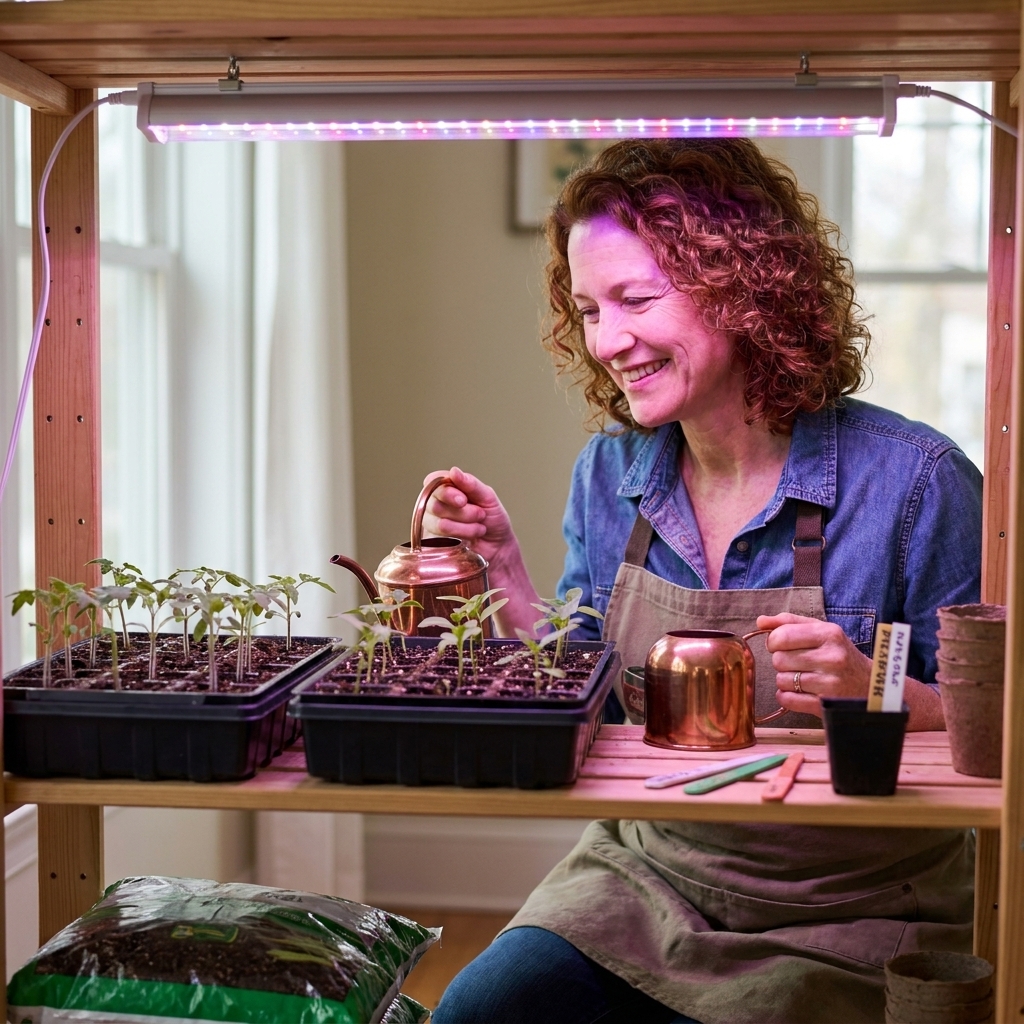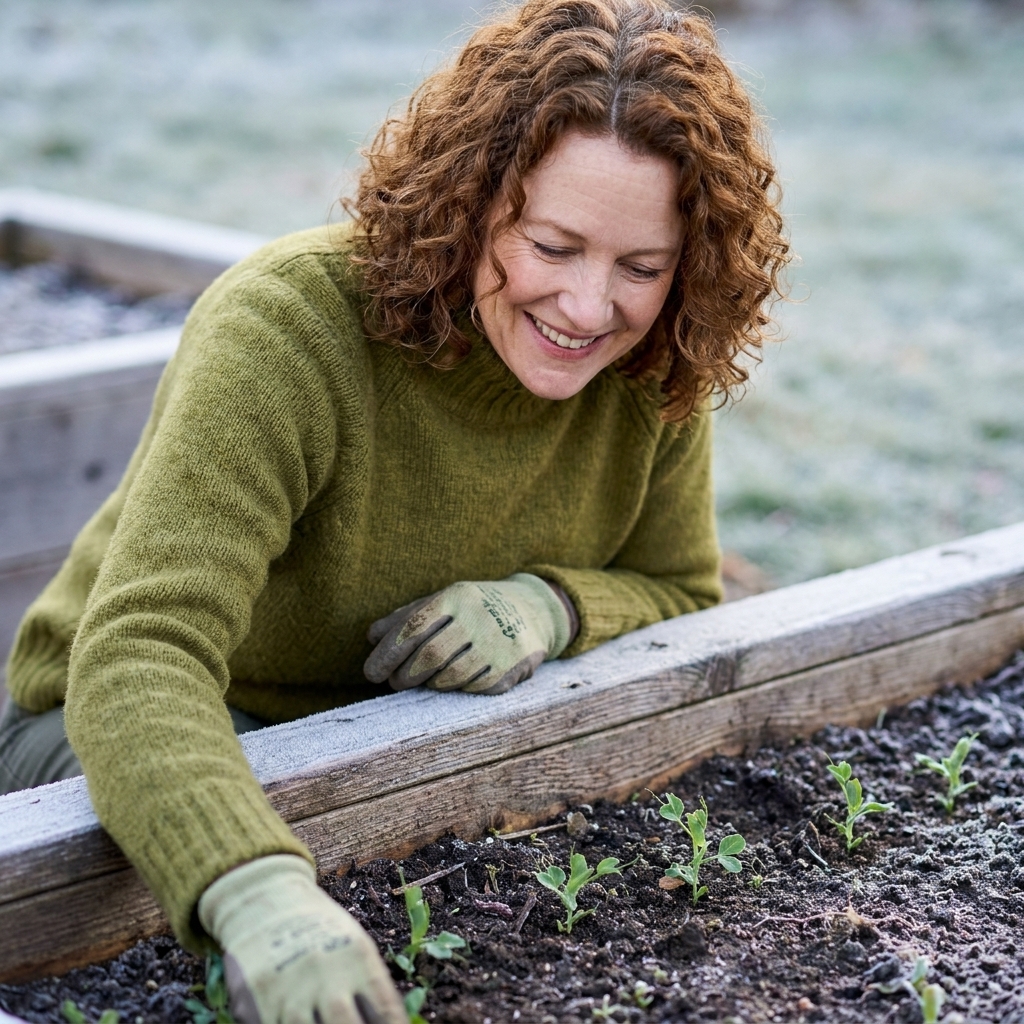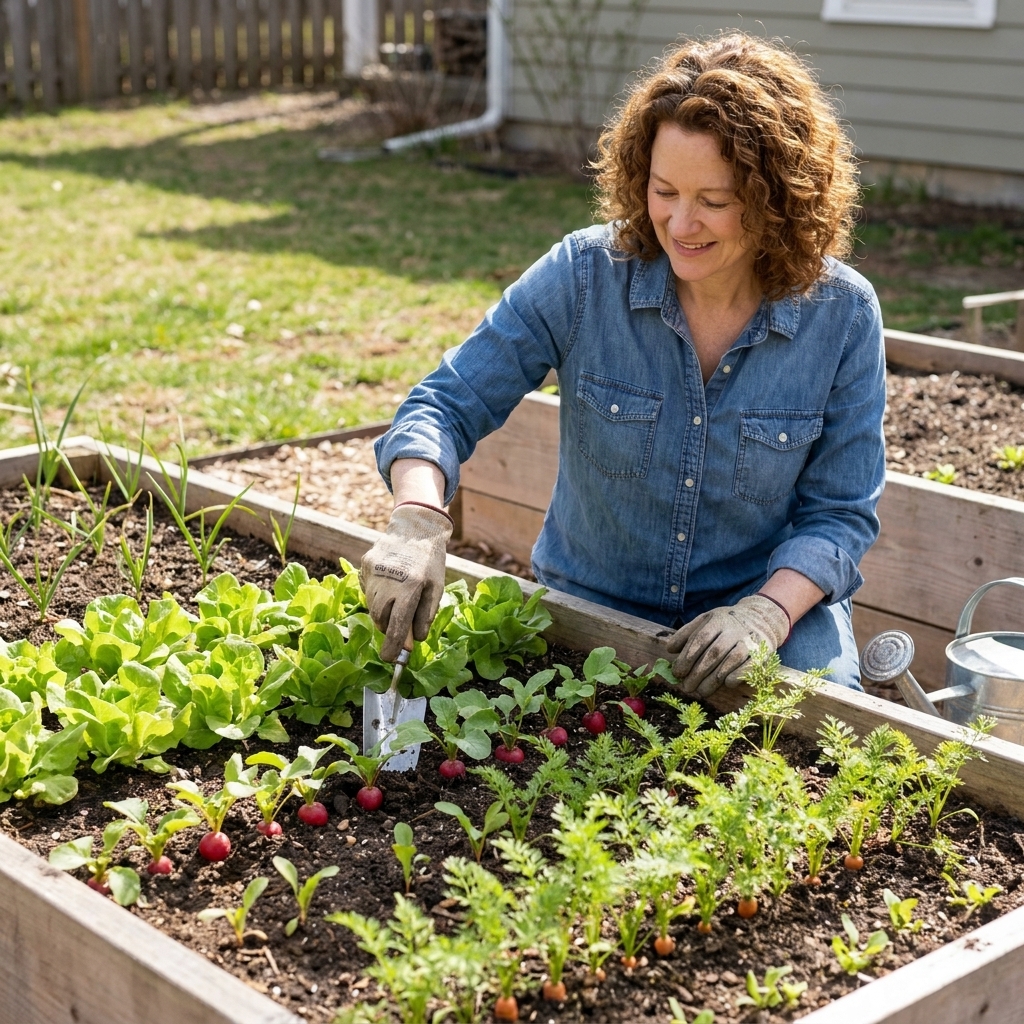
A practical, season-long succession planting plan: what to sow every 2 to 3 weeks, when to switch crops, and how to keep beds producing from spring to frost.
Veg Loom
October 17, 2026
By Maggie O'Connell
Succession Planting 101
Learn succession planting with a simple calendar strategy: how to stagger sowings, swap crops by season, and keep your beds producing steady harvests from spring through fall.

Maggie O'Connell
Maggie O'Connell is a lifelong gardener and the voice behind Vegloom, dedicated to helping people grow their own food regardless of their yard size. With over 15 years of hands-on experience in backyard agriculture, she specializes in raised bed gardening, organic soil building, and seasonal planting calendars. When she isn't writing, Maggie can usually be found tending to her sprawling heirloom tomatoes or experimenting with new compost recipes.
One of the fastest ways to get more food from the same garden space is not bigger beds. It is better timing. Succession planting is simply planting in waves so you harvest a little, often, instead of drowning in lettuce for two weeks and then staring at bare soil.
I learned this the hard way after my first raised bed “success” turned into a July slump. I had planted everything in one enthusiastic weekend, harvested like a queen for a short stretch, and then wondered why the garden felt finished by midsummer. The fix was a calendar and a willingness to replant on purpose.
What succession planting means
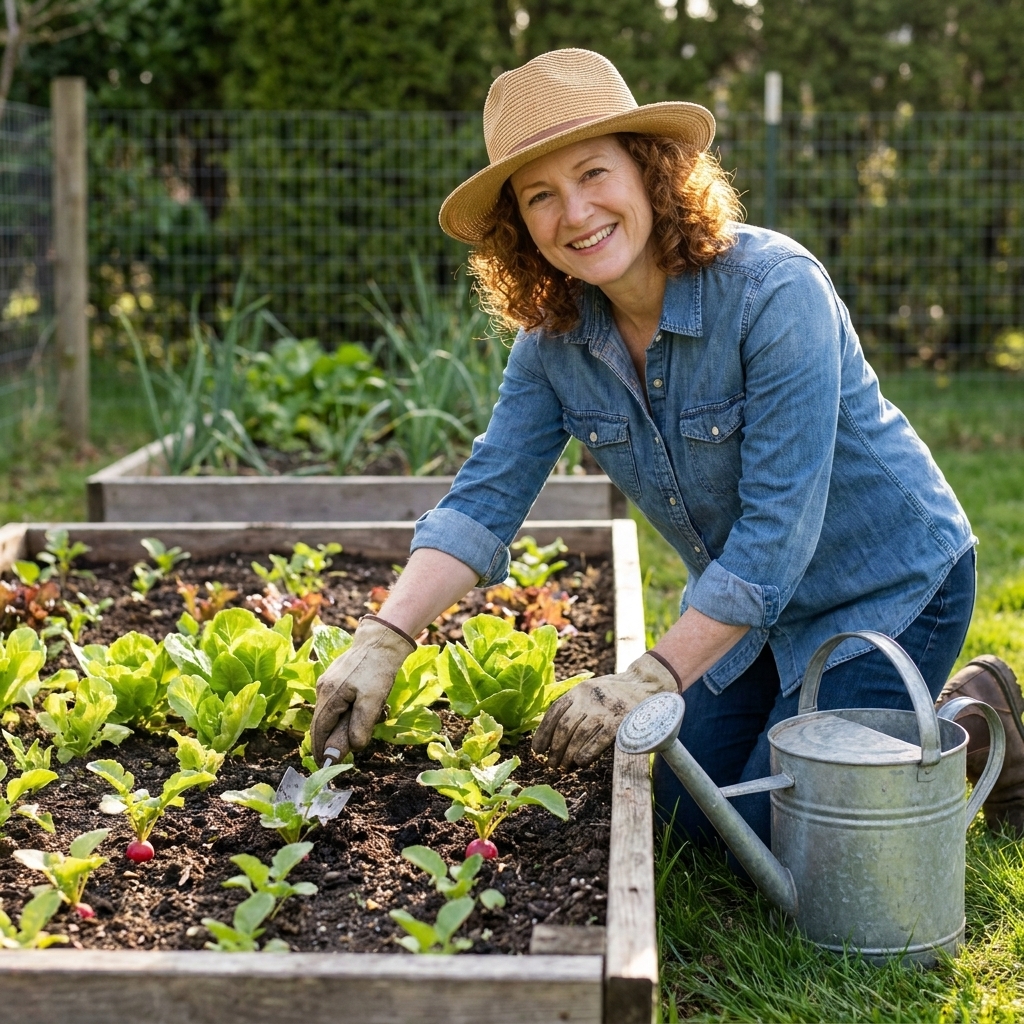
Succession planting is any strategy that keeps crops rotating through a bed so something is always growing. In practice, it usually looks like one or more of these:
- Staggered sowing: Plant the same crop every 1 to 3 weeks so it matures in batches.
- Relay planting: Start the next crop while the current crop is finishing, often by tucking seedlings into the gaps.
- Seasonal swaps: Replace a spring crop with a summer crop, then a fall crop.
- Cut-and-come-again harvest: Extend harvest by taking leaves or shoots repeatedly (works beautifully for greens and herbs).
You can do succession planting in one bed, a couple of containers on a balcony, or a whole backyard plot. The principle is the same: plan your “next” before you harvest your “now.”
Start with three dates
You do not need a complicated spreadsheet to get this right. You need three anchor points for your location:
- Average last spring frost date (a helpful guideline for when tender plants are often safe outside, though many gardeners still wait a week or two or use soil temperatures)
- Average first fall frost date (when tender plants are usually done)
- Days to maturity for each crop you want to grow (from the seed packet)
From there, succession planting becomes simple math plus a little seasonal common sense.
A quick way to find your rhythm
Pick one bed or even one row and try a three-wave plan:
- Wave 1: Early spring cool-season crops
- Wave 2: Summer heat lovers after those finish
- Wave 3: Fall cool-season crops as summer crops slow down
It is a small mindset shift, but it changes how productive your garden feels.
The easy calendar method
Step 1: List crops by season
Sort what you want to grow into three buckets.
- Cool-season: peas, spinach, lettuce, arugula, radishes, carrots, beets, broccoli, cabbage, kale, onions
- Warm-season: tomatoes, peppers, cucumbers, common beans, squash, corn, basil
- Fast fillers: baby greens, radishes, scallions, cilantro, dill, bush beans
Quick note: If you grow fava or broad beans, treat those as cool-season beans. When I say “beans” in summer, I mean common garden beans like bush and pole types.
Step 2: Mark your changeover windows
Most gardens have two big moments when space opens up:
- Late spring to early summer: after radishes, peas, early lettuce, and spinach bolt or get harvested out
- Mid to late summer: when garlic (often mid-summer), early potatoes, and other early crops finish, and heat-stressed plants slow down
Those windows are your best opportunities to slide in the next crop without adding more beds.
Step 3: Schedule sowing waves for a few key crops
Choose 3 to 5 crops to succession sow, not 15. This keeps it realistic. Great beginner-friendly choices:
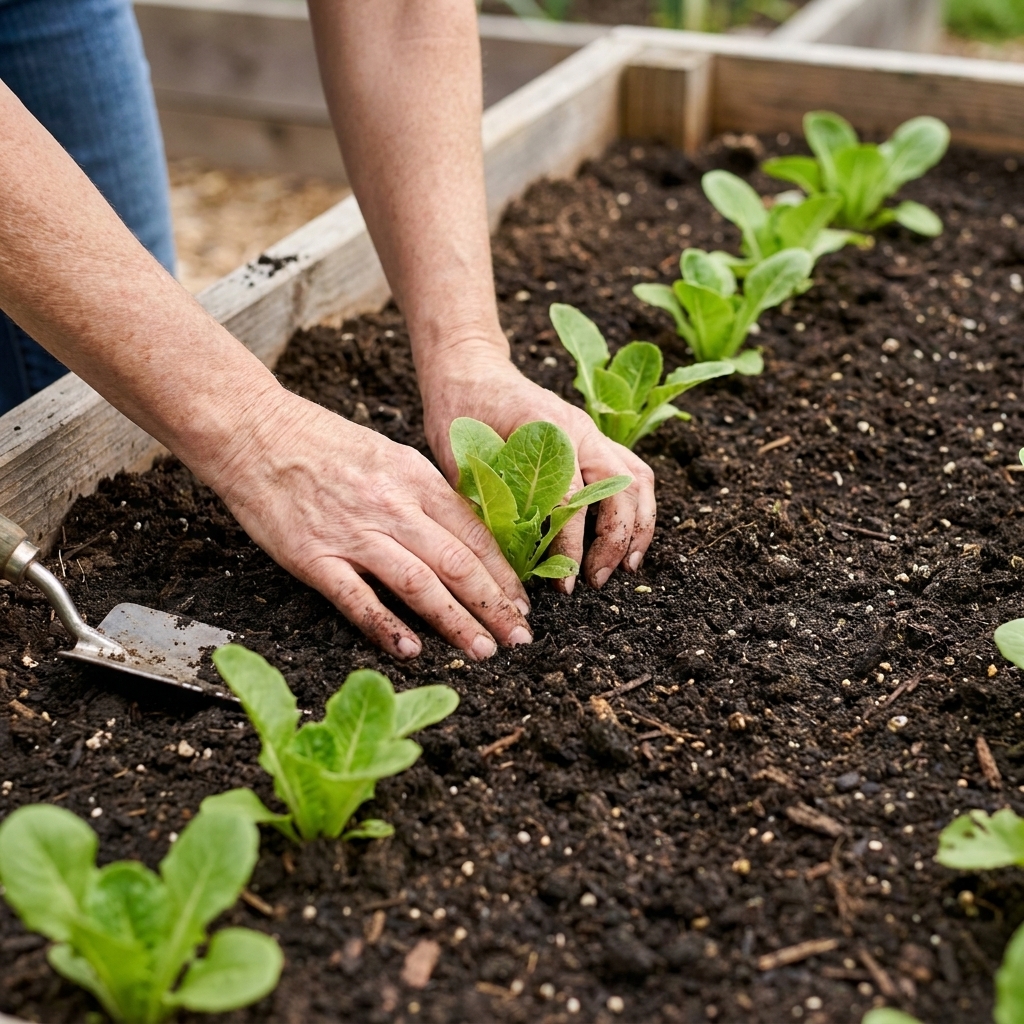
- Lettuce: sow every 10 to 14 days (or transplant small batches weekly)
- Radishes: sow every 10 to 14 days until hot weather, then again in late summer
- Bush beans: sow every 2 to 3 weeks in summer
- Cilantro: sow every 2 to 3 weeks in spring and fall (it bolts fast in heat)
- Carrots: sow every 2 to 3 weeks until midsummer for fall harvests
For warm-season direct seeding, watch soil temperature as much as the calendar. Beans generally pop more reliably when soil is around 60°F (16°C) and climbing. Cucumbers and squash tend to want it warmer, closer to 65 to 70°F (18 to 21°C). If the soil is cold, seeds can sulk or rot even if the frost date looks “safe.”
A sample succession calendar
Since frost dates vary wildly, here is a frost-date-based calendar you can adapt anywhere. Use your own last frost and first frost as the reference points.
Early spring (6 to 2 weeks before last frost)
- Sow: spinach, peas, radishes, carrots (if soil is workable), arugula, turnips
- Start indoors: broccoli, cabbage, kale, onions (or plan to buy transplants or plant sets, depending on what works in your region)
- Plan ahead: decide what will replace peas and spinach when heat arrives
Spring to early summer (around last frost to 4 weeks after)
- Transplant: brassicas and early lettuce
- Sow in waves: lettuce, radishes
- After last frost and once nights and soil are warm enough: plant tomatoes, peppers, basil, cucumbers, squash
- As space opens: pull finished radishes and tuck in basil or bush beans
Mid-summer (4 to 10 weeks after last frost)
- Sow in waves: bush beans every 2 to 3 weeks
- Start fall seedlings (in shade or indoors): kale, broccoli, cabbage, lettuce
- Direct sow for fall: carrots, beets, chard (timing depends on variety)
- Replace bolted greens: plant heat-tolerant greens or quick beans
My mid-summer reality check: if it is brutally hot, I switch from direct seeding to transplants for fall brassicas and lettuce. Seeds can struggle in hot, dry topsoil. A little shade cloth and steady moisture can be the difference between success and a row that never germinates.
Late summer to early fall (10 weeks after last frost to 6 weeks before first frost)
- Plant: fall lettuce, arugula, spinach, radishes, scallions
- Transplant: fall brassicas
- Keep harvesting: beans, cucumbers, peppers, tomatoes
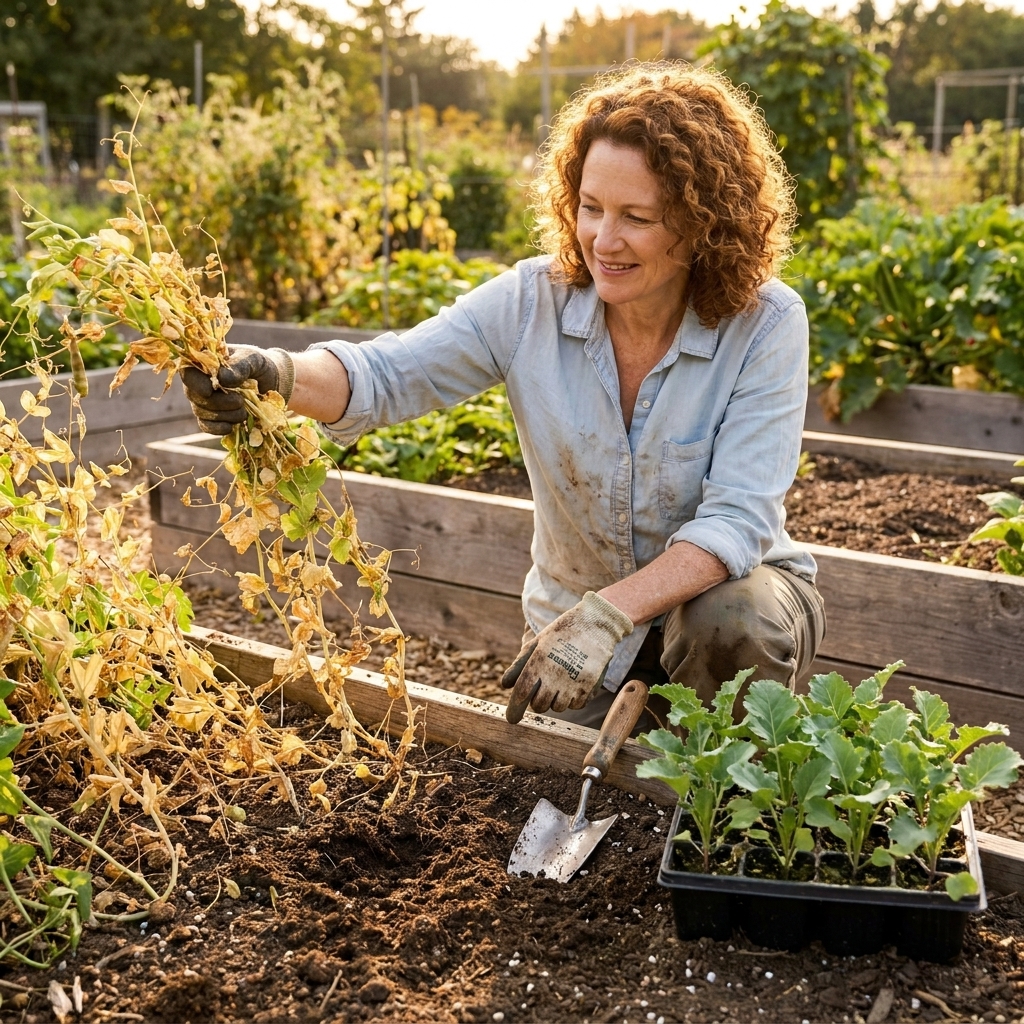
- As summer plants fade: pull and replant promptly, rather than waiting too long
Fall (6 weeks to 1 week before first frost)
- Sow: spinach (for fall or overwintering in mild climates), quick salad mixes, radishes
- Protect: use row cover for frost-sensitive greens
- Clean up with intention: replant empty spots with cover crops if your season is ending
Crop-by-crop tips
Lettuce and salad greens
If you only succession plant one thing, make it lettuce. For steady salads:
- Plant small amounts often, not a whole packet at once.
- Use heat-tolerant varieties for summer, and save the tender butterheads for spring and fall.
- Harvest leaves young and often. It delays bitterness.
Radishes
Radishes are the garden’s built-in timer. They are fast, they mark rows well, and they fill gaps.
- Sow every 10 to 14 days in cool weather.
- Stop when daytime heat ramps up, then restart in late summer.
- Do not baby them with too much nitrogen. You will get leaves instead of roots.
Bush beans
Bush beans are a perfect summer succession crop because they go from seed to harvest quickly.
- Sow every 2 to 3 weeks for a continuous pick.
- Replant immediately after a bed finishes peas or early greens.
- Keep them picked. The more you harvest, the more they produce.
Carrots
Carrots feel fussy until you get the hang of moisture management.
- Succession sow every 2 to 3 weeks through early to mid-summer for fall harvests.
- Keep the top inch of soil evenly moist until germination.
- Consider covering the seed row with a board or burlap and lifting daily to check moisture.
Brassicas (broccoli, cabbage, kale)
Brassicas are less about frequent sowing and more about seasonal swaps.
- Grow them in spring, then again for fall.
- Start fall brassicas in mid-summer so you can transplant when beds open up.
- Choose varieties that match your season, and aim for steady water. Flavor is shaped by variety and temperature, but stress does not help.
How to find your last fall planting date
This is the little bit of math that makes you feel like a garden wizard.
Last planting date = first fall frost date minus (days to maturity + 10 to 21 buffer days)
- Use a 10-day buffer for fast crops like radishes and salad mixes.
- Use a 21-day buffer for slower crops and anything you are starting from seed in late summer.
Why the buffer? Fall brings shorter days and cooler nights, which slows growth even when the weather is still pleasant. And days-to-maturity numbers are usually based on ideal conditions, not late-season reality.
One worked example: If your first fall frost is October 15 and your lettuce mix is 35 days to maturity, your last planting date is roughly October 15 minus (35 + 10) = around September 1. If you are farther north, add extra buffer or check a local fall planting chart. In some places, day length becomes the real limiter more than temperature.
Succession planting in small spaces
If you garden in a couple of raised beds, you do not need complicated rotations to benefit from succession planting. Try these practical approaches:
Use gap fillers on purpose
Anytime you pull a crop, you can drop in a fast one:
- Radishes
- Arugula
- Baby bok choy (in cooler weather)
- Scallions
- Dill or cilantro (spring and fall)
Interplant to buy time
While a larger plant is still small, use the open soil around it.
- Plant lettuce along the edges of a tomato bed early, harvest before tomatoes shade it out.
- Plant radishes between slower carrots. Radishes come out before carrots need the room.
- Tuck basil between peppers once nights are warm.
Stagger varieties, not just dates
Plant one early variety and one main-season variety of the same crop. For example, an early carrot and a storage carrot. You will get a spread-out harvest even if you sow them on the same day.
Common mistakes
- Planting the second wave too late: When a bed opens up, replant quickly. Bare soil is lost time.
- Not feeding the soil between successions: Repeated harvests can chew through nitrogen fast. Even a thin layer of compost plus a balanced organic fertilizer (especially after heavy feeders) can help the next crop take off.
- Direct sowing in scorching heat without help: In mid-summer, shade cloth, frequent light watering, or starting seedlings in trays is often more reliable.
- Trying to succession everything: Focus on a few high-impact crops. Let the rest be simple.
- Ignoring pest pressure: Successions can attract repeated pest cycles. Use row cover, rotate plant families when you can, and remove spent plants promptly.
A one-bed example
Here is a realistic succession plan for one 4x8 raised bed in a typical frost climate:
- Early spring: spinach and radishes in the front half, peas on a trellis along the back
- Early summer: remove radishes, plant bush beans; remove bolting spinach, plant basil or another short summer crop
- Mid to late summer: when peas finish, plant fall broccoli or kale transplants where the trellis was
- Early fall: sow arugula and lettuce in any open pockets
That one bed gives you three distinct harvest phases without expanding your garden footprint at all.
FAQ
How often should I succession plant?
For quick crops like lettuce and radishes, every 10 to 14 days is a comfortable rhythm. For bush beans, every 2 to 3 weeks. For larger crops like broccoli, you will usually do two main plantings, one in spring and one for fall.
Do I need to rotate crop families?
If you can, yes. Even in a raised bed, rotating plant families helps with pest and disease pressure. A simple approach is to avoid planting the same family back to back in the same space when possible. For example, do not follow spring broccoli with fall broccoli in the exact same strip if you have another bed option.
What if I missed my spring window?
Jump in with summer successions like bush beans, cucumbers, and basil, then plan a strong fall garden. Fall is honestly my favorite season to garden because the pests calm down and the greens get sweet.
Should I pull a plant that is still producing?
Sometimes, yes. Succession planting is about trade-offs. If your cucumber is limping along in late summer and you could replace it with fall greens you will harvest for weeks, the greens often win. I usually keep the healthiest producers and replace the stressed or disease-prone plants first.
Can row cover help with succession planting?
Yes. Row cover is not just for protection. It can buy you a few extra weeks on both ends of the season, which makes fall successions much easier to finish strong.
My best advice
If you want succession planting to feel easy, keep a short list taped to the potting bench or saved on your phone: what you can sow this week, what you should start in trays, and what can transplant into open space.
Gardens reward the folks who show up regularly with small actions. A pinch of seeds here, a few transplants there, and suddenly your beds are producing like you added another season to the year.