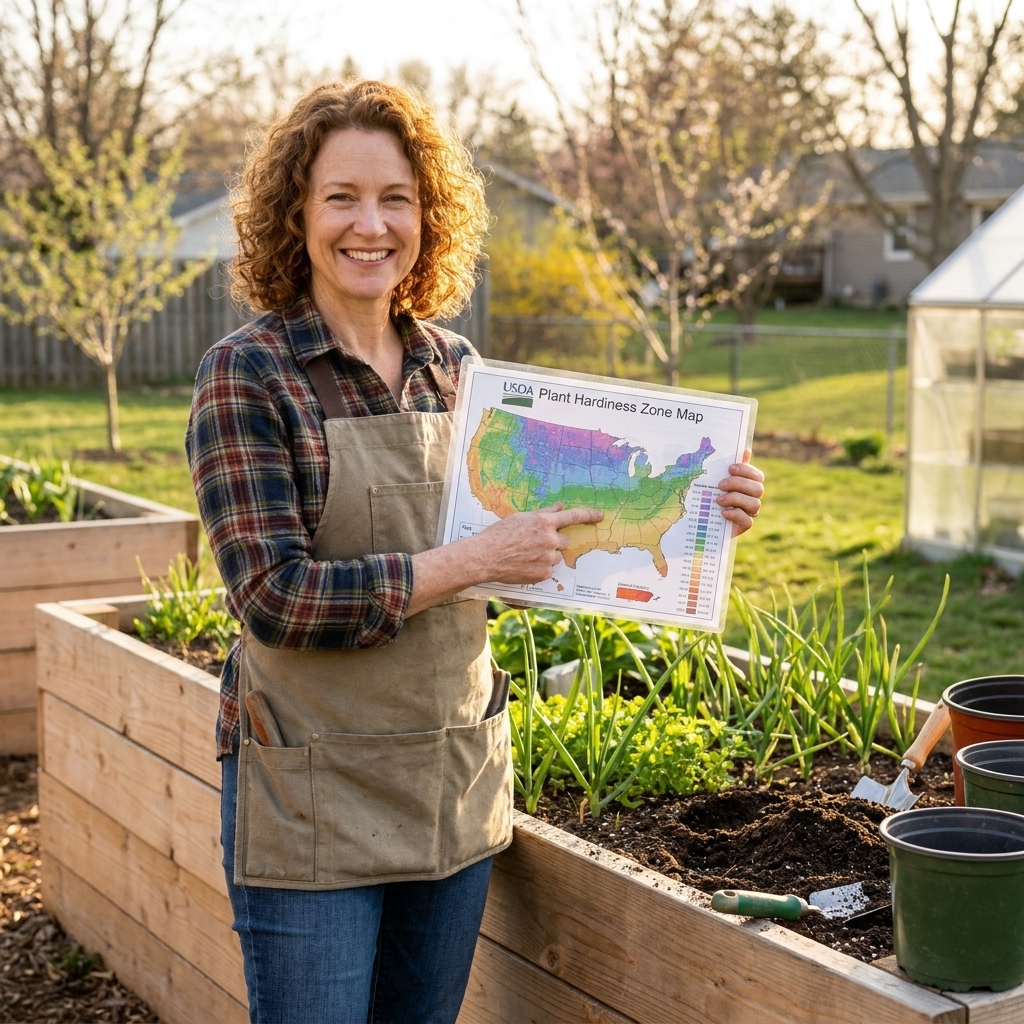
Find your first and last frost dates, then map them to exact weeks for starting seeds indoors, direct sowing outside, and transplanting vegetables with confi...
Veg Loom
October 17, 2026
By Maggie O'Connell
How to Overwinter Pepper Plants
Keep your best pepper plants alive through winter and get a head start on next season. Learn when to dig, how to prune and pot up, and the simple indoor care that brings them back fast in spring.

Maggie O'Connell
Maggie O'Connell is a lifelong gardener and the voice behind Vegloom, dedicated to helping people grow their own food regardless of their yard size. With over 15 years of hands-on experience in backyard agriculture, she specializes in raised bed gardening, organic soil building, and seasonal planting calendars. When she isn't writing, Maggie can usually be found tending to her sprawling heirloom tomatoes or experimenting with new compost recipes.
If you have a pepper plant that’s finally hitting its stride right when frost shows up, I’ve got good news: peppers are short-lived, tender perennials in warm, frost-free climates. In most places that get winter freezes, we grow them as annuals, but you can absolutely overwinter your favorites indoors, keep them alive through the cold months, and start spring with a mature plant that’s ready to grow (and flower) way earlier than a seedling ever could.
I started overwintering peppers after one too many seasons of watching my best producers get knocked out by the first hard freeze. Now I pick a couple “champion” plants each fall and bring them along for the ride. The result is earlier blooms, earlier fruit, and usually a noticeably bigger harvest.
Which peppers to overwinter
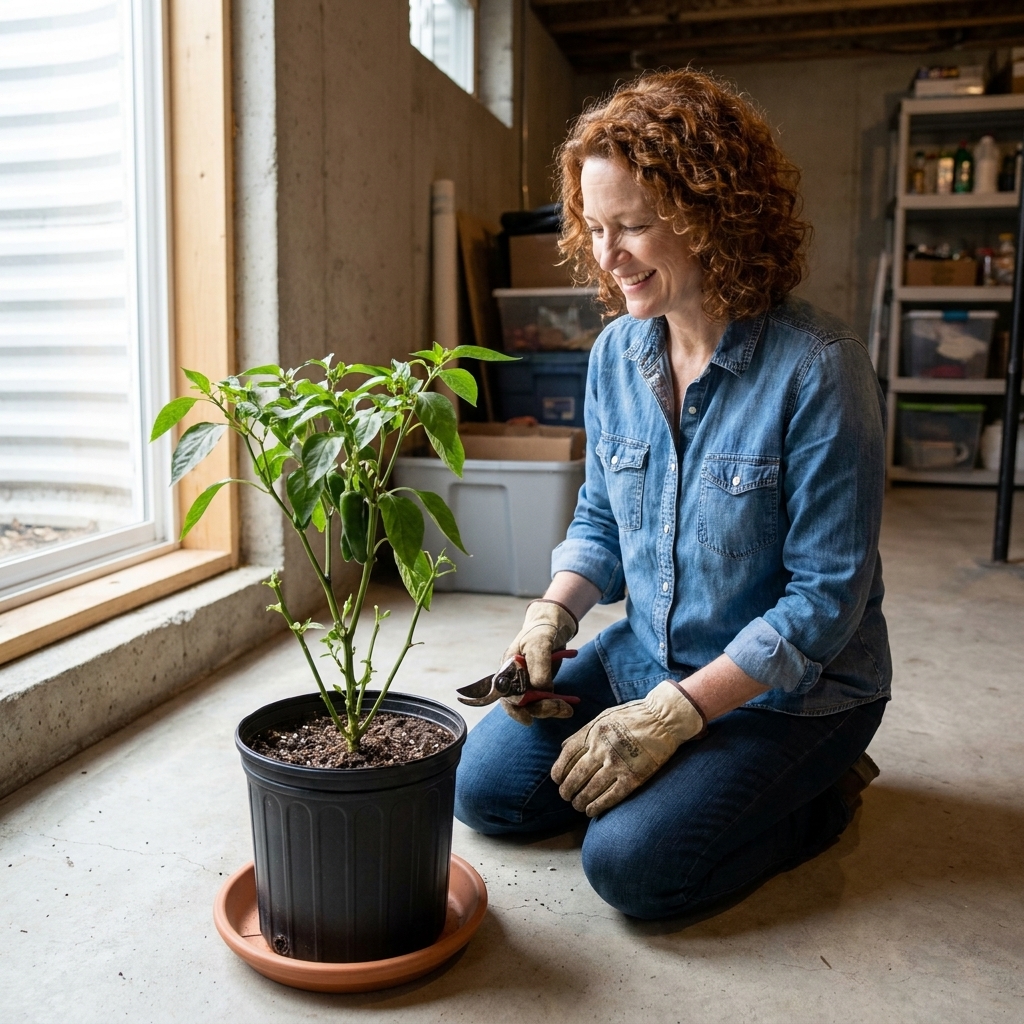
Not every plant deserves a winter condo. Aim for one to three plants that are:
- Healthy (no chronic leaf spot, no persistent aphid explosions, no stunted growth)
- High-yielding or especially flavorful
- Hard to replace (a favorite heirloom, a rare variety, or a plant with sentimental value)
- Still vigorous late season (strong stems, active growth, decent leaf color)
Best candidates: Capsicum annuum (jalapeño, bell, poblanos), C. chinense (habanero, ghost, scotch bonnet), C. baccatum (ají types), and C. frutescens (tabasco). They can all overwinter, but chinense types tend to take longer to wake up in spring, so the head start is extra valuable.
Skip overwintering if: the plant is loaded with pests you cannot get under control, the stem is badly damaged, or it’s already declining hard before frost.
When to bring them in
Timing matters. You want to move peppers indoors before they get hit by frost. A light frost can damage leaves and stress the plant, making the transition indoors harder.
- Target window: 1 to 2 weeks before your first expected frost date.
- Temperature cue: start planning when nights regularly dip below 50°F (10°C).
If a surprise cold snap is coming, it’s better to bring the plant in a little early than to gamble.
Supplies to have ready
- Clean pruners
- A pot with drainage holes (often 1 to 3 gallons for compact or dormant overwintering; very large plants may need 5+ gallons or more frequent root pruning)
- Fresh potting mix (not garden soil)
- Gloves and a tarp or tray for the mess
- Insecticidal soap or horticultural oil (optional but helpful)
- Sticky traps (great for monitoring fungus gnats and stragglers)
One big note from the school of hard knocks: do not bring garden soil indoors if you can avoid it. That’s how you end up sharing your house with fungus gnats, ants, and other little freeloaders.
Also: give your pot and tools a quick clean before you start, and plan to toss fallen leaves as you go. A tidy overwinter setup prevents a lot of pest and disease drama.
Quick safety note: if you have pets or small kids, place overwintering peppers where they cannot nibble. Hot pepper fruit can be a miserable surprise, and sap from stems and leaves can irritate sensitive skin.
Step-by-step: prune and pot
1) Harvest first
Pick ripe peppers, and go ahead and harvest any full-sized green fruit too. The plant is about to go through a reset, and ripening slows dramatically indoors.
2) Prune the top growth
For overwintering, you’re not trying to keep a lush, fruiting plant through winter. You’re trying to keep the roots and main stems alive so it can explode with growth in spring.
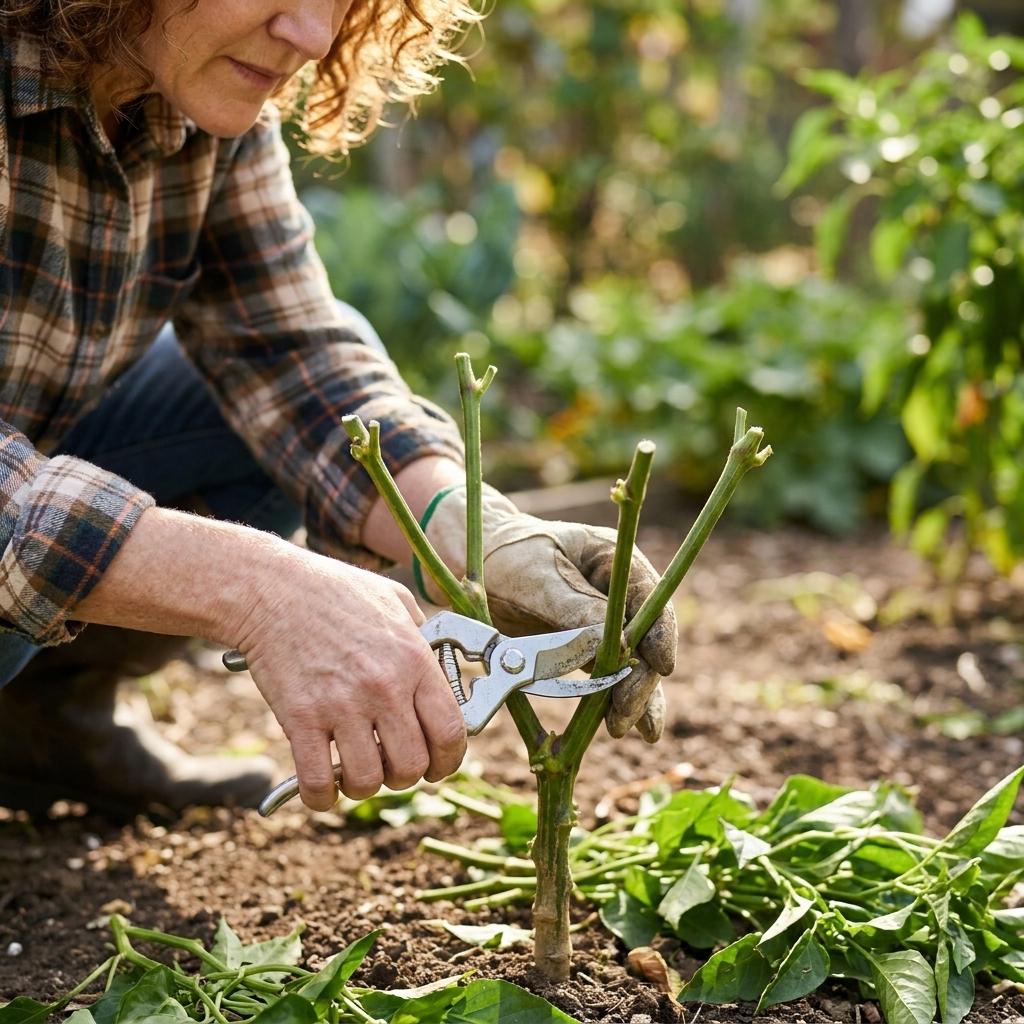
- Cut the plant back to a sturdy framework, often 6 to 12 inches tall, depending on plant size and variety.
- A good target is 2 to 4 main branches with healthy, woody structure.
- Remove weak, spindly branches and anything crossing inward.
- Strip off most leaves. Leaving a couple is fine, but fewer leaves means fewer pests and less moisture loss.
Tip: Make clean cuts just above a node (where leaves or branches emerge). Peppers branch beautifully from nodes once they wake back up.
3) Dig with a decent root ball
Use a shovel to cut a circle around the plant, then lift. You do not need every last root hair, but you want a decent root ball so the plant doesn’t struggle.
- Small plants: a root ball roughly 6 to 8 inches across is often enough.
- Large plants: roughly 10 to 14 inches across is a workable goal if you can manage it.
If you end up with a smaller root ball than you wanted, don’t panic. Just be willing to prune the top a bit harder so roots and stems stay in balance.
4) Shake off garden soil
Over a tarp, gently shake off as much native soil as possible. This step helps reduce pests and makes the pot lighter. You can lightly tease the outer roots to free more soil.
If your soil is heavy clay like mine used to be, this part is oddly satisfying.
5) Pot it up in fresh mix
Set the plant in its pot and backfill with potting mix. You’re aiming for the same soil line as before, or slightly higher, but do not bury the stem deeply.
- Water thoroughly until water drains out the bottom.
- Let it drain completely before moving it to its winter spot.
6) Do a pest cleanup before it enters the house
Even if the plant looks clean, assume there are hitchhikers.
- Rinse the stems and remaining leaves with a firm spray of water.
- Apply insecticidal soap to stems and undersides of leaves.
- Repeat in 5 to 7 days if needed.
If you have the space, I strongly recommend a short quarantine away from houseplants for a week or two. It saves headaches later.
Indoor winter care
Overwintering peppers is less about “growing” and more about “coasting.” Your goal is to keep the plant alive, stable, and pest-free until longer days return. Some leaf drop is normal, especially after pruning and the move indoors.
Light
Pepper plants can overwinter in lower light than they need to fruit, but they still need enough to avoid decline.
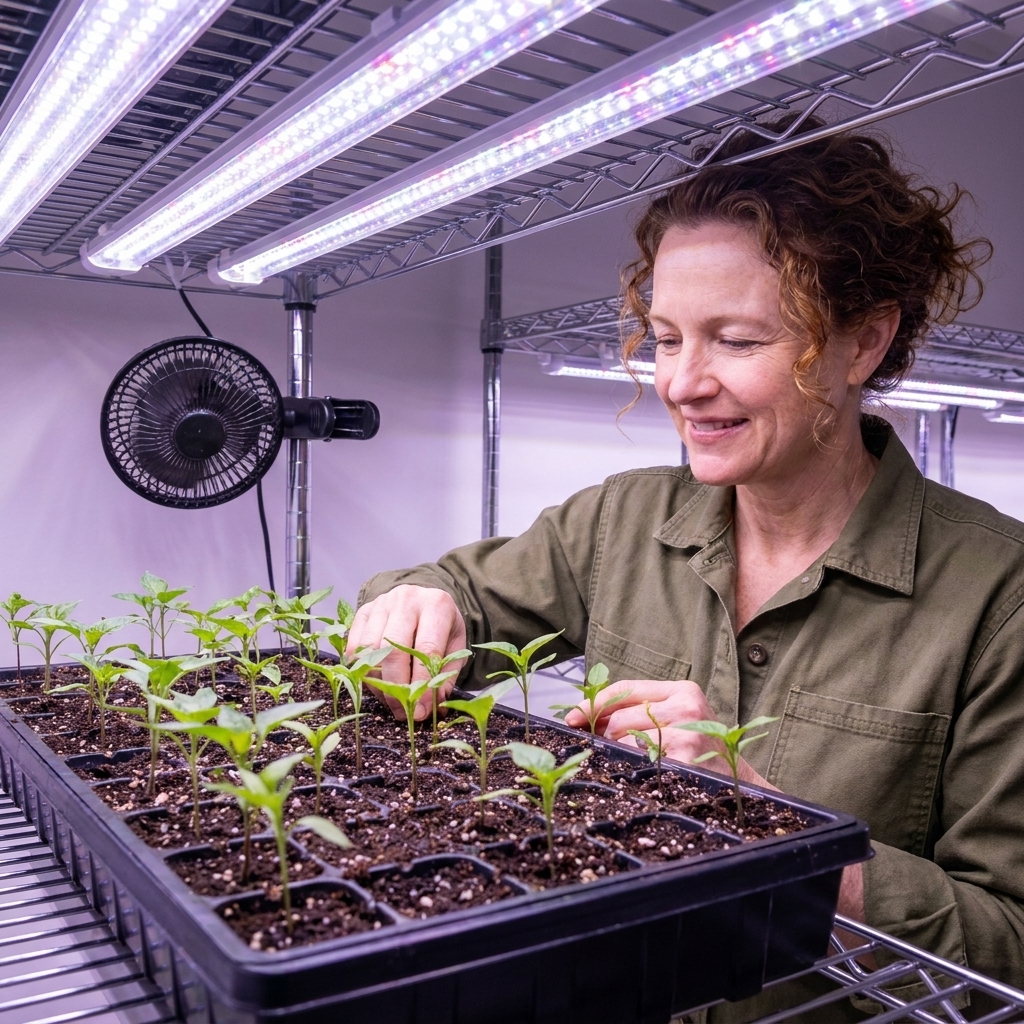
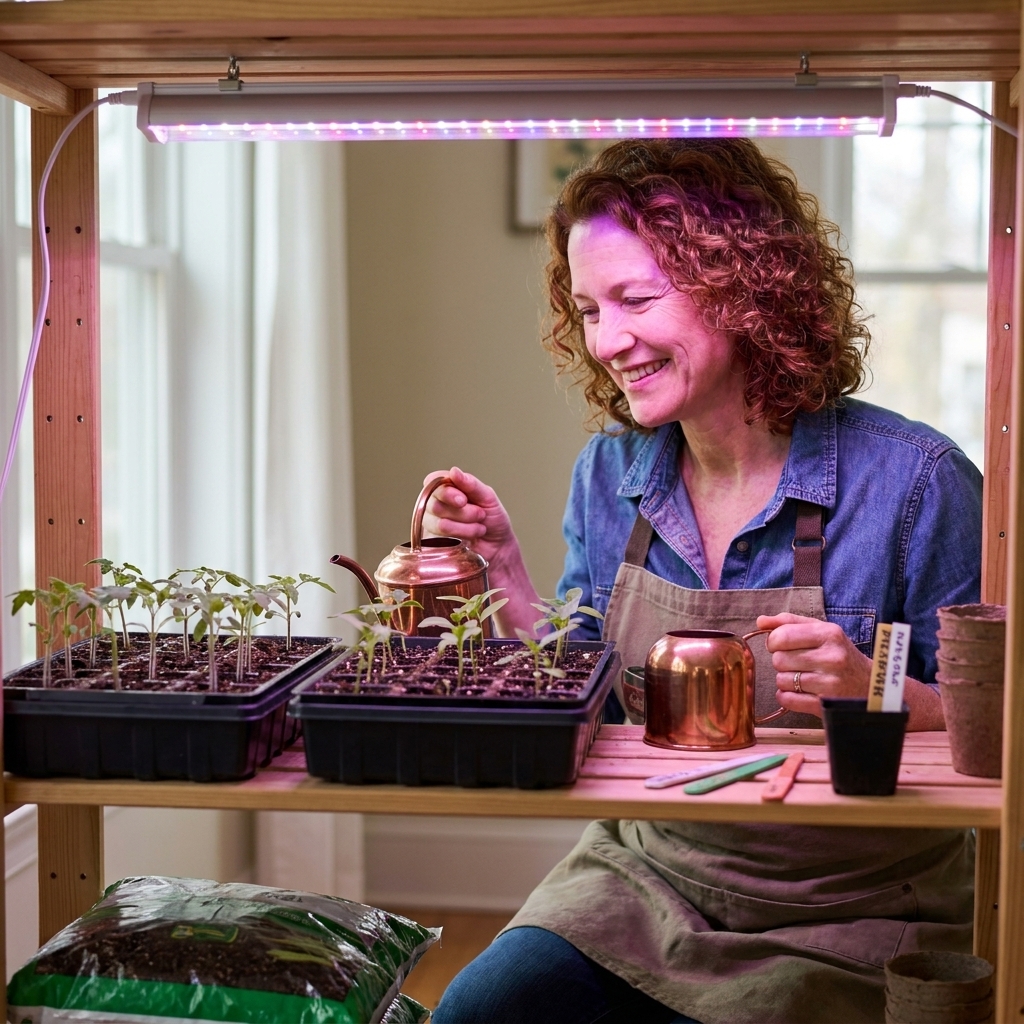
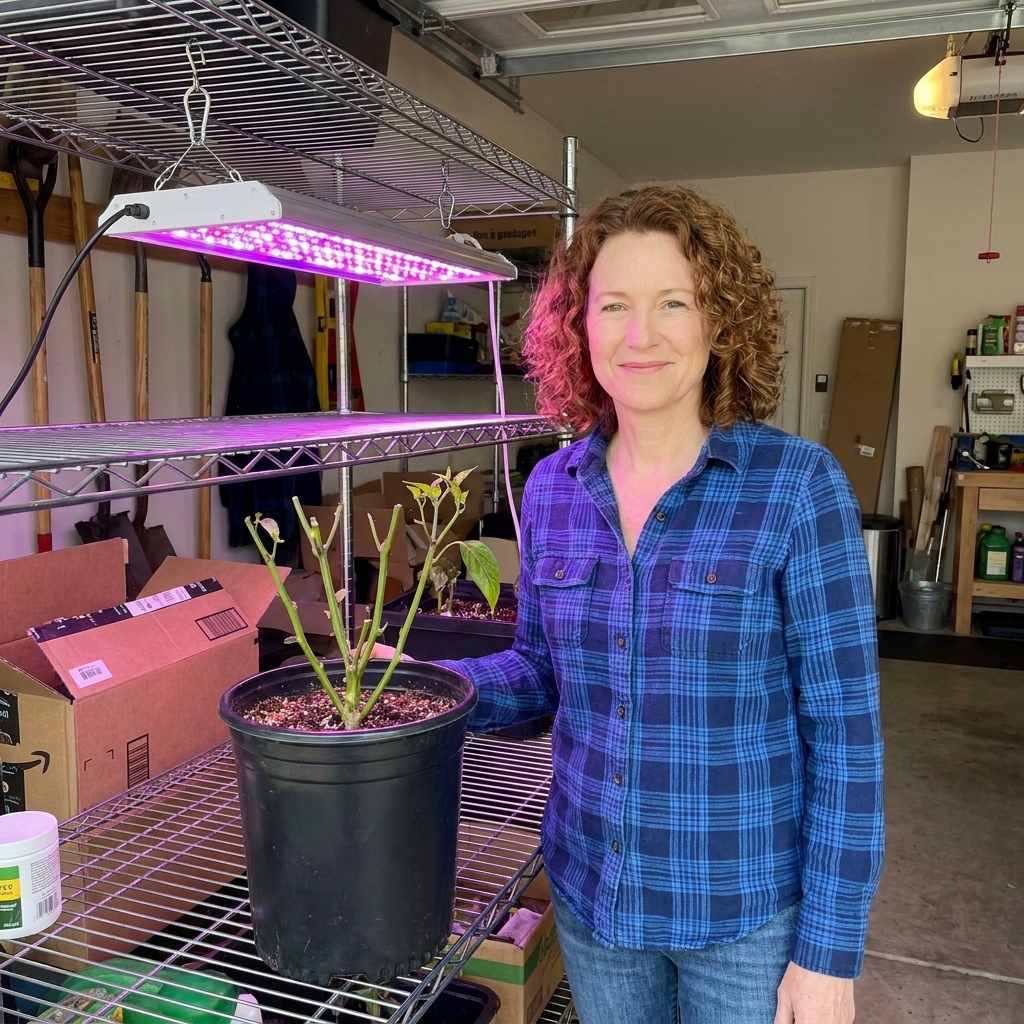
- Best: a bright south-facing window or a simple grow light setup.
- If using a grow light: 10 to 14 hours per day is a comfortable range for maintenance.
If the plant starts producing lots of pale, stretchy growth, it wants more light. If you’re using lights, keeping them reasonably close (without heating the foliage) helps prevent leggy growth.
Temperature
Peppers like it warm, but they can overwinter just fine in typical indoor conditions.
- Sweet spot: 60 to 70°F (15 to 21°C)
- Avoid: cold drafts near doors and windows, and hot blasts from heating vents
Watering
This is where most overwintering attempts go sideways. Indoors, peppers use water slowly, especially after pruning.
- Water only when the top 1 to 2 inches of mix feels dry.
- Empty saucers so the roots never sit in water.
- Expect to water far less than you did outdoors.
If you’re unsure, wait a day. Slightly dry is safer than soggy in winter.
Fertilizer
In winter, go easy.
- Usually: no fertilizer needed from late fall through mid-winter.
- If the plant pushes new growth: a very light feeding (quarter-strength) once a month is plenty.
Humidity and airflow
Dry indoor air can invite spider mites. A little airflow helps prevent pests and mold.
- Keep the plant where air circulates naturally, but not in a cold draft.
- If your home is very dry, a small humidifier nearby can help.
Keep the floor around the pot clear of fallen leaves. Cleanup is boring, but it really does cut down on problems.
Common winter problems
Leaves yellow and drop
Some leaf drop is normal after the move indoors, especially if you pruned hard. If it’s dropping rapidly:
- Check for soggy soil or poor drainage.
- Increase light.
- Confirm the plant is not in a cold draft.
Fungus gnats
These show up when potting mix stays too wet.
- Let the surface dry between waterings, or switch to bottom watering if you tend to overdo it.
- Use yellow sticky traps to catch adults.
- Water once or twice with BTi (often sold as mosquito bits or dunks) to target larvae in the soil.
- Top-dressing with a thin layer of coarse sand sometimes helps discourage egg laying, but it’s not my first choice.
Aphids, whiteflies, or spider mites
These are the classic indoor pepper pests.
- Isolate the plant immediately.
- Rinse with water, then apply insecticidal soap.
- Repeat treatments every 5 to 7 days until you see no activity.
Mushy stems or a sour smell
This is usually rot from overwatering. Act fast:
- Stop watering and improve airflow.
- If the mix is soaked, consider unpotting and repotting into fresh, barely moist mix.
- Trim away any clearly rotting roots if you see them.
Waking them up in spring
As daylight returns, your overwintered pepper will start pushing new buds and leaves. That’s your signal to shift from “maintenance” to “growth mode.”
When to start
A good rule is 6 to 10 weeks before your last frost date.
What to do
- Increase light (move to the brightest window or extend grow light hours).
- Water a bit more often, still letting the top layer dry first.
- Begin feeding with a balanced organic fertilizer at half strength every 2 to 3 weeks.
- Pinch or prune lightly to encourage branching if it gets leggy.
Hardening off
Once nights are reliably above 50°F (10°C), start hardening off like you would seedlings:
- Day 1 to 3: 1 to 2 hours outside in bright shade.
- Gradually increase sun and time outdoors over 7 to 10 days.
- Bring inside if nights turn chilly.
Back in the garden
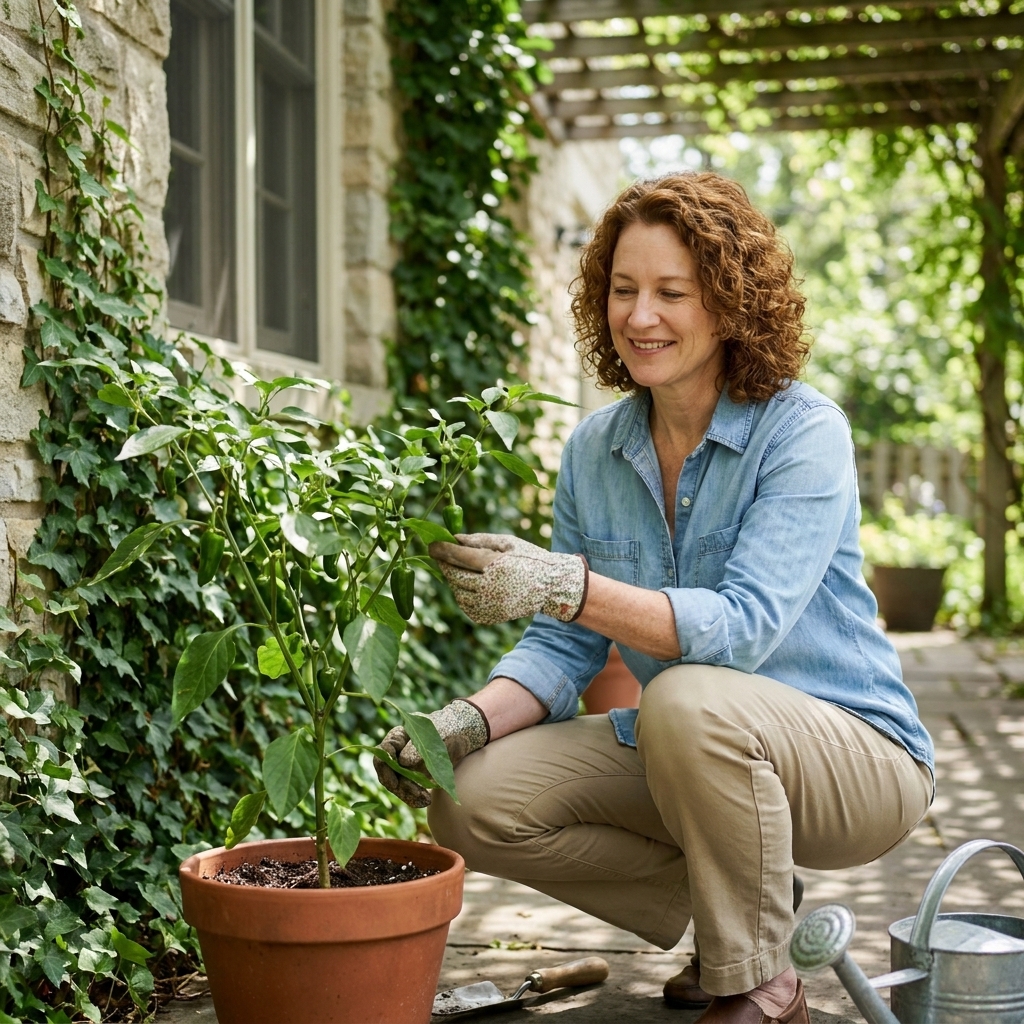
After hardening off, plant it out when soil is warming and nights are mild. Overwintered peppers often take off quickly, so give them:
- Rich, well-drained soil
- A sturdy stake or cage early
- Consistent moisture, especially during flowering
Overwintering methods
Method 1: Dormant overwintering
This is the classic approach: prune hard, keep in a cool bright place, water sparingly. The plant mostly rests.
- Pros: less light required, less watering
- Cons: slower spring wake-up than actively growing under strong light
Method 2: Under lights
Keep the plant under a grow light and allow modest growth through winter.
- Pros: quickest spring growth, often earliest flowers
- Cons: more pest risk, more watering, needs light setup
Method 3: Take cuttings
If you don’t have space for big pots, you can root cuttings and overwinter smaller plants.
- Pros: compact, great insurance if the mother plant struggles
- Cons: more steps, slower than a full-sized overwintered plant
FAQ
Will overwintered peppers produce earlier?
Usually, yes. A mature root system and woody stems mean the plant can grow and flower sooner than a first-year seedling. You still need warmth and light outdoors for fruit set, but you’re starting the season several steps ahead.
Do I have to prune?
Pruning is strongly recommended. It reduces stress on the roots, lowers pest pressure, and makes the plant manageable indoors. You can overwinter without pruning, but it’s harder to keep healthy and pest-free.
Can I overwinter without grow lights?
Yes, if you have a bright window and you keep expectations realistic. The plant may rest and drop leaves, but it can still survive. Grow lights make the process more reliable, especially in darker homes or northern winters.
How long can a pepper plant live?
With good care in a warm climate, many peppers can live multiple years. In colder climates, overwintering indoors is what makes that multi-year life possible. I’ve had plants go 3 years, and I know gardeners who keep favorite chinense varieties even longer. Yield can vary year to year, but overwintering is a great way to extend a plant’s life.
Should I keep flowers or fruit indoors?
I don’t recommend it. Indoors, fruiting takes energy and often attracts pests. Pinch flowers off in winter and let the plant focus on staying healthy. You’ll get better returns once it’s back outside.
A quick pep talk
Your first overwinter attempt does not have to be perfect. Pick one pepper you love, prune it back, pot it up, and treat it like a sleepy houseguest that needs bright light and only occasional water. Come spring, when everyone else is babying seedlings, you’ll have a sturdy, mature plant ready to sprint.
And if you lose one along the way, you’re still a real gardener. We learn by doing, and peppers are surprisingly forgiving teachers.