A dependable raised bed soil mix recipe with exact ratios, volume math, ingredient guidance, and practical tweaks for vegetables, plus what to avoid so beds ...
Veg Loom
October 17, 2026
By Maggie O'Connell
Mycorrhizal Fungi Explained
Mycorrhizal fungi form a living partnership with vegetable roots, improving water and nutrient uptake. Learn what they do, when they help most, and how to add them to raised beds the right way.

Maggie O'Connell
Maggie O'Connell is a lifelong gardener and the voice behind Vegloom, dedicated to helping people grow their own food regardless of their yard size. With over 15 years of hands-on experience in backyard agriculture, she specializes in raised bed gardening, organic soil building, and seasonal planting calendars. When she isn't writing, Maggie can usually be found tending to her sprawling heirloom tomatoes or experimenting with new compost recipes.
The first time I heard someone say “just add mycorrhizae,” I pictured a magic powder that would fix every garden problem, including my stubborn clay soil and my habit of forgetting to water in August. The truth is more grounded and way more interesting.
Mycorrhizal fungi are beneficial soil fungi that team up with plant roots. When the partnership clicks, your vegetables can pull in water and nutrients more efficiently, especially phosphorus and micronutrients. But like any good partnership, timing and conditions matter.
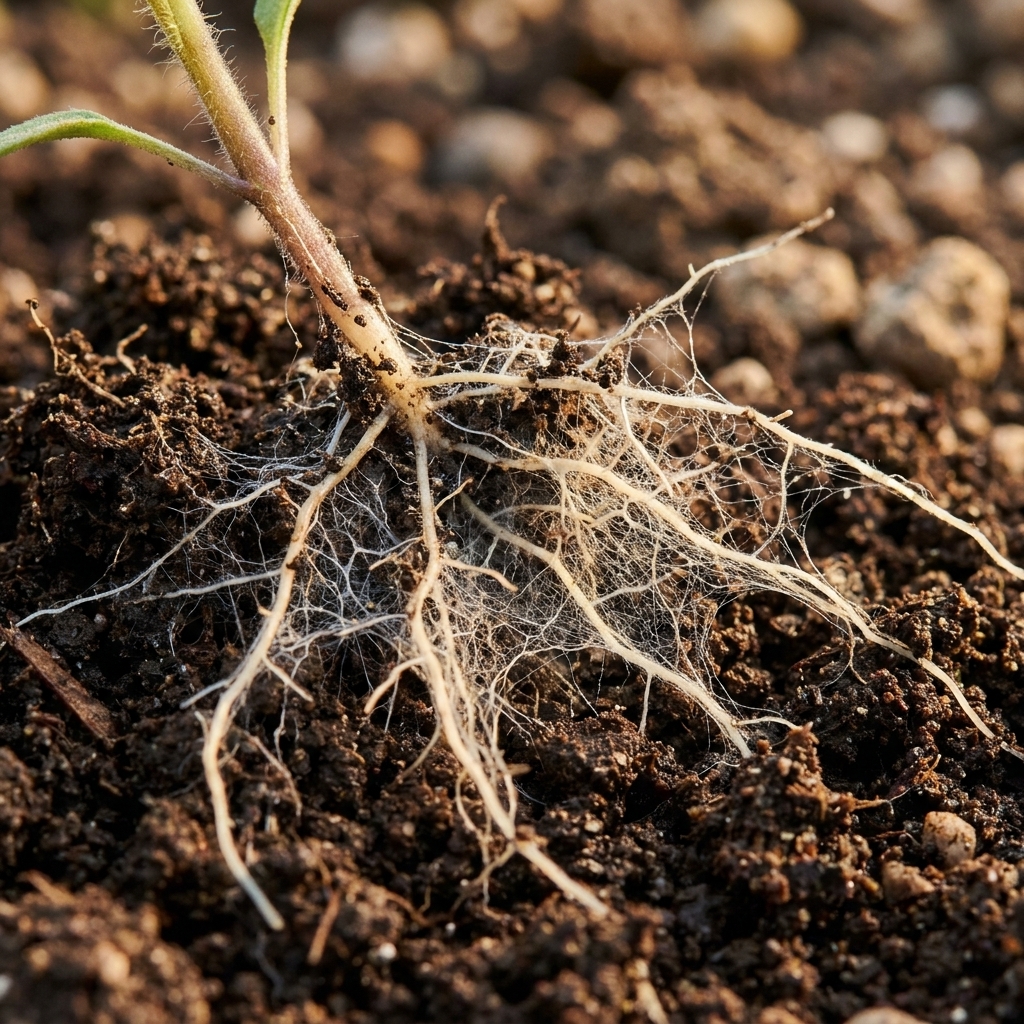
What mycorrhizal fungi are (plain English)
“Mycorrhiza” literally means fungus-root. In healthy soil, certain fungi connect to plant roots and extend outward into the soil with microscopic threads called hyphae. Think of those threads as an extra set of root hairs that can explore more soil than the plant could manage on its own.
Here is the deal the plant makes:
- The plant pays the fungi with sugars it makes through photosynthesis.
- The fungi pay the plant back by helping deliver water and hard-to-reach nutrients from the soil.
This is not a fertilizer replacement. It is more like upgrading your plant’s root system and soil access.
The main types gardeners see
AMF (arbuscular mycorrhizal fungi)
For vegetable gardens, this is the star of the show. Most common veggies form partnerships with AMF, which actually enter the root tissue and trade nutrients right there.
Ectomycorrhizae
These mostly partner with trees (think pines and oaks). They are not what you are targeting for tomatoes, peppers, or lettuce.
If you are buying an inoculant for a veggie bed, you generally want a product that clearly states it contains arbuscular mycorrhizae.
How mycorrhizae help raised beds
Raised beds are wonderful, but they are also a bit like “potting soil on a big scale.” They can dry faster, get disturbed more often, and sometimes start out as a sterile-ish mix (especially if you filled with bagged soil and compost). Mycorrhizae can help build a more resilient below-ground system.
1) Better access to phosphorus
Phosphorus is crucial for root growth, flowering, and fruiting, but it does not move easily through soil. Mycorrhizal hyphae can reach beyond the root zone and help gather it.
2) Improved water uptake in dry spells
The fungal network increases the effective reach of the root system. That can translate to less stress between waterings, especially for heavy drinkers like cucumbers and squash.
3) Stronger roots and easier transplants
When you transplant seedlings, you are asking them to reestablish a working root system quickly. Inoculating at transplant time can give roots a helpful head start, provided the soil conditions support fungal life.
4) Soil structure over time
Healthy fungal networks help support soil aggregation, meaning crumbs instead of sludge. In plain terms, soil that drains well but still holds moisture, which is exactly what we want in a veggie bed.
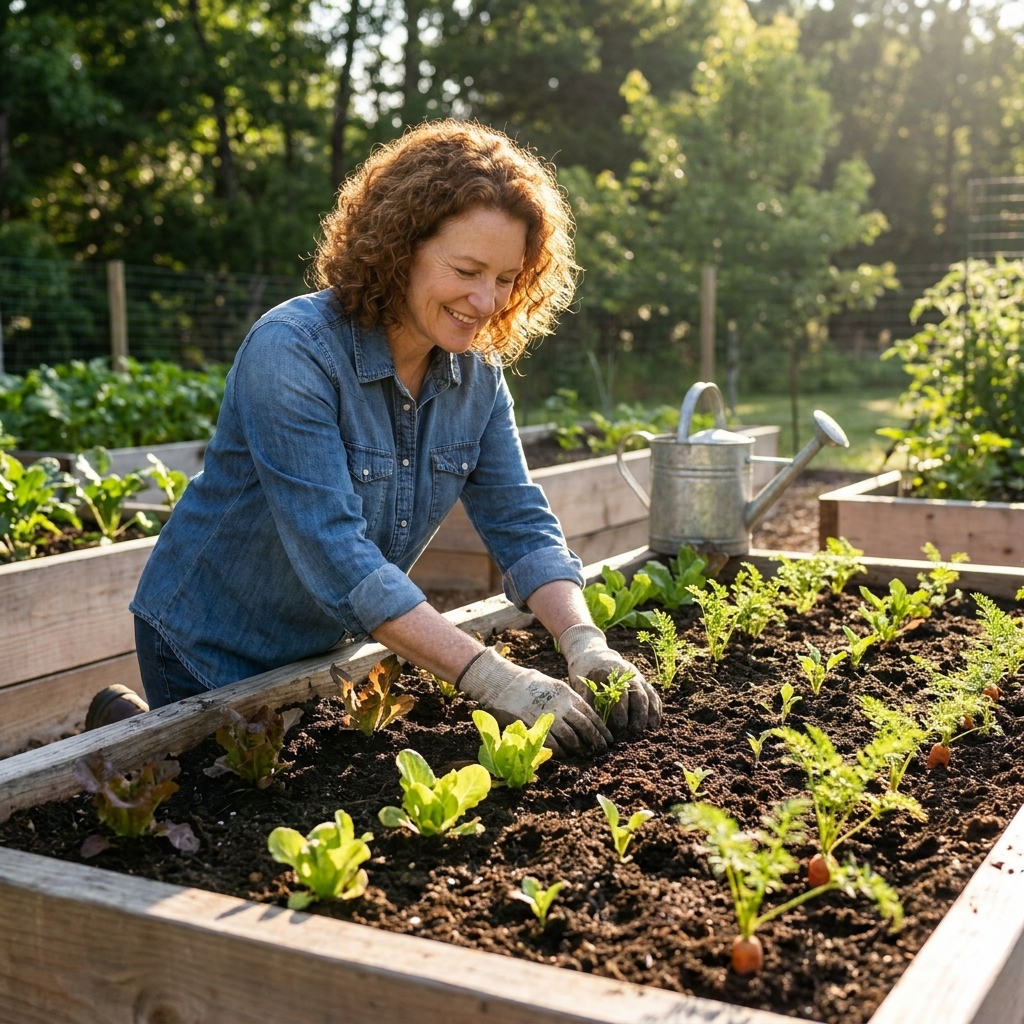
Which vegetables benefit most
This is where a lot of gardeners get tripped up. Not every plant forms mycorrhizal relationships.
Usually good candidates
- Tomatoes
- Peppers
- Eggplant
- Cucumbers
- Squash and pumpkins
- Melons
- Beans and peas
- Corn
- Alliums: onions, garlic, leeks (often very responsive because they have relatively coarse roots and few root hairs, so AMF can make a noticeable difference)
- Carrots (often benefit, especially in lower-phosphorus soils)
- Strawberries (not a vegetable, but many of us grow them right beside the veggies)
Often not mycorrhizal (do not expect a boost)
- Brassicas: cabbage, broccoli, cauliflower, kale, bok choy, Brussels sprouts
- Beets and spinach: often reported as non-mycorrhizal or low responsiveness
Even within “good candidates,” results vary. Mycorrhizae help most when soil biology is limited or when nutrients like phosphorus are present but hard for plants to access.
When adding mycorrhizae matters most
If your beds already have a thriving, undisturbed soil food web, you may not see a dramatic before-and-after. But in these situations, inoculation can be genuinely useful:
- New raised beds filled with bagged mixes, coconut coir, peat, compost, or topsoil blends
- After soil has been heavily disturbed, solarized, or repeatedly turned
- After using broad-spectrum fungicides (which can knock back beneficial fungi too)
- For transplants like tomatoes and peppers, especially if they struggle with establishment
- In beds that dry fast or where watering is not perfectly consistent
If your garden soil is already rich, mulched, minimally disturbed, and loaded with roots year-round, you might decide to skip inoculants and instead focus on practices that protect existing fungi. I will show you those too.
How to add mycorrhizae successfully
Here is the key that matters more than brand: mycorrhizae need direct contact with living roots. Sprinkling inoculant on top of the soil and hoping for the best is like tossing a phone number into the wind.
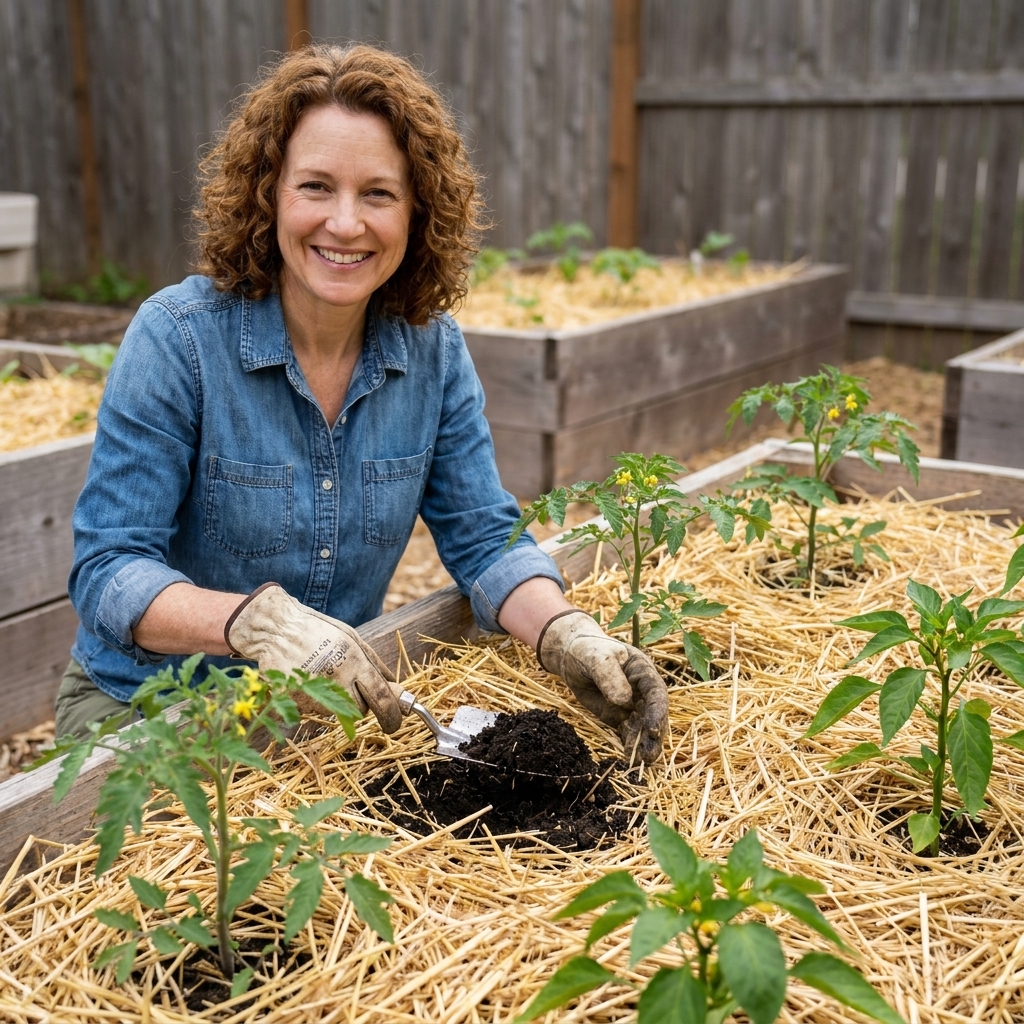
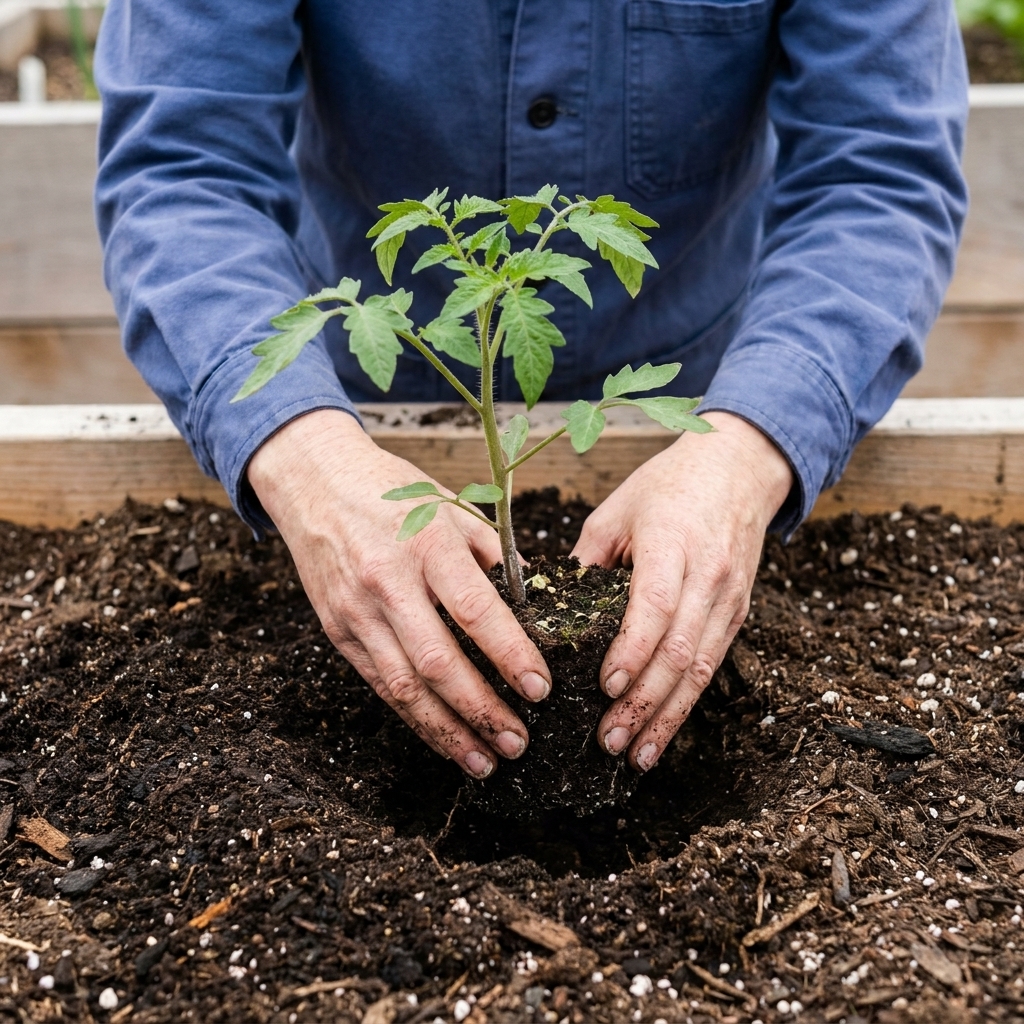
Option 1: At transplant time (my favorite)
- Dig your planting hole for the seedling.
- Dust the root ball or the hole with the inoculant so it touches roots. Some products suggest a pinch, some suggest a teaspoon. Follow the label, but do not assume more is better.
- Plant and water in normally.
- Mulch to keep the moisture steady while the partnership establishes.
Option 2: For direct-sown seeds
This is trickier because you need contact near the young roots. A few practical methods:
- In-furrow application: sprinkle a small amount into the seed trench before covering.
- Seed coating: some products are designed for this, but do not improvise with sticky DIY coatings unless the label suggests it.
Option 3: Soil drench (only if designed for it)
Some inoculants can be mixed in water and drenched around roots. This can work, but it still needs to reach the root zone and it is usually less efficient than direct root contact.
How to pick a mycorrhizal product
Garden centers are full of jars and sachets that promise the moon. Here is what I look for when I am buying mycorrhizae for vegetables:
- It lists arbuscular mycorrhizal fungi (AMF) on the label. Words like “endomycorrhizae” are often used for AMF.
- It gives a propagule count (a measure of viable fungal pieces) or otherwise indicates potency, not just “contains beneficial fungi.”
- It is within date and stored properly. Live biology hates heat and long storage in a hot shed.
- It is not bundled with heavy fertilizer salts. A mild blend is fine, but super high phosphorus products can reduce a plant’s motivation to form the partnership.
If you are already using compost, worm castings, leaf mold, and mulch, you are building the kind of environment mycorrhizae like. The inoculant is the introduction. Your soil practices are what make the friendship last.
Common mistakes
Putting inoculant where roots cannot reach it
If it does not touch roots, it cannot colonize. Always prioritize root contact.
Expecting instant results
This is biology, not espresso. You may notice improved vigor over weeks, not days. Often the benefit shows up during stress, like a hot spell, rather than in perfect spring weather.
Overdoing phosphorus
When phosphorus is abundant and readily available, many plants form weaker mycorrhizal relationships. This does not mean you should starve your plants, just do not hammer a new bed with high-phosphorus fertilizers and expect mycorrhizae to be impressed.
Frequent deep soil disturbance
Tilling or aggressively turning soil can break fungal networks. In raised beds, I aim for a gentle approach: loosen with a fork if needed, add compost on top, and let worms do the mixing.
Using broad-spectrum fungicides as a routine
Some fungicides can reduce beneficial fungi along with the bad actors. If you need a fungicide, use it thoughtfully and focus on cultural prevention first: airflow, spacing, pruning, and watering at the soil line.
How to support native mycorrhizae
If you are more of a “let the soil do the work” gardener, I am right there with you. These habits help native mycorrhizal populations thrive:
- Keep living roots in the soil as much as possible. Succession planting and cover crops help.
- Mulch with shredded leaves, straw, or untreated grass clippings to stabilize moisture and temperature.
- Use compost regularly, but think “thin layers often” instead of “giant dump once a year.”
- Minimize digging. Disturb less, top-dress more.
- Avoid overfertilizing, especially with high phosphorus.
- Water deeply and less frequently when possible, so roots and fungal networks expand downward.
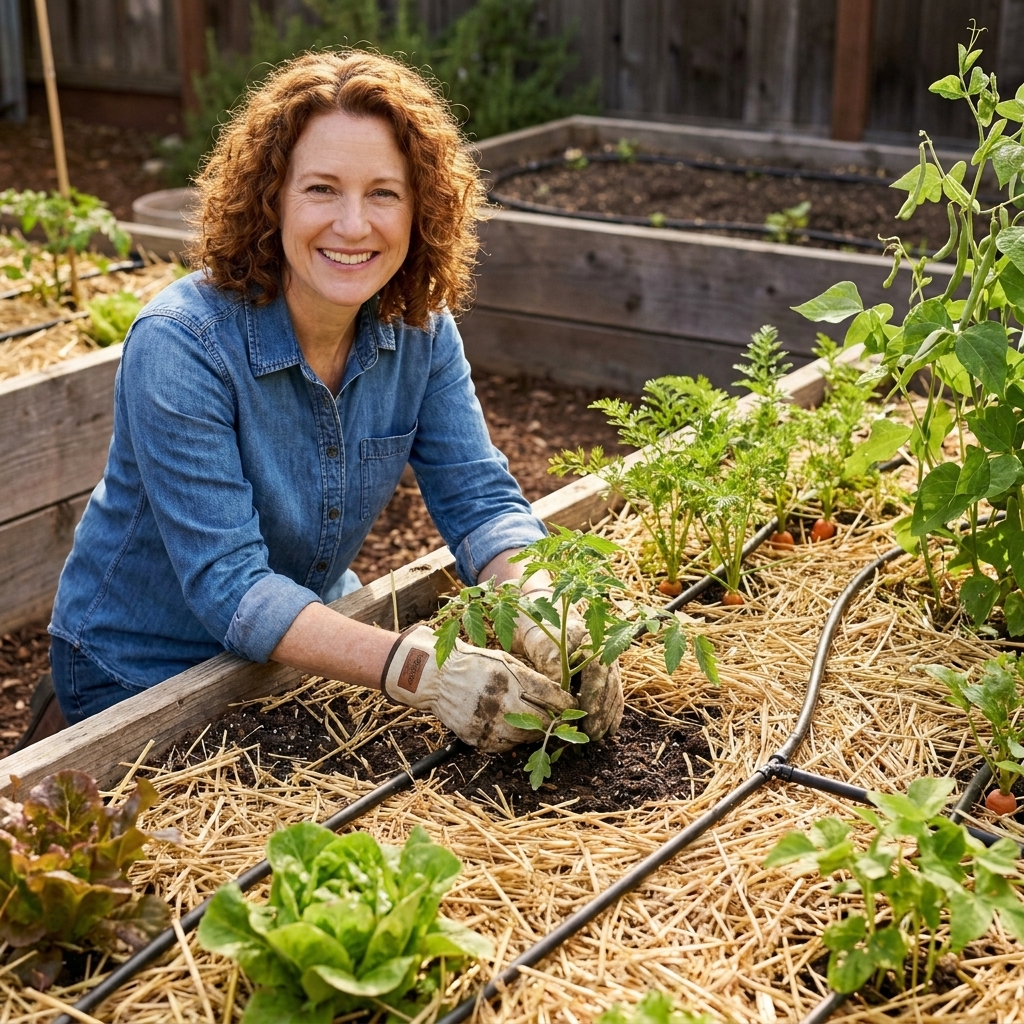
A simple raised bed routine
If you want a practical way to use mycorrhizae without turning gardening into a chemistry lab, here is a routine that fits most veggie beds:
- New bed build: inoculate at the first planting, specifically on transplants like tomatoes, peppers, cucumbers, and squash.
- Midseason planting: inoculate only the new transplants you are adding, not the whole bed.
- Fall: top-dress with compost and mulch. Consider a cover crop if your climate allows.
- Next spring: you usually do not need to reinoculate the entire bed. Focus on root contact for new transplants if you choose to use it again.
Once established, mycorrhizae can persist as long as you keep plants growing and avoid practices that wipe them out.
FAQ
Do mycorrhizal fungi replace fertilizer?
No. They help plants access water and nutrients more efficiently, but they cannot create nutrients out of thin air. Compost, organic matter, and balanced fertilization still matter.
Can I add mycorrhizae to compost tea?
I do not recommend improvising unless the product specifically says it is compatible with brewing or liquid application. Many inoculants are designed for dry application at roots, and you can reduce viability with heat, chlorinated water, or long agitation.
Are mycorrhizae safe for organic gardens?
Mycorrhizal fungi are a natural part of soil ecosystems. Many inoculants are OMRI-listed or suitable for organic use, but always check the label if certification matters to you.
Can I use mycorrhizae with synthetic fertilizers?
Yes, but go easy on high-salt fertilizers and especially avoid overdoing phosphorus. A steady, moderate nutrient program tends to play nicer with soil biology.
Will they help in containers?
Sometimes, yes. Containers are often even more “biology-limited” than raised beds. The same rule applies: get inoculant on the roots, keep moisture consistent, and avoid blasting the pot with high-phosphorus feed.
How do I know if mycorrhizae are working?
You usually do not “see” them without a microscope. Instead, look for practical signs over time: sturdier growth, less transplant shock, better performance during heat or inconsistent watering, and improved yields in beds that used to struggle.
The bottom line
Mycorrhizal fungi are not fairy dust, but they are a powerful ally when you treat them like living partners. If you want the best results, inoculate at planting so fungi touch roots, then support them with mulch, compost, gentle soil handling, and sane fertilizing.
And if your garden already looks like a thriving little ecosystem, congratulations. You may already have a bustling fungal workforce down there, quietly earning its keep while you admire the tomatoes.