A practical, garden-calendar approach to succession planting so you can harvest continuously instead of all at once. Includes timing tips, crop ideas, and an...
Veg Loom
October 17, 2026
By Maggie O'Connell
10 Fast-Growing Vegetables You Can Harvest in 30 Days or Less
Impatient gardener? These 10 quick crops, from radishes to baby greens and pea shoots, can go from seed to harvest in 30 days or less with simple, practical tips.

Maggie O'Connell
Maggie O'Connell is a lifelong gardener and the voice behind Vegloom, dedicated to helping people grow their own food regardless of their yard size. With over 15 years of hands-on experience in backyard agriculture, she specializes in raised bed gardening, organic soil building, and seasonal planting calendars. When she isn't writing, Maggie can usually be found tending to her sprawling heirloom tomatoes or experimenting with new compost recipes.
I love a big, slow tomato season as much as anyone. But sometimes you need a quick garden win, the kind that proves your soil is alive and your hands know what they are doing. The good news is that plenty of vegetables are happy to sprint. With the right varieties and a few small habits, you can be harvesting in 30 days or less.
Below are 10 fast-growing vegetables that play especially well in raised beds, containers, and small suburban plots. I will also share what I do to keep them moving along without pushing them into bitter, stressed territory.
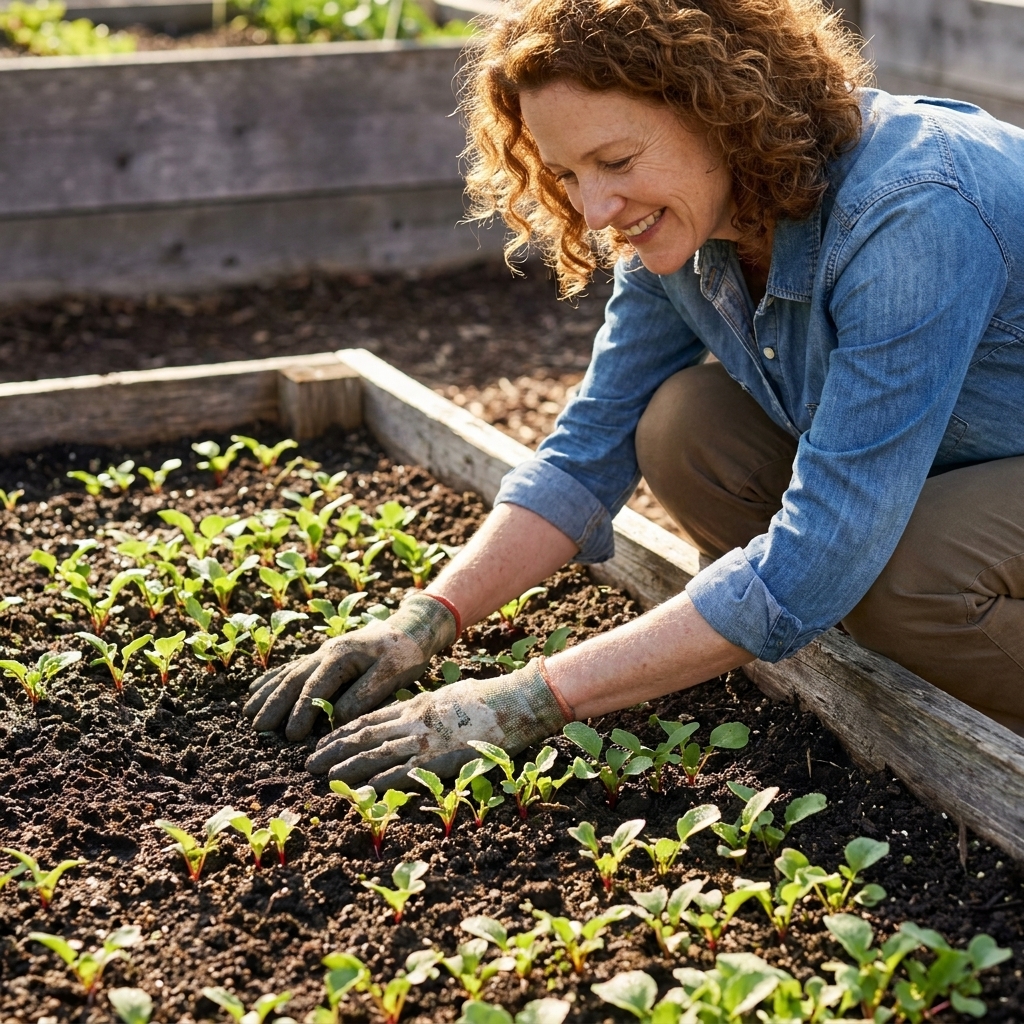
Before you plant: hit 30 days
Fast crops only stay fast when you remove the common slow-downs. Here is what makes the biggest difference in my beds.
- Choose quick varieties. Seed packets matter. If it says 45 to 60 days, it is not a 30-day crop no matter how optimistic you feel.
- Plant in cool weather. Most of the fastest vegetables are cool-season plants. Spring and fall are your best early-harvest windows.
- Aim for the sweet-spot temperatures. Many of these crops are happiest around 45 to 70°F (7 to 21°C). Heat speeds up bolting and bitterness, and cold soil can slow germination.
- Sow thick, then thin. Crowding makes plants stall. Thin early so each plant gets light, airflow, and root room.
- Keep moisture even. Rapid growers hate drought swings. Water deeply and consistently, especially in containers.
- Feed lightly, not heavily. A rich, composty bed is perfect. Too much nitrogen can lead to lush leaves and slow roots for some crops.
- Harvest young on purpose. Many of these are best as baby greens or mini roots. That is not cheating, it is the whole point.
- Use the right container depth. If you are growing in pots, depth matters more than people think. Plan on 6 to 8 inches (15 to 20 cm) for radishes and 4 to 6 inches (10 to 15 cm) for most baby greens and cress. Deeper is fine, but shallow slows things down.
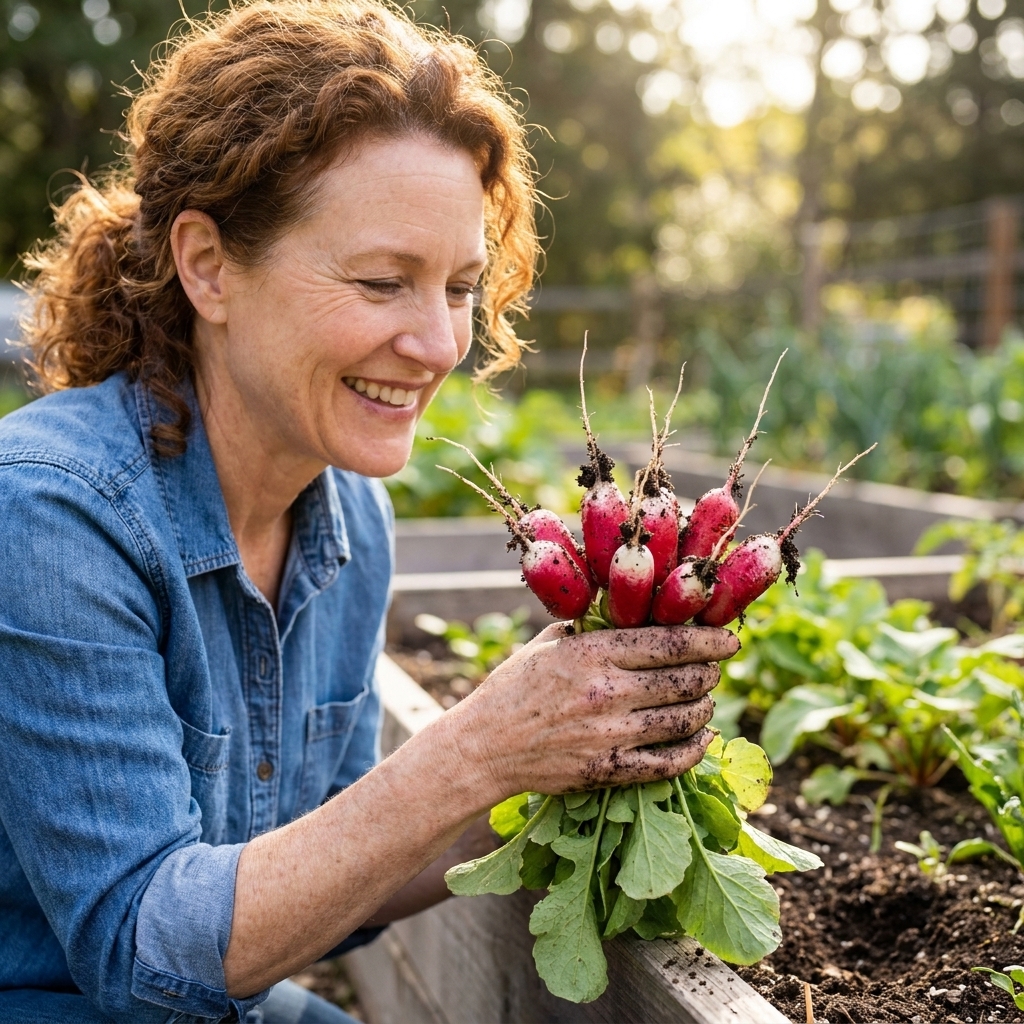
1) Radishes (20 to 30 days)
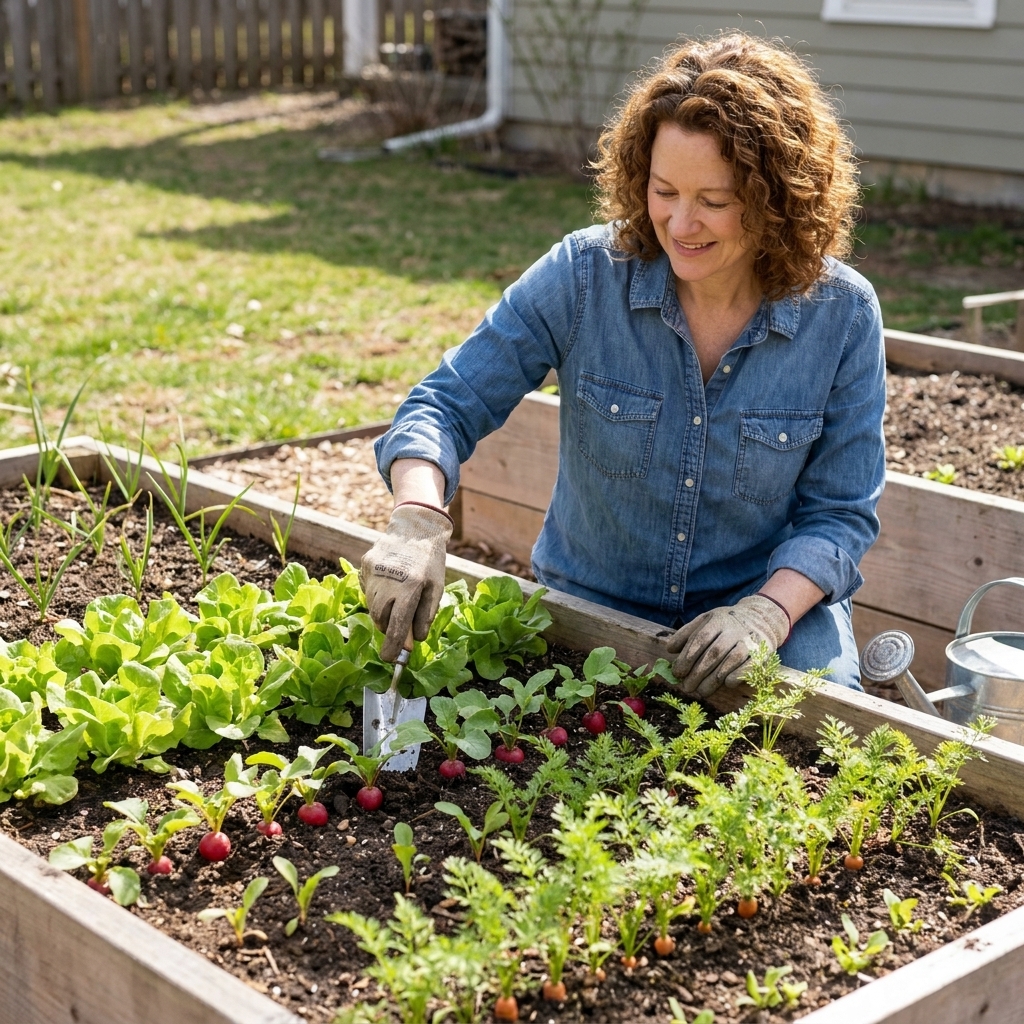
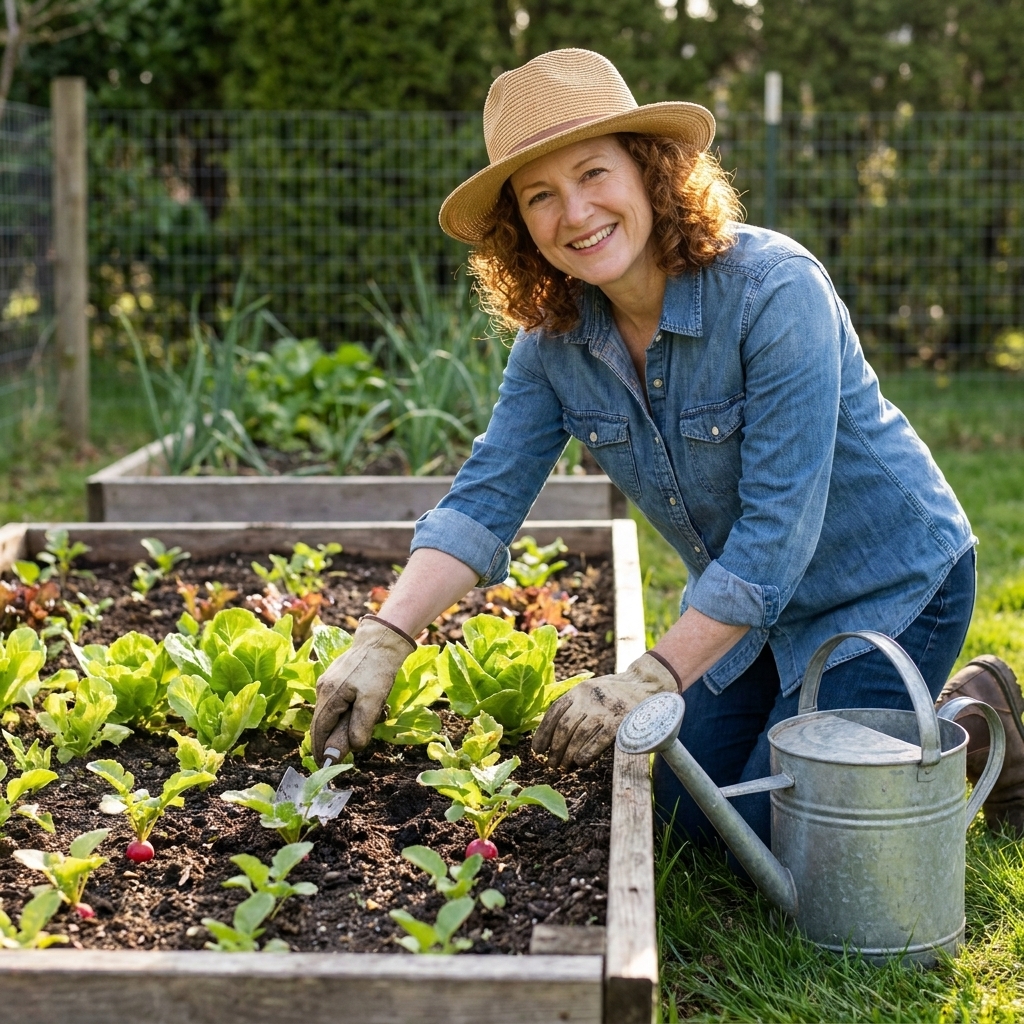
If you want the fastest vegetable payoff, radishes are the old reliable. They germinate quickly, tolerate cool soil, and taste best when harvested young and crisp.
Best types for speed
- Round red spring radishes (often 22 to 28 days)
- White icicle types (often around 25 to 30 days)
My quick-harvest tips
- Sow directly and thin to about 1 to 2 inches apart.
- Water consistently to avoid pithy roots.
- Plant a small row every 7 to 10 days for steady picking.
2) Arugula (20 to 30 days)
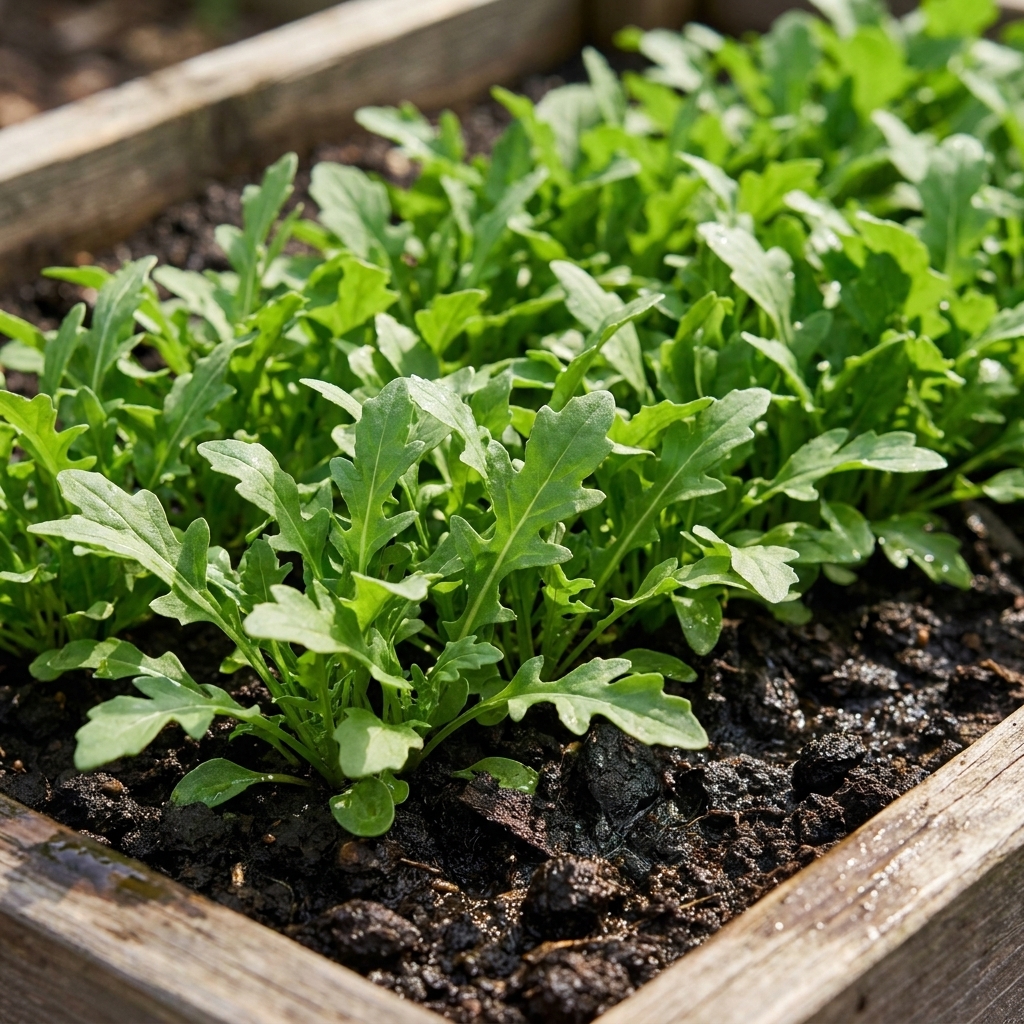
Arugula is my go-to when I want salad greens fast with a little personality. In cool weather it grows like it has somewhere to be.
How to harvest in under a month
- Harvest baby leaves at 3 to 4 inches tall using a clean snip.
- For regrowth, cut above the crown and keep the soil evenly moist.
- Give it morning sun and afternoon shade in warmer spells to slow bolting.
3) Baby spinach (25 to 35 days)
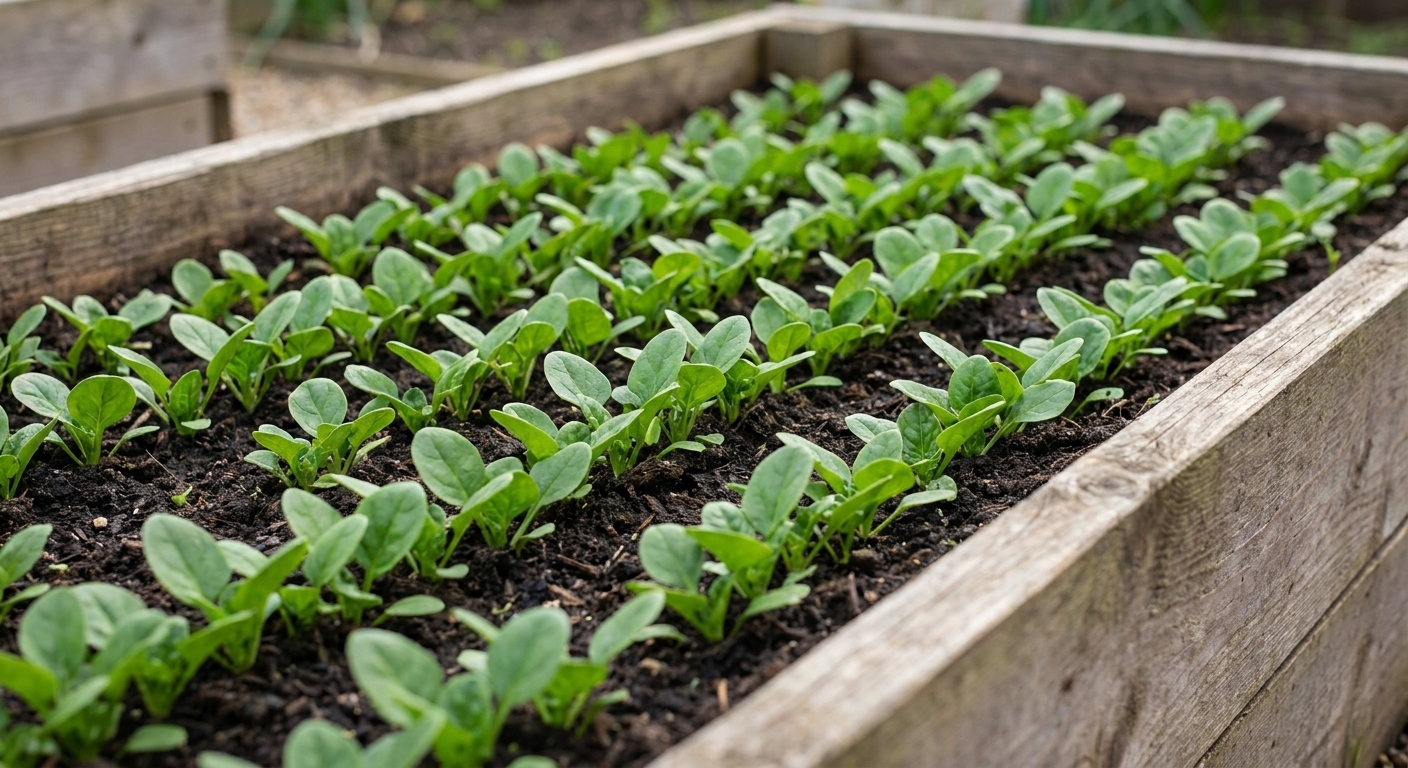
Full-size spinach takes longer, but baby spinach can still land in the 30-day club when temperatures are mild and your soil stays evenly moist. The leaves are tender, sweet, and perfect for sandwiches, smoothies, and quick sautés.
What helps spinach move faster
- Plant in early spring or fall, since heat makes spinach slow down or bolt.
- Spinach germination can be slow in cold soil, so be patient. If you want to nudge things along, soaking seeds for a few hours can help them wake up a bit faster.
- Harvest outer leaves first, or cut baby leaves all at once for a salad-tray harvest.
4) Leaf lettuce (25 to 30 days)
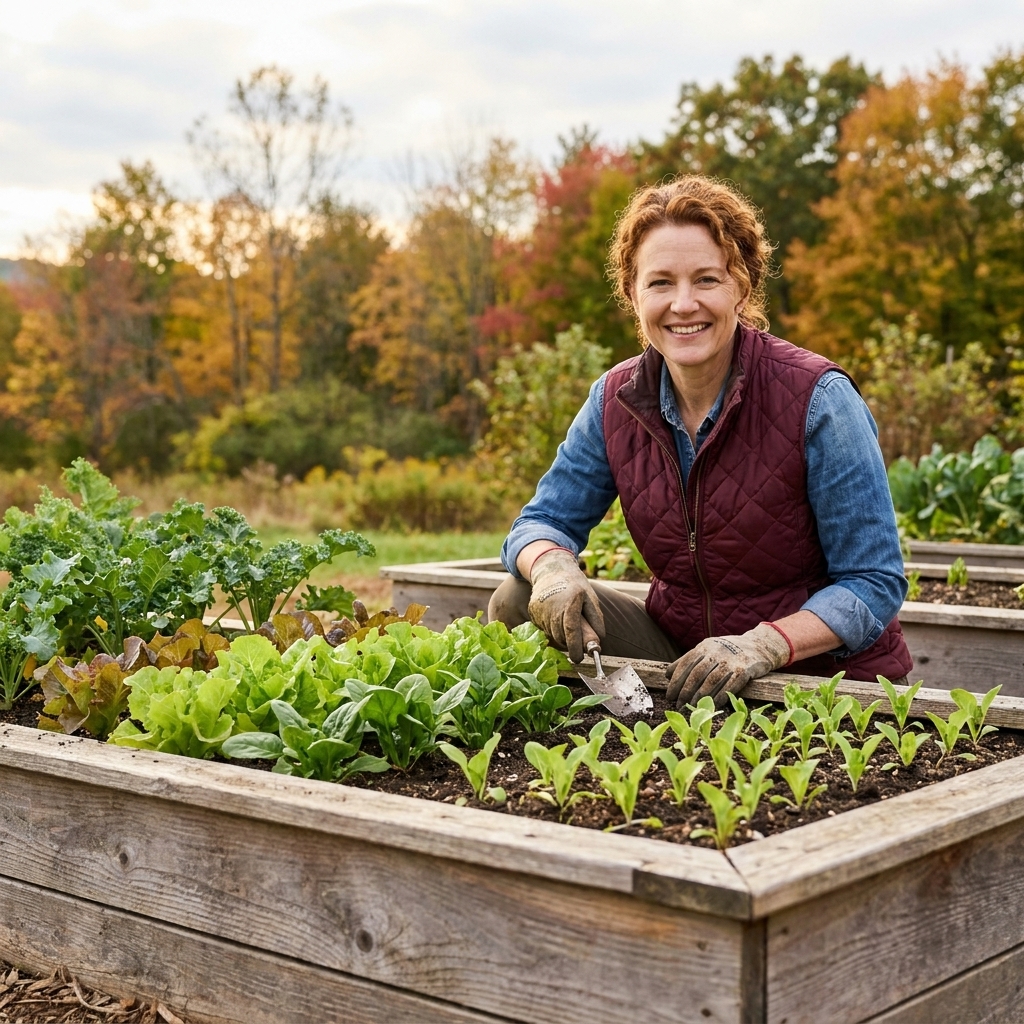
Leaf lettuce is the gentle, beginner-friendly green that keeps on giving. If you harvest it young, you will be eating homegrown salads while your slower crops are still thinking about it.
Fast lettuce strategy
- Look for leaf types, not heading lettuce, for the quickest harvest.
- Sow thickly for baby lettuce, then harvest by cutting a handful at a time.
- Keep lettuce shaded in warm weather to prevent bitterness.
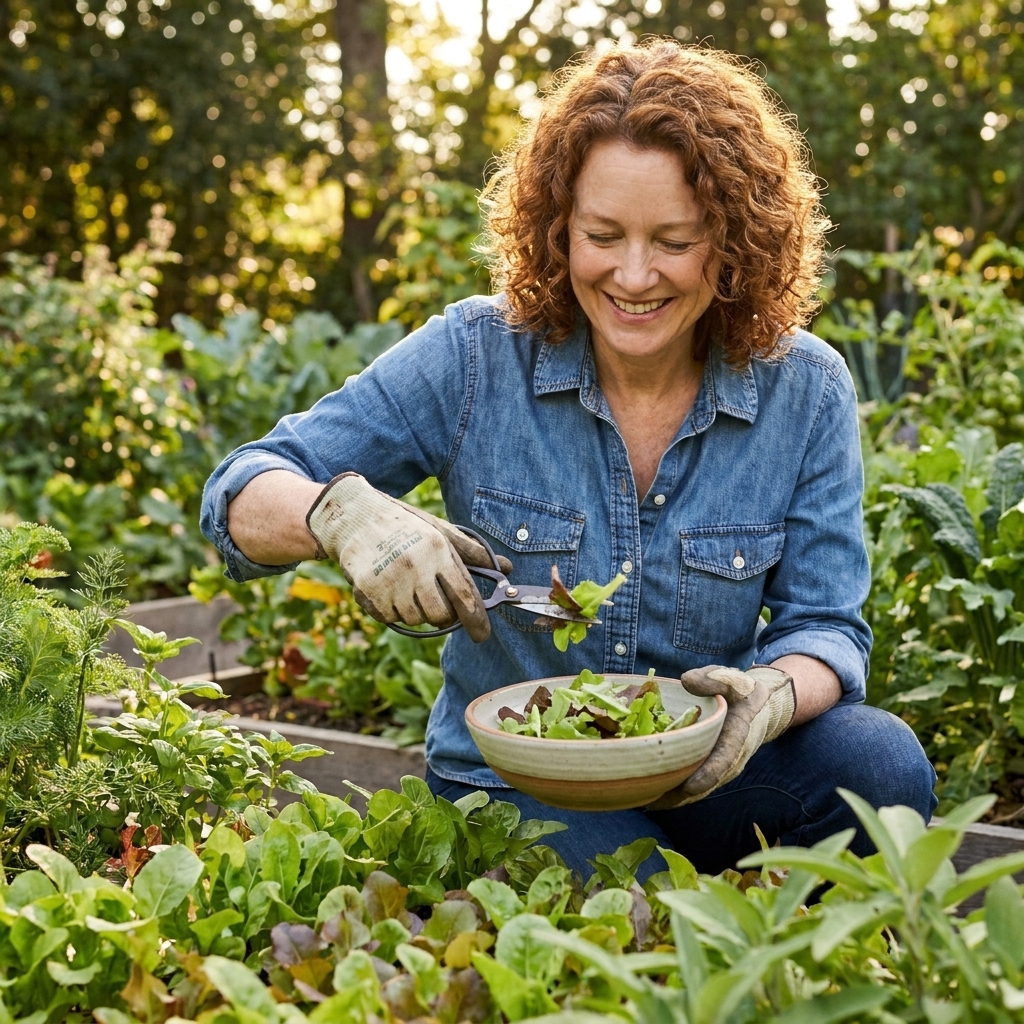
5) Mustard greens (21 to 30 days)
Mustard greens are bold, fast, and surprisingly pretty. They also handle cool conditions beautifully, which is one reason they move so quickly in spring and fall.
Harvest options
- Baby greens: snip at 3 to 5 inches for a peppery salad mix.
- Small bunching leaves: let them go a bit longer, then harvest outer leaves.
Tip from my beds
If flea beetles show up, cover seedlings with lightweight row cover right after sowing. Stress slows growth, and those tiny holes add up fast.
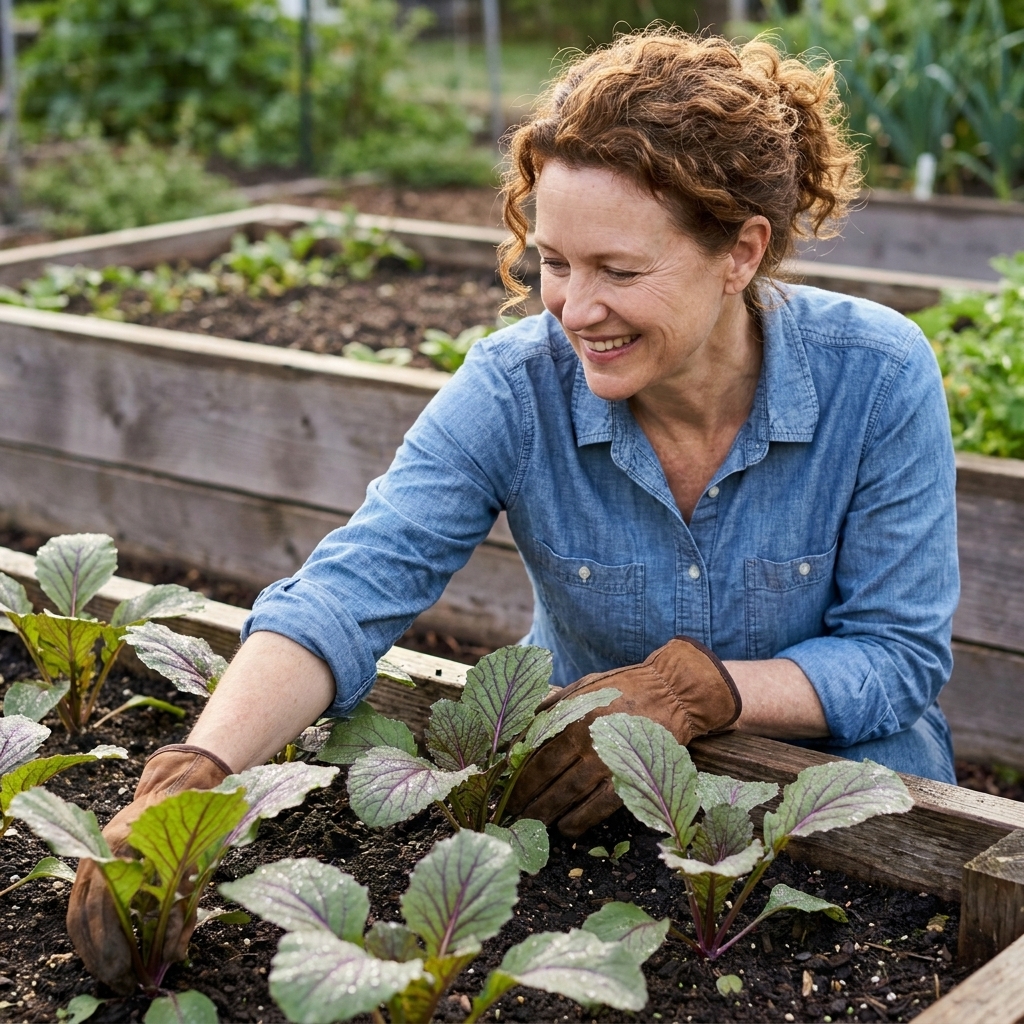
6) Baby bok choy (30 to 40 days)
Baby bok choy is one of those vegetables that makes you feel like a gardening magician. It can go from seed to a crisp, stir-fry-ready mini head in about a month in cool conditions, with plenty of gardens landing closer to 30 to 40 days depending on spacing and day length.
How to keep it quick and sweet
- Thin to 4 to 6 inches so each plant can size up.
- Keep watering steady to avoid bitterness and bolting.
- Harvest at baby size before heat arrives.
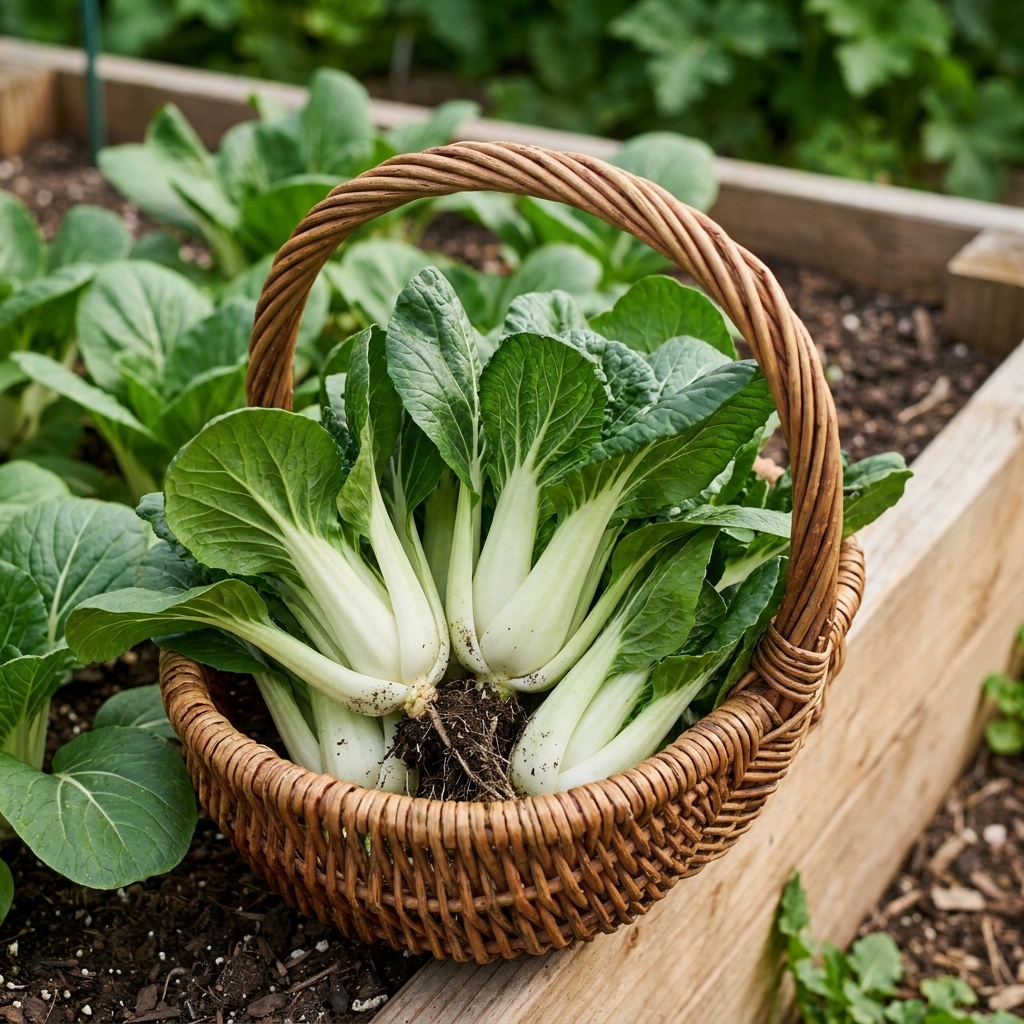
7) Garden cress (10 to 20 days)
Garden cress is the instant gratification green. It is perfect for windowsills, shallow containers, or tucked along the edge of a raised bed. The flavor is mild-peppery, like a gentler arugula.
Best way to grow it fast
- Sow thickly on the soil surface and press in lightly.
- Mist or water gently so seeds do not wash away.
- Harvest with scissors once it is a few inches tall.
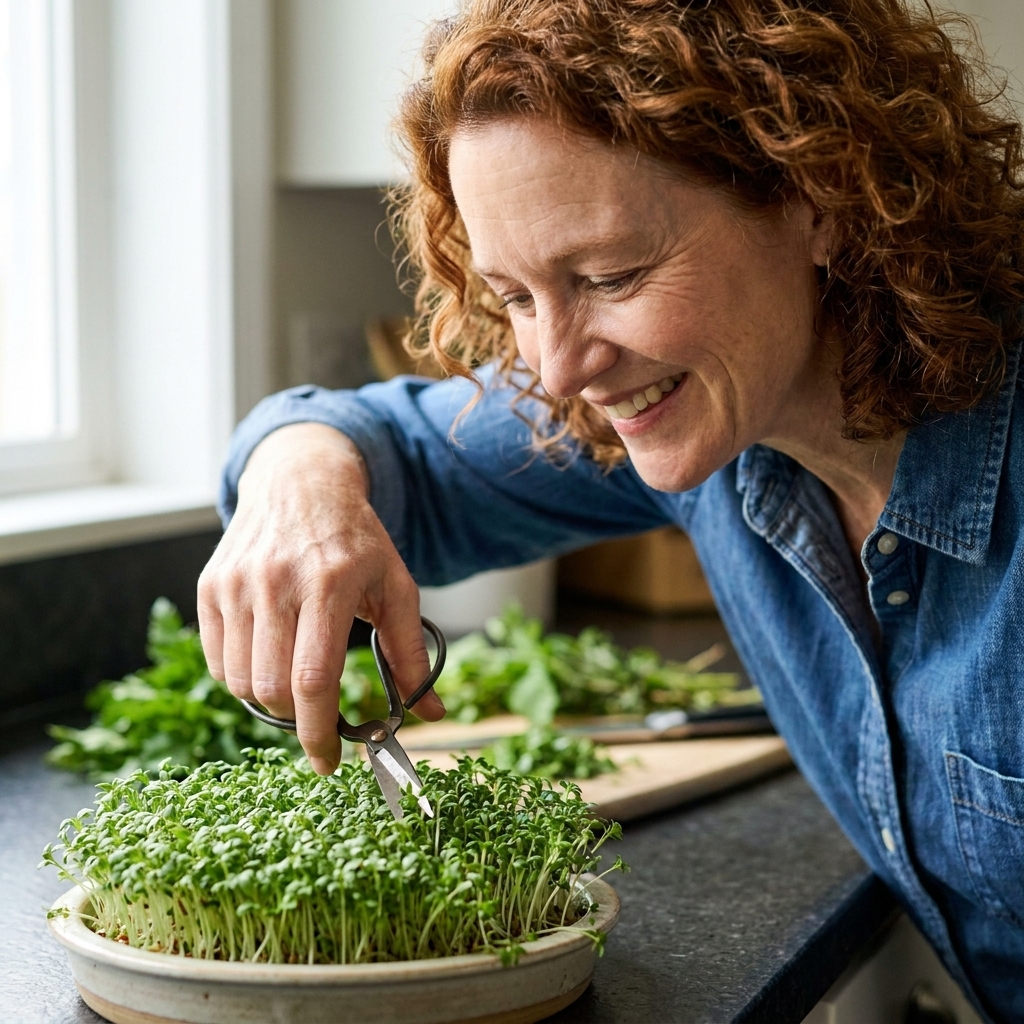
8) Turnip greens (20 to 30 days)
Turnips can be a two-for-one crop, but if your goal is speed, grow them for their greens. Turnip greens are tender when young and cook down beautifully with garlic and a splash of vinegar.
Quick-harvest approach
- Choose varieties sold for both roots and greens, then harvest leaves early.
- Pick outer leaves when they are 4 to 6 inches long.
- Keep plants growing by not stripping more than one-third at a time.
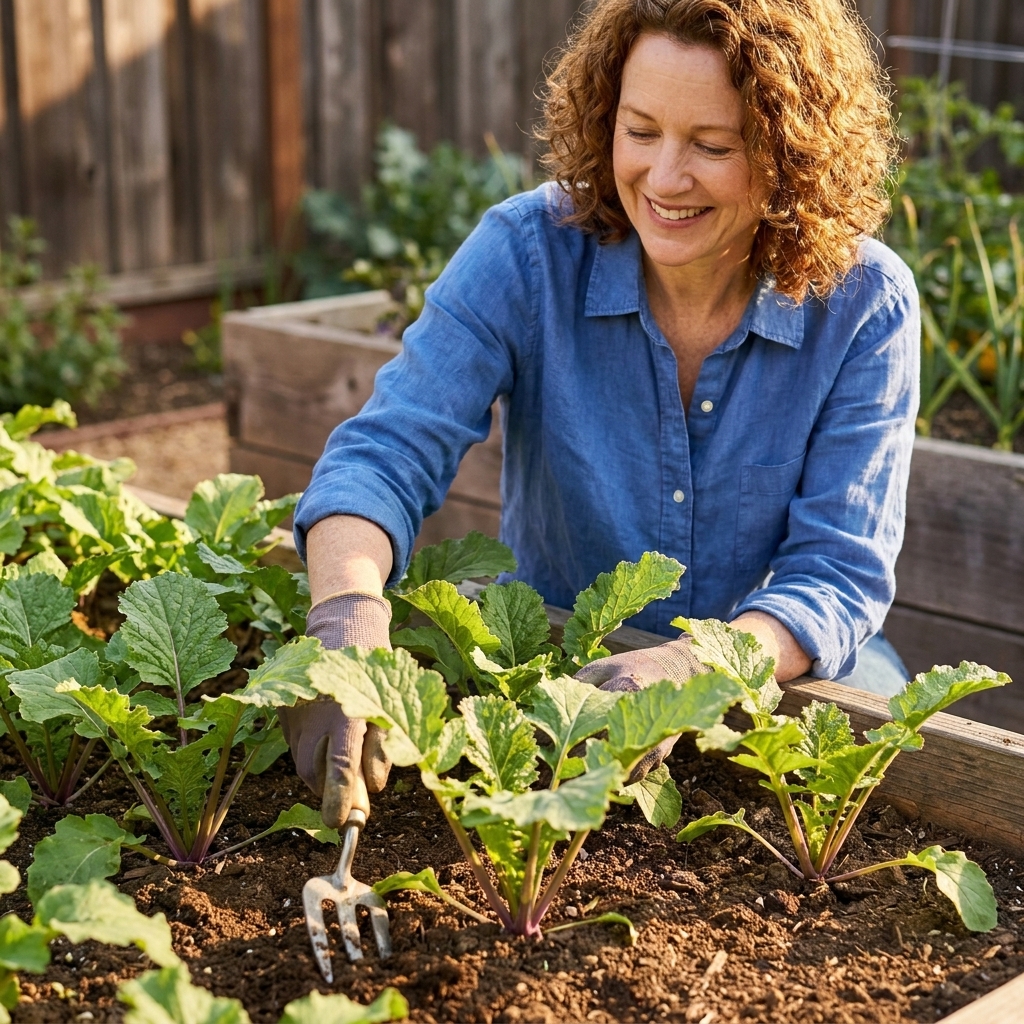
9) Green onions (20 to 30 days)
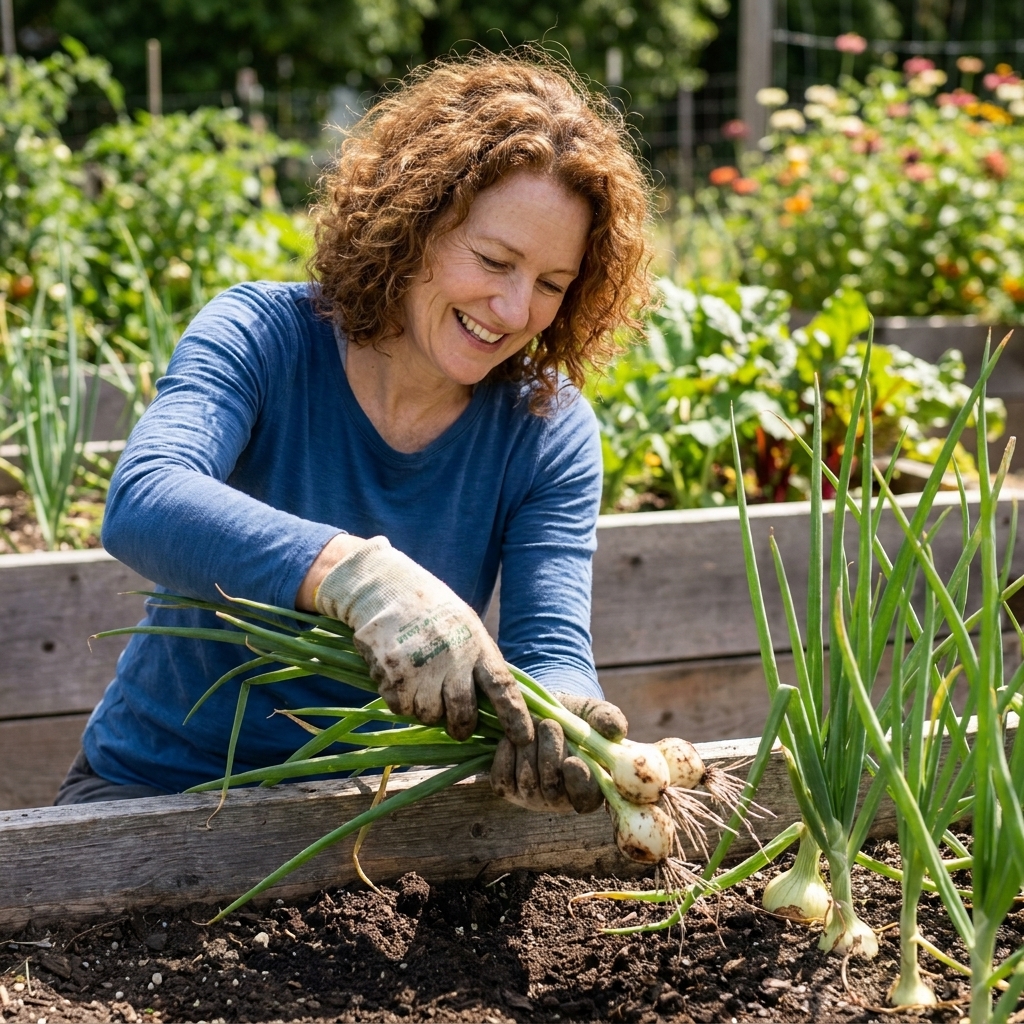
Green onions are wonderfully forgiving, but the timeline depends on what you start with. If you plant sets (small starter bulbs), you can often pull baby scallions in about 20 to 30 days. From seed, plan on a longer wait, usually closer to 60 to 90 days for full scallions depending on variety and weather, though you can still start thinning and eating them earlier.
How I get scallions fast
- For speed, plant onion sets fairly close together and keep them watered.
- Start pulling as soon as they are the size you like, even if they are still slim.
- If you do grow from seed, sow in a small block and thin gradually by eating the thinnings.
10) Pea shoots (14 to 21 days)
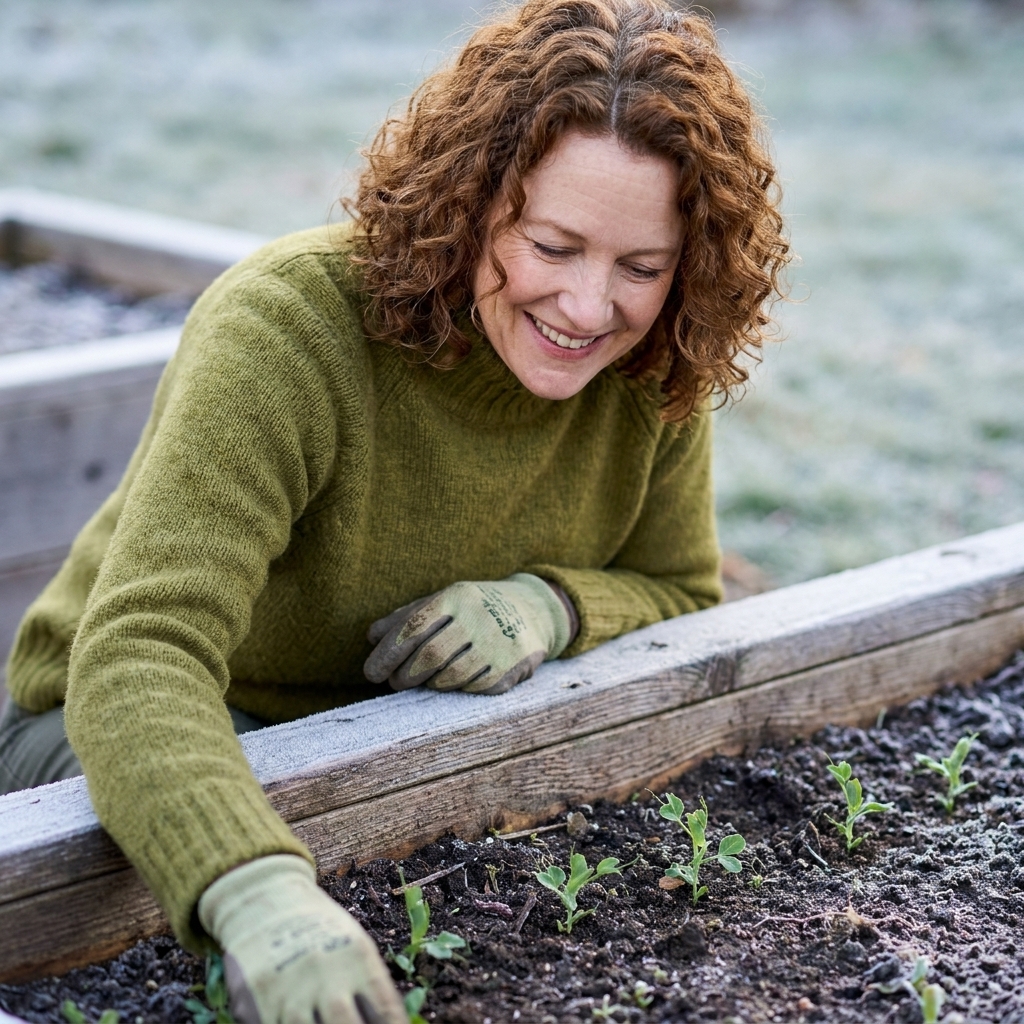
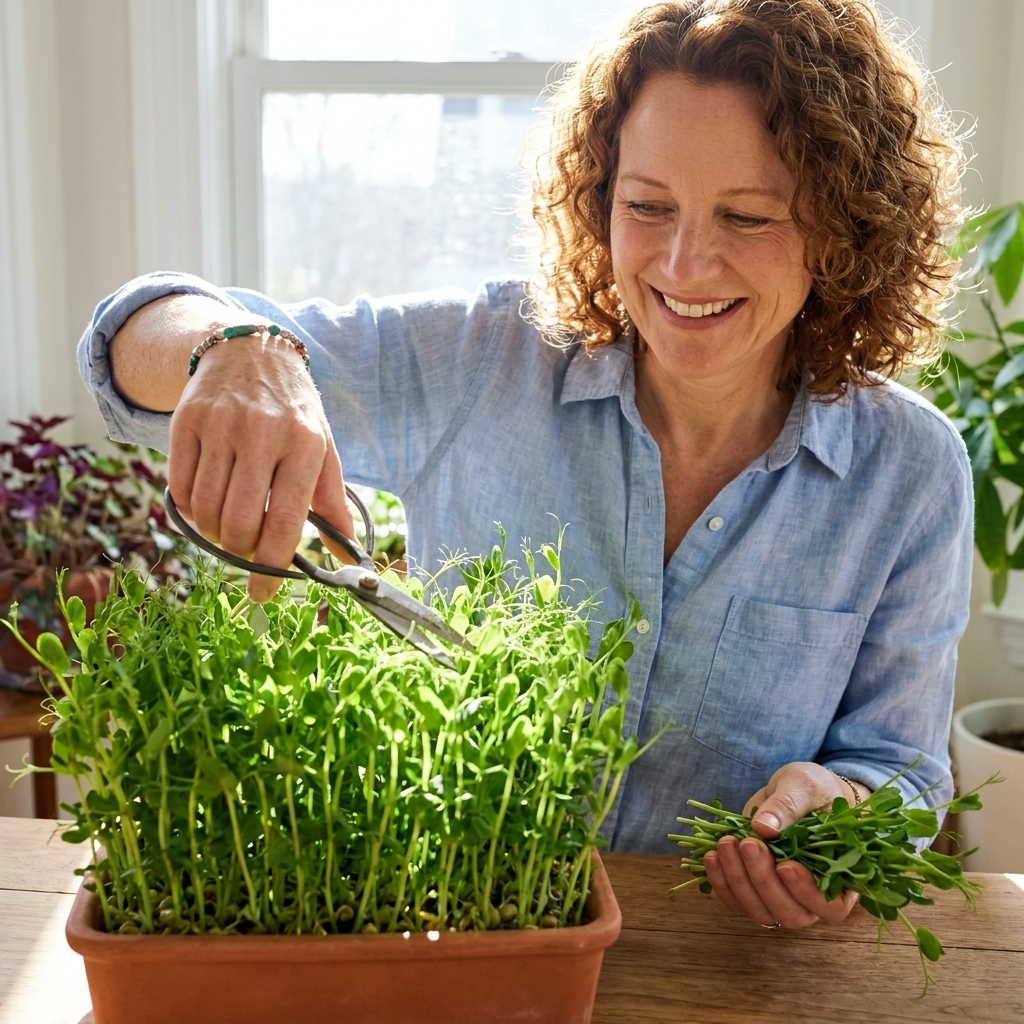
If you want a true 30-day crop with big payoff, grow pea shoots. You are not waiting for pods, you are harvesting tender stems and leaves for salads, sandwiches, and quick stir-fries. They taste fresh and sweet, like spring in a handful.
My fast pea shoot method
- Sow peas densely in a shallow tray, small pot, or a short row in a raised bed.
- Keep the soil evenly moist during germination.
- Harvest when shoots are 3 to 6 inches tall by snipping just above the lowest set of leaves.
Variety note: Any garden pea works, but varieties sold specifically for shoots are bred to be extra tender.
30-day planting plan
If you want a week-by-week rhythm that keeps harvests coming, this is my favorite low-stress approach:
- Day 1: Sow radishes + a band of leaf lettuce + a patch of arugula.
- Day 7: Sow more radishes + mustard greens.
- Day 14: Sow baby bok choy + garden cress.
- Day 21: Sow spinach (if temperatures are cool) or more lettuce and arugula.
By day 25 to 30, you should be harvesting radishes, baby greens, cress, and pea shoots, with baby bok choy often close behind depending on variety and weather.
Troubleshooting
Leaves, no roots
This happens most often with radishes in overly rich nitrogen-heavy soil or in tight spacing. Ease up on fertilizer, thin seedlings, and keep water even.
Bitter flavor
Heat and dry soil are the usual culprits. Add a little afternoon shade, mulch lightly, and water deeply. Harvest younger.
Bolting
Bolting is a plant’s panic button. Cool-season crops bolt in heat or drought. Plant earlier, use shade cloth in warm spells, and keep moisture steady.
Pests overnight
Flea beetles love arugula and mustard greens. Slugs love tender lettuce. Lightweight row cover, clean bed edges, and hand-picking at dusk can keep your 30-day harvest from becoming a 30-day disappointment.
FAQ
Can I really harvest vegetables in 30 days from seed?
Yes, for many leafy greens, quick roots like radishes, and fast cuts like pea shoots. The trick is harvesting at baby stage and growing in the right season so plants do not struggle with heat or drought.
Do I need fertilizer for a fast harvest?
Not usually if your bed has compost and decent soil structure. Fast crops prefer steady moisture and room to grow more than heavy feeding. If growth seems pale or slow, a light application of an organic nitrogen source can help leafy greens, but go easy for radishes.
What if I only have a balcony or patio?
These crops are container-friendly, especially radishes, lettuces, arugula, cress, mustard greens, bok choy, and pea shoots. Use a potting mix made for vegetables, keep it evenly moist, and give at least 4 to 6 hours of sun for best speed.