A practical, family-based rotation plan for raised beds, plus sample calendars, bed maps, and what to do when you do not have four beds.
Veg Loom
October 17, 2026
By Maggie O'Connell
Crop Rotation to Prevent Soil-Borne Diseases
Simple crop rotation strategies for home gardens that reduce soil- and debris-borne disease, balance nutrients, and make seasonal planning easier, even in small raised beds.

Maggie O'Connell
Maggie O'Connell is a lifelong gardener and the voice behind Vegloom, dedicated to helping people grow their own food regardless of their yard size. With over 15 years of hands-on experience in backyard agriculture, she specializes in raised bed gardening, organic soil building, and seasonal planting calendars. When she isn't writing, Maggie can usually be found tending to her sprawling heirloom tomatoes or experimenting with new compost recipes.
When I first started gardening in raised beds, I thought crop rotation was a “big farm” thing. Then I met my first truly stubborn soil-borne problem: tomatoes that kept wilting in the same bed year after year no matter how much compost I pampered them with. Rotation did not fix everything overnight, but it finally broke the pattern.
Crop rotation, in plain English, is moving plant families around your garden on purpose. It helps because many soil-borne diseases and pests are picky eaters. If you keep giving them the same host plant in the same patch of soil, you are basically renewing their lease.
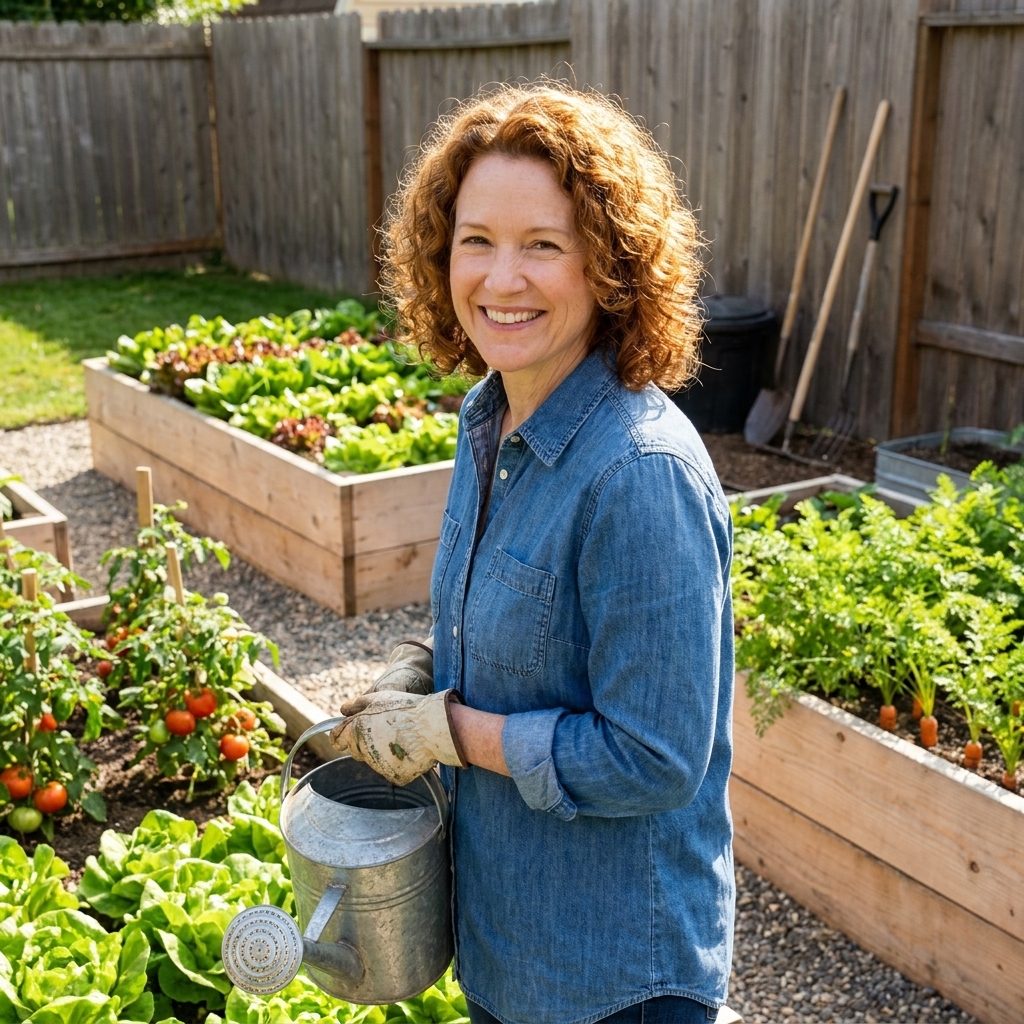
Below is the simple, home-garden-friendly way I plan rotations for Veg Loom readers: by plant family, with a few smart exceptions for tiny spaces.
Why rotation helps
Soil-borne diseases are caused by pathogens that live in soil or in old plant debris that ends up back on the soil surface. Some are fungi, some are bacteria, and some are nematodes. The tricky part is that many can hang around for multiple seasons, even when the bed looks clean.
A quick accuracy note: some common garden issues are better described as debris-borne or soil-associated rather than truly living deep in the soil. Either way, repeating the same plant family in the same place makes it easier for problems to carry over.
Rotation helps in three practical ways
- It breaks the host cycle. Many pathogens build up when their favorite crop family is planted repeatedly in the same bed.
- It reduces hot spots. If one bed had a disease flare-up, moving that family elsewhere keeps you from planting directly into the problem area again.
- It balances nutrients. Not a disease issue on its own, but nutrient stress makes plants more vulnerable. Rotating heavy feeders with legumes and lighter feeders can keep growth steadier.
Important honesty from the garden fence: rotation is not a magic eraser. Some pathogens can persist a long time (clubroot is famously persistent), and plenty of heartbreakers are mostly airborne or insect-spread. Still, for certain soil- and debris-borne issues, rotation is one of the best low-effort, no-spray tools we have, especially combined with cleanup and resistant varieties.
Rotate by family
If you remember only one thing, make it this: rotate by botanical family. Peppers are not “different” from tomatoes in the eyes of many diseases. They are cousins.
The main vegetable families to rotate
- Nightshades (Solanaceae): tomatoes, peppers, eggplant, potatoes
- Brassicas (Brassicaceae): broccoli, cabbage, cauliflower, kale, collards, Brussels sprouts, radishes, turnips, arugula
- Cucurbits (Cucurbitaceae): cucumbers, zucchini, summer squash, winter squash, pumpkins, melons
- Legumes (Fabaceae): beans, peas
- Alliums (Amaryllidaceae): onions, garlic, leeks, scallions, chives
- Carrot family (Apiaceae): carrots, celery, parsley, parsnips, dill, fennel
- Amaranth family (Amaranthaceae): beets, Swiss chard, spinach
- Lettuce family (Asteraceae): lettuce, endive, chicory
You do not need eight beds to rotate eight families. Most home gardens can succeed rotating the “big four” families (nightshades, brassicas, cucurbits, legumes) and treating the rest as flexible fillers, with a couple of special rules I’ll share below.
A simple 4-bed plan
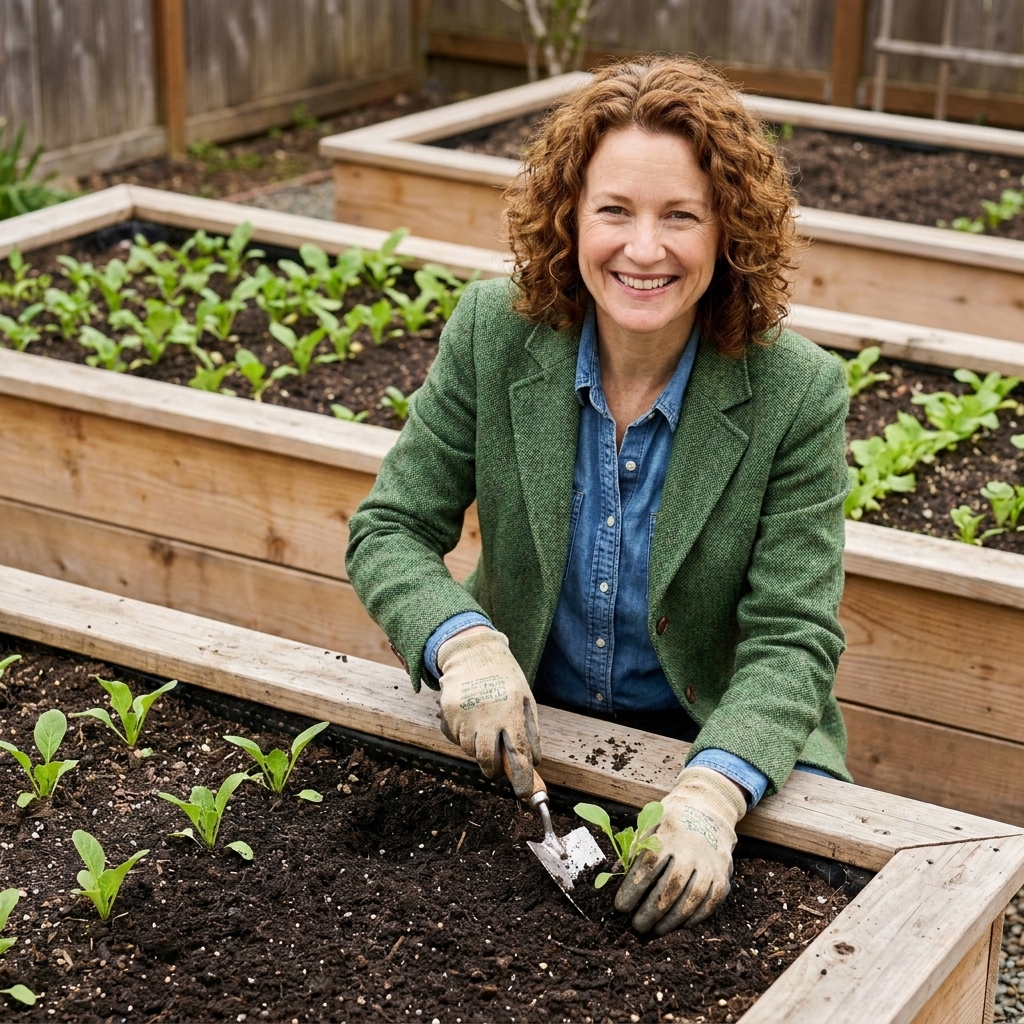
If you have four raised beds, or four zones within larger beds, this is the simplest rotation that still gives you real disease prevention benefits. (In this article, I use “bed,” “zone,” and “block” to mean a dedicated section of soil where one plant family lives for the season.) Each year, move each family to the next bed.
Year 1
- Bed A: Nightshades (tomatoes, peppers, eggplant, potatoes)
- Bed B: Brassicas (broccoli, cabbage, kale, radish)
- Bed C: Cucurbits (cucumber, zucchini, squash, melons)
- Bed D: Legumes (peas, beans) plus a soil-building cover crop if you have time
Year 2
Rotate forward: A gets what B had, B gets what C had, C gets what D had, D gets what A had.
Tip from my own garden notebook: I like to place legumes right before heavy feeders. If you struggle with tomato vigor, try planting beans or peas in that bed the season before tomatoes go in. It is not a fertilizer replacement, and most of the nitrogen benefit shows up when legume roots and leftover plant material break down, but it can be a helpful nudge when paired with compost.
If you have 1 to 3 beds
Small-space gardeners deserve rotation too. You just rotate within a bed, or you rotate season-to-season instead of year-to-year.
One bed: rotate by blocks
Split your bed into 3 or 4 blocks (even imaginary blocks work). Keep nightshades in one block this year, then move them to the next block next year. Expectations check: this is still helpful, but in a single bed the distance is small, so think of it as reducing risk, not guaranteeing a clean slate.
- Block rotation: Nightshades → Legumes → Brassicas → Cucurbits → back to Nightshades
Two beds: swap plus sub-rotation
- Bed 1: Nightshades and cucurbits
- Bed 2: Brassicas and legumes
Next year, swap the groupings. Within each bed, shift crops around so the same family is not in the same exact spot.
Three beds: big three, legumes as a tool
- Bed 1: Nightshades
- Bed 2: Brassicas
- Bed 3: Cucurbits
Work peas and beans into open windows, especially early spring peas before warm-season crops, or late summer bush beans after garlic comes out.
Seasonal rotation
One of my favorite tricks for small gardens is to rotate not just yearly, but seasonally. That means your bed history matters even within the same year.
Examples of smart seasonal sequences
- Spring peas → summer tomatoes? Great. Different families, and peas come out before tomatoes need the space.
- Spring radishes → fall broccoli? Not ideal, because radishes and broccoli are both brassicas. Doable if you have to, but it is not rotation.
- Garlic (overwintered) → summer beans Great pairing: alliums followed by legumes.
- Spinach → cucumbers Nice: quick cool-season greens followed by warm-season cucurbits.
If a bed had a disease issue, I get even stricter with seasonal rotation. I avoid planting that same family in that bed for as long as I can manage.
Diseases rotation can help
Rotation is most helpful for problems that build up when the same host crop returns repeatedly. Here are the common ones home gardeners run into.
Nightshades
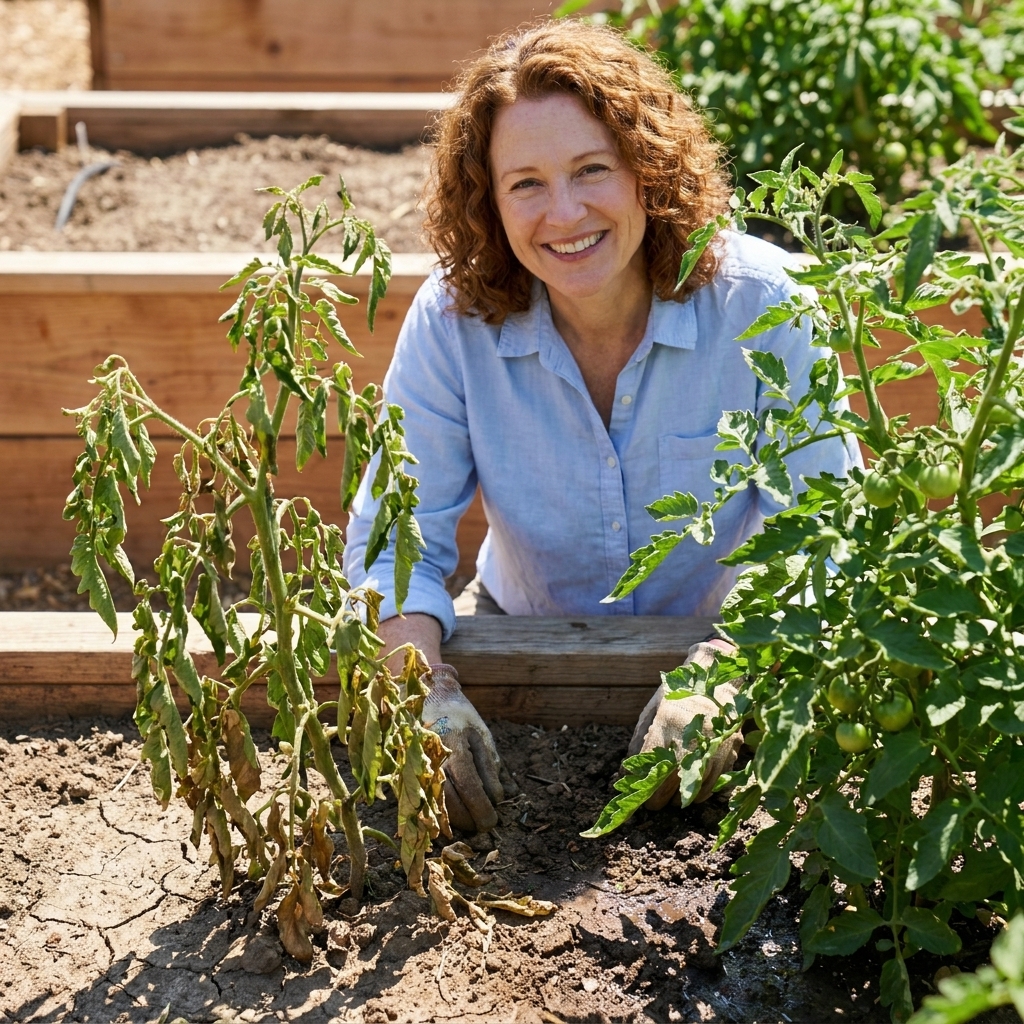
- Verticillium and fusarium wilts: cause yellowing and wilting that does not perk up with watering.
- Leaf spots that carry over in debris: issues like early blight can survive on infected debris and can be soil-associated, so rotation plus cleanup makes a noticeable difference.
- Root-knot nematodes: rotating away from susceptible crops helps reduce pressure over time.
Brassicas
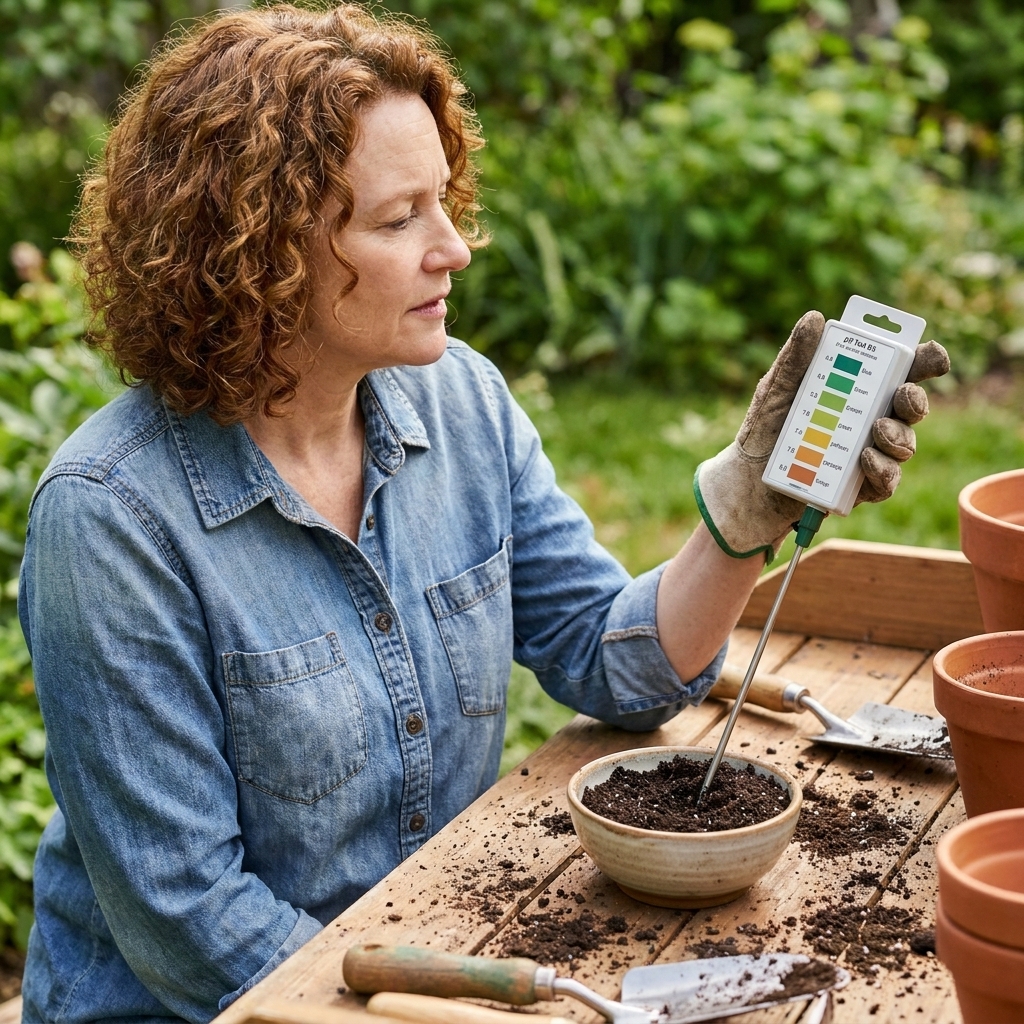
- Clubroot: rotation is essential, though this one can persist for years. Many gardeners reduce pressure by raising soil pH with lime toward about 7.2 or higher, but test your soil first and do not guess.
- Black rot: rotation helps, but sanitation and starting with clean seed or healthy transplants are often the big levers, since it can come in on plant material and spread by splashing water.
Cucurbits
- Bacterial wilt and other issues spread by insects: rotation helps less than row covers and beetle control, but it can still reduce recurring pressure when plant debris is cleaned up.
Reality check: Some of the biggest garden heartbreakers are airborne or insect-spread (powdery mildew, late blight, cucumber beetles). Rotation is still worth doing, but pair it with good airflow, mulching, and prompt removal of diseased plants.
How long to wait
In an ideal world, you would wait 3 to 4 years before growing the same family in the same spot again. In a typical backyard, that can be tough. Here is a practical rule set:
- Normal pressure, no major disease history: aim for a 3-year gap for nightshades and brassicas if possible, 2-year minimum.
- You had a clear disease outbreak: push to 4 years for that family in that bed, and be strict about cleanup.
- Tiny garden reality: do the best you can. Even rotating within a bed and adding a break-crop season helps.
If you keep a simple garden journal, you will be shocked how quickly patterns show up. A single sentence like “Bed 2 had tomatoes, got wilt in July” is gold next spring.
Clean-up that makes it work
Rotation works best when you are not reintroducing the same pathogen through old plant debris, volunteer plants, or contaminated tools. (Yes, volunteer potatoes and volunteer tomatoes absolutely count as sneaky repeats.)
My end-of-season routine
- Remove sick plants promptly. Do not compost visibly diseased foliage unless your compost gets genuinely hot.
- Pull roots when possible. Many soil-borne issues hang out around root tissue.
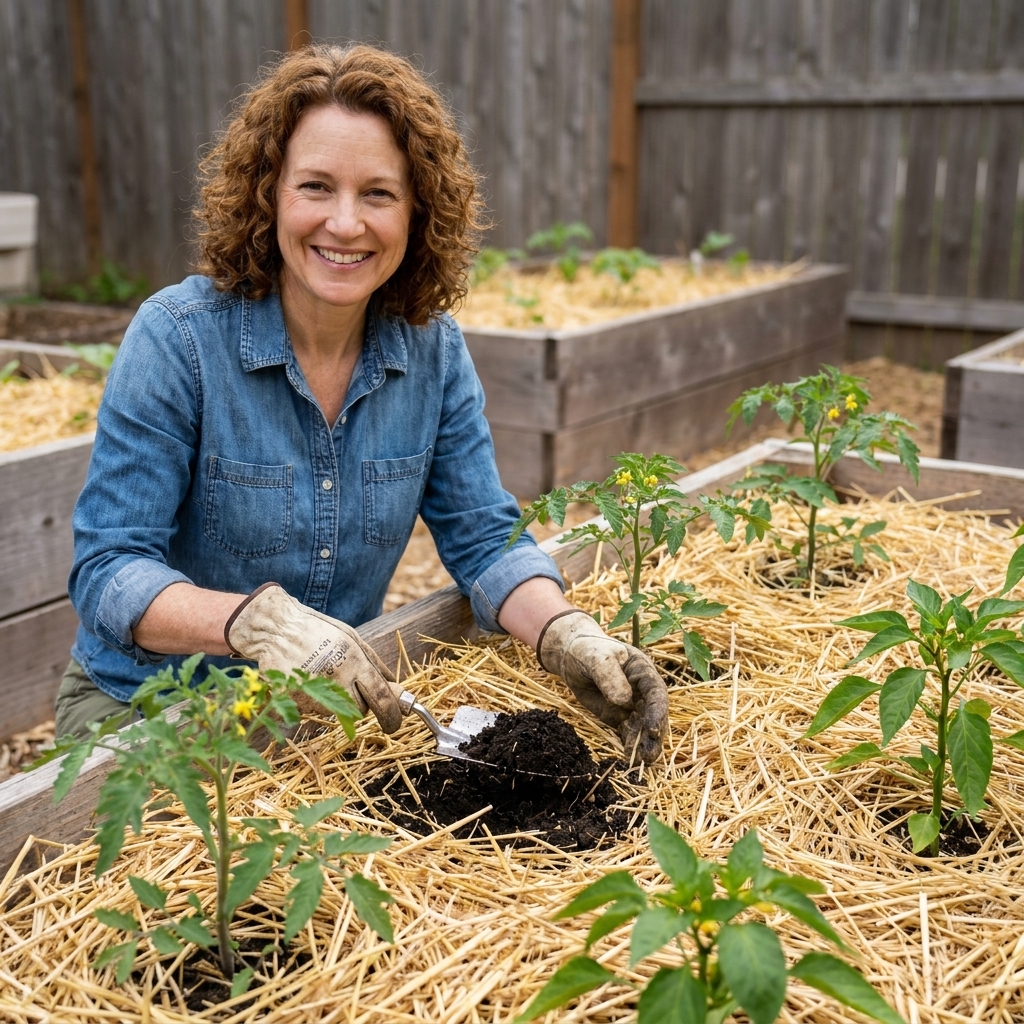
- Mulch wisely. A fresh mulch layer (straw, leaf mold, shredded leaves) reduces splash-up that spreads spores onto lower leaves.
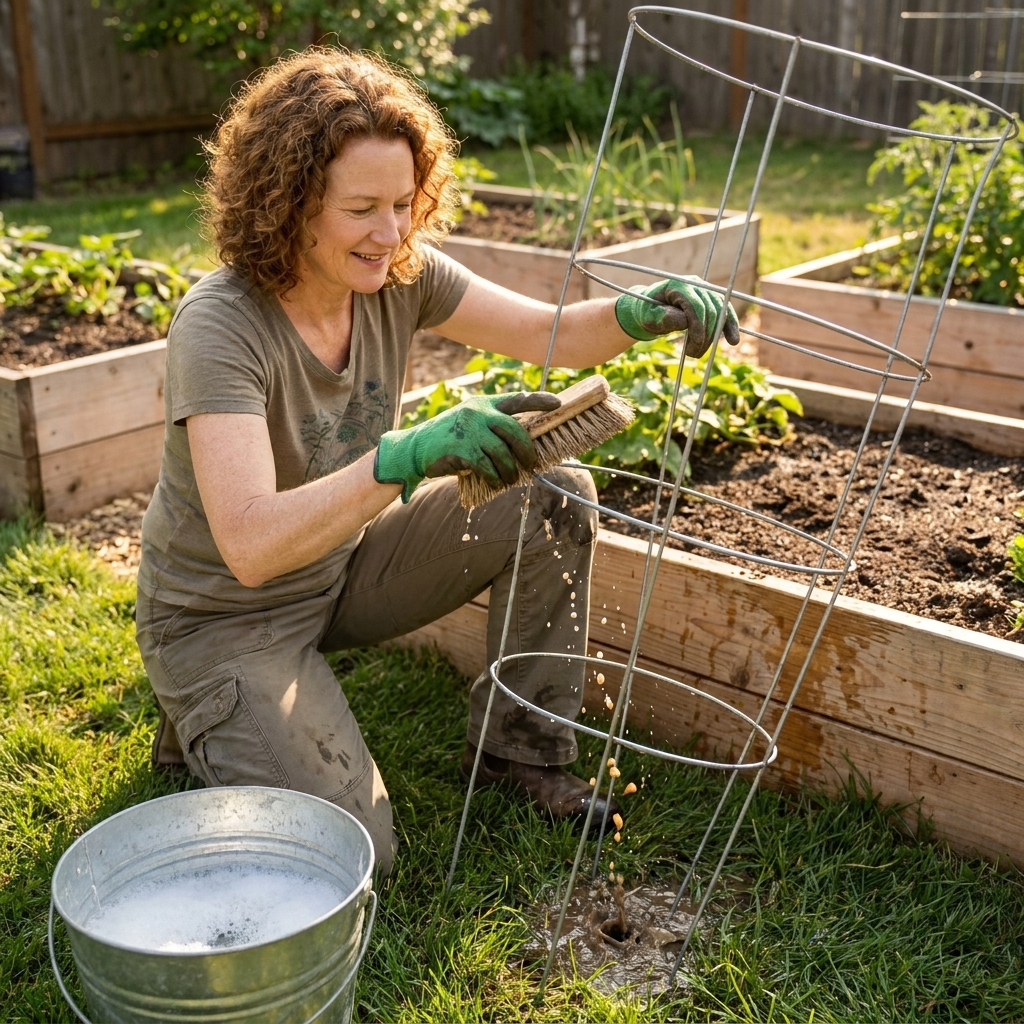
- Sanitize stakes and cages. Tomato cages especially can carry problems forward. A scrub and a disinfecting rinse help.
- Do not move soil between beds. If one bed is hot, keep its soil and tools separate as much as you can.
Cover crops and rest time
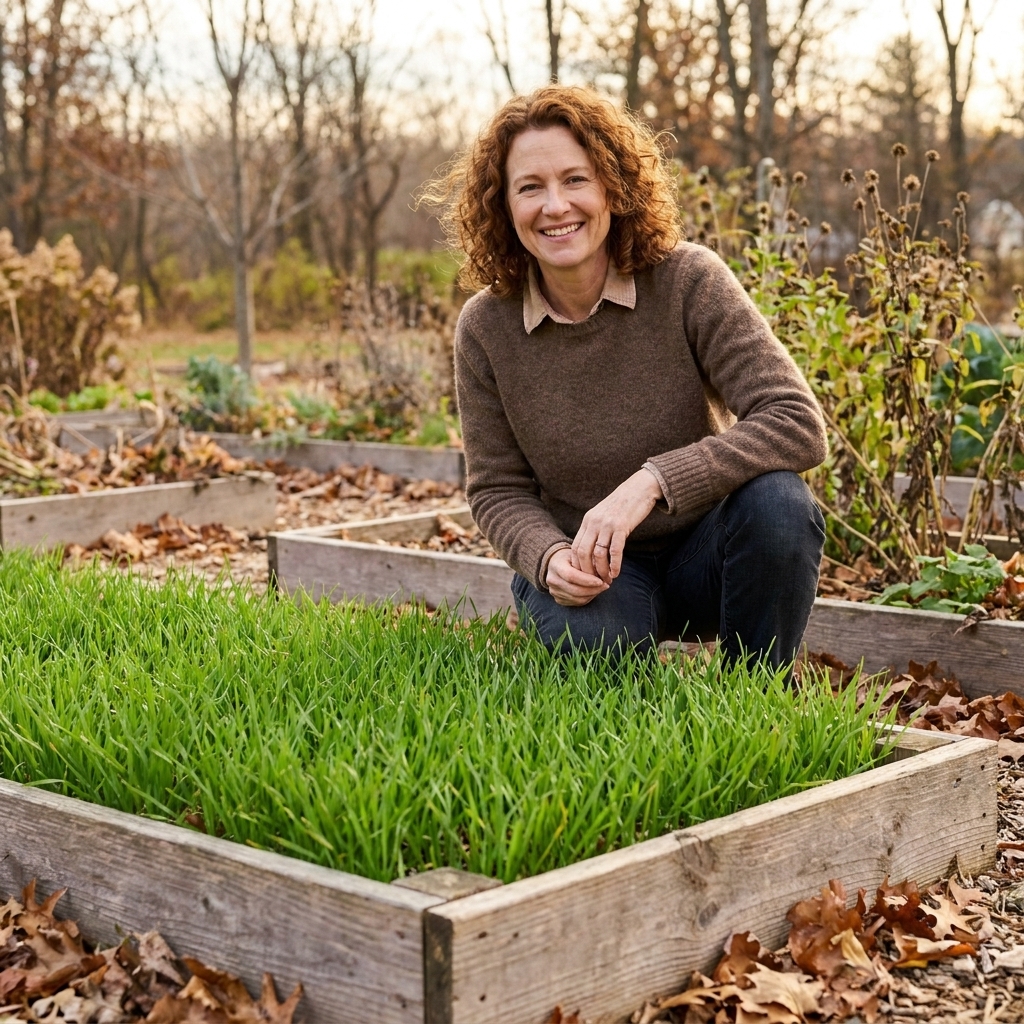
If you can spare a bed for part of a season, cover crops are like a quiet reset button for soil structure and microbial diversity.
Easy options for raised beds
- Crimson clover: great for pollinators, adds organic matter, works well in many climates.
- Oats and peas: a friendly cool-season mix that is easy to terminate.
- Buckwheat: fast summer cover crop if a bed opens up mid-season.
Even a mini rest helps. If you harvest garlic in early summer and do not need that space until fall, sow buckwheat or a quick bean crop instead of leaving soil bare.
Common crops people misfile
If you are trying to rotate by family, a few popular crops love to trick us:
- Sweet potatoes are in the morning glory family (Convolvulaceae), not the nightshade family.
- Corn is a grass (Poaceae).
- Asparagus is its own thing (Asparagaceae).
- Strawberries are in the rose family (Rosaceae).
- Herbs are all over the map: basil is mint family, cilantro is carrot family, and so on.
You do not need to memorize Latin to rotate well. Just double-check the oddballs so you do not accidentally repeat a family when you thought you were mixing it up.
Companion planting vs rotation
I love companion planting, but it is not a substitute for rotation. Basil next to tomatoes is wonderful, but it does not prevent soil pathogens that target the nightshade family.
- Crop rotation: long-term strategy to reduce disease and pest buildup tied to plant families.
- Companion planting: short-term strategy for space efficiency, beneficial insects, shading, and sometimes pest confusion.
Use companion planting within the boundaries of your rotation plan. For example, tuck basil, marigolds, or scallions around tomatoes, but still move the whole nightshade block to a new bed next year.
Quick-start plan
If you want a simple plan without overthinking:
- Draw your beds. Four squares on a scrap of paper is plenty.
- Label what grew where last season. If you cannot remember, do your best guess.
- Pick your anchor crops. Usually tomatoes, peppers, cucumbers, squash, broccoli, cabbage.
- Group by family. Put all nightshades in one area, all cucurbits in another, and so on.
- Rotate the anchors first. Then fill gaps with greens, herbs, and roots.
- Write it down. Next year you will thank yourself.
And if you are staring at one tiny raised bed thinking, “Maggie, I can barely rotate my feet in here,” I hear you. Do the block method, rotate seasonally, and focus on sanitation. Small steps still change outcomes.
FAQ
Do I need to rotate if I garden in containers?
Less so, because you can refresh or replace potting mix, but diseases can still build up. If you reuse container soil, rotate families between pots or refresh with new mix and clean, well-finished compost, and clean containers between seasons.
Can I rotate tomatoes to the other side of the same bed?
Yes, it is better than planting them in the exact same spot, especially in a small garden. The farther you can move them, the better, and pairing that move with mulch and clean-up helps a lot.
Does adding compost replace crop rotation?
No, but compost makes plants more resilient and supports a healthier soil ecosystem. I treat compost as the baseline and rotation as the strategy.
What if I already have a soil-borne disease in a bed?
Start by removing and disposing of infected plant material, then rotate that plant family out for as long as you can. Consider resistant varieties, avoid moving soil to other beds, and keep tools and supports cleaned. In severe cases, growing in fresh soil in containers for a couple seasons can keep you harvesting while that bed gets a break.