An easy, frost-date-based timeline for sowing late-season veggies like spinach, kale, carrots, and more, plus practical tips for germination, fall slowdown, ...
Veg Loom
October 17, 2026
By Maggie O'Connell
8 Frost-Tolerant Vegetables You Can Grow and Harvest into Winter
Keep harvesting after the first frost. Grow these 8 cold-hardy vegetables, plus planting timing, protection tips, and how cold weather can make winter crops taste sweeter.

Maggie O'Connell
Maggie O'Connell is a lifelong gardener and the voice behind Vegloom, dedicated to helping people grow their own food regardless of their yard size. With over 15 years of hands-on experience in backyard agriculture, she specializes in raised bed gardening, organic soil building, and seasonal planting calendars. When she isn't writing, Maggie can usually be found tending to her sprawling heirloom tomatoes or experimenting with new compost recipes.
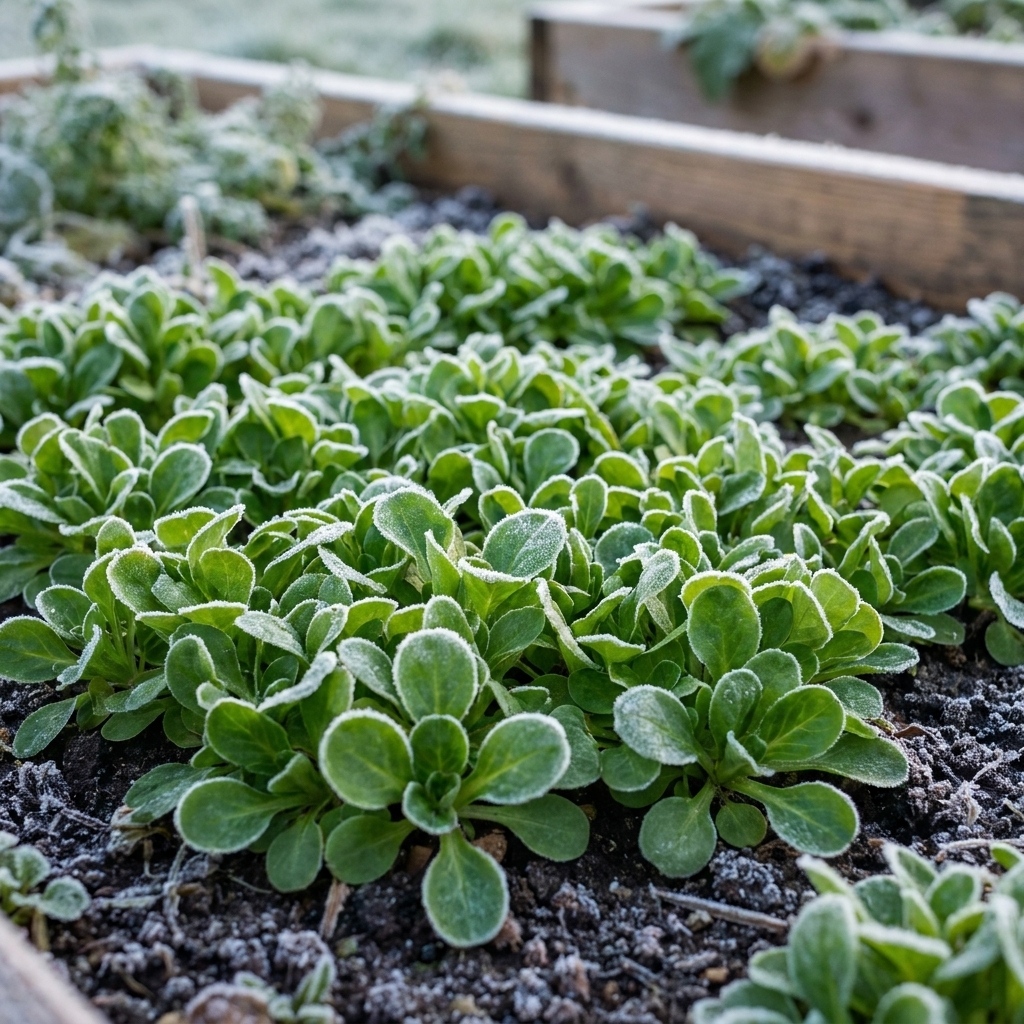
The first time I harvested kale with a dusting of frost on the leaves, I felt like I was getting away with something. The garden looked “done” for the year, but dinner was still out there waiting.
Cold weather gardening is mostly about choosing the right crops and giving them a little help at the right moment. Many winter-friendly vegetables are naturally built to handle chilly nights, and several taste sweeter after a light frost because plants tend to accumulate more soluble sugars in cold conditions.
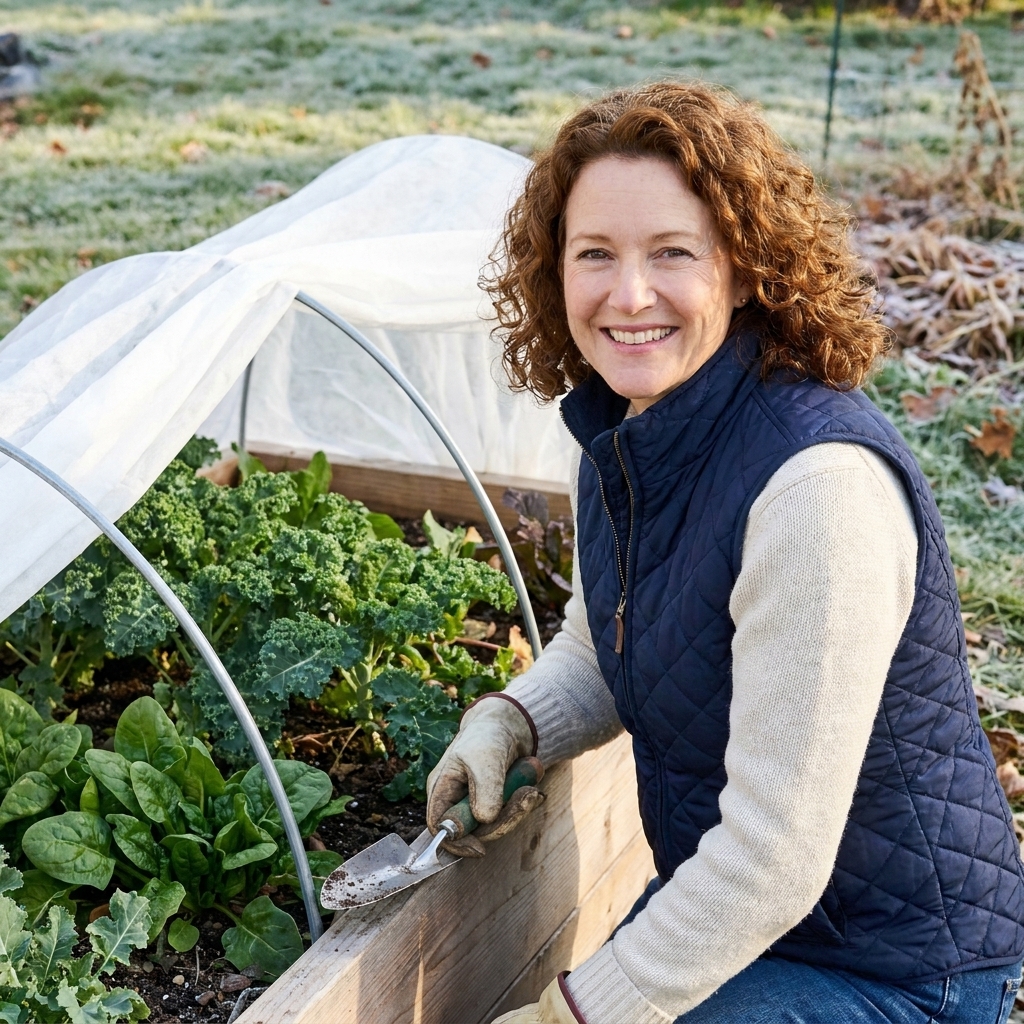
Below are eight frost-tolerant vegetables you can grow and harvest into winter, plus the practical tips I use every year to keep beds producing long after the tomatoes have called it quits.
Before you pick a crop
Gardeners toss around “frost” like it is one single thing, but your plants experience a range. Exact thresholds vary by source and by what is happening in your garden (wind, humidity, duration, and whether you are measuring air temperature or leaf temperature), so think in broad bands:
- Light frost (around freezing): Many cool-season crops shrug it off, and some taste better afterward.
- Hard frost (upper 20s°F): Tender leaves can burn, but hardy greens and roots often persist, especially with protection.
- Deep freeze (mid-20s°F and below): Growth slows or stops, but with mulch and covers, you can still harvest certain crops.
The goal in winter growing is not necessarily rapid growth. It is survival and harvestability. A row cover or low tunnel can be the difference between “salad in December” and “well, that was ambitious.”
One planning note that matters a lot: as days shorten, plants hit a daylength wall where growth slows dramatically even if temperatures are mild. The trick is getting crops mostly established before the deep cold and short days arrive, then you harvest steadily.
1) Kale
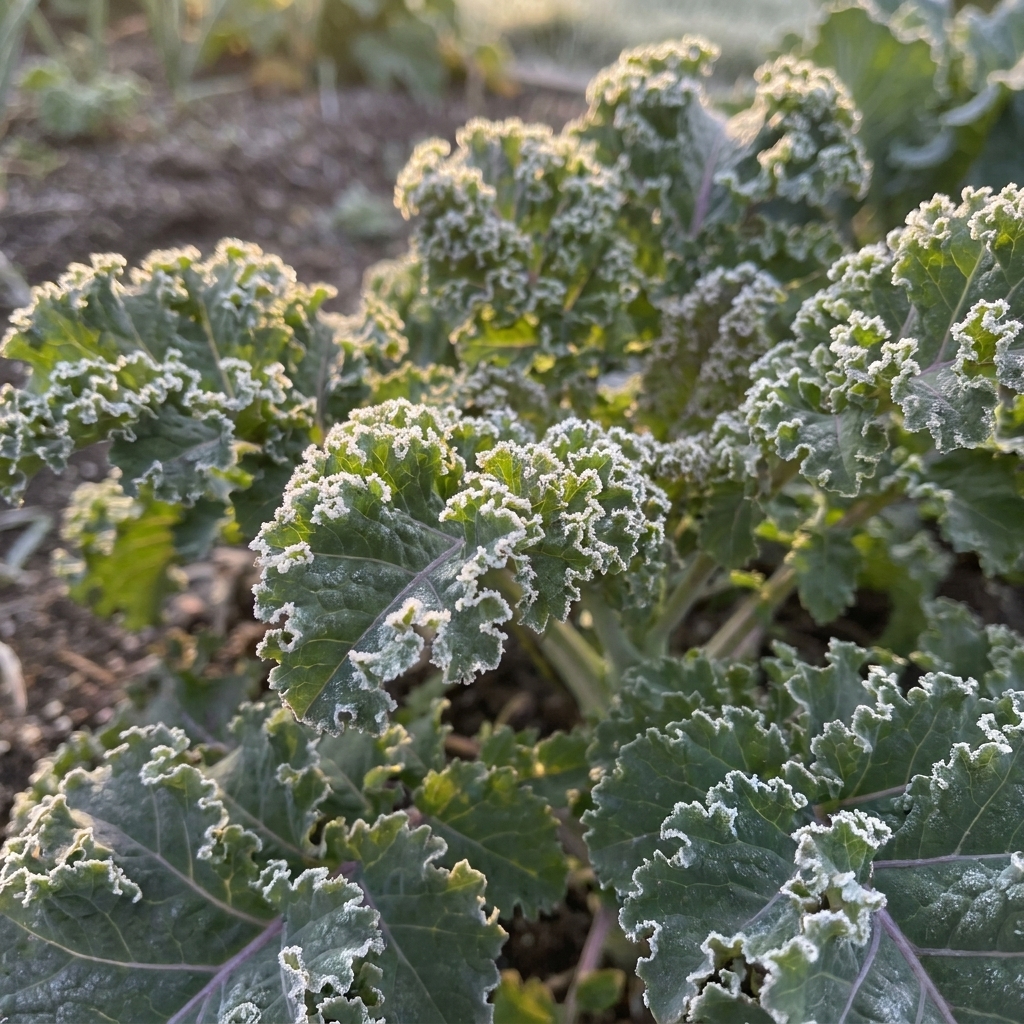
If you plant just one winter crop, make it kale. It is famously cold-hardy, keeps producing as you pick, and it gets noticeably sweeter after a few frosts.
Why it shines in cold weather
- Handles repeated light frosts with no fuss.
- Leaves get less bitter and more mellow after cold snaps.
- Continues producing new leaves through much of winter in many climates, especially with cover.
Planting and care notes
- When to plant: Late summer to early fall for winter harvests.
- Spacing: About 12 inches apart for full-size plants.
- Protection: Row cover helps against both cold and hungry pests like cabbage worms and aphids lingering into fall.
Harvest tip: Pick the lowest, outer leaves first and leave the central growing tip intact. The plant will keep giving.
2) Carrots
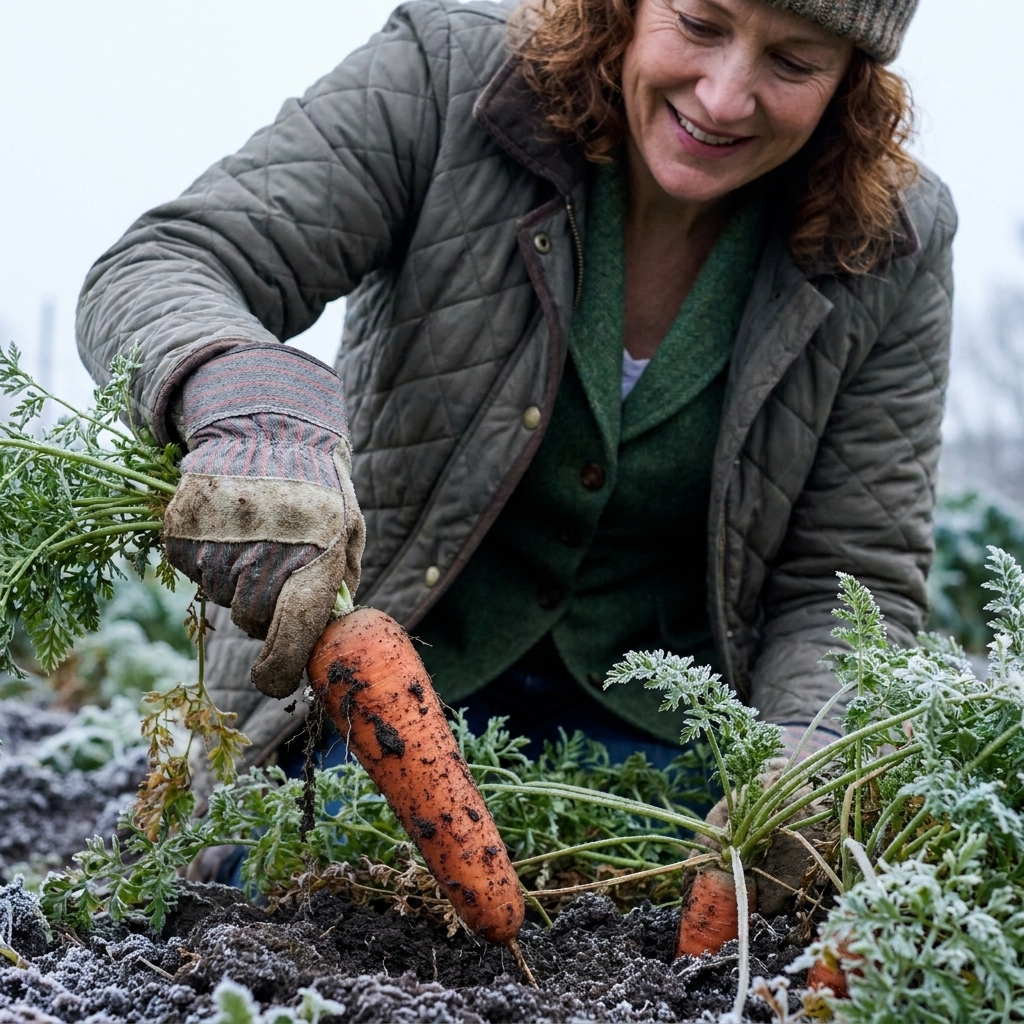
Carrots are one of my favorite “hide-and-seek” winter crops because you can leave them in the ground and harvest as needed. Cold soil sweetens them up, and they can store right where they grew as long as conditions cooperate.
Why they taste sweeter after cold
As temperatures drop, carrots tend to increase their sugar concentration. The result is a crisp, candy-sweet root that tastes like it had a glow-up.
Planting and care notes
- When to plant: Mid to late summer for fall and winter pulling.
- Soil must-have: Loose, stone-free soil for straight roots. In raised beds, I top up with compost and avoid chunky mulch until seedlings are established.
- Mulch: Once nights are consistently chilly, add 4 to 8 inches of straw or shredded leaves to keep the ground from freezing solid.
- Reality check: In-ground storage is less reliable in very wet soils, heavy clay, or where rodents are active. In those spots, I mulch anyway but plan to pull more before the weather turns ugly.
Harvest tip: If your soil freezes hard, harvest a big batch right before a deep freeze and store carrots in the fridge in a loosely closed or perforated bag. If you add a paper towel, keep it barely damp, not wet.
3) Spinach
Spinach is the quiet hero of cold-season beds. It can handle frost, and with a little protection it often keeps going when other greens tap out.
Why it works
- Leaves tolerate chilly nights surprisingly well.
- Plants stay compact, making them easy to protect with row cover.
- Flavor is mild and sweet in cool weather.
Planting and care notes
- When to plant: Late summer through early fall, depending on your climate.
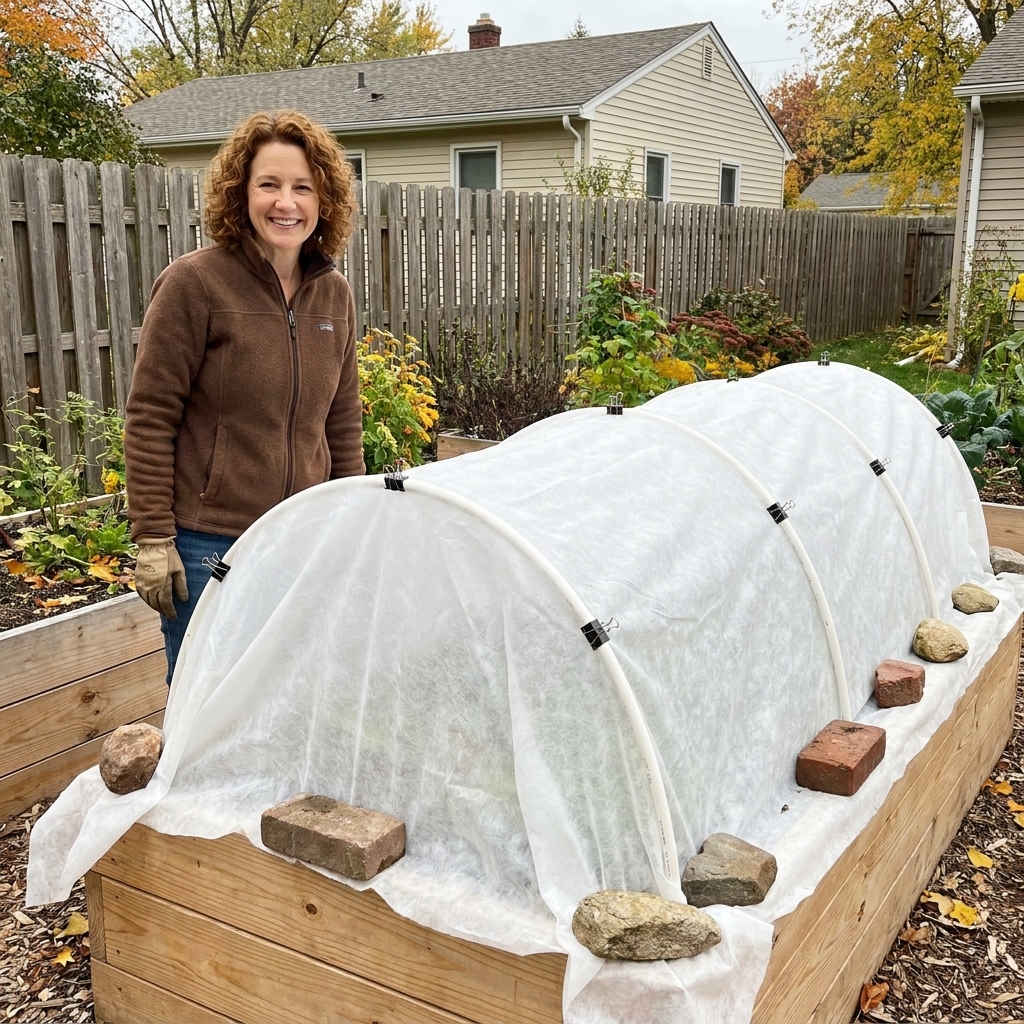
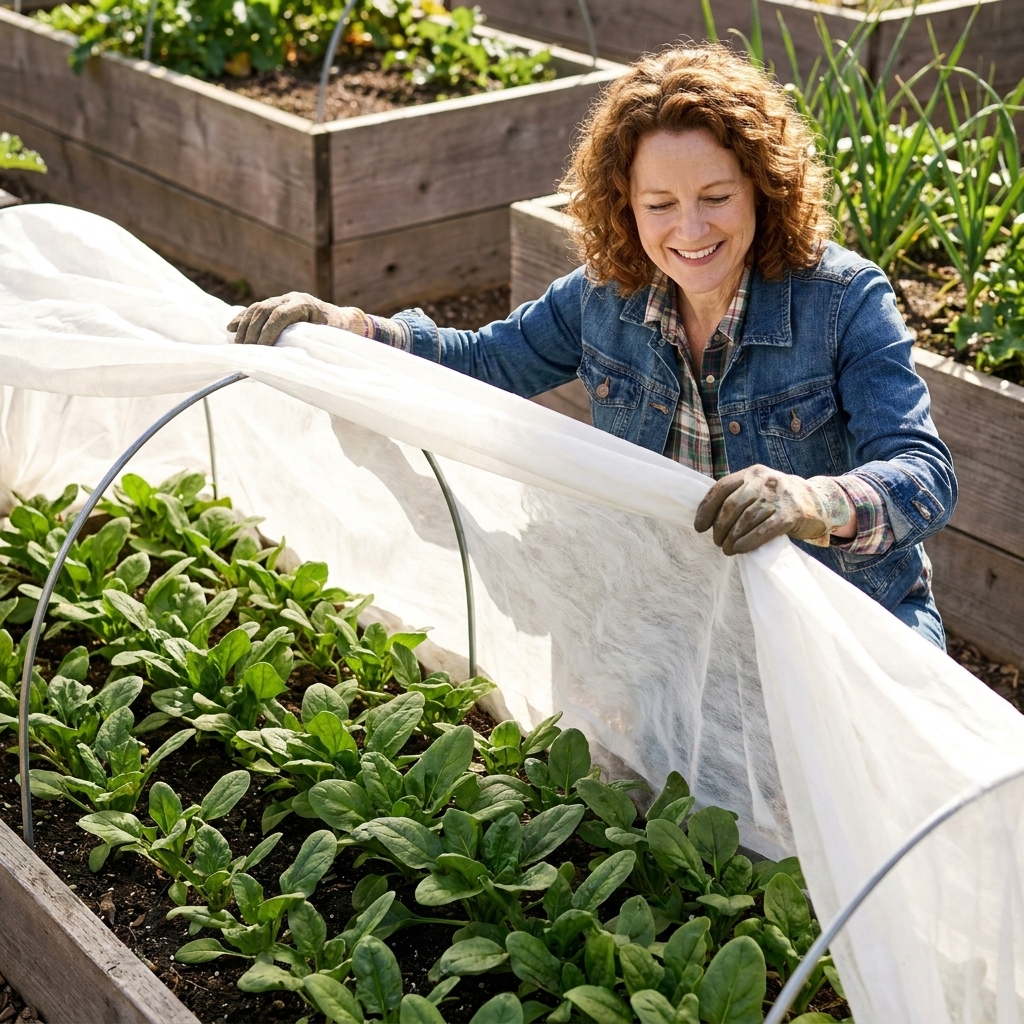
- Best setup: A low tunnel or simple hoops with frost cloth. Even one layer can bump the temperature enough to prevent leaf damage.
- Moisture: Keep soil evenly moist during germination. Spinach can be fussy about sprouting in warm late-summer soil, so watering consistently helps.
Harvest tip: Take outer leaves and let the center regrow, or cut the whole plant about an inch above the crown for a second flush.
4) Garlic
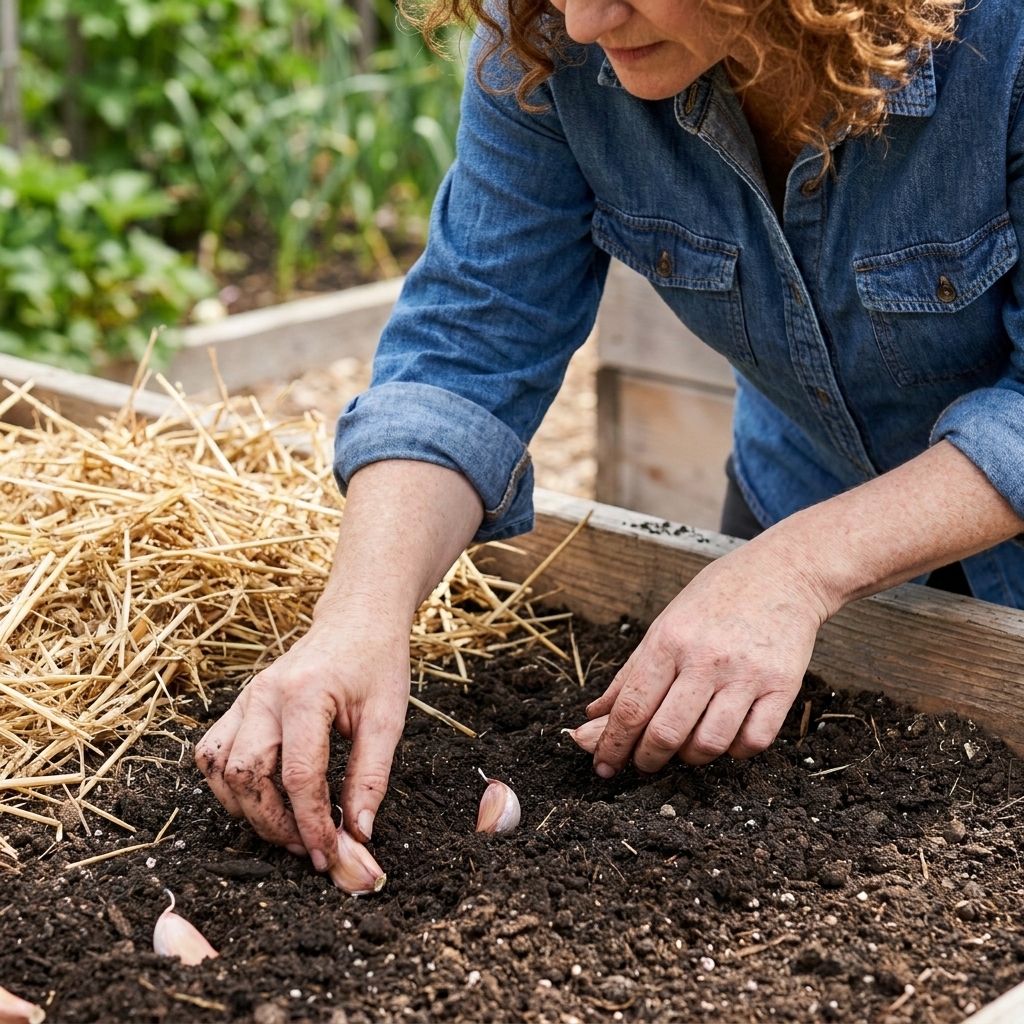
Garlic is the ultimate “plant it and forget it” winter project. You plant in fall, it sits through winter, and then it explodes into growth in spring. While the big harvest is summer, the plant overwinters beautifully and can give you a little bonus greenery along the way.
Why it belongs in a winter list
- Hardneck garlic is bred for cold winters.
- Cloves need cold exposure to form good bulbs.
- You can snip a little garlic green in late winter or early spring, but it is a snack, not a haircut.
Planting and care notes
- When to plant: Fall, before the ground freezes.
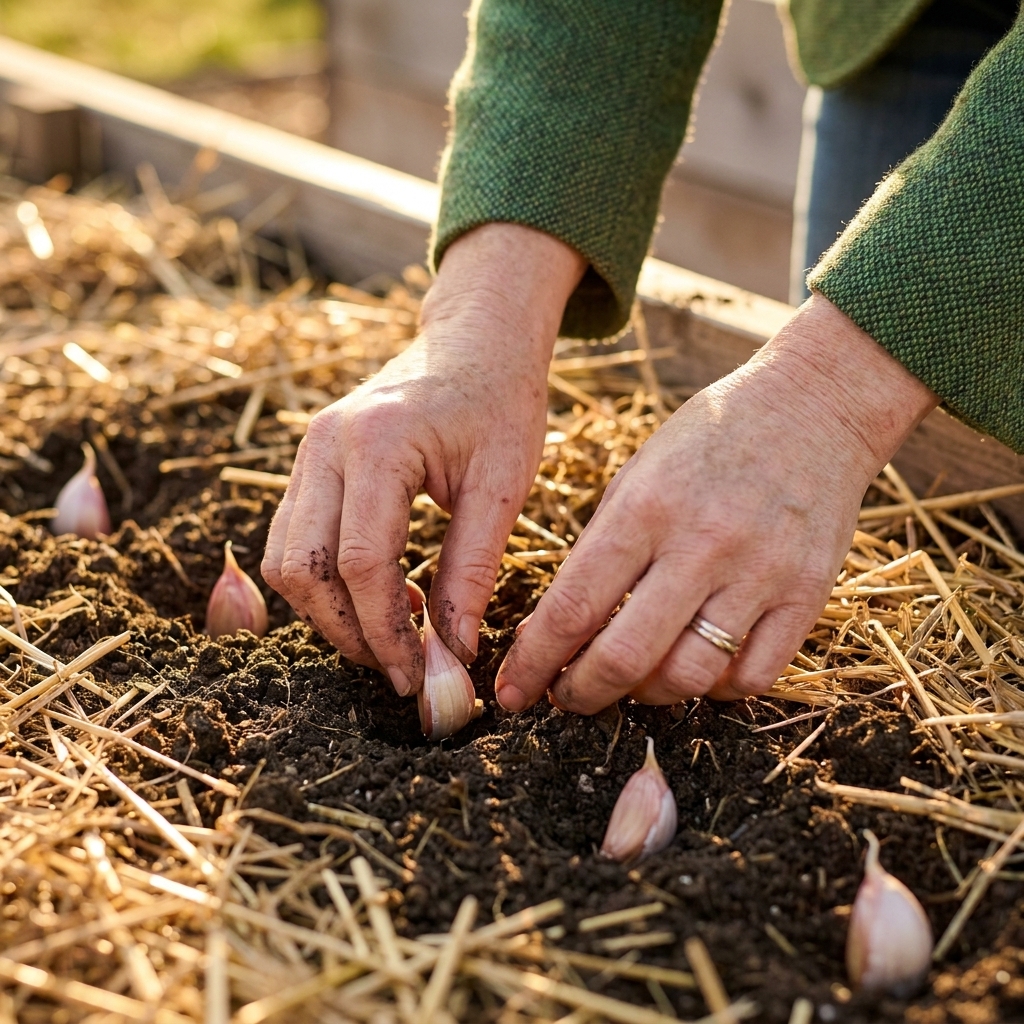
- How to plant: Individual cloves, pointy side up, about 2 inches deep.
- Mulch: 4 to 6 inches of straw or shredded leaves after planting to buffer temperature swings.
- About garlic greens: Harvest sparingly (one leaf here and there, or just a few plants) and expect that taking too much foliage can reduce bulb size.
Harvest tip: If mulch gets soggy and matted, fluff it on a dry day so the bed can breathe.
5) Leeks
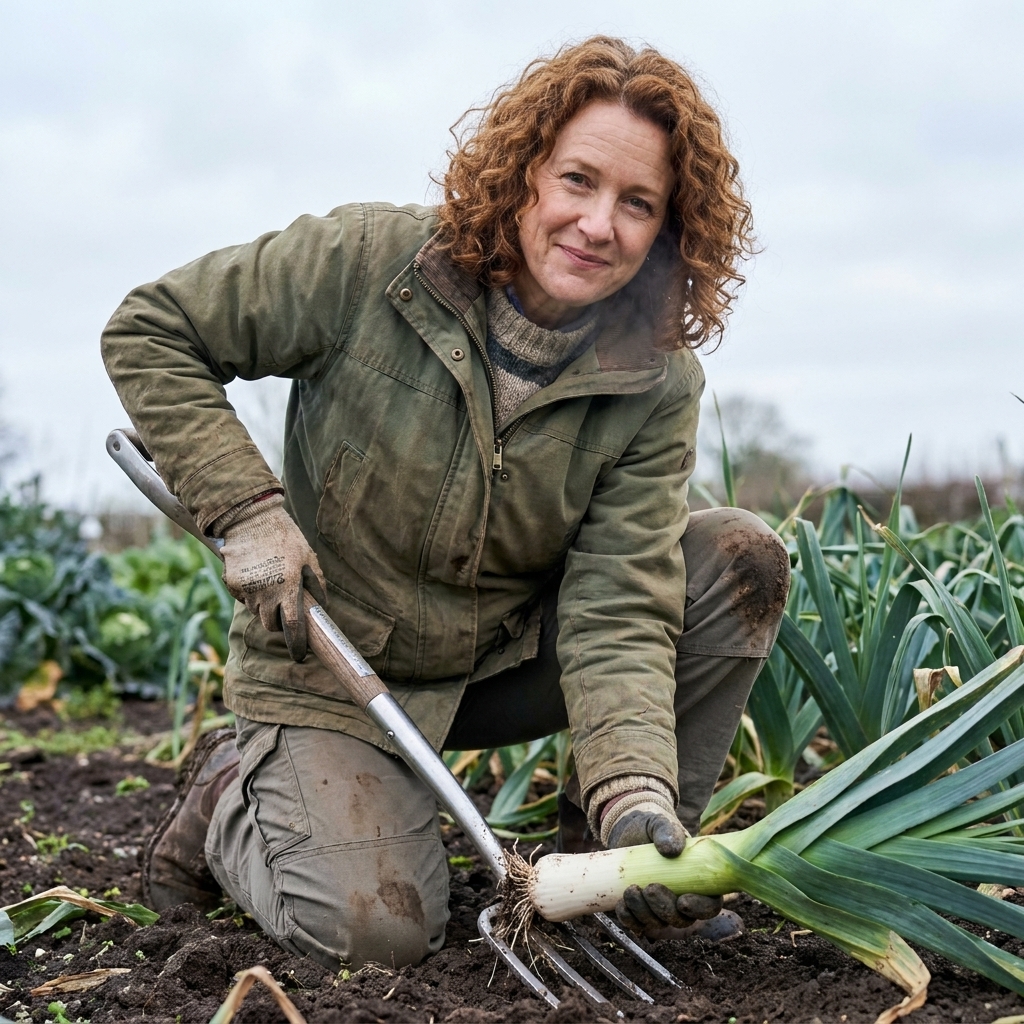
Leeks are built for cold. Once established, they handle frosty weather with an almost unfair level of confidence, and they are one of the most satisfying winter harvests because they feel like a real meal ingredient, not just a garnish.
Why they are so cold-tough
- Thick, layered leaves protect the growing point.
- They stand well in the garden for a long harvest window.
- Flavor stays sweet and mild in cool weather.
Planting and care notes
- When to plant: Start early enough to get sturdy plants by fall. Leeks are not fast.
- Hilling: Hill soil up the stems through the season to blanch them and get longer white shanks.
- Mulch: Add mulch in late fall so you can still dig them when the soil turns cold and stubborn.
Harvest tip: Use a garden fork, not a tug. Leeks root deep, and pulling can snap them or leave half in the ground.
6) Brussels sprouts
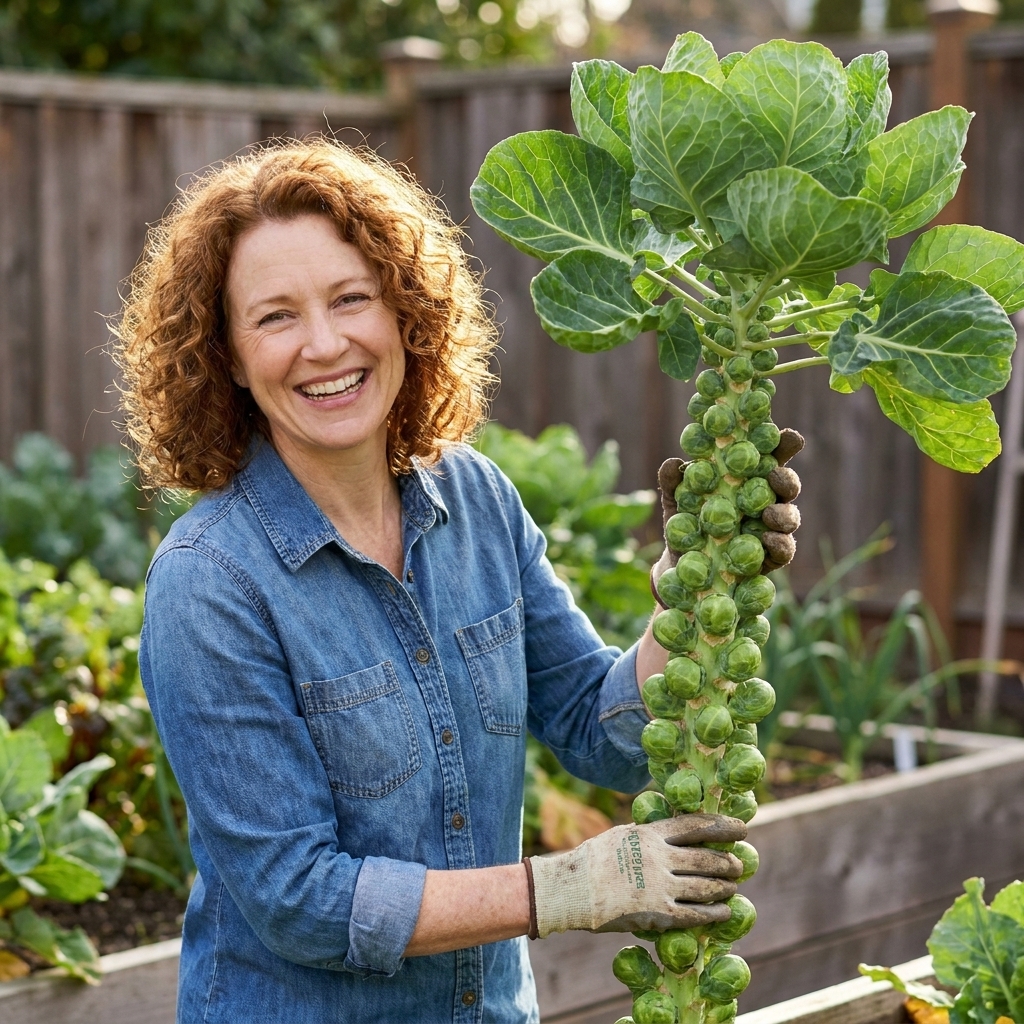
Brussels sprouts are famous for improving after frost. A few cold nights can take them from “strong cabbage flavor” to “nutty and sweet.” They do take space and time, but for winter payoff, they are worth it.
What to expect
- Plants get tall and can handle cold wind better with staking.
- Sprouts form along the stem over time, giving you a long harvest.
- Flavor often improves after a light frost.
Planting and care notes
- When to plant: Start early enough that plants are mature heading into fall.
- Support: Stake in windy areas. A snapped stalk is a heartbreak you only need once.
- Pest note: Row cover in late summer helps prevent caterpillar damage while plants are building size.
Harvest tip: Pick from the bottom up as sprouts firm. Remove yellowing lower leaves to improve airflow.
7) Radishes
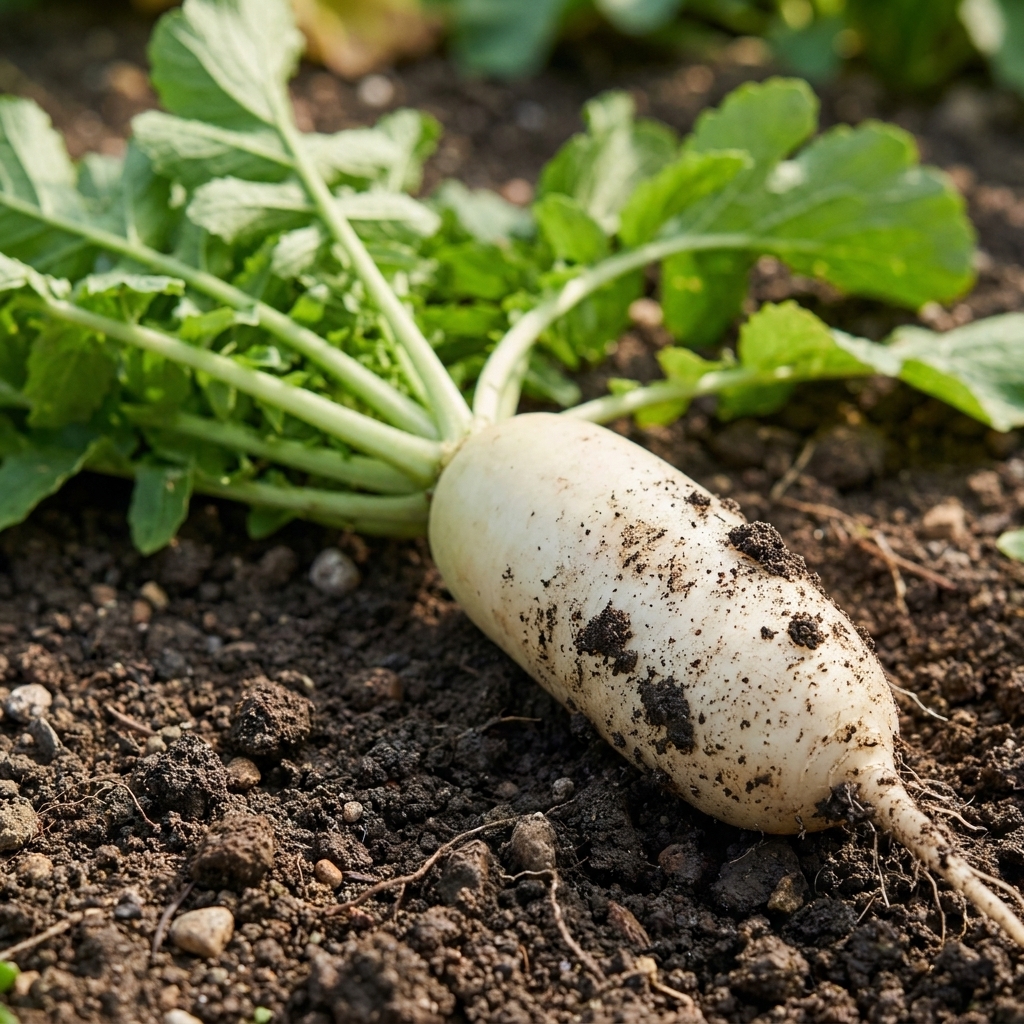
Fast radishes are great in fall, but if you want true cold-season staying power, look for winter radishes like daikon. They handle chilly conditions and give you crisp roots when you are craving something fresh and crunchy.
Why they are a good winter bet
- Quick to mature compared to many winter crops.
- Cool temps improve texture and reduce pithiness.
- Great for succession planting in fall.
Planting and care notes
- When to plant: Late summer into early fall.
- Thin seedlings: Crowded radishes stay small and can get misshapen.
- Water: Consistent moisture prevents splitting and keeps roots tender.
Harvest tip: Do not let mature radishes sit too long in warming spells, especially small spring types. Pull promptly for best bite.
8) Mache
Mache is the little green that could. It forms low rosettes, tolerates cold beautifully, and gives you tender salad leaves when most gardens are nothing but stems and good intentions.
Why I recommend it to beginners
- Handles cold better than many lettuces.
- Stays compact and easy to cover.
- Flavor is mild, nutty, and not bitter.
Planting and care notes
- When to plant: Early fall for late fall and winter harvests.
- Where to grow: Raised beds, containers, or tucked into open spaces after summer crops come out.
- Protection: A simple row cover can keep leaves cleaner and more harvestable through rough weather.
Harvest tip: Snip outer leaves for cut-and-come-again harvesting, or cut whole rosettes at the base for a quick salad bowl.
Keep harvesting in cold
You do not need a greenhouse to eat from your garden in winter. Start with these basics and adjust as your winter weather teaches you what it likes to do.
Use simple protection
- Row cover (frost cloth): The easiest upgrade. It traps a bit of warmth and blocks wind.
- Low tunnels: Hoops plus row cover or plastic. Great for spinach and salad greens.
- Mulch: Essential for roots like carrots and for making harvest possible when the topsoil wants to freeze.
- Cold frames: A small cold frame over one bed can turn winter into a salad bar.
Water before a freeze
Moist soil holds heat better than dry soil. A good watering the day before a hard freeze can help buffer temperature swings, as long as your bed drains well.
Harvest timing matters
For the best texture, harvest on a day when temperatures are above freezing and leaves are thawed. Frozen leaves can bruise easily, and you will see it quickly once they warm up.
Know your limits
In milder winter regions, you can keep beds actively producing with minimal protection. In colder zones, many crops shift from “growing” to “holding” once sustained cold and short days set in. That is still a win if your goal is steady harvests, not big new growth.
Crop pairing ideas
If you have a bed opening up after summer harvests, these combinations play nicely together:
- Spinach + mache: Two salad greens with different textures, both very cold tolerant.
- Kale + radishes: Kale grows upward while radishes fill in below.
- Garlic + spinach: Garlic overwinters while spinach fills the space and finishes earlier in spring.
- Leeks + mache: Leeks take vertical space, mache carpets the ground around them.
Common mistakes
- Planting too late: In winter, growth slows dramatically as days shorten. You want plants established before the deep cold hits.
- Skipping thinning: Crowded roots and greens stay small and struggle more under stress.
- Using plastic directly on leaves: Plastic can freeze to foliage. If you use plastic, keep it off the plants with hoops and vent it on sunny days.
- Forgetting pests still exist: Aphids, caterpillars, and slugs can hang on in fall and under covers. Row cover early is easier than battling later, and a quick slug check after mild, wet spells saves a lot of leaves.
FAQ
Do frost-tolerant vegetables survive snow?
Many do, especially kale, leeks, and mache. Snow can actually act like insulation. The bigger issue is repeated thaw-freeze cycles and wind desiccation, which is where row cover helps.
What vegetables taste sweeter after frost?
Kale and carrots are the classics, and Brussels sprouts often improve too. Cold triggers sugar buildup, which is why those post-frost harvests are so good.
Can I grow these in containers?
Yes, especially spinach, kale (dwarf types), radishes, and mache. Just know containers freeze faster than in-ground beds. Move pots to a sheltered spot, insulate them if you can, and use frost cloth on the coldest nights. In places with long stretches of hard freezing, container soil can freeze solid for extended periods, so winter harvests may be limited unless you can protect the pots heavily or move them into an unheated but sheltered space.
My encouragement
If you have ever felt that little pang of sadness when the first frost hits, let this be your permission slip to keep going. Pick one bed, choose two or three of the crops above, and add a simple row cover. Once you taste your first frost-sweetened harvest, winter stops feeling like the end of the season and starts feeling like a secret chapter most gardeners never read.