A practical, beginner-friendly tutorial for choosing safe lumber, assembling a durable raised bed, and calculating how much soil you need without overspending.
Veg Loom
October 17, 2026
By Maggie O'Connell
Galvanized Metal vs. Wood Raised Beds
Trying to choose between galvanized metal and wood raised beds? Compare cost, durability, heat, soil safety, installation, and maintenance so you can pick the best bed for your vegetables and climate.

Maggie O'Connell
Maggie O'Connell is a lifelong gardener and the voice behind Vegloom, dedicated to helping people grow their own food regardless of their yard size. With over 15 years of hands-on experience in backyard agriculture, she specializes in raised bed gardening, organic soil building, and seasonal planting calendars. When she isn't writing, Maggie can usually be found tending to her sprawling heirloom tomatoes or experimenting with new compost recipes.
Raised beds are one of those gardening upgrades that feel like cheating in the best way. Better drainage, fewer weeds, earlier spring planting, and soil you can actually manage with a shovel instead of a jackhammer. I learned that the hard way after moving into a yard that was basically a pottery studio worth of clay.
The big decision most veggie gardeners hit first is simple: galvanized metal or wood? Both can grow beautiful food. The “right” choice depends on your climate, budget, aesthetics, and how much maintenance you are willing to do five summers from now.
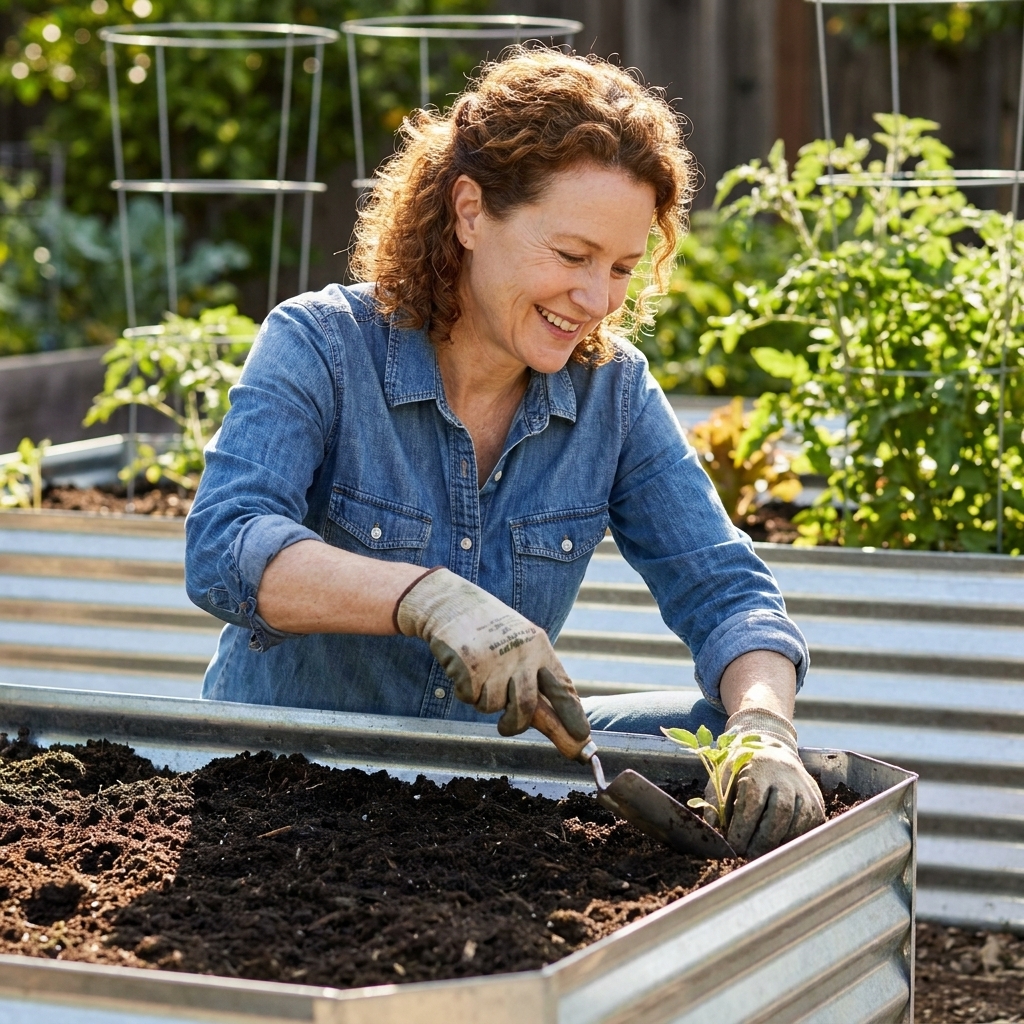
Below is the comparison I wish someone had handed me before I built my first beds, along with practical tips to avoid the most common regrets.
At-a-glance differences
- Upfront cost: Wood is often cheaper per bed if you build it yourself; metal kits can cost more but go up fast.
- Lifespan: Quality galvanized steel commonly outlasts most woods used for beds.
- Temperature: Metal heats and cools faster; wood is more insulating and steady.
- Soil safety: Both are safe when you choose the right materials and avoid a few problem products.
- Maintenance: Metal is low maintenance; wood may need replacement boards over time.
- Looks and flexibility: Wood is easy to customize; metal is clean and modern with fewer custom sizes unless you DIY.
Cost
Wood bed costs
Wood can be the budget-friendly option, especially if you are handy and can build a simple rectangle with screws. The price swings wildly depending on the species you use.
- Most affordable (shorter-lived): untreated pine or spruce. Great for testing the raised bed life, but expect a shorter lifespan.
- Mid-range: cedar or redwood. These are naturally rot-resistant and popular for a reason.
- Higher cost: thick cedar, redwood, or specialty hardwoods, especially in larger dimensions.
Hidden wood cost: replacement. If you build with a cheaper softwood, you might rebuild parts of the bed sooner than you think, particularly in wet climates or where the bed stays damp.
Metal bed costs
Galvanized metal beds are commonly sold as kits, and kits can look pricey compared to a stack of lumber. What you are buying is longevity and convenience. If you price your time at all, the gap narrows fast.
Hidden metal cost: depth and soil volume. Many metal beds are tall (which I love), but a taller bed means more soil to fill. Soil is often the most expensive part of any raised bed project, no matter the wall material.
My practical budget tip
If you are building multiple beds, consider a mixed approach: put one or two long-lived galvanized beds where you want permanence, and use wood for “experiment beds” where you might change your layout later.
Durability
How long wood beds last
Wood raised beds fail in a predictable way: rot at the soil line, especially on the inside face where moisture lingers. Lifespan depends on climate, drainage, and wood type.
- Cedar and redwood: often last many years with minimal fuss because they are naturally rot-resistant.
- Untreated pine/spruce: can be perfectly fine for several seasons, but typically will not match cedar longevity, especially if your bed stays consistently moist.
Thickness matters. A chunky 2-inch-thick board generally holds up better than thinner stock.
How long galvanized beds last
Galvanized steel is steel coated with zinc to resist corrosion. In garden conditions, good galvanized panels can last a long time. The weak points tend to be:
- scratches and cut edges where the protective coating is compromised
- hardware (bolts, corner pieces) that can rust before the panels do if the quality is low
- constantly wet contact, such as soil piled up against the outside combined with poor drainage
If you want set-it-and-forget-it, metal usually wins.
Temperature
Vegetables are surprisingly forgiving, but root temperature affects germination, growth speed, and how often you will be out there with a watering can.
Metal in heat and cold
Metal responds quickly to weather. That can be a perk in spring and a headache in the peak of summer. How big the bed is, how much sun it gets, and how much soil mass you have matters even more than the wall material.
- Spring: metal can warm earlier in some setups on sunny days, helping you get a jump on cool-season crops.
- Summer: the sides can get hot in full sun, and the soil can dry faster, especially near the edges.
- Winter: metal cools quickly at night, which can matter if you push the season with covers.
If you garden in a hot climate or an unshaded yard, plan for more consistent irrigation with metal beds. Mulch helps a lot, and so does keeping the soil surface covered with leaves or straw.
Wood as insulation
Wood is more insulating, so temperature swings are gentler. In very hot areas, that steadiness can make watering less frantic. In colder areas, wood will not magically keep soil warm, but it is generally less reactive than metal.
What I do
For metal beds in full sun, I prioritize crops that can handle a little heat at the root zone, keep the soil deeply mulched, and set up drip irrigation early. For wood beds, I still mulch, but I am less worried about the edges drying out as fast.
Soil safety
When we are growing food, it is normal to ask, “Is this material safe next to my soil?” Here is the straightforward guidance.
Is galvanized metal safe?
For home vegetable gardening, galvanized steel is a common choice and generally considered safe. The zinc coating can weather over time, and tiny amounts of zinc can end up in the soil, especially if the soil is very acidic. In practice, most vegetable beds are kept in a plant-friendly range anyway (roughly pH 6.0 to 7.0), which also helps reduce corrosion.
Two practical cautions:
- Avoid mystery metal that could have unknown coatings or contaminants.
- Be cautious with very acidic soil, which can increase corrosion. If you suspect your soil runs low, a simple pH test is worth the five minutes.
Is treated lumber safe?
Today’s pressure-treated lumber is not the same as the old stuff from decades ago. In most residential lumber now sold in the U.S. and Canada, arsenic-based preservatives (like CCA) are no longer used for typical home projects, and modern treatments are commonly copper-based (often labeled ACQ or CA). That said, plenty of vegetable gardeners still prefer to avoid treated boards for beds because untreated rot-resistant woods are readily available and the bed is in constant contact with moist soil.
If you want the safest, simplest route for food gardens, choose:
- cedar or redwood (naturally rot-resistant)
- untreated pine if budget is tight and you are OK with a shorter lifespan
Wood to avoid
Skip anything with a sketchy history or heavy-duty industrial preservatives. That includes railroad ties and any wood treated with creosote. Also be cautious with reclaimed boards that were painted or stained. “Untreated” should mean truly untreated on the soil-facing side.
Should you line the bed?
I get asked this constantly. A liner can slow wood rot by reducing constant moisture contact, but it can also trap water against the wood if drainage is poor. If you line, avoid plastic that prevents drainage. A breathable barrier is a better choice than anything that turns your bed wall into a soggy sandwich.
A bigger safety issue
A common, and often bigger, risk comes from what goes into the bed (or what is under it), not just what the walls are made of. Be picky about:
- compost sources (avoid unknown inputs)
- manure (use well-composted manure and follow waiting periods for raw manure)
- topsoil (avoid fill dirt with construction debris)
If you are gardening in an older urban yard, near a house with peeling exterior paint, or on ground with unknown history, consider testing the native soil before you commit to a big food garden.
Installation basics
The material matters, but so does how you set the bed up. A solid install prevents a lot of mid-season annoyance.
- Level the site: a bed that starts out racked will look worse every year and can bow as soil settles.
- Anchor long sides: long beds (especially tall ones) benefit from stakes, bracing, or crossbars to prevent bulging after heavy watering and a few freeze-thaw cycles.
- Place it on soil when possible: sitting directly on the ground lets roots go deeper and improves drainage. If you must place it on hardscape, make sure water can escape and plan on deeper soil.
Maintenance
Wood: small fixes add up
Wood beds are easy to repair, which is a big plus. If a board bows or softens, you can swap it out. Over the years, you may also tighten screws, replace corner braces, or add stakes to keep long sides from bulging.
Metal: fewer chores
Metal beds typically need very little maintenance. Occasionally, you may:
- tighten bolts after seasonal freeze-thaw cycles
- check for sharp edges if a panel gets bent
- touch up or protect scratched spots to reduce rust
If a panel fails, replacement parts depend on the manufacturer or your ability to source matching material.
Vegetable performance
Most vegetables will thrive in either type as long as your soil is rich, fluffy, and consistently moist. Also, many of the “performance” differences people notice are really about bed height, soil depth, and watering, not whether the wall is metal or wood.
Where metal often shines
Many galvanized beds are taller, which is a dream for deep soil and easier bending. That setup is great for:
- tomatoes (especially indeterminate varieties)
- peppers
- eggplant
- trellised cucumbers (stable sides for attaching supports)
- carrots and parsnips (deeper, rock-free root zone)
Where wood can feel forgiving
Because wood tends to moderate temperature swings a bit, it can feel steadier for crops that sulk when conditions bounce around:
- lettuce and spinach (especially in shoulder seasons)
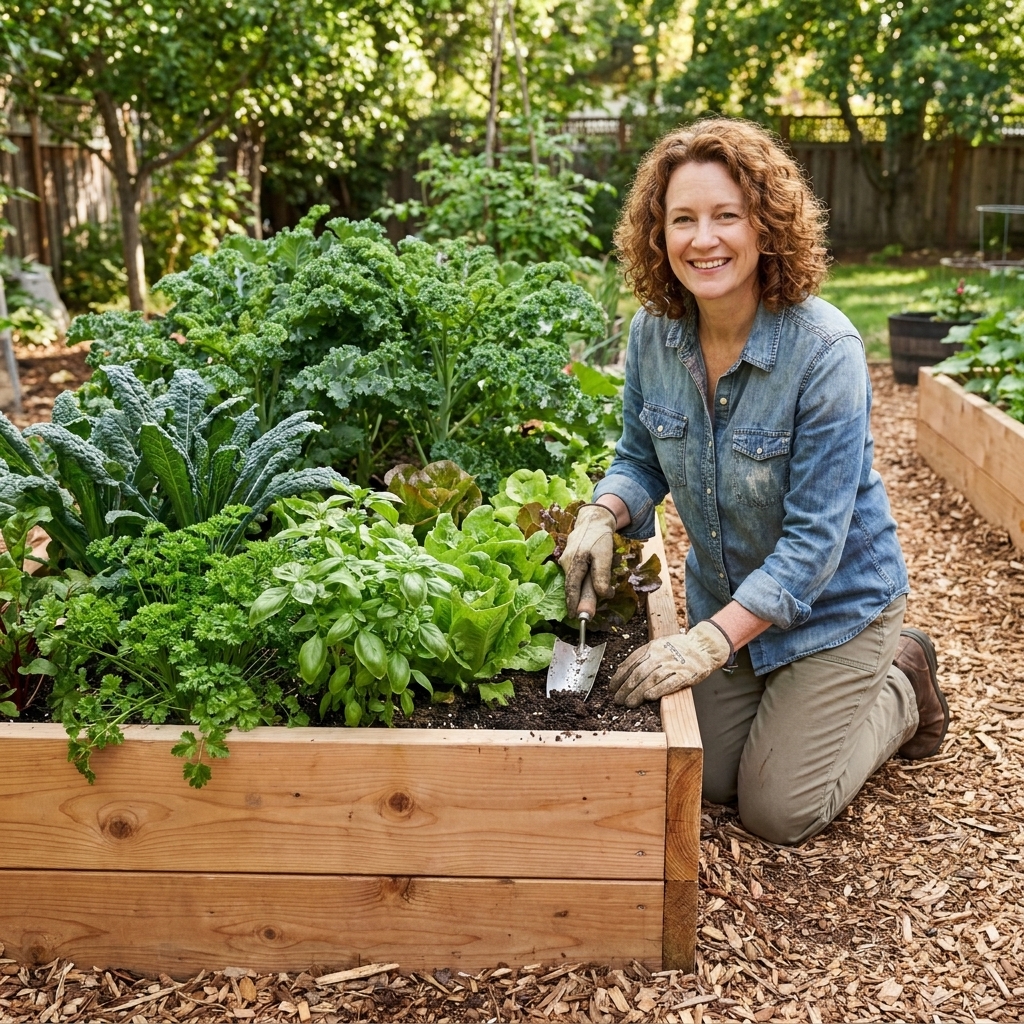
- brassicas like kale, broccoli, and cabbage
- herbs that prefer consistent moisture
Either way, soil wins
If I had to pick one “material upgrade” that matters more than wood vs. metal, it would be deep, living soil: compost, a little mineral balance, and mulch. Raised beds are just the container. The soil is the pantry.
Climate and placement
Hot, sunny climates
- Leaning wood can help with temperature stability.
- If you choose metal, plan for mulch plus drip irrigation, and consider afternoon shade.
Cool, short-season climates
- Leaning metal can help you warm soil earlier, especially with a low tunnel or frost cover.
- Wood still works beautifully, but you may rely more on season extension tools.
Wet climates
- Metal can be a strong option because you are not battling wood rot as aggressively.
- Whatever you choose, prioritize drainage: do not place beds where water pools.
Pests and microclimate
This is not a deal-breaker either way, but it is real life gardening.
- Slugs and snails: damp mulch and shady edges matter more than bed material, but wood can stay moist longer, which sometimes makes the immediate perimeter more inviting.
- Hiding gaps: some metal kits have seams or lower lips that can create little hideouts if the bed is not snug to the ground. A clean, level install helps.
- Sharp edges: metal beds should have rolled edges or caps. If they do not, fix that before kids, pets, or your own thighs find out the hard way.
Looks and customization
Gardening is practical, but it is also a place we spend time on purpose. You should like what you built.
- Wood: warm, classic, easy to match to fences and decks, simple to build in odd sizes.
- Metal: clean lines, modern look, often available in rounded or oval shapes, usually faster to assemble.
If you are the kind of gardener who constantly tweaks layout (hello, it’s me), wood’s flexibility can be appealing. If you want a permanent kitchen garden that stays put, metal can feel like a long-term investment.
Which should you choose?
Choose metal if you want:
- a long-lasting bed with low maintenance
- a taller bed for deep soil and easier bending
- quick assembly with a tidy finished look
- better odds of avoiding rot in wet climates
Choose wood if you want:
- the most customization for size and shape
- a classic look that blends into a cottage-style yard
- more temperature moderation in very hot sun
- an easy-to-repair bed using basic tools
If you are truly torn
Build one of each. I mean that sincerely. Your yard will teach you what you like: how fast things dry, how intense your afternoon sun is, and whether you enjoy building or prefer assembling. By the end of one season, you will know which one you want to expand.
Common questions
Do metal raised beds make soil too hot?
They can in full sun, especially at the edges. Deep mulch, consistent watering (drip is ideal), and a little afternoon shade if you have it usually solve the problem.
Will galvanized steel leach into the soil?
The zinc coating can weather slowly over time, and very acidic soil can speed that up. For vegetable gardening, galvanized beds are widely used. If you are concerned, focus on buying quality products and keeping soil pH in the vegetable-friendly range (roughly 6.0 to 7.0).
What is the safest wood?
Cedar and redwood are popular because they resist rot without chemical treatment. Untreated pine works too if you accept a shorter lifespan. Avoid railroad ties and creosote-treated wood around food crops.
Can I combine materials?
Absolutely. Many gardeners use metal beds for permanence and wood beds for flexible, seasonal expansion. Your garden does not have to be one-material-only to be beautiful or productive.