A dependable raised bed soil mix recipe with exact ratios, volume math, ingredient guidance, and practical tweaks for vegetables, plus what to avoid so beds ...
Veg Loom
October 17, 2026
By Maggie O'Connell
How Deep Should a Raised Bed Be?
Pick the right raised bed depth for the vegetables you want to grow. Get practical depth targets, bed height tips, critter barriers, watering advice, and soil volume math.

Maggie O'Connell
Maggie O'Connell is a lifelong gardener and the voice behind Vegloom, dedicated to helping people grow their own food regardless of their yard size. With over 15 years of hands-on experience in backyard agriculture, she specializes in raised bed gardening, organic soil building, and seasonal planting calendars. When she isn't writing, Maggie can usually be found tending to her sprawling heirloom tomatoes or experimenting with new compost recipes.
I still remember building my first raised bed on top of what can only be described as stubborn, brick-like clay. I figured, “A foot of soil ought to do it.” Then my carrots came out looking like little thumbs, and my tomatoes sulked all summer. Raised bed depth matters, not because plants are fussy (okay, some are), but because roots need a reliable zone of loose, moist soil to explore.
Let’s dial in the right depth for the vegetables you want to grow, plus what to do if your yard is shallow, rocky, or compacted underneath your bed.
Quick answer
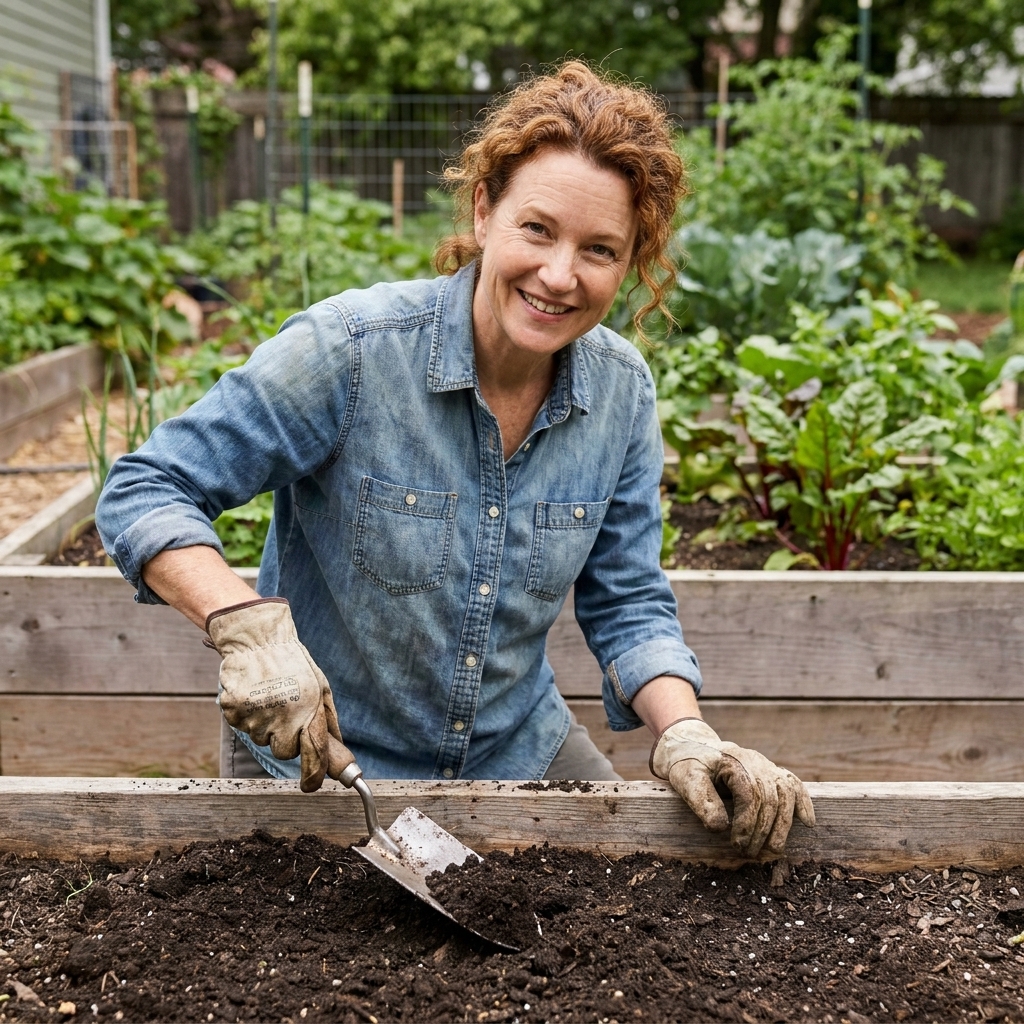
If you want one simple number that works for a big mix of crops, aim for 12 to 18 inches of total loosened growing depth.
- 12 inches is enough for many vegetables and is a great all-purpose choice if the soil underneath is workable.
- 18 inches is often the sweet spot for tomatoes, peppers, cucumbers, and fewer summer watering headaches, especially in hot or fast-drying climates.
- 24 inches is the “insurance policy” depth for long roots (carrots, parsnips) and for beds built over hard clay, compacted subsoil, or shallow rock.
Depth vs height
Your vegetables care about total loosened soil depth, not just the height of the boards.
- Bed height is how tall the frame is above ground.
- Growing depth is the full depth of loose soil roots can use, including any native soil you loosen beneath the bed.
So a bed that is 10 to 12 inches tall can still grow deeper-rooted crops if the ground beneath is decent and you loosen it before filling. But if you are building over compacted clay, shallow rock, or a barrier roots cannot penetrate, then your bed height becomes your growing depth.
Depth guide by crop
This is the combined, real-world guide: pick a depth, then see what it grows well and when it is the right choice. Think in terms of dependable, loose soil that stays workable through heat, rain, and settling.
6 to 8 inches
- Best for: lettuce, arugula, baby greens, quick radishes, shallow-rooted herbs.
- Choose this if: your native soil underneath is good and you are mostly growing short-season greens, or you are adding a low bed inside an existing garden.
- Watch out for: it dries fast in summer, and it behaves like a container if the soil below is compacted.
8 to 12 inches
- Best for: spinach (especially spring and fall), most herbs (basil, cilantro, dill, parsley), onions, garlic, strawberries, most radishes.
- Choose this if: you can loosen the ground under the bed and you are not asking it to carry heavy summer fruiting crops.
- Watch out for: long carrots and parsnips if you cannot loosen below the frame.
12 to 18 inches
- Best for: fruiting crops like peppers, eggplant, cucumbers, zucchini and summer squash, plus bush beans and peas; roots like beets and most carrots (especially if you can loosen below); brassicas like broccoli, cabbage, and cauliflower.
- Also works for: potatoes. Tubers often form in the upper 6 to 12 inches plus whatever you hill, but potatoes still appreciate a deeper, loose profile for steadier moisture.
- Choose this if: you want one bed depth that does most things well, or you are not sure how friendly the soil beneath will be.
- Watch out for: if you add a hard barrier under the bed (hardware cloth over rock or compacted ground, for example), treat this depth like the limit and expect to water more often in heat.
18 to 24+ inches
- Best for: tomatoes (often happier and steadier), long carrots, parsnips, sweet potatoes, and mixed plantings where you want fewer compromises.
- Choose this if: you are building over clay, hardpan, rocky ground, or anywhere you cannot dig much. Also choose it if you want a deeper moisture buffer and less drama in midsummer.
- Bonus: less bending and better access from the sides, especially in narrow spaces.
Weather and variety change everything, but these ranges are reliable enough for choosing a bed height and building a soil mix that stays workable.
Over clay or hardpan
This is the question I get most from new raised bed gardeners, because so many of us are building beds specifically to escape bad soil.
If you can dig a little
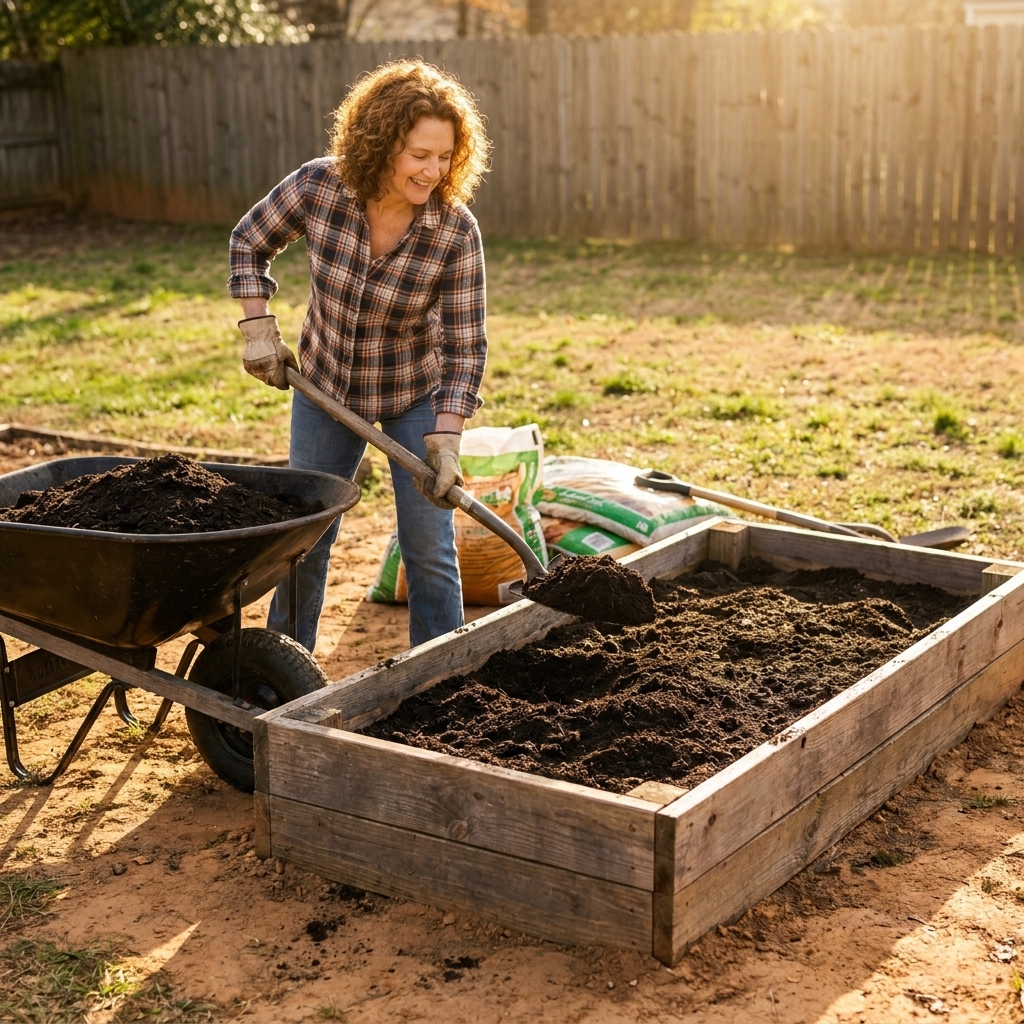
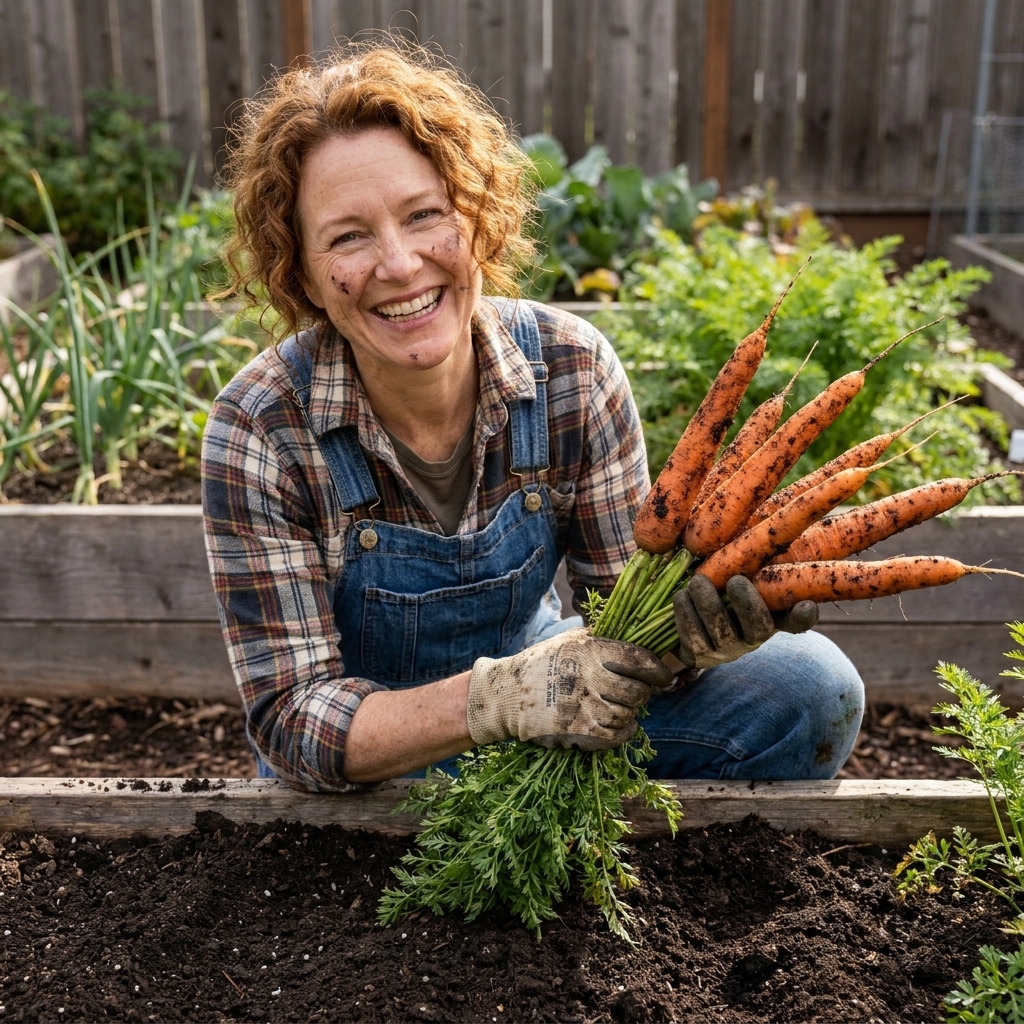
Before you fill, take 15 to 30 minutes per bed and rough up the ground underneath.
- Remove grass and weeds.
- Use a digging fork to loosen 6 to 12 inches deep. You do not have to flip perfect soil. Just crack it open.
- Mix a light layer of compost into the top few inches of native soil.
This alone can make a 12-inch bed behave like a deeper root zone, because roots have somewhere to go once they reach the bottom of the frame.
If you cannot dig
If roots will not be able to penetrate below the bed (because of rock, compaction, hardware cloth, or mobility needs), choose 18 to 24 inches for vegetables that like more room.
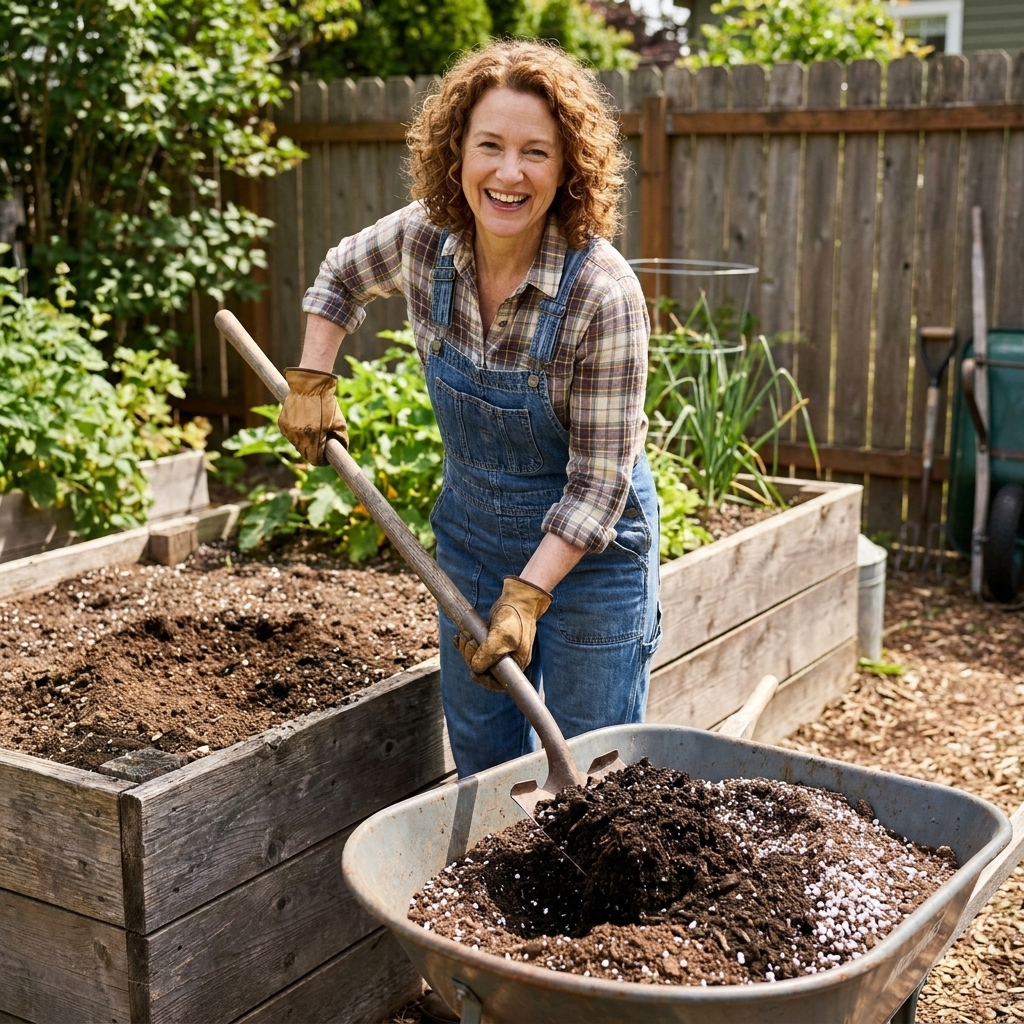
Also, prioritize a soil blend that stays airy. Dense mixes shrink and tighten over time, which effectively steals depth from your plants.
Liners and critter mesh
One question that always shows up right after “Do raised beds need a bottom?” is what to put under them.
Hardware cloth for gophers and voles
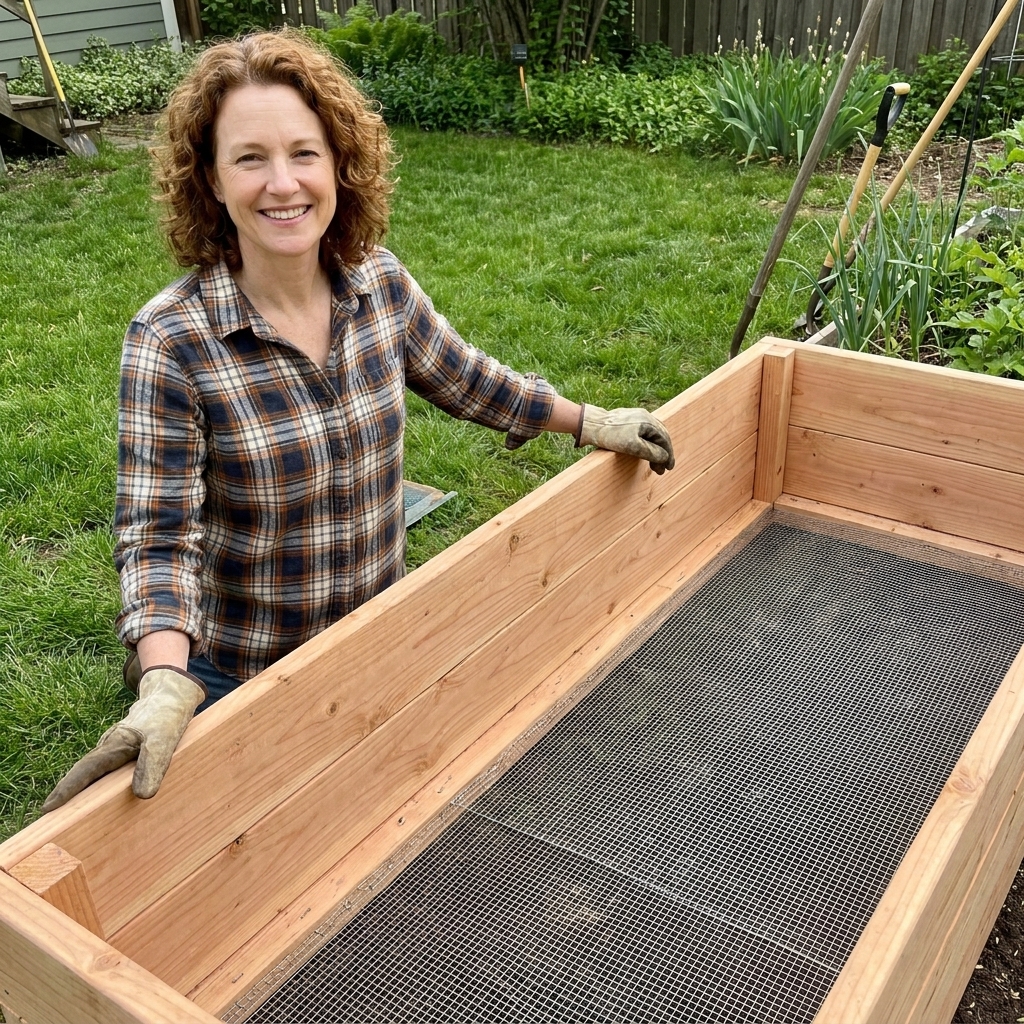
If you have gophers, voles, or other digging pests, a layer of hardware cloth stapled to the bottom of the frame can save your harvest. Use a small mesh size (often 1/2 inch is recommended; smaller can be even better for young rodents) and make sure seams overlap.
The tradeoff is simple: it protects crops, but it can limit the escape route for deeper roots. In most setups, drainage is still fine, but hardware cloth may slow water movement into the soil below if the interface gets tight or clogged over time. If you add hardware cloth, it is another good reason to build a bit taller for deep-rooted crops.
Weed barriers
For most beds, a layer of cardboard under the bed is enough to smother grass and annual weeds while still letting water through. Just know it is temporary, and aggressive perennials like bindweed or bermuda grass may still need ongoing management around the edges.
Landscape fabric
Landscape fabric is tricky under a vegetable bed. Roots can push through some fabrics, but performance varies, and many fabrics clog with fine soil over time and create a stubborn layer where water and roots behave oddly. If you need a starter weed barrier, cardboard is usually the cleaner, simpler option.
Soil math and settling
Raised beds eat soil because you are filling a big volume and then watching it settle. Here is a simple way to estimate what you need.
Quick soil math
- Cubic feet = bed length (ft) × bed width (ft) × bed soil depth (ft)
- Cubic yards = cubic feet ÷ 27
Example: a 4 × 8 bed filled to 12 inches (1 foot) needs about 32 cubic feet of soil, which is about 1.2 cubic yards. If you fill to 18 inches, you are at about 48 cubic feet (about 1.8 cubic yards).
Because fresh mixes settle, I like to fill beds a couple inches high and plan to top off after a few weeks or after the first big rain.
Watering and mulch
If you are trying to avoid building an extremely tall bed, your best helpers are boring and effective: steady irrigation and mulch.
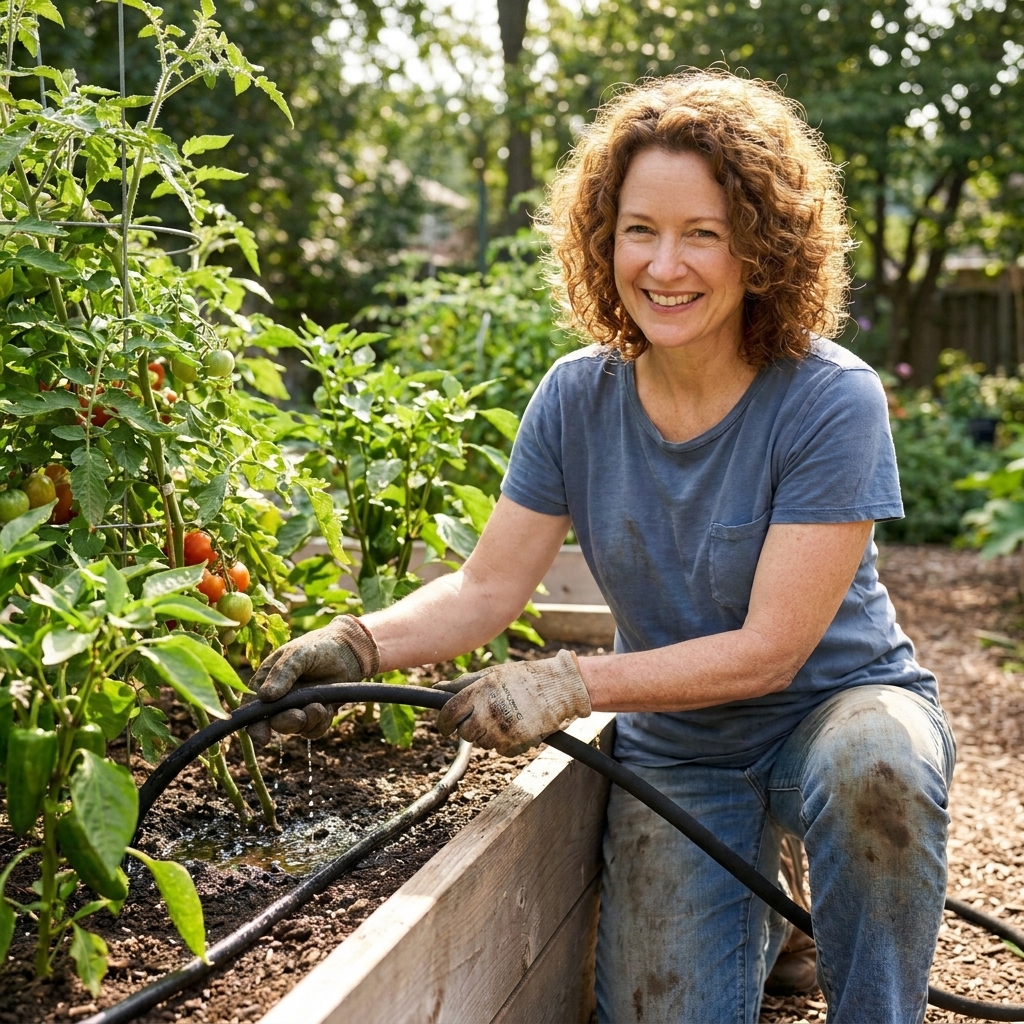
- A simple drip line or soaker hose helps keep the root zone consistently moist, especially in a 10 to 12 inch bed.
- A 2 to 3 inch layer of straw, shredded leaves, or untreated grass clippings can reduce evaporation and smooth out the wet to dry swings that make shallow beds feel stressful.
Depth still matters, but in hot climates, good mulch and regular watering can make a moderate-depth bed perform like a deeper one.
Other basics
Depth is only one piece of the raised bed puzzle. Two reminders from the school of hard knocks:
Bed width
- 3 to 4 feet wide is the sweet spot for most gardeners. You can reach the middle without stepping on the soil.
- Stepping in the bed compacts soil and effectively reduces usable root depth.
Fluffy soil acts deeper
A bed can be 18 inches tall and still perform like a shallow bed if the mix collapses into a dense, waterlogged layer. In general, you want soil that:
- crumbles in your hand instead of forming a brick
- drains well but does not dry out instantly
- contains plenty of organic matter for structure
Mistakes to avoid
- Using landscape fabric as a full bottom liner: it can clog over time and create an interface that changes how water and roots move. Cardboard is usually enough to start.
- Filling with mostly topsoil: many bagged “topsoils” compact quickly. Mix in quality compost and a structure-building component (like aged pine fines where appropriate) so it stays airy.
- Underestimating settling: fresh soil mixes settle a lot. Fill beds a few inches high, then top off after a few weeks.
- Overwatering shallow beds: shallow root zones swing from soggy to dry fast. Water slowly and deeply when you can, and mulch the surface.
Bottom line
If you want the most flexibility, build for 12 to 18 inches of loosened growing depth, and go taller when the soil under the bed is rough or your favorite crops need more room. Once your bed depth matches your garden goals, everything from watering to fertilizing gets easier.
And if your soil underneath is the kind that laughs at shovels, you have my full sympathy. Go taller, keep building organic matter, and remember: every season you garden, that soil gets a little more workable.