Find your first and last frost dates, then map them to exact weeks for starting seeds indoors, direct sowing outside, and transplanting vegetables with confi...
Veg Loom
October 17, 2026
By Maggie O'Connell
Month-by-Month Vegetable Planting Checklist
A year-round, month-by-month checklist for vegetable gardeners: what to start from seed, what to transplant, and what to prep so your beds stay productive in every season.

Maggie O'Connell
Maggie O'Connell is a lifelong gardener and the voice behind Vegloom, dedicated to helping people grow their own food regardless of their yard size. With over 15 years of hands-on experience in backyard agriculture, she specializes in raised bed gardening, organic soil building, and seasonal planting calendars. When she isn't writing, Maggie can usually be found tending to her sprawling heirloom tomatoes or experimenting with new compost recipes.
I grew up snapping green beans on my grandmother’s porch, and I swear that steady, seasonal rhythm is what made gardening feel like home. Years later, when I bought a place with dense clay that laughed at my shovel, I learned the magic of raised beds and good compost. This checklist is the planting rhythm I wish I had back then.
One important truth before we jump in: planting dates are not really about the calendar. They are about your last frost, first frost, and soil temperature. Use this month-by-month list as your “what to do next” guide, then slide it a few weeks earlier or later to match your climate.
Quick note on seasons: This checklist is written with Northern Hemisphere seasons in mind. If you are in the Southern Hemisphere, treat this as a mirror: swap spring and fall guidance by about six months and still anchor everything to your local frost dates and soil temperatures.
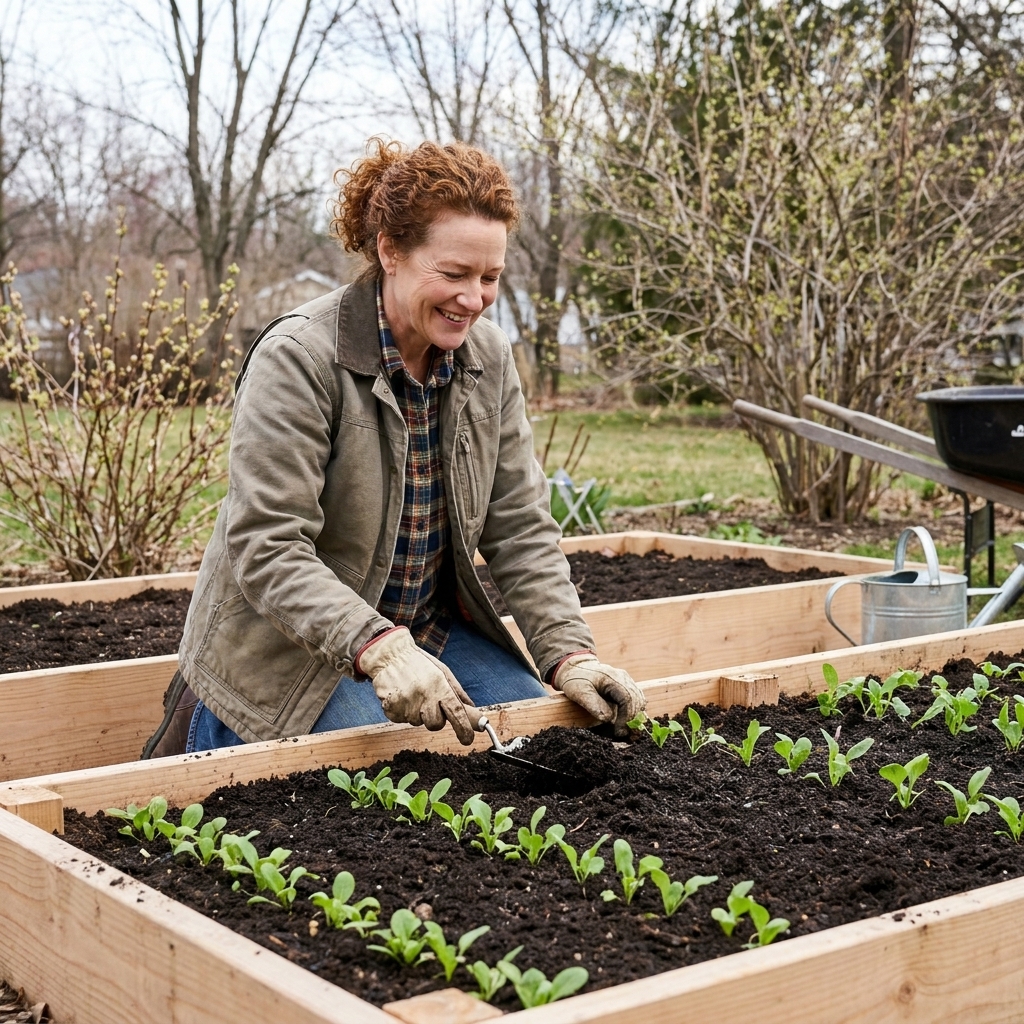
How to use this checklist anywhere
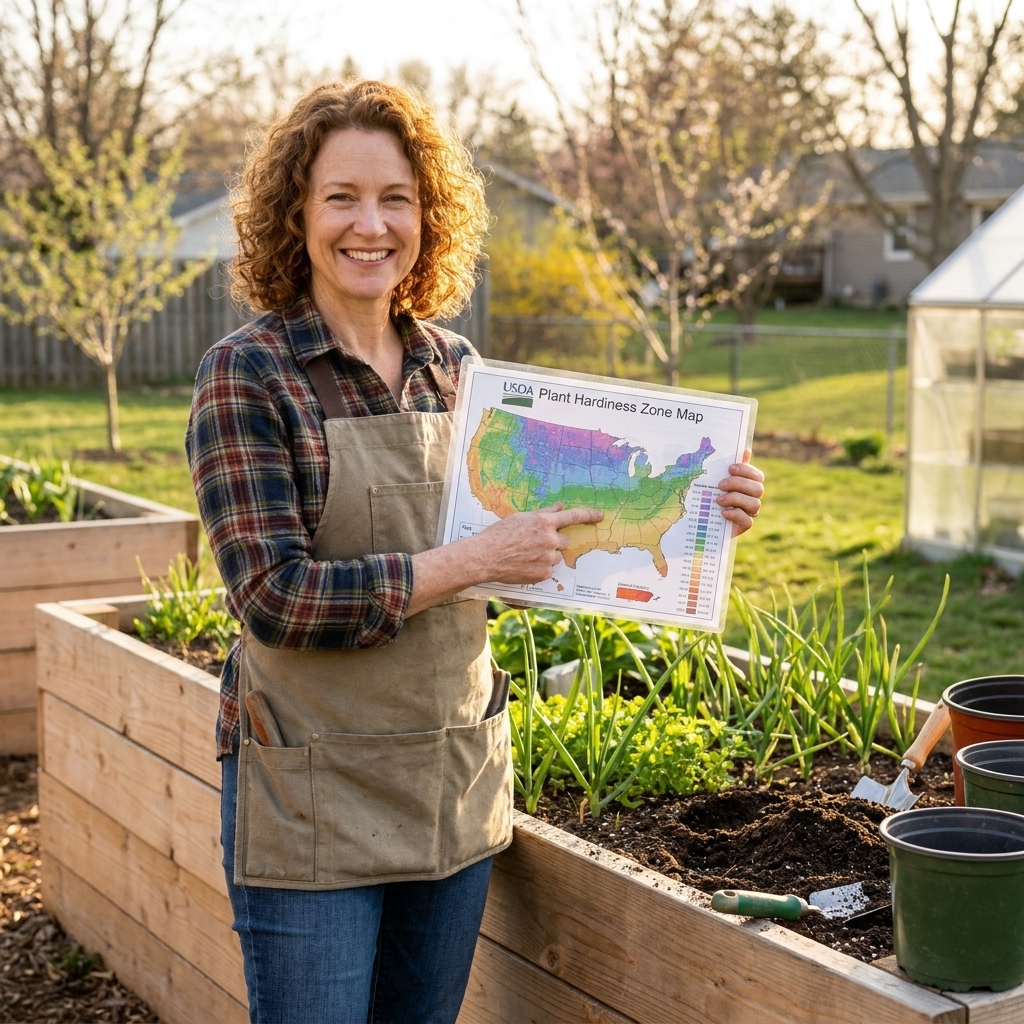
Know your frost dates
If you only do one planning step all year, make it this one. Find your average last spring frost and first fall frost, then use them like bookends.
- Count backward from last frost for indoor seed-starting timelines (like “start indoors 6 to 8 weeks before last frost”).
- Count forward from last frost for most outdoor planting and heat-loving crops.
- Cool-season crops (peas, lettuce, spinach, brassicas) like soil that is cool and steady.
- Warm-season crops (tomatoes, peppers, cucumbers, beans, squash) want warm nights and warm soil.
Climate translation
- Cold-winter climates: January to March is mostly planning and indoor starts. Your big outdoor sprint is often May to June.
- Temperate climates: You can often plant something outdoors in many months, especially with row cover. Daylength and soil temps still set the pace.
- Mild-winter climates: Your winter garden is very real. Summer becomes the tricky season because of heat stress.
Microclimates matter
Even within the same town, timing can shift. Elevated yards warm later. Urban heat islands warm earlier. Coastal gardens can stay cooler longer. If your garden “acts weird,” trust your local conditions and let frost dates and soil temperature win over the calendar.
Three actions you will see every month
- Sow: Direct sow outdoors or start seeds indoors.
- Transplant: Move seedlings into beds or containers.
- Prep: Soil building, bed turnover, trellises, and pest prevention.
January
January is quiet outside for many of us, but it is busy in the best way: dreaming, planning, and setting yourself up for a smoother spring.
Sow
- Indoors (early starters): onions from seed, leeks, celery (these are slow and worth starting early).
- Microgreens indoors: radish, broccoli, pea shoots, sunflower shoots.
Transplant
- Mild-winter climates: transplant lettuce, kale, chard, and brassica starts into open beds if you have frost protection.
Prep
- Inventory seeds and check dates. Old pepper seed can be especially finicky.
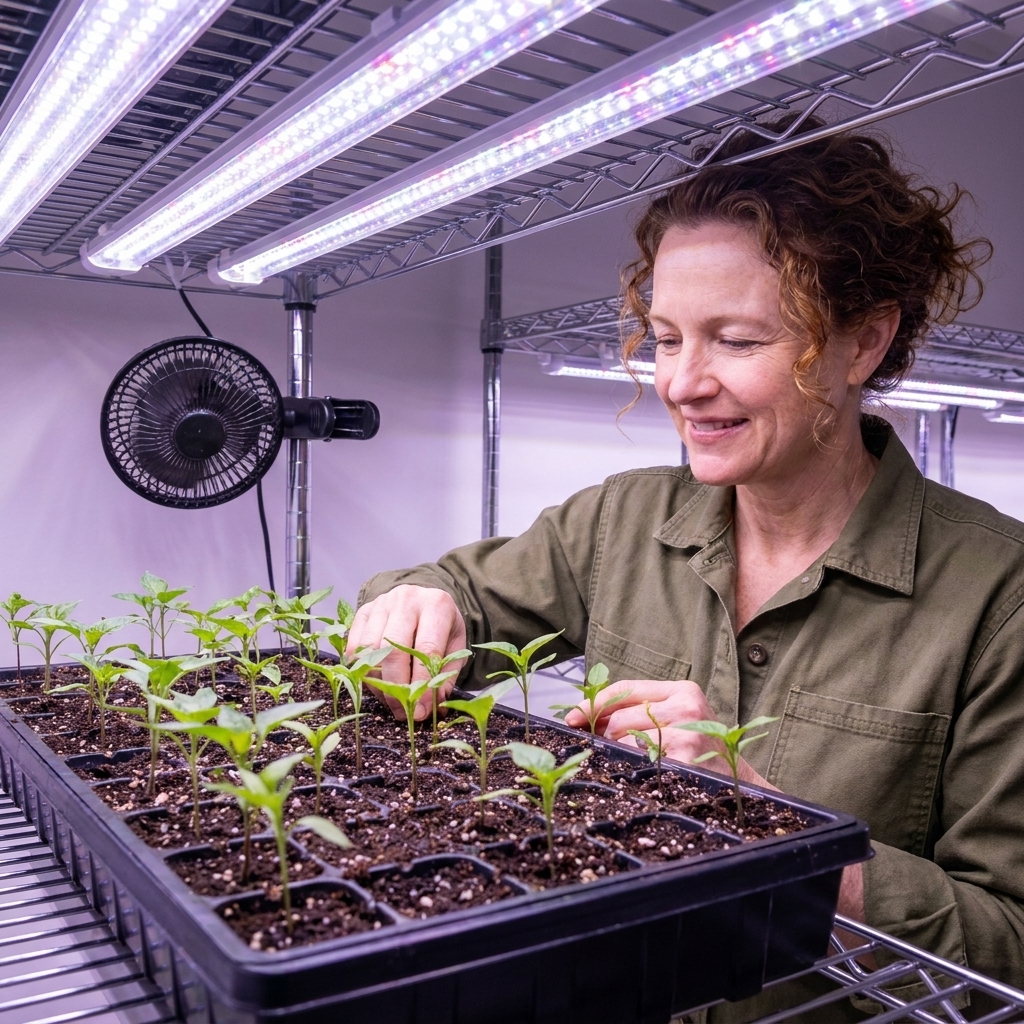
- Clean seed-starting trays and lights.
- Sketch your beds and rotate plant families (more on that below).
- Order compost, soil mix, or bulk amendments early for easier scheduling and better availability before the spring rush.
February
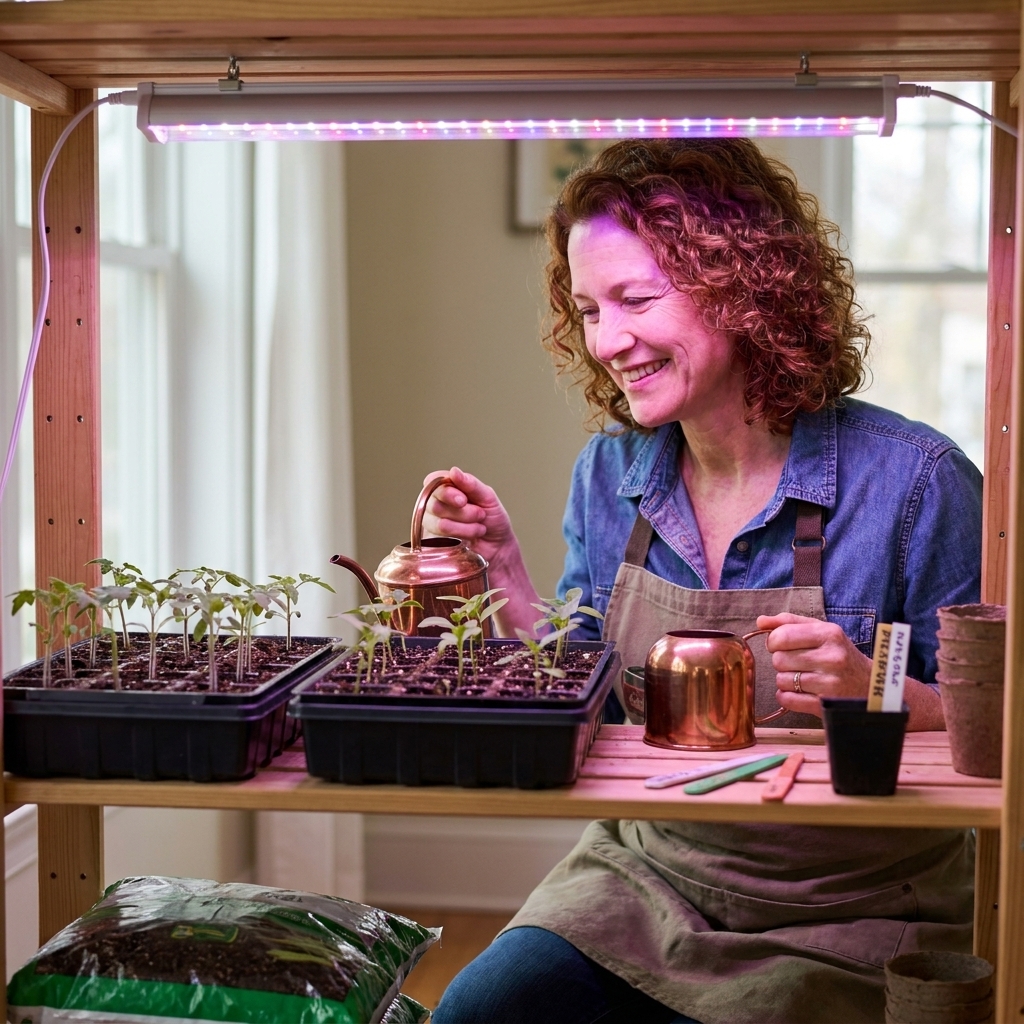
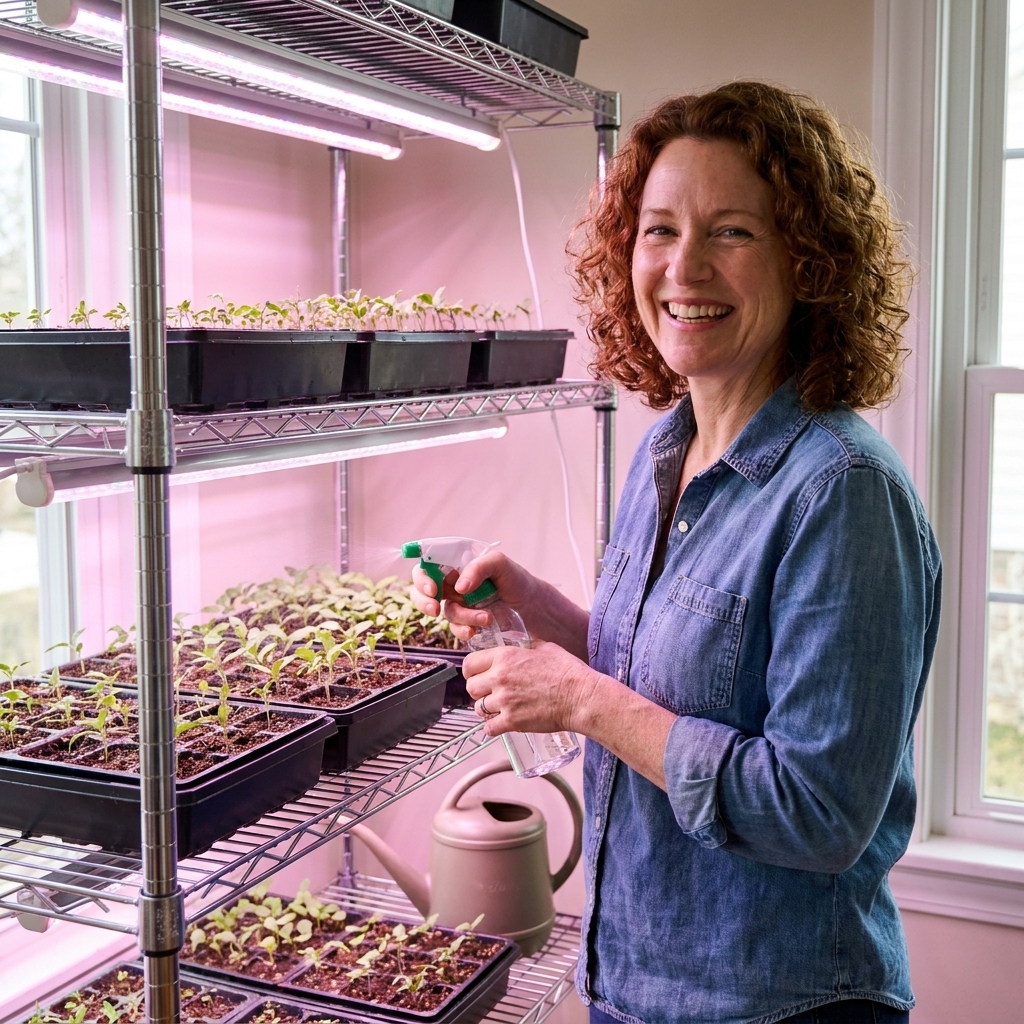
February is when I start feeling the tug to do something real. Even if snow is still on the ground, seedlings on a shelf are a little promise.
Sow
- Indoors: peppers, eggplant (slow growers), onions and leeks if you did not start in January.
- Late month indoors: early tomatoes in colder climates, brassicas (broccoli, cabbage, cauliflower) if you will transplant early spring.
Transplant
- Mild-winter climates: transplant lettuce and brassicas; direct sow peas where soil is workable (peas generally prefer to be sown in place).
- Mild-winter climates: plant potatoes late month where soil is workable.
Prep
- Test garden soil if you have not in a while, especially in-ground beds.
- Start warming a bed under black plastic or landscape fabric if you are eager for early sowing. Keep an eye on sunny days so the soil does not overheat, and remove it before planting time. If you want a non-contact option, try clear plastic on hoops for a short stretch.
- Set up a simple frost plan: row cover, hoops, or even old sheets for emergencies.
March
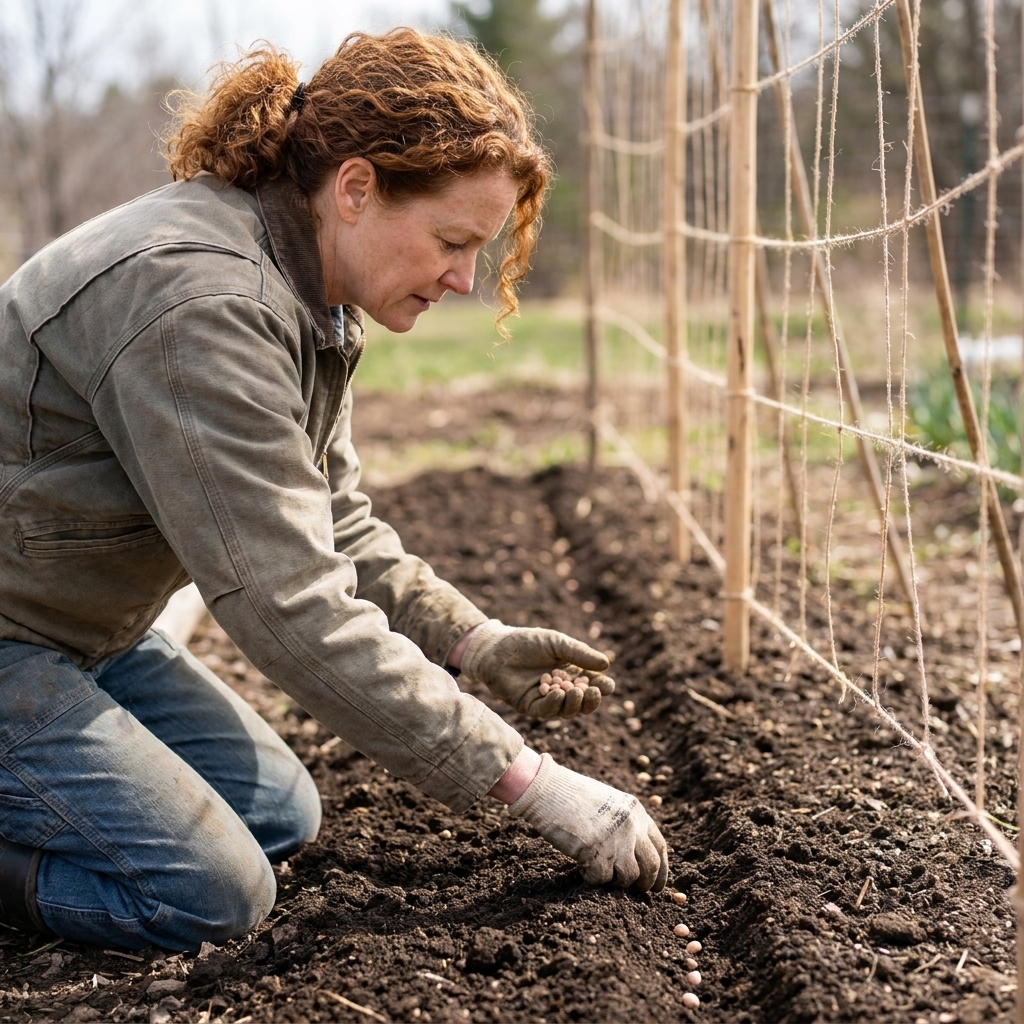
March is “go time” for cool-season vegetables. If your soil is workable, you can get real food going now.
Sow
- Direct sow (as soon as soil can be worked): peas, spinach, radishes, carrots, turnips, beets, arugula, cilantro.
- Indoors: tomatoes (many climates), basil, more brassicas for staggered harvests.
Transplant
- Transplant hardened-off brassicas (broccoli, cabbage) if your nights are not brutal.
- Set out onion seedlings or onion sets.
Prep
- Top-dress beds with compost and gently rake it in.
- Put up trellises now for peas so you are not wrestling them later.
- Start slug prevention early if your garden is damp and shady.
April
April is a classic split month. Cool-season crops are thriving, and warm-season crops are pacing in the wings.
Sow
- Direct sow: more carrots, beets, radishes, salad greens, dill, parsley.
- Direct sow (warmer areas or late month): beans when soil is at least about 60°F (16°C). Cucumbers and squash only when soil is warmer, often 70°F (21°C) or more, and nights are consistently mild.
- Indoors: cucumbers, melons, squash (short lead time), more basil.
Transplant
- Transplant lettuce, chard, kale.
- Plant potatoes in many regions.
Prep
- Harden off seedlings gradually (wind and sun can shock them fast).
- Set up drip irrigation or soaker hoses before beds fill in.
- Mulch cool-season beds lightly to hold moisture and reduce weeds.
May
May is the month that tests patience. The temptation is to plant tomatoes early. I have done it. I have regretted it. Wait for warm nights and warm soil whenever you can.
Sow
- Direct sow: beans, corn, cucumbers, zucchini, summer squash, pumpkins (when soil is truly warm).
- Succession sow: more carrots and beets; more basil every few weeks for steady pesto.
Transplant
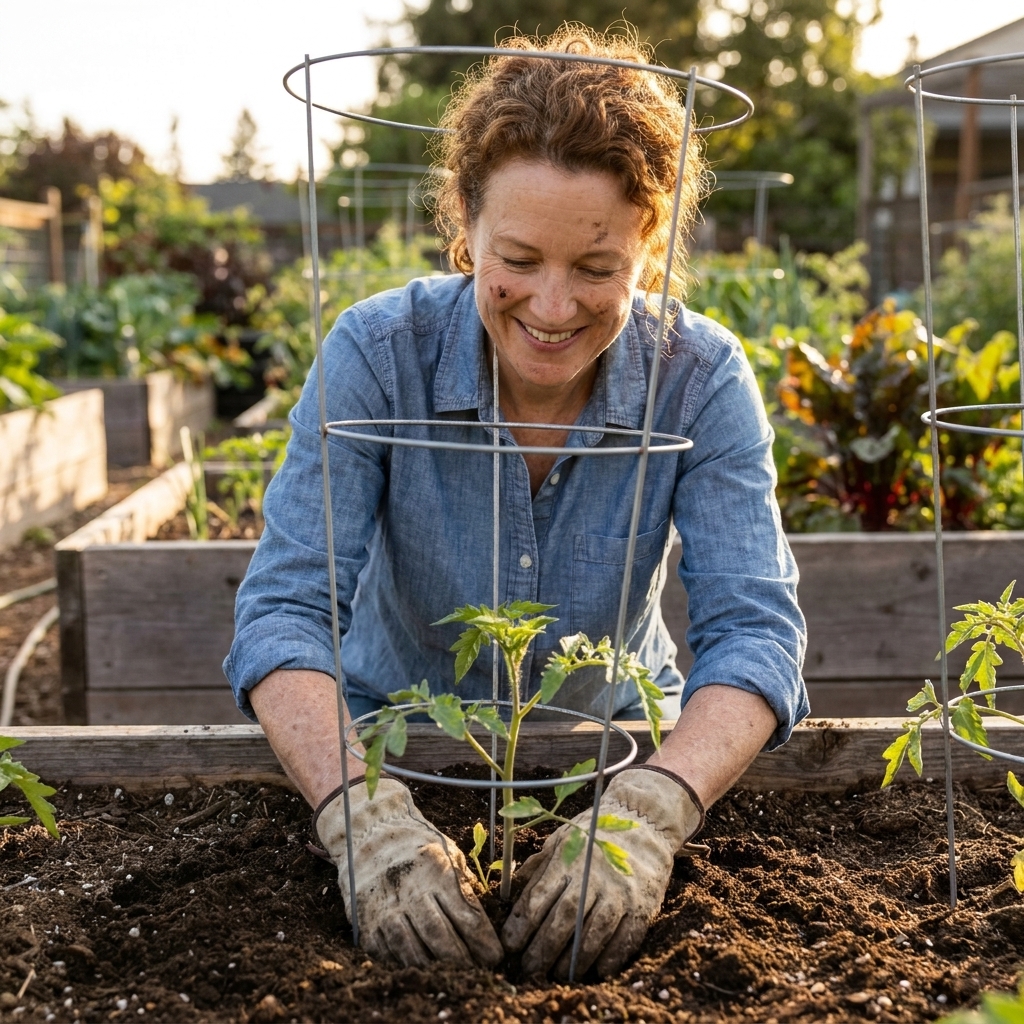
- Transplant tomatoes, peppers, eggplant after your last frost and once nights are reliably above about 50°F (10°C) for best growth.
- Transplant cucumbers and squash starts carefully. They hate root disturbance, so go gentle.
Prep
- Stake or cage tomatoes at planting time.
- Add a thick mulch layer after the soil warms to reduce water stress.
- Start pest scouting weekly: check the underside of leaves for eggs and early infestations.
June
June is about momentum. If May was planting, June is training vines, keeping up with watering, and filling gaps.
Sow
- Direct sow: more beans for succession harvest, more cucumbers if earlier ones struggled, basil, cilantro in partial shade.
- Heat-tolerant greens: New Zealand spinach or malabar spinach where summers are hot.
Transplant
- Transplant sweet potato slips in warm regions.
- Fill empty spots with quick growers: bush beans, basil, or lettuce in shade.
Prep
- Keep trellised crops tied up loosely. Little and often beats wrestling later.
- Side-dress heavy feeders (tomatoes, squash, corn) with compost or an organic balanced fertilizer.
- Prune tomato suckers if you grow indeterminate varieties and want better airflow.
July
July can be wonderfully abundant and a little chaotic. It is also when you start the fall garden, which is the secret to feeling like a gardening wizard.
Sow
- Direct sow (for fall): carrots, beets, bush beans (early July), dill, cilantro (shade helps), rutabaga in cooler climates.
- Start indoors or in shade (for fall transplants): broccoli, cabbage, cauliflower, kale.
Transplant
- Transplant basil into larger containers if it is stalling in the heat.
Prep
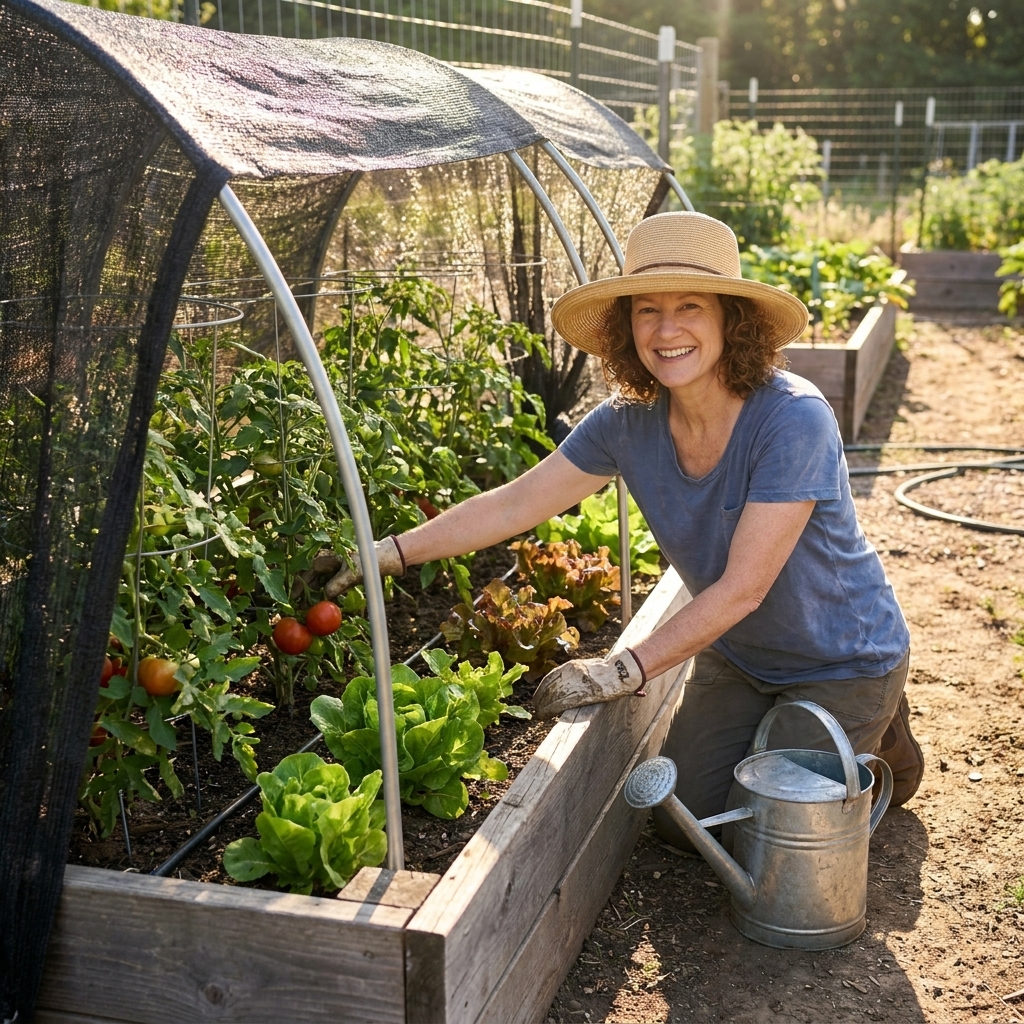
- Protect seedlings from heat: shade cloth, light row cover, or even an upside-down crate for afternoon sun.
- Harvest consistently. Overgrown zucchini is basically a garden prank you played on yourself.
- Watch for blossom end rot on tomatoes and peppers. It is most often tied to inconsistent moisture and water stress, which disrupts calcium uptake in the plant even when soil calcium is fine. Root damage, high salts, and fast growth swings can contribute too, so aim for steady watering and gentle roots.
August
August is prime fall-garden month. I treat it like a second spring, especially for leafy greens and brassicas.
Sow
- Direct sow: carrots, beets, turnips, radishes, bush beans (early August in many areas), Swiss chard.
- Direct sow (cooler nights help): lettuce, spinach, arugula late month in many climates.
- Start indoors: lettuce and spinach if outdoor germination is poor in heat.
Transplant
- Transplant fall brassicas (broccoli, cabbage, kale) into beds.
- Transplant lettuce starts for a head start on fall salads.
Prep
- Clear spent crops and immediately replant. Bare soil is lost time and invites weeds.
- Refresh beds with a compost top-dress before fall transplants go in.
- Plan row cover now for moths on brassicas and early frosts later.
September
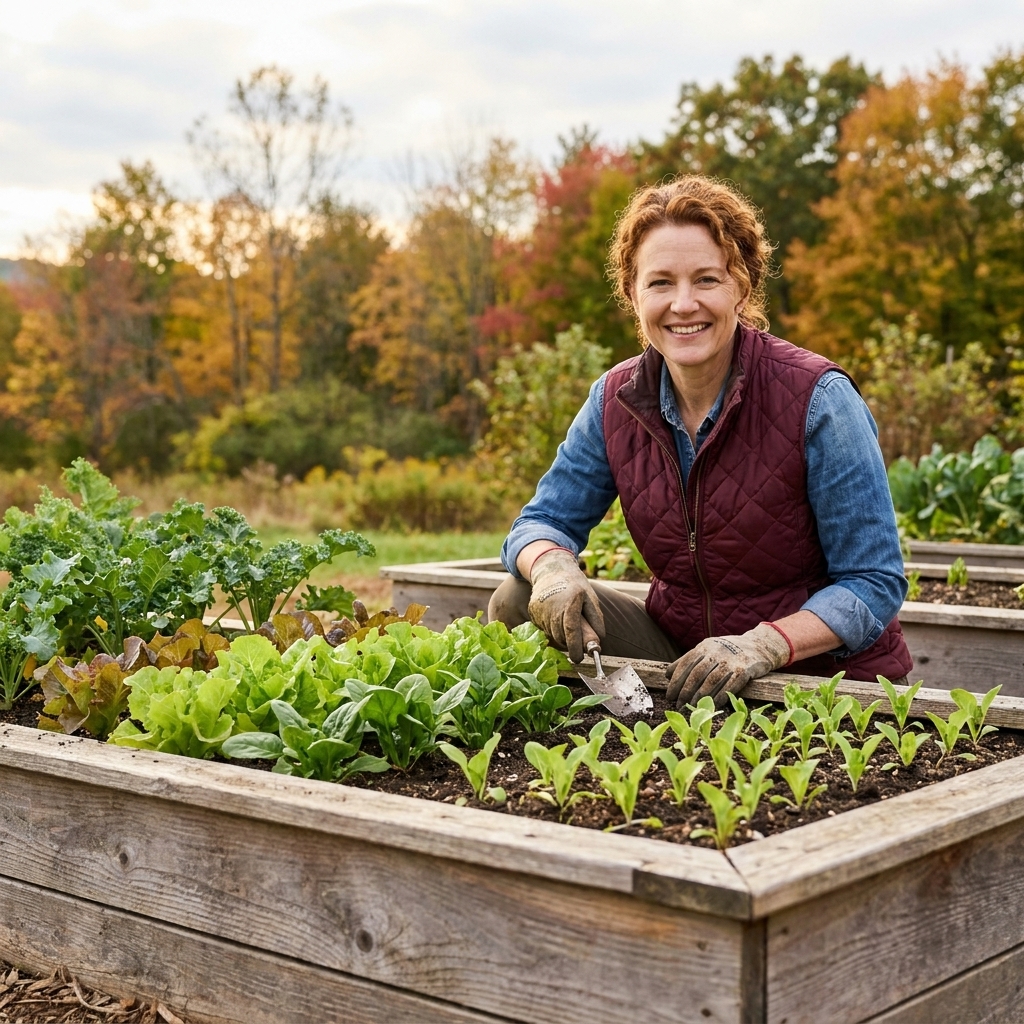
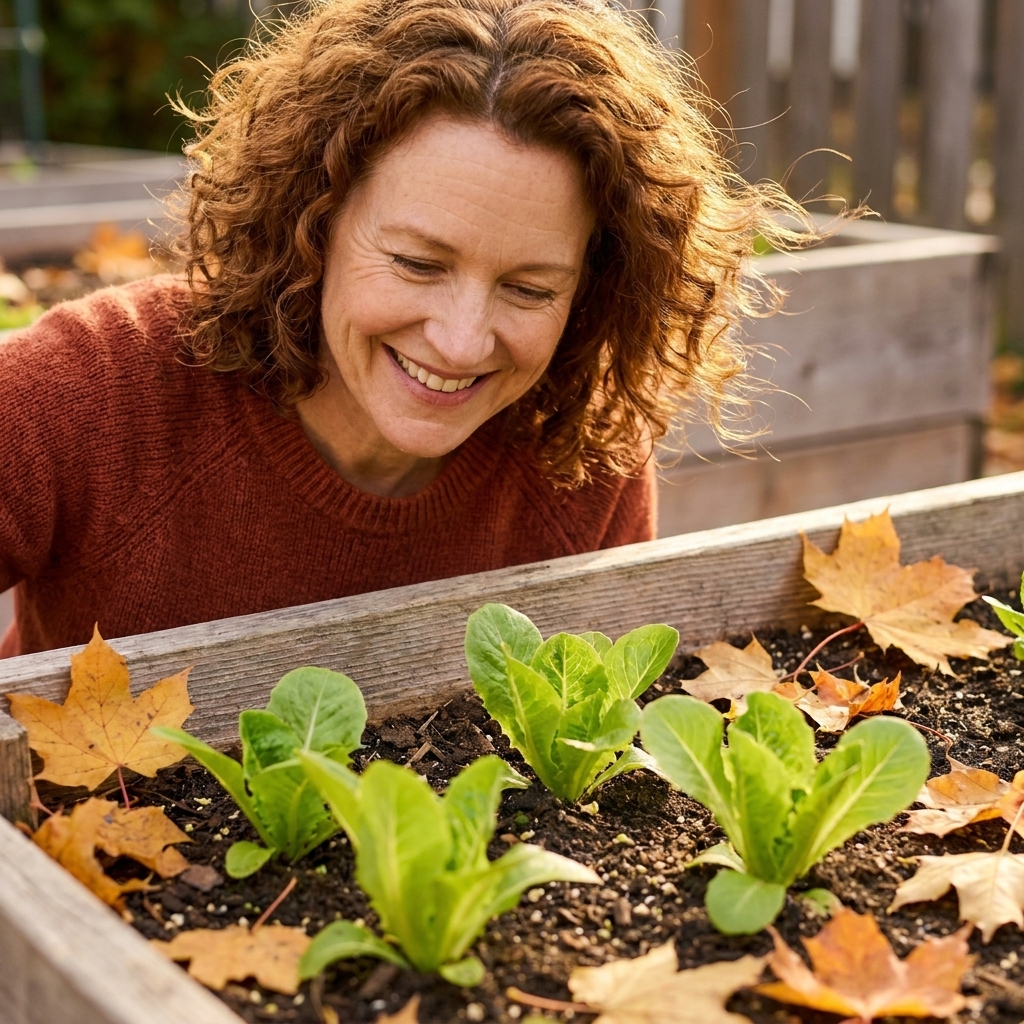
September is when the garden gets that crisp, second wind. Cooler nights bring sweeter greens and better germination.
Sow
- Direct sow: spinach, arugula, lettuce, radishes, cilantro, peas (in mild-winter climates with a long fall).
- Garlic note: buy seed garlic now, even if you plant next month.
Transplant
- Transplant lettuce, kale, and Asian greens.
- In mild-winter climates, transplant another round of broccoli for winter harvest.
Prep
- Start insulating soil moisture: mulch is your best friend for fall consistency.
- Remove diseased tomato foliage and clean up fallen fruit to reduce next year’s problems.
- Set up low hoops so you can throw row cover on fast when frost threatens.
October
October is garlic month in many regions, and it is also the month to protect what you already have growing.
Sow
- Direct sow: spinach, hardy greens, radishes (timing depends on first frost).
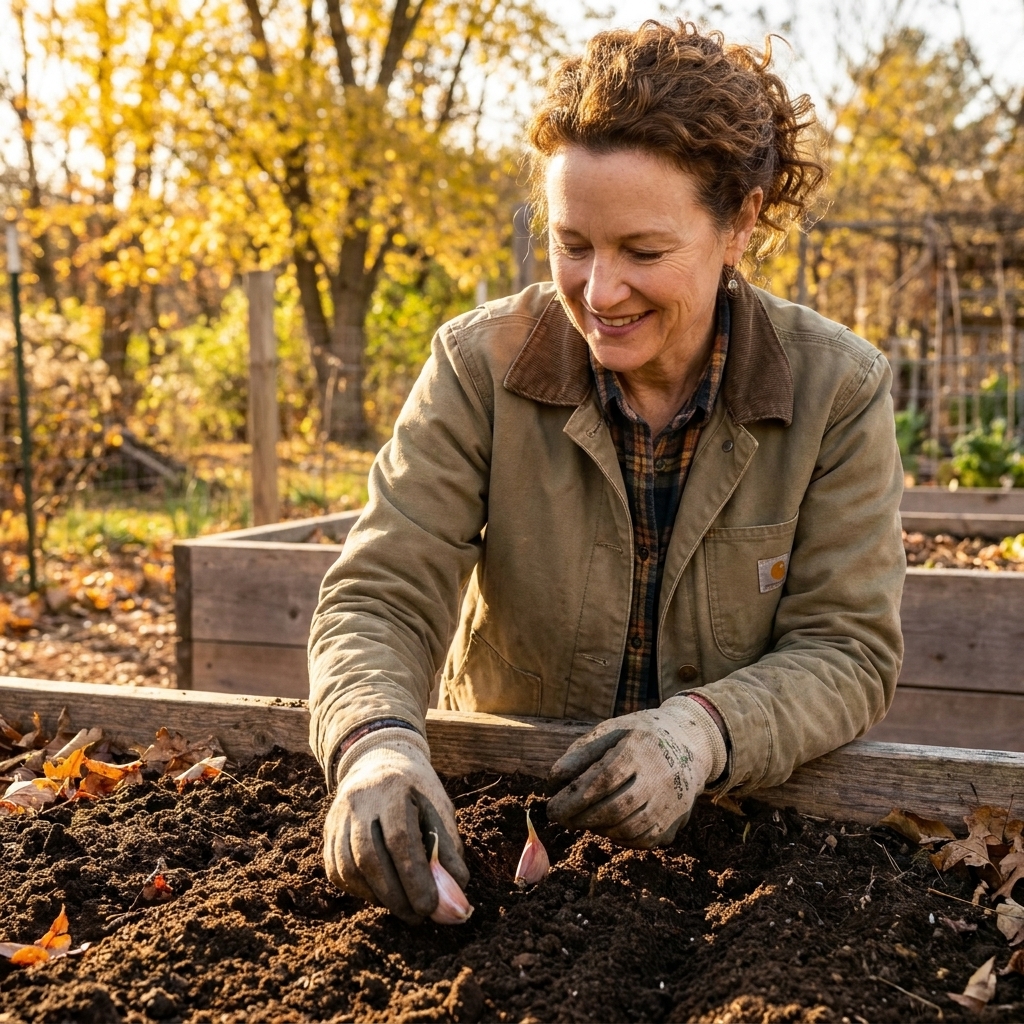
- Plant: garlic cloves and shallots in many climates.
Transplant
- Transplant hardy greens (kale, chard) in mild-winter climates or anywhere you use protection.
Prep
- Mulch garlic beds after planting once the weather cools.
- Use row cover for tender crops on chilly nights.
- Pull and cure winter squash before hard frosts, then store somewhere warm and dry for a couple weeks to harden the skins.
November
November is about closing loops. The harvest may slow, but the soil work you do now pays you back all next season.
Sow
- Mild-winter climates: peas, fava beans, spinach, lettuce, radishes.
- Indoors: microgreens and windowsill herbs.
Transplant
- Mild-winter climates: transplant onions, lettuce, brassicas for winter growing.
Prep
- Plant a cover crop where winter is mild enough (crimson clover, winter rye, field peas).
- Add leaves to empty beds as mulch. Shredded leaves are gold.
- Drain and store hoses before hard freezes.
December
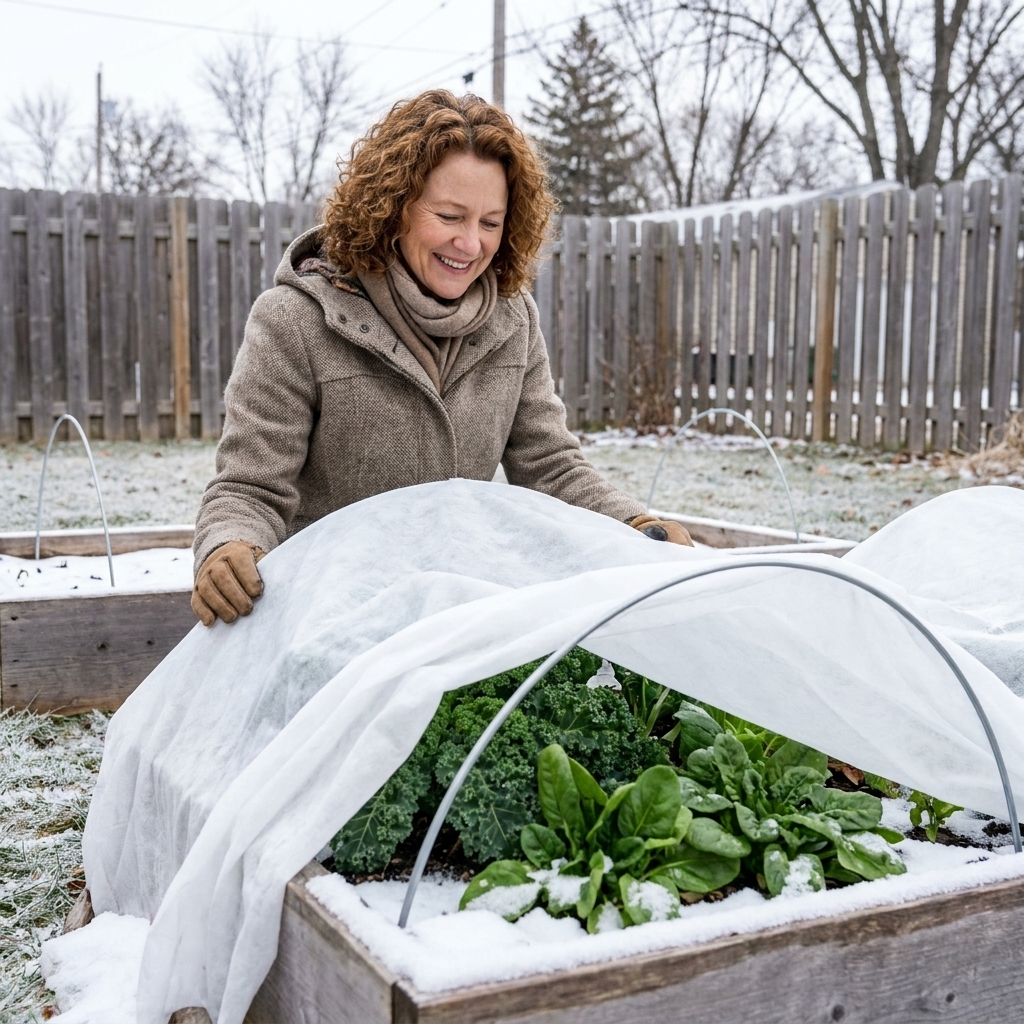
December gardening looks different for everyone. Some of us are harvesting kale under row cover. Others are staring out at a frozen bed and plotting next year’s tomatoes. Both count.
Sow
- Indoors: microgreens, sprouts, and windowsill herbs like chives and parsley.
- Mild-winter climates: broad beans (favas), peas, spinach, and salad mixes.
Transplant
- Mild-winter climates: transplant lettuce and brassicas for steady winter harvest.
Prep
- Start a compost plan for next year. Even a small bin is better than none.
- Sharpen pruners and clean tools.
- Review what worked and what flopped. My notebook is full of both, and that is the point.
Mini checklists
Simple crop rotation
You do not need a complicated system. Try rotating by plant family to reduce pest and disease pressure.
- Bed A: tomatoes, peppers, eggplant, potatoes (nightshades)
- Bed B: beans, peas (legumes)
- Bed C: cabbage family crops like broccoli, kale, cauliflower (brassicas)
- Bed D: carrots, onions, beets (roots and alliums)
Next year, move each family to the next bed.
Succession planting
Instead of sowing one big row once, sow a smaller amount every 2 to 3 weeks for crops like lettuce, radishes, beets, cilantro, and bush beans. You get steadier harvests and less overwhelm.
Bed turnover routine
- Pull the old crop and remove any diseased leaves.
- Loosen the top few inches with a hand fork.
- Add 1 to 2 inches of compost.
- Water the bed, then plant right away.
- Mulch once seedlings are established.
FAQ
What if my months do not match these timings?
Totally normal. Slide this checklist earlier or later based on your frost dates. If you are in a mild-winter climate, your “spring garden” may start in fall. If you are in a cold-winter climate, your true outdoor sprint may be May through September.
Do I really need to start seeds indoors?
No, but it helps for slow warm-season crops like peppers, tomatoes, and eggplant. If you prefer simple, buy healthy starts and focus on direct sowing easy crops like beans, peas, radishes, and greens.
How do I know when to plant warm-season vegetables?
Use a soil thermometer if you can. A simple rule is 60°F (16°C) and rising as the starting line for many warm-season crops, but the sweet spot varies.
- Beans often prefer soil around 60°F (16°C)+.
- Cucumbers and squash typically do better when soil is warmer, often 70°F (21°C)+.
- Corn likes warmth too and tends to stall in cold soil.
For tomatoes and peppers, it is less about seed germination and more about steady growth. They settle in best when nights stay consistently mild.
What is the easiest way to extend the season?
A lightweight row cover over simple hoops gives you a surprising boost on both ends of the season. It helps with frost, wind, and pest pressure, especially on brassicas.