Find your first and last frost dates, then map them to exact weeks for starting seeds indoors, direct sowing outside, and transplanting vegetables with confi...
Veg Loom
October 17, 2026
By Maggie O'Connell
Moon Phase Gardening
Learn how to garden by the moon phases with a simple lunar planting calendar for vegetables, from seed sowing and transplanting to root crops and harvesting.

Maggie O'Connell
Maggie O'Connell is a lifelong gardener and the voice behind Vegloom, dedicated to helping people grow their own food regardless of their yard size. With over 15 years of hands-on experience in backyard agriculture, she specializes in raised bed gardening, organic soil building, and seasonal planting calendars. When she isn't writing, Maggie can usually be found tending to her sprawling heirloom tomatoes or experimenting with new compost recipes.
I grew up snapping green beans on my grandmother’s porch, and she would casually mention things like, “Plant peas on the waxing moon.” As a kid, I figured it was just one of those old-time sayings. Then I started gardening in my own yard, hit the brick wall of heavy clay, built raised beds, and began paying attention to anything that might improve germination and yields. Moon phase gardening is one of those practices that sits right at the crossroads of tradition, observation, and a little bit of garden magic.
This guide is for vegetable gardeners who want to try lunar planting calendars without turning gardening into a complicated astronomy project. You will learn what the moon phases are, how lunar planting “rules” work, and a beginner-friendly way to use them in real life.
One clear disclaimer up front: moon timing should never override your frost dates, local extension guidance, soil temperature, moisture, or pest and disease pressure. Use the moon to fine-tune your timing, not to fight your climate.
What it is (and isn’t)
Moon phase gardening is the practice of timing garden tasks to the moon’s cycle. Most lunar planting calendars divide the month into phases and assign certain jobs to each one, especially seed sowing and root crop planting.
Here is the down-to-earth version:
- It is a timing tool. It helps you choose “good windows” for sowing and planting.
- It is not a replacement for good soil, sunlight, consistent moisture, and seasonal temperature awareness.
- It is flexible. If your soil is cold and soggy, the moon cannot fix that. Wait for workable conditions.
Think of it like this: your garden still runs on sun, temperature, and water. The moon calendar is a gentle nudge for when to do a task once the basics are already in place.
Moon phases, quickly
The moon cycle is about 29.5 days. Lunar gardeners usually focus on four main phases:
- New moon: the moon is dark or barely visible.
- First quarter: half the moon is lit and it is waxing, meaning growing brighter.
- Full moon: the moon is fully lit.
- Last quarter: half the moon is lit and it is waning, meaning decreasing illumination.
Many calendars break the month into two big halves:
- Waxing (new moon to full moon)
- Waning (full moon to new moon)
A helpful detail for beginners: “first quarter” and “last quarter” are moments in time, but most gardening calendars treat the days between phases as the real planting windows (new to first quarter, first quarter to full, and so on).
Traditional logic says waxing time supports upward growth, while waning time favors roots and “downward” energy. Whether you take that literally or you treat it as a useful tradition, the recommendations are pretty consistent within any single calendar.
One important note: lunar gardening systems vary. Some rely only on phases, while others prioritize an ascending and descending moon or zodiac signs. If you want to test whether it helps in your garden, pick one system and stick with it for a season so you are comparing apples to apples.
What to do in each phase
Different traditions vary, but most beginner-friendly moon phase calendars follow this pattern:
New moon to first quarter: leafy growth
This is often considered a strong window for germination and early growth. I like this phase for:
- Lettuce, spinach, arugula, kale, chard
- Herbs grown for leaves like cilantro and parsley
- Brassicas started from seed indoors like broccoli and cabbage
Garden reality tip: Leafy greens care more about soil temperature and consistent moisture than moonlight. If your beds dry out quickly, prioritize watering and a light mulch first.
First quarter to full moon: fruiting and seed crops
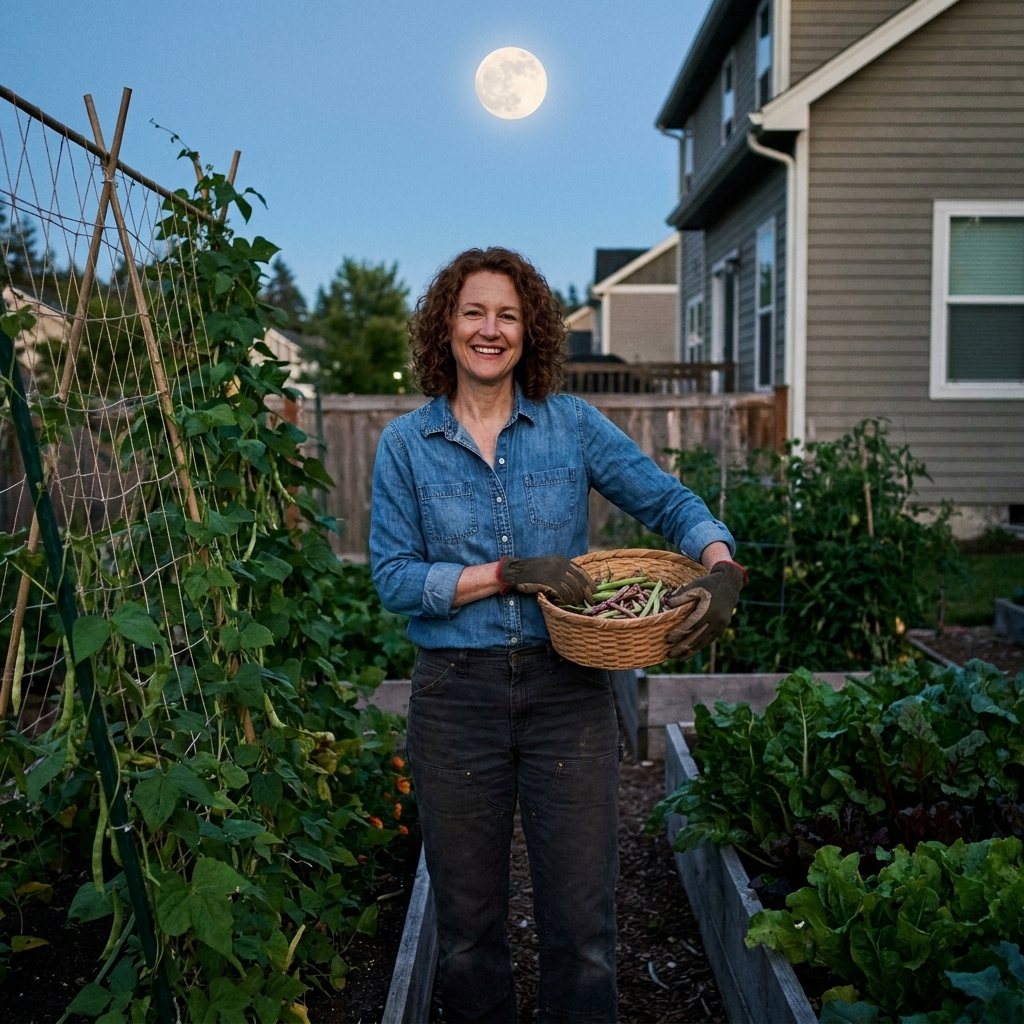
In many lunar calendars, as the moon grows brighter, it favors plants that produce above-ground fruits and seeds. This is where legumes often land, too, since you are ultimately harvesting the seed. This phase is commonly used for:
- Beans and peas
- Cucumbers, squash, melons
- Corn
- Tomatoes, peppers, eggplant (especially transplanting)
Raised bed note: If you are transplanting, aim for a calm, mild day and water the hole deeply. Moon phase or not, transplants hate being rushed into dry soil.
Full moon to last quarter: roots and bulbs
This is the classic window for:
- Carrots, beets, radishes, turnips
- Potatoes
- Onions, garlic, leeks
I also like this phase for thinning crowded seedlings and side-dressing with compost, because you are working close to the soil and it feels like a natural rhythm: tend the foundation, then let the plants do their thing.
Last quarter to new moon: maintenance and reset
This waning window is often reserved for maintenance rather than planting. Good tasks include:
- Weeding (especially before weeds set seed)
- Compost turning and bed cleanup
- Pruning for control on established plants
- Harvesting for storage, like onions and potatoes, when conditions are dry
My favorite use of this phase: I do “boring garden admin” here. Repair trellises. Refill mulch. Clean seed-start trays. Those chores always get shoved aside, and the lunar calendar gives them a home.
A simple beginner plan
If you are new to this, the easiest way to start is to pick one or two crops and try lunar timing for a season. That way you learn without making your whole garden dependent on a system you are still testing.
Option 1: Direct-sow a quick test
Pick something fast so you get feedback while the season is still in motion:
- Radishes or beets: sow during full moon to last quarter.
- Bush beans: sow during first quarter to full moon once soil is warm.
If you want to make it a real experiment, sow two short rows a couple of weeks apart, both within the normal seasonal window for your area, and take notes on germination and vigor.
Option 2: Use “calendar crops”
Potatoes and onions are satisfying because you plant them, tend them, and later dig up a treasure.
- Potatoes: plant during full moon to last quarter.
- Onion sets: plant during full moon to last quarter.
- Harvesting for curing: aim for a dry spell during the waning half if you can, but weather wins.
One small rule that prevents heartbreak: seasonal timing comes first. If your last frost date says wait, wait. Lunar timing works best as a fine-tuner, not the main clock.
Harvesting notes
Lunar calendars often include harvesting guidance, too. You will see traditional advice like:
- Harvest leafy greens on a waxing moon for extra succulence.
- Harvest root crops on a waning moon for better storage.
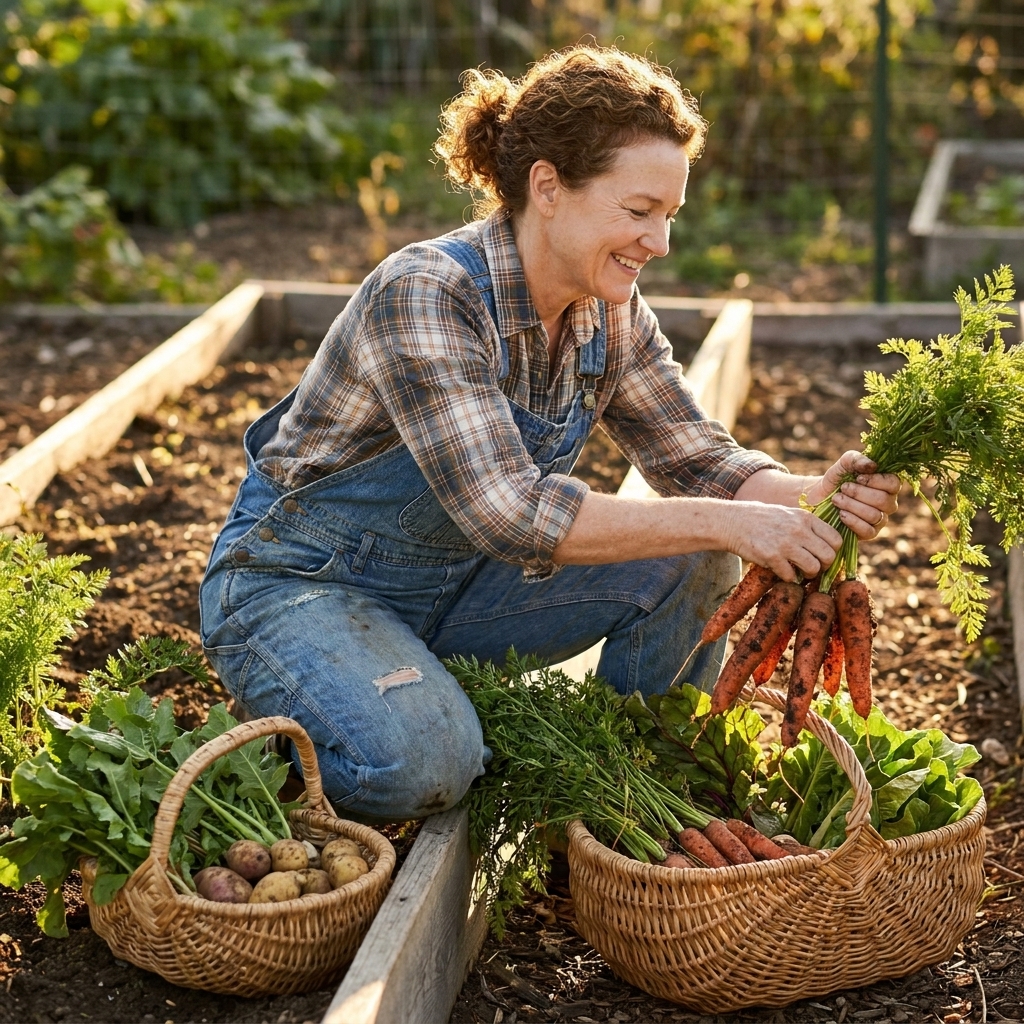
These are traditional guidelines, not established horticultural laws. My practical take: harvest when the crop is ready, and use the moon as a gentle nudge when you have flexibility. If your carrots are perfect today and tomorrow is “ideal” on the calendar, I would rather you enjoy those carrots today.
Does it really work?
I get asked this a lot, usually in the tone people use when they are trying to be polite at a garden club meeting.
Here is what I can say honestly:
- There is a long history of lunar gardening across cultures, especially in farming communities that watched natural cycles closely.
- The moon influences water on Earth through tides. When it comes to typical garden beds, any moon-related shifts in soil moisture are hard to measure, and evidence for meaningful effects at backyard scale is limited and mixed.
- Many benefits may come from better planning. When you follow a calendar, you garden more consistently. Consistency is powerful.
My approach is to treat moon phase gardening as an experiment. Keep notes. Try it on a few beds. If you see better germination or stronger plants in your conditions, that is a win.
Use a lunar calendar simply
If you are already juggling frost dates, pests, kids, work, and watering schedules, you do not need another complicated system. Here is the simple method I recommend:
Step 1: Start with seasonal timing
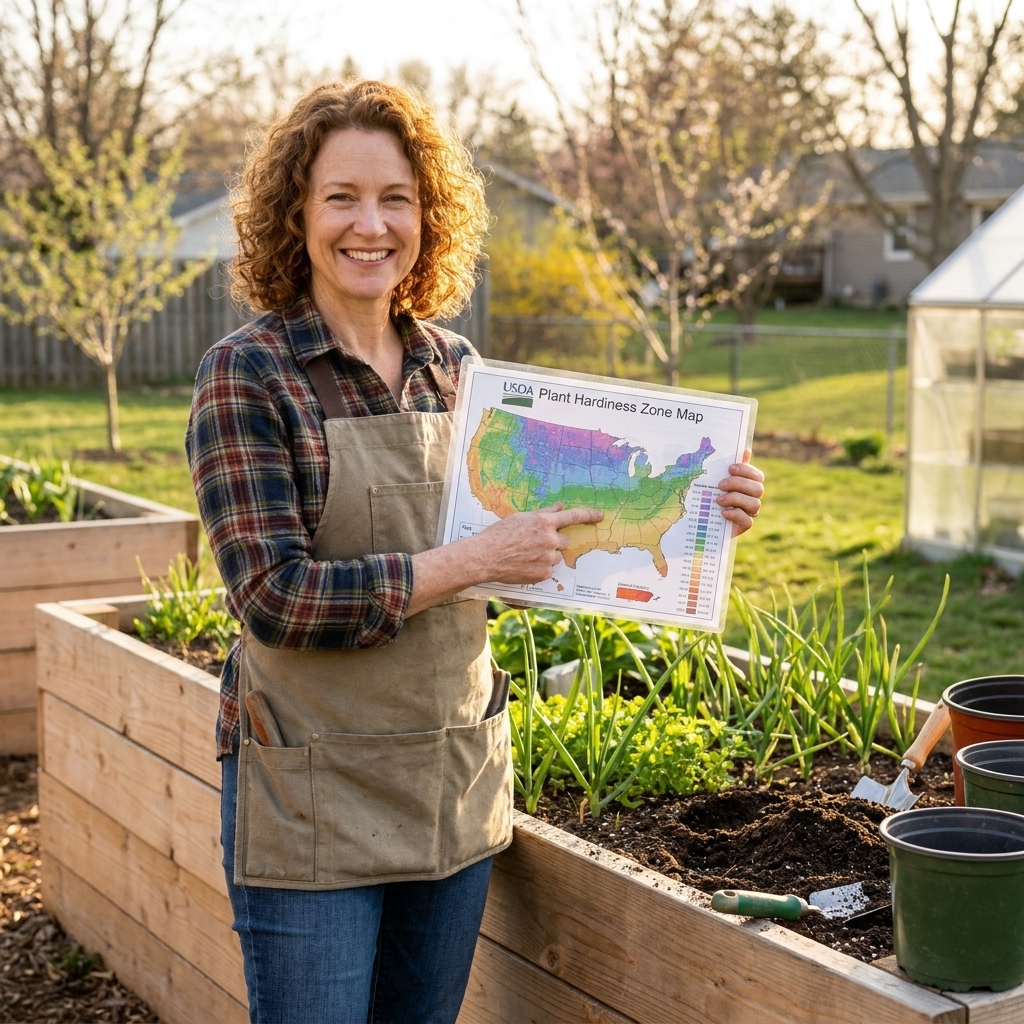
Use your local last frost and first frost dates and your typical soil temperatures to decide what month you will plant each crop.
Step 2: Choose a moon window
Once you know you will plant beans sometime in late spring, choose a date during the first quarter to full moon period, assuming soil warmth and weather cooperate.
Step 3: Let soil and weather decide
Do not plant just because the calendar says so if:
- your bed is waterlogged
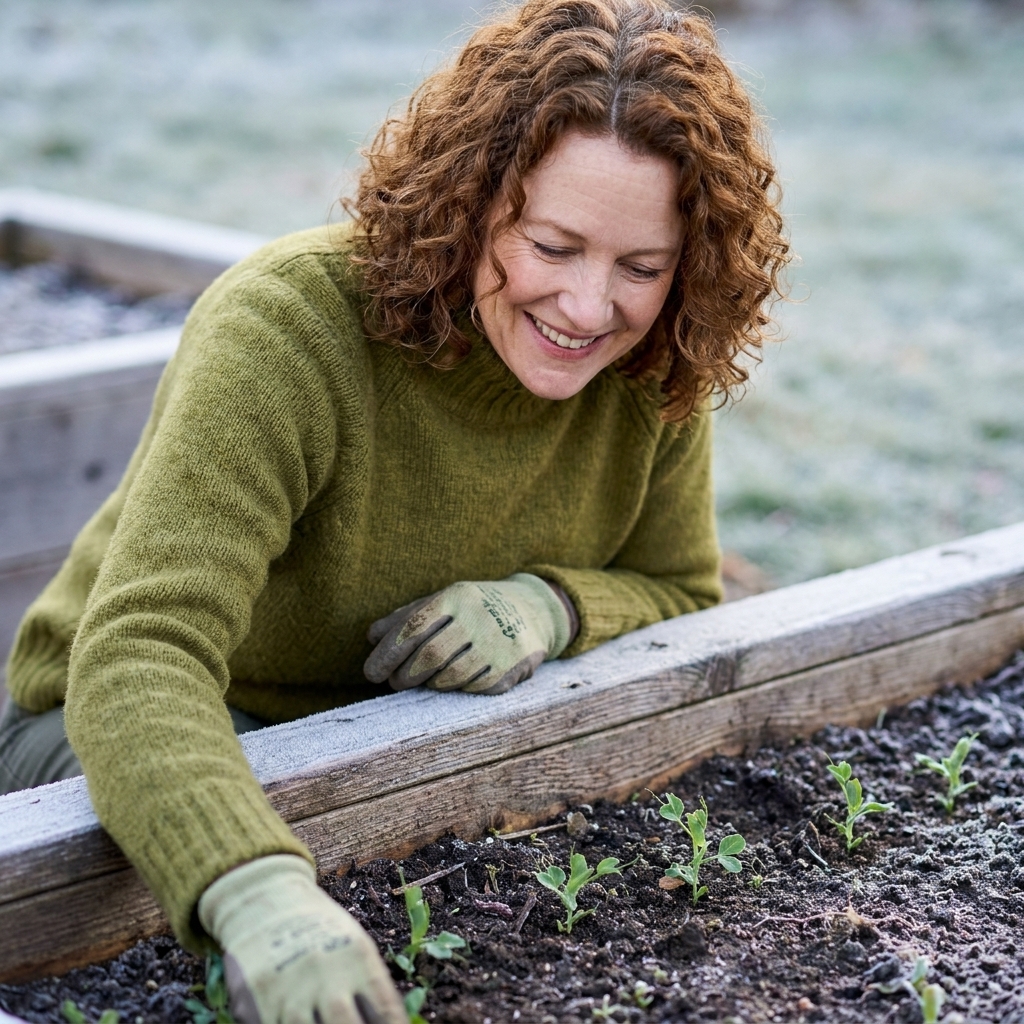
- a cold snap is coming
- your soil is still too cold for that crop
Step 4: Keep a tiny note
You do not need a fancy journal. Jot this down:
- crop
- date planted
- moon phase window
- germination date
- any issues (cold rain, dry spell, pest pressure)
After one season, you will have your own evidence. And that is the best kind of garden confidence.
Moon phase cheat sheet
If you like a quick reference, this will get you started. (Remember: follow one system consistently if you are testing results.)
Waxing moon (new to full)
- Leafy crops: lettuce, spinach, kale, chard
- Fruiting and seed crops: beans, peas, corn, cucumbers, squash, melons
- Transplants (often): tomatoes, peppers, eggplant, brassicas
Waning moon (full to new)
- Root crops: carrots, beets, radishes, turnips
- Bulbs: onions, garlic
- Tubers: potatoes
Best fit for the waning half
- weeding
- pruning for control
- bed cleanup
- harvesting for curing and storage (when weather is dry)
Common questions
Do I need zodiac signs?
No. Some biodynamic and traditional systems add zodiac signs, and you can go as deep as you want. For beginners, sticking to the four main moon phases is plenty.
What if I miss the “right” phase?
Plant anyway when conditions are good. Vegetables are forgiving when soil is healthy and water is consistent. A missed moon window is not a missed season.
Is this good for raised beds?
Absolutely. Raised beds warm faster and drain better, which means you often have more “good planting days” to choose from. If anything, raised beds make it easier to match planting to a calendar because your soil conditions cooperate more often.
Can I start seeds indoors by the moon?
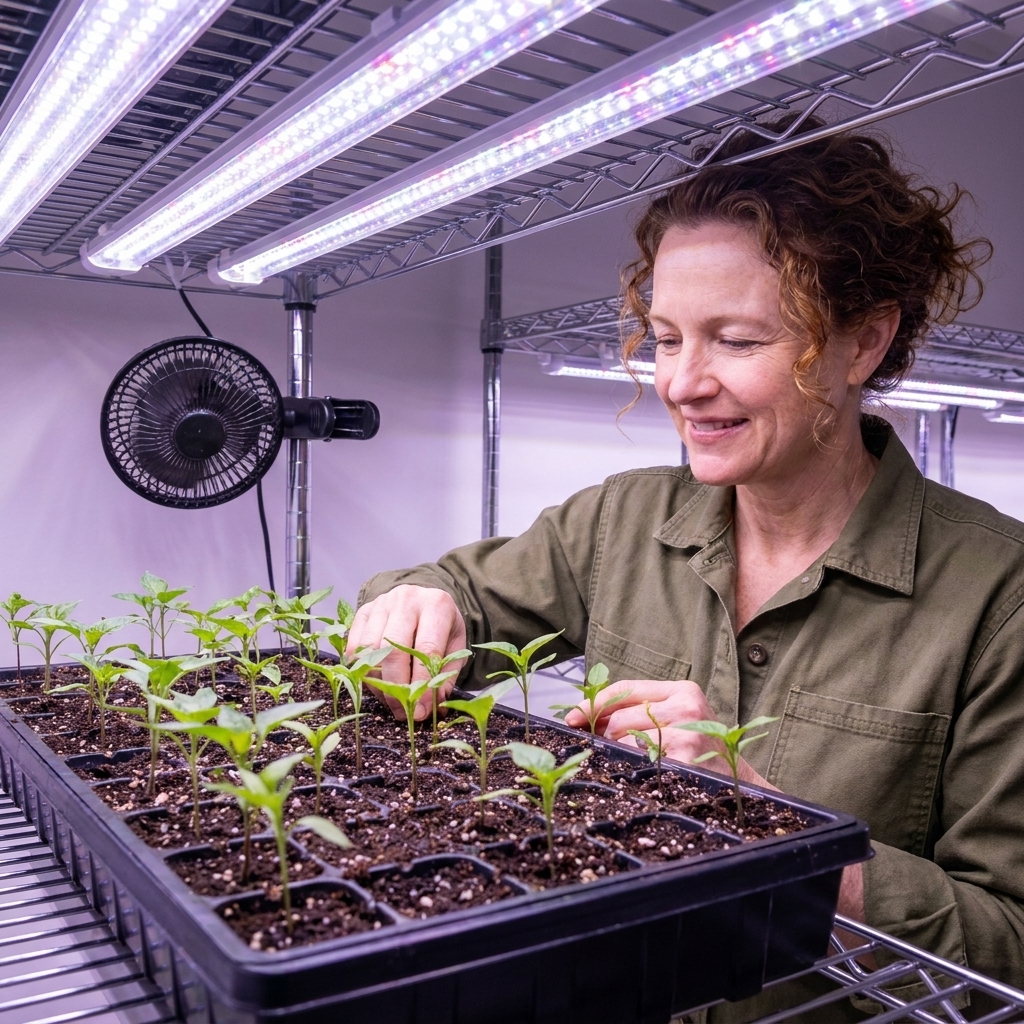
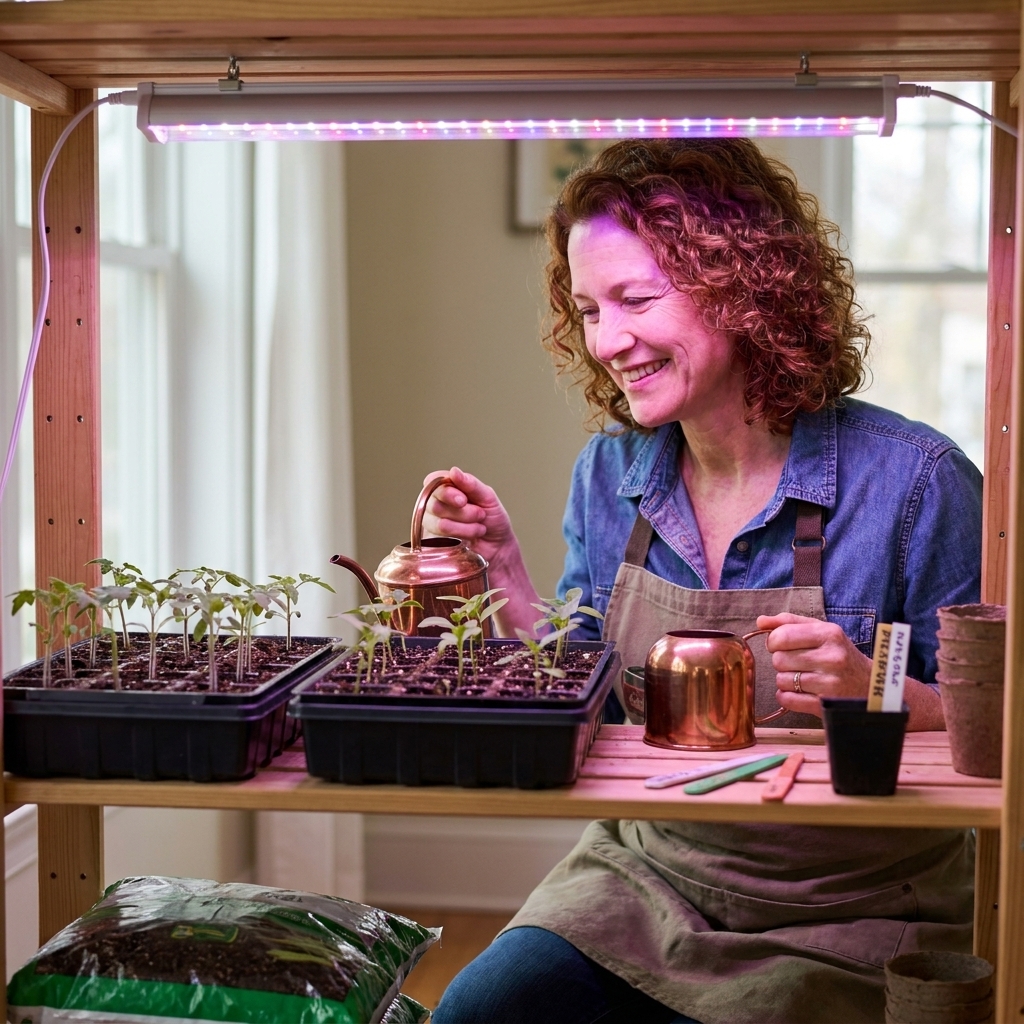
Yes. Treat indoor seed-starting like sowing outdoors: leafy crops earlier in the waxing half, fruiting and seed crops in the brighter waxing half. Just remember indoor success still hinges on light, warmth, and not overwatering.
What is the easiest crop to test?
Radishes and bush beans. They germinate quickly, so you get feedback fast. Try sowing half your row in one moon window and half in another within the same general seasonal timing, then compare.
A gentle way to begin
If you are curious, pick one upcoming month and circle two planting days: one in the waxing half for greens or beans, and one in the waning half for carrots or beets. Prep the bed well, water consistently, and watch what happens.
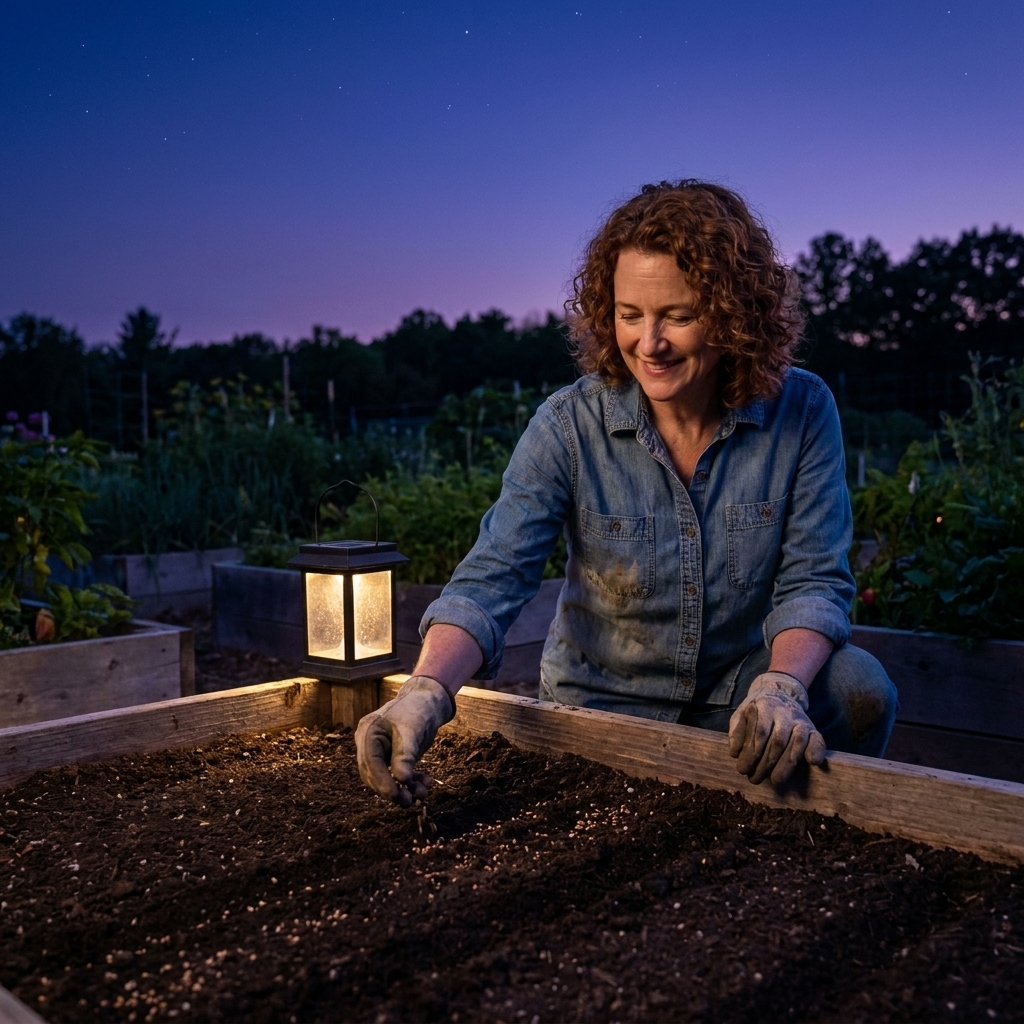
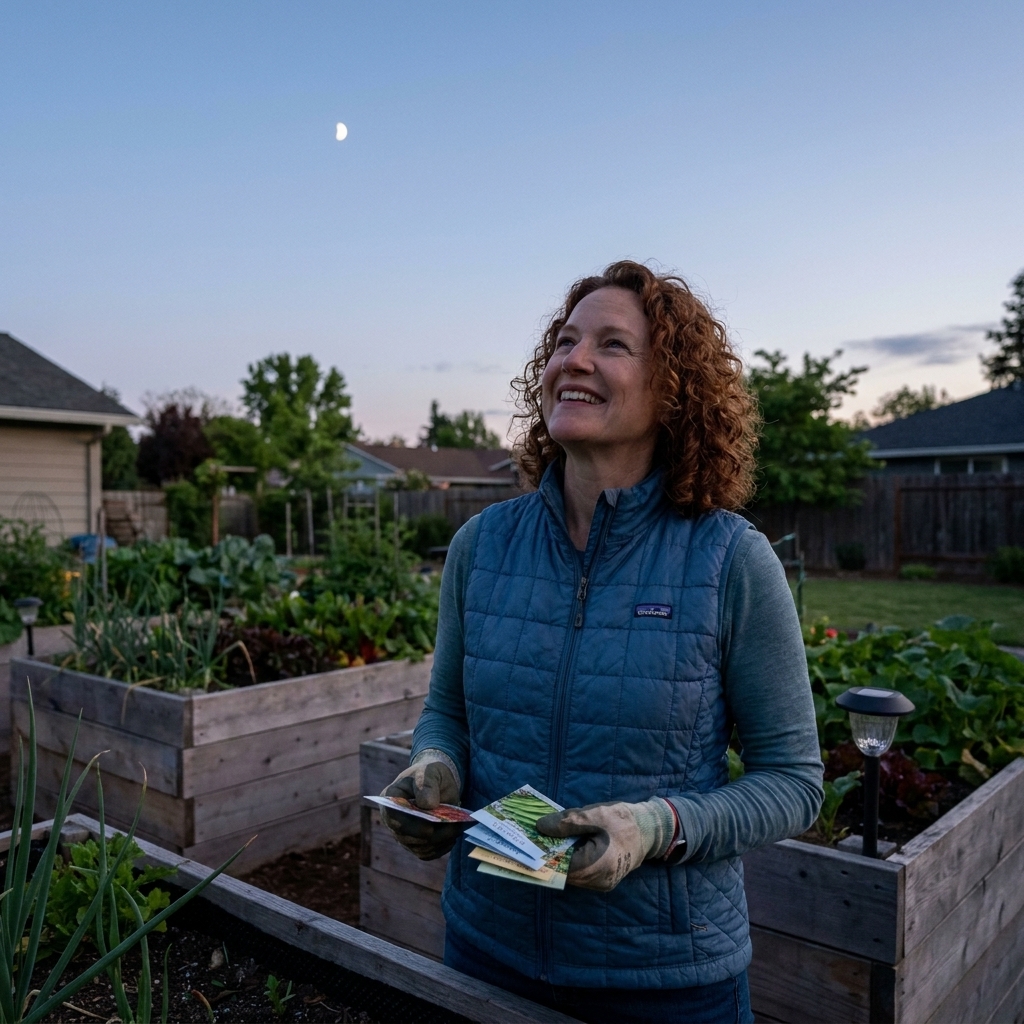
Gardening has room for science, tradition, and personal experience all at once. The moon calendar is simply another way to slow down, pay attention, and garden with a little more intention. And if nothing else, it gets you outside on a quiet evening looking up, which is never a bad thing for a gardener.